


 Secure and Reliable
  High quality
  Worldwide shipping
  Bonuses and Discounts
  Money back Guarantee
 - Bestsellers
- Alcoholism
- COVID-19
- Allergy
- Anti Fungal
- Alzheimers
- Anti Viral
- Anti-Depressants
- Anti-Inflammatory
- Antibacterial
- Antiparasitic
- Antibiotics
- Arthritis
- Asthma
- Birth Control
- Blood Pressure
- Cancer
- Cardiovascular
- Cholesterol
- Diabetes
- Diuretics
- Erectile Dysfunction
- Eye Drop
- Gastro Health
- General Health
- Hair Loss
- Hepatitis C Virus (HCV)
- HIV
- Hormones
- Men's ED Packs
- Men's Health
- Mental Illness
- Motion Sickness
- Muscle Relaxant
- Pain Relief
- Parkinson’s Disease
- Veterinary Medicines
- Quit Smoking
- Vitamins
- Skin Care
- Sleeping Aids
- Weight Loss
- Women's Health
Generic Priligy ( Dapoxetine )
Buy Generic Priligy (Dapoxetine) without prescription in Canada
In our Canadian pharmacy, you can buy Priligy (Dapoxetine) without a prescription, with delivery across Canada within 5‑14 days. Discreet and anonymous packaging.
Priligy (dapoxetine hydrochloride) is a short‑acting selective serotonin reuptake inhibitor (SSRI) developed specifically for the on‑demand treatment of premature ejaculation (PE) in adult men aged 18 to 64. It works by increasing the activity of serotonin in the synaptic cleft, which in turn delays the ejaculatory reflex and significantly improves control over ejaculation. Unlike other SSRIs used off‑label for PE that must be taken daily, Priligy is taken only as needed, 1 to 3 hours before sexual activity.
Usual adult dose: The recommended starting dose is 30 mg taken orally with a full glass of water, approximately 1 to 3 hours before anticipated sexual activity. Depending on individual response and tolerability, the dose may be increased to a maximum of 60 mg taken as needed. The maximum recommended dosing frequency is once every 24 hours. Doses above 60 mg, such as the internationally available 90 mg tablet, are not routinely recommended but may be prescribed under specialist supervision for patients who have shown an inadequate response to 60 mg and who tolerate the medication well. Priligy is intended for on‑demand use only and is not designed for continuous daily therapy.
Dosage form: Oral film‑coated tablets: 30 mg, 60 mg, and 90 mg (as dapoxetine hydrochloride). The 30 mg and 60 mg strengths are the standard internationally approved doses; the 90 mg strength is available through international supply for patients requiring a higher dose.
Onset of action: Priligy is rapidly absorbed after oral administration. Peak plasma concentrations are reached approximately 1 to 2 hours after a dose under fasting conditions. The medication is effective when taken 1 to 3 hours before sexual activity. A high‑fat meal may delay the time to peak concentration but does not significantly reduce overall exposure.
Duration of action: The elimination half‑life of dapoxetine is approximately 1.5 hours for the initial phase, with a terminal half‑life of about 19 hours. The clinical effect on ejaculatory control lasts for a few hours after the peak concentration, which covers the typical window of sexual activity. The drug is rapidly cleared from the body, which minimizes accumulation and supports its use on an as‑needed basis.
Alcohol recommendation: Alcohol consumption should be strictly avoided while taking Priligy. Alcohol can increase the risk of side effects such as dizziness, drowsiness, and fainting, and may worsen the orthostatic hypotensive effects of dapoxetine. Combining Priligy with alcohol also increases the likelihood of accidental injury.
Most common side effects: Nausea (up to 20%), dizziness (up to 11%), headache (up to 9%), diarrhoea (up to 7%), and insomnia (up to 5%). These effects are generally mild to moderate, transient, and tend to diminish with continued use. Syncope (fainting) has been reported, particularly at the 60 mg dose and in patients with predisposing factors such as dehydration or concurrent use of alcohol. Rare but serious adverse effects include serotonin syndrome, seizures, and psychiatric events such as anxiety, agitation, and suicidal ideation.
Would you like to try Priligy (Dapoxetine) without a prescription?
General Information about Priligy (Dapoxetine)
- INN (International Nonproprietary Name): Dapoxetine (as dapoxetine hydrochloride).
- Brand names available in Canada: Priligy® is not approved for sale in Canada. The active ingredient dapoxetine is not marketed in any form by Health Canada. Priligy is approved and widely available in many other countries, including those in the European Union, Mexico, Australia, and several Asian nations. Our pharmacy supplies internationally sourced Priligy tablets through the international supply chain for personal importation.
- ATC code: G04BX14 (urologicals, other urologicals, incl. antispasmodics).
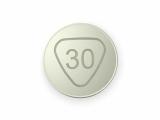
- Dosage forms and strengths: Oral film‑coated tablets: 30 mg, 60 mg, and 90 mg (as dapoxetine hydrochloride). The 30 mg tablet is typically round and grey; the 60 mg tablet is round and dark grey; the 90 mg tablet is available as a generic internationally. The tablets are packaged in blister packs.
- Manufacturers in Canada: None. Priligy is not manufactured in Canada. The original brand is manufactured by Janssen‑Cilag (a Johnson & Johnson company) in various international markets. Generic dapoxetine is produced by several international pharmaceutical companies. Our pharmacy obtains the medication through the international supply chain for personal use.
- Registration status in Canada: Not marketed in Canada. Priligy has not been issued a Notice of Compliance by Health Canada and is not listed in the Drug Product Database. Dapoxetine has never been submitted for approval in Canada. The drug is, however, approved by the European Medicines Agency (EMA) and other regulatory authorities worldwide.
- OTC / Rx classification: Prescription only (Rx). Dapoxetine is not a controlled substance under the Controlled Drugs and Substances Act, but it requires a valid prescription from a licensed Canadian healthcare professional for personal importation. Our pharmacy fulfills this prescription for the internationally sourced product.
Mechanism of Action and Pharmacology
Dapoxetine is a potent and selective serotonin reuptake inhibitor (SSRI) with a pharmacokinetic profile specifically suited for on‑demand treatment of premature ejaculation. It inhibits the serotonin transporter (SERT), which increases the synaptic concentration of serotonin (5‑HT) in the central nervous system. Elevated serotonin levels in the brainstem and spinal cord, particularly at 5‑HT1A and 5‑HT2C receptors, are believed to modulate the ejaculatory reflex, increasing the threshold for ejaculation and prolonging intravaginal ejaculation latency time (IELT). Unlike other SSRIs that require chronic administration to achieve a therapeutic effect on ejaculation, dapoxetine is rapidly absorbed and achieves peak plasma concentrations within 1 to 2 hours, making it effective when taken as needed before sexual activity. Its rapid elimination, with an initial half‑life of approximately 1.5 hours, minimizes the risk of drug accumulation and the side effects associated with sustained serotonin reuptake inhibition. Dapoxetine has minimal affinity for other neurotransmitter receptors, including dopaminergic, adrenergic, and cholinergic sites, which contributes to its relatively selective side‑effect profile. It is metabolized primarily by cytochrome P450 3A4 (CYP3A4) and, to a lesser extent, by CYP2D6, to inactive metabolites that are excreted mainly in the urine.
Indications
- Treatment of premature ejaculation (PE) in adult men aged 18 to 64 years who meet recognised diagnostic criteria: persistent or recurrent ejaculation with minimal sexual stimulation before, on, or shortly after penetration and before the person wishes, and marked personal distress or interpersonal difficulty. Priligy increases the length of time to ejaculation and improves the patient’s sense of control over ejaculation.
- Priligy is intended for on‑demand use only and is not indicated for the treatment of any psychiatric condition, including major depressive disorder, generalised anxiety disorder, or obsessive‑compulsive disorder. It is not a daily maintenance therapy for PE.
- Not indicated for use in women or in men under 18 or over 64 years of age. Safety and efficacy have not been established in paediatric populations.
Important Warnings and Precautions
At‑risk groups
- Pregnancy and breastfeeding: Priligy is not indicated for use by women. There are no adequate and well‑controlled studies of dapoxetine in pregnant or breastfeeding women. Women of childbearing potential should avoid handling the medication.
- Paediatrics (< 18 years): Safety and efficacy have not been established in children and adolescents. Priligy is not approved for use in this population.
- Elderly (> 64 years): The safety and efficacy of Priligy have not been established in men over 64 years of age. Use in this age group is not recommended.
- Cardiovascular disease: Priligy should not be used in patients with significant cardiovascular disease, including heart failure, conduction abnormalities (such as second‑ or third‑degree AV block or sick sinus syndrome), significant ischaemic heart disease, valvular disease, or a history of syncope. Patients should be evaluated for cardiovascular risk factors before initiating therapy.
- Orthostatic hypotension and syncope: Dapoxetine can cause orthostatic hypotension and, in some cases, syncope (fainting). The risk is increased at the 60 mg dose and in patients who are dehydrated, taking vasodilator medications, or who have consumed alcohol. Patients should be advised to rise slowly from a sitting or lying position and to stay well hydrated. If prodromal symptoms (dizziness, light‑headedness, nausea) occur, the patient should lie down to avoid injury.
- Serotonin syndrome: Dapoxetine is an SSRI and can cause serotonin syndrome, a potentially life‑threatening condition, particularly when combined with other serotonergic drugs (e.g., other SSRIs, SNRIs, MAOIs, triptans, fentanyl, lithium, tramadol, St. John’s wort). Symptoms include altered mental status, autonomic instability, neuromuscular abnormalities, and gastrointestinal upset. Discontinue Priligy and seek immediate medical attention if serotonin syndrome is suspected.
- Psychiatric adverse events: Cases of anxiety, agitation, aggression, depression, and suicidal ideation have been reported with dapoxetine. Patients with a history of psychiatric disorders should be monitored carefully, and treatment should be discontinued if new or worsening psychiatric symptoms occur. Priligy is not approved for the treatment of depression and should not be used in patients with unstable psychiatric conditions.
- Bleeding risk: SSRIs, including dapoxetine, may increase the risk of bleeding events, particularly when combined with anticoagulants, antiplatelet agents, or NSAIDs. Patients with a bleeding diathesis should be monitored.
- Seizure disorders: SSRIs may lower the seizure threshold. Priligy should be used with caution in patients with epilepsy or a history of seizures. Discontinue if seizures develop.
- Angle‑closure glaucoma: SSRIs can cause pupillary dilation, which may trigger an acute attack of angle‑closure glaucoma in susceptible individuals.
- Mania and hypomania: Dapoxetine may precipitate mania or hypomania in patients with undiagnosed bipolar disorder. Screen for bipolar disorder and monitor for mood elevation.
- Renal impairment: No dose adjustment is required in patients with mild to moderate renal impairment. Priligy has not been studied in patients with severe renal impairment and is not recommended in this population.
- Hepatic impairment: Priligy is contraindicated in patients with moderate or severe hepatic impairment (Child‑Pugh B or C). In mild hepatic impairment, the maximum recommended dose is 30 mg, and the drug should be used with caution. The 60 mg and 90 mg doses are not recommended.
- Allergy: Do not take Priligy if you have a known hypersensitivity to dapoxetine or any excipient in the formulation.
Driving and alcohol
Priligy may cause dizziness, drowsiness, and syncope. Patients should not drive, operate heavy machinery, or engage in hazardous activities until they know how the medication affects them. Alcohol must be strictly avoided while taking Priligy, as it increases the risk of dizziness, drowsiness, orthostatic hypotension, and fainting. The combination of alcohol and dapoxetine has been associated with an increased incidence of accidental injury.
Dosage Instructions
- Standard adult dose: The recommended starting dose is 30 mg taken orally as needed, approximately 1 to 3 hours before anticipated sexual activity. The tablet should be swallowed whole with a full glass of water and may be taken with or without food. If the 30 mg dose is well tolerated but insufficient, the dose may be increased to 60 mg. The maximum recommended dose is 60 mg per day. Doses above 60 mg (e.g., 90 mg) are not routinely recommended but may be prescribed by a specialist for patients who have demonstrated an inadequate response to 60 mg and who tolerate the medication without significant side effects. The maximum dosing frequency is once every 24 hours. Patients should be advised not to take more than one dose in a 24‑hour period.
- Patients with mild hepatic impairment: The maximum recommended dose is 30 mg. The 60 mg and 90 mg doses are contraindicated.
- Patients taking moderate CYP3A4 inhibitors (e.g., erythromycin, clarithromycin, fluconazole): The maximum recommended dose is 30 mg. Higher doses should be avoided.
- Administration: Swallow the tablet whole with water. It may be taken with or without food; a high‑fat meal may delay the time to peak concentration by about 0.5 hours but does not significantly reduce the overall effect. Avoid alcohol. Do not take more than one tablet per day.
- Missed dose: Priligy is taken only as needed, not on a daily schedule. If a dose is missed, it is simply not taken; there is no need to catch up.
- Evaluation of response: After the first 4 weeks of treatment or after 6 doses, whichever occurs first, the physician should evaluate the benefit‑risk balance and decide whether to continue treatment. Treatment should be stopped if there is no clinically meaningful improvement or if side effects are intolerable.
Side Effects and Contraindications
- Very common side effects (≥ 10%): Nausea (up to 20%), dizziness (up to 11%), and headache (up to 9%). Nausea is most common with the first few doses and often improves with continued use.
- Common side effects (1‑10%): Diarrhoea, vomiting, constipation, abdominal pain, dyspepsia, dry mouth, fatigue, insomnia, somnolence, anxiety, agitation, tremor, erectile dysfunction, hyperhidrosis (excessive sweating), and flushing. Syncope (fainting), sometimes with prodromal symptoms, has been reported in clinical trials, particularly with the 60 mg dose.
- Serious adverse reactions: Serotonin syndrome (life‑threatening), orthostatic hypotension with syncope, seizures, activation of mania or hypomania, suicidal ideation and behaviour, and abnormal bleeding. Priapism has been reported rarely in post‑marketing experience.
- Discontinuation: Dapoxetine is used on demand; no withdrawal syndrome has been associated with discontinuation after occasional use. Patients should be warned not to stop any chronic concomitant SSRI or SNRI abruptly without medical advice.
- Contraindications: Hypersensitivity to dapoxetine or any excipient. Significant cardiovascular disease (heart failure, conduction abnormalities, significant ischaemic heart disease, valvular disease, history of syncope). Concomitant use of monoamine oxidase inhibitors (MAOIs), including linezolid and intravenous methylene blue, or within 14 days of discontinuing an MAOI. Concomitant use of thioridazine (risk of QT prolongation and arrhythmias). Concomitant use of other SSRIs, SNRIs, tricyclic antidepressants, or other serotonergic drugs. Moderate or severe hepatic impairment (Child‑Pugh B or C). Severe renal impairment. Unstable psychiatric conditions (e.g., untreated major depression, schizophrenia). History of mania or hypomania. Age under 18 or over 64 years. Concurrent use of potent CYP3A4 inhibitors (e.g., ketoconazole, itraconazole, ritonavir, clarithromycin) — the 60 mg and 90 mg doses are contraindicated with these agents. Pregnancy and breastfeeding (not indicated for use in women).
Drug Interactions
- Monoamine oxidase inhibitors (MAOIs) — contraindicated: Co‑administration with MAOIs, including linezolid and intravenous methylene blue, can cause serotonin syndrome. A 14‑day washout is required.
- Other serotonergic drugs — contraindicated: Concomitant use with other SSRIs, SNRIs, tricyclic antidepressants, triptans, fentanyl, lithium, tramadol, buspirone, St. John’s wort, and tryptophan significantly increases the risk of serotonin syndrome.
- Thioridazine — contraindicated: Dapoxetine can increase thioridazine levels and the risk of QT prolongation and serious ventricular arrhythmias.
- Potent CYP3A4 inhibitors (e.g., ketoconazole, itraconazole, ritonavir, atazanavir, clarithromycin, nefazodone): These drugs can significantly increase dapoxetine plasma levels. The 30 mg dose is the maximum allowed, and the 60 mg and 90 mg doses are contraindicated.
- Moderate CYP3A4 inhibitors (e.g., erythromycin, fluconazole, verapamil, diltiazem): Increase dapoxetine exposure; the maximum recommended dose is 30 mg.
- CYP3A4 inducers (e.g., rifampin, carbamazepine, phenytoin): May decrease dapoxetine levels and reduce efficacy. Concomitant use is not recommended.
- Alcohol — major interaction: Alcohol increases the risk of dizziness, drowsiness, syncope, and accidental injury. Patients must avoid alcohol entirely while taking Priligy.
- Antihypertensives and vasodilators: Additive orthostatic hypotensive effects; monitor for dizziness and fainting.
- Anticoagulants and antiplatelets (e.g., warfarin, aspirin, clopidogrel): Increased risk of bleeding due to serotonin‑mediated platelet inhibition.
- PDE5 inhibitors (e.g., sildenafil, tadalafil, vardenafil): Additive orthostatic hypotensive effects; use with caution, as the combination of Priligy and PDE5 inhibitors increases the risk of fainting. Patients should be stable on either drug before adding the other, and the lowest effective doses should be used.
Practical Advice
- Administration: Take Priligy exactly as prescribed, 1 to 3 hours before sexual activity. Swallow the tablet whole with a full glass of water. It may be taken with or without food. Do not take more than one tablet in 24 hours. Avoid alcohol completely. Stay well hydrated, especially before and after sexual activity. If you feel dizzy or light‑headed, lie down immediately to prevent fainting and injury.
- Monitoring: No routine laboratory monitoring is required. Your physician should evaluate your response and tolerability after the first 4 weeks or 6 doses. Report any fainting episodes, mood changes, suicidal thoughts, or signs of serotonin syndrome (agitation, confusion, rapid heart rate, fever, muscle rigidity) immediately. Blood pressure should be monitored periodically, especially if you are also taking antihypertensives or PDE5 inhibitors.
- Storage: Store at room temperature (15‑30 °C) in a dry place, protected from moisture and light. Keep the tablets in their original blister packaging until use. Keep out of the reach and sight of children.
- Lifestyle: Priligy is not a cure for premature ejaculation; it is a treatment to be used as needed. Address underlying causes by reducing stress, practising pelvic floor exercises, and considering behavioural techniques such as the stop‑start or squeeze methods. Open communication with your partner is important. Do not combine Priligy with recreational drugs or excessive alcohol.
- Missed dose: Priligy is taken only as needed; if you forget to take it before sexual activity, simply skip that dose. Do not take an extra dose to make up for a missed one.
- When to seek medical review: Contact your doctor immediately if you faint, experience a seizure, develop suicidal thoughts, or have signs of serotonin syndrome (agitation, confusion, fever, muscle rigidity, rapid heart rate). If an erection lasts longer than 4 hours (priapism), seek emergency care. If you become depressed or have severe anxiety or aggression, stop taking the medication and consult your doctor.
- Disposal: Return unused or expired medication to a pharmacy for safe disposal. Do not flush down the toilet or discard in household waste.
Alternative Medications
- Other SSRIs used off‑label for PE: Paroxetine (Paxil®), sertraline (Zoloft®), and fluoxetine (Prozac®) are chronic daily SSRIs that have a known side effect of delaying ejaculation. They are used off‑label for PE, but require daily dosing and have a longer onset of action. Paroxetine is the most potent in delaying ejaculation among SSRIs.
- Topical local anaesthetics: Lidocaine/prilocaine cream (EMLA®) or lidocaine spray (Promescent®) are applied to the penis shortly before intercourse to reduce sensation and delay ejaculation. They work locally and have minimal systemic side effects, though they may cause temporary numbness in the partner.
- Tramadol (off‑label): An opioid analgesic that also inhibits serotonin and norepinephrine reuptake, used off‑label for PE, particularly when other treatments have failed. It carries a risk of dependence and has significant side effects.
- PDE5 inhibitors (sildenafil, tadalafil): Used primarily for erectile dysfunction, these agents may have a secondary benefit of improving ejaculatory control in men with both ED and PE, but they are not approved for PE alone.
- Behavioural and psychological therapies: The stop‑start technique, squeeze technique, pelvic floor muscle training, and cognitive‑behavioural therapy (CBT) are effective non‑pharmacological approaches. They can be used alone or in combination with medication.
Clinical Efficacy
The efficacy of dapoxetine for the treatment of premature ejaculation has been established in multiple randomised, double‑blind, placebo‑controlled clinical trials involving over 6,000 men. In these studies, dapoxetine 30 mg and 60 mg taken on demand significantly increased intravaginal ejaculation latency time (IELT) compared with placebo. At baseline, the mean IELT was approximately 0.5 to 1.0 minute across studies. After 12 weeks of treatment, the mean IELT increased to approximately 2.8 minutes with the 30 mg dose and to 3.3 minutes with the 60 mg dose, compared with 1.8 minutes with placebo. Patients also reported significantly improved control over ejaculation, reduced personal distress, and greater satisfaction with sexual intercourse. The efficacy of dapoxetine is evident from the first dose. The 90 mg dose has been studied in a limited number of patients and provides a modest additional increase in IELT, but with a higher incidence of nausea, dizziness, and syncope. It is reserved for patients who have failed the 60 mg dose and are under specialist care. Dapoxetine has been approved by the European Medicines Agency (EMA) since 2008 and is considered a first‑line pharmacotherapy for acquired and lifelong premature ejaculation in many countries.
Important:
Priligy (dapoxetine) is a prescription medication that has not been approved for marketing by Health Canada. It should only be used under the supervision of a qualified healthcare professional. The most critical safety warnings are that Priligy must never be combined with other serotonergic drugs (including other antidepressants, MAOIs, triptans, fentanyl, tramadol, St. John’s wort) due to the risk of life‑threatening serotonin syndrome. Alcohol must be completely avoided, as it significantly increases the risk of fainting and injury. This medication can cause syncope (sudden loss of consciousness), particularly with the 60 mg dose; if you feel light‑headed or dizzy, lie down immediately. Do not drive or operate heavy machinery until you know how Priligy affects you. This product is for adult men aged 18 to 64 years with a confirmed diagnosis of premature ejaculation and is not intended for use by women, children, or men over 64. Do not take more than one tablet per day. If you experience a prolonged, painful erection (priapism), seizures, suicidal thoughts, or signs of a severe allergic reaction, stop taking Priligy and seek emergency medical attention. This information is not a substitute for professional medical advice, diagnosis, or treatment.
 5 stars out of 5
 4 stars out of 5
4 stars out of 5
5 stars out of 5
5 stars out of 5
5 stars out of 5
5 stars out of 5
4 stars out of 5
5 stars out of 5
5 stars out of 5
5 stars out of 5
5 stars out of 5
5 stars out of 5
5 stars out of 5
4 stars out of 5
5 stars out of 5
5 stars out of 5
5 stars out of 5
4 stars out of 5
5 stars out of 5
5 stars out of 5
5 stars out of 5
5 stars out of 5
5 stars out of 5
5 stars out of 5
5 stars out of 5
5 stars out of 5
4 stars out of 5
5 stars out of 5
5 stars out of 5
5 stars out of 5
5 stars out of 5
4 stars out of 5
5 stars out of 5
5 stars out of 5
4 stars out of 5
5 stars out of 5
5 stars out of 5
5 stars out of 5
4 stars out of 5
4 stars out of 5
4 stars out of 5
5 stars out of 5
5 stars out of 5
5 stars out of 5
5 stars out of 5
5 stars out of 5
5 stars out of 5
5 stars out of 5
5 stars out of 5
4 stars out of 5
5 stars out of 5
5 stars out of 5
5 stars out of 5
4 stars out of 5
5 stars out of 5
5 stars out of 5
5 stars out of 5
4 stars out of 5
5 stars out of 5
5 stars out of 5
4 stars out of 5
4 stars out of 5
4 stars out of 5
5 stars out of 5
5 stars out of 5
5 stars out of 5
5 stars out of 5
4 stars out of 5
4 stars out of 5
5 stars out of 5
4 stars out of 5
4 stars out of 5
4 stars out of 5
4 stars out of 5
5 stars out of 5
4 stars out of 5
5 stars out of 5
4 stars out of 5
4 stars out of 5
4 stars out of 5
4 stars out of 5
5 stars out of 5
5 stars out of 5
5 stars out of 5
5 stars out of 5
4 stars out of 5
5 stars out of 5
5 stars out of 5
5 stars out of 5
5 stars out of 5
5 stars out of 5
5 stars out of 5
4 stars out of 5
5 stars out of 5
5 stars out of 5
5 stars out of 5
4 stars out of 5
5 stars out of 5
5 stars out of 5
5 stars out of 5
5 stars out of 5
5 stars out of 5
5 stars out of 5
5 stars out of 5
5 stars out of 5
4 stars out of 5
5 stars out of 5
5 stars out of 5
5 stars out of 5
5 stars out of 5
4 stars out of 5
5 stars out of 5
5 stars out of 5
4 stars out of 5
5 stars out of 5
5 stars out of 5
5 stars out of 5
4 stars out of 5
4 stars out of 5
4 stars out of 5
5 stars out of 5
5 stars out of 5
5 stars out of 5
5 stars out of 5
5 stars out of 5
5 stars out of 5
5 stars out of 5
5 stars out of 5
4 stars out of 5
5 stars out of 5
5 stars out of 5
5 stars out of 5
4 stars out of 5
5 stars out of 5
5 stars out of 5
5 stars out of 5
4 stars out of 5
5 stars out of 5
5 stars out of 5
4 stars out of 5
4 stars out of 5
4 stars out of 5
5 stars out of 5
5 stars out of 5
5 stars out of 5
5 stars out of 5
4 stars out of 5
4 stars out of 5
5 stars out of 5
4 stars out of 5
4 stars out of 5
4 stars out of 5
4 stars out of 5
5 stars out of 5
4 stars out of 5
5 stars out of 5
4 stars out of 5


| Shipping method | Delivery time | Price | |
 Delivery Delivery |
14-21 days | 14.95$ | Tracking# available in 4 days |
 Delivery Delivery |
9-14 days | 30$ | Tracking# available in 2 days |
- Shipping worldwide
- Confidentiality and anonymity guarantee
- Safe and secure
- Discrete looking packages
- Dispatch orders within 24 hours
- 100% success delivery


