


 Secure and Reliable
  High quality
  Worldwide shipping
  Bonuses and Discounts
  Money back Guarantee
 - Bestsellers
- Alcoholism
- COVID-19
- Allergy
- Anti Fungal
- Alzheimers
- Anti Viral
- Anti-Depressants
- Anti-Inflammatory
- Antibacterial
- Antiparasitic
- Antibiotics
- Arthritis
- Asthma
- Birth Control
- Blood Pressure
- Cancer
- Cardiovascular
- Cholesterol
- Diabetes
- Diuretics
- Erectile Dysfunction
- Eye Drop
- Gastro Health
- General Health
- Hair Loss
- Hepatitis C Virus (HCV)
- HIV
- Hormones
- Men's ED Packs
- Men's Health
- Mental Illness
- Motion Sickness
- Muscle Relaxant
- Pain Relief
- Parkinson’s Disease
- Veterinary Medicines
- Quit Smoking
- Vitamins
- Skin Care
- Sleeping Aids
- Weight Loss
- Women's Health
Generic Propecia ( Finasteride )
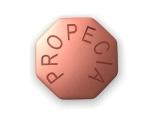
Propecia is used to treat hair loss (male pattern).Also is used to treat prostate cancer and benign prostatic hyperplasia.
Propecia contains the active ingredient Finasteride. It works by inhibiting an enzyme called 5-alpha reductase which usually converts testosterone to DHT. By stopping this conversion, it lowers the of DHT in the scalp and reverses the balding process, leading to an increased hair growth and prevention of further hair loss
90% of people that have taken Finasteride have seen either increased hair growth or prevention of further hair loss.
Buy Generic Propecia (Finasteride) without prescription in Canada
In our Canadian pharmacy, you can buy Propecia (Finasteride) without a prescription, with delivery across Canada within 5‑14 days. Discreet and anonymous packaging.
Propecia (finasteride) is a 5‑alpha reductase inhibitor that works by blocking the conversion of testosterone to dihydrotestosterone (DHT), the androgen primarily responsible for male pattern hair loss (androgenetic alopecia) at the scalp and for prostate enlargement in benign prostatic hyperplasia (BPH). At the 1 mg dose, it is used to treat male pattern baldness in men; at the 5 mg dose, marketed separately as Proscar but containing the same active ingredient, it is used to improve urinary symptoms and reduce the risk of acute urinary retention or the need for prostate surgery in men with BPH.
Usual adult dose: For the treatment of androgenetic alopecia (male pattern hair loss), the recommended dose is one 1 mg tablet taken once daily with or without food. For the treatment of BPH, the recommended dose is one 5 mg tablet taken once daily. The 5 mg dose may also be used in combination with the alpha‑blocker doxazosin to further improve symptoms. Daily use for at least three to six months is required to see an effect on hair regrowth, and sustained use is needed to maintain the benefit; discontinuation will reverse hair growth within 12 months. For BPH, six to twelve months of therapy may be needed to assess full symptomatic improvement.
Dosage form: Oral film‑coated tablets: 1 mg (tan, octagonal, debossed with “P” and “PROPECIA”) and 5 mg (blue, modified‑apple‑shaped, debossed with “MSD 72” for Proscar; generics may have different markings).
Onset of action: For hair loss, visible improvement in hair density may begin after 3 to 6 months of daily use, with maximal benefit seen after 1 to 2 years. For BPH, improvement in urinary flow and symptom scores can be seen as early as 1 to 2 weeks into therapy, with full benefit by 6 months.
Duration of action: The serum half‑life of finasteride is approximately 6 to 8 hours, but its effect on tissue DHT levels persists for days after a single dose due to slow turnover of the 5‑alpha reductase enzyme complex. Once‑daily dosing provides sustained androgen suppression.
Alcohol recommendation: Alcohol consumption does not have a known direct interaction with finasteride, but heavy or chronic alcohol use should be limited to protect overall liver health, as finasteride is metabolized by the liver.
Most common side effects: Decreased libido (1.8% for Propecia, higher for the 5 mg dose), erectile dysfunction (1.3%), and ejaculatory disorder (chiefly reduced semen volume, 1.2%). These effects may continue after stopping the drug in some men (post‑finasteride syndrome). Other common effects include breast tenderness or enlargement (gynecomastia), rash, and, for the 5 mg dose, dizziness and orthostatic hypotension when used with an alpha‑blocker. Finasteride can also lower serum prostate‑specific antigen (PSA) levels by approximately 50% after 6 to 12 months; this must be taken into account when PSA is used for prostate cancer screening.
Would you like to try Propecia (Finasteride) without a prescription?
General Information about Propecia (Finasteride)
- INN (International Nonproprietary Name): Finasteride
- Brand names available in Canada: Propecia® (1 mg tablet for androgenetic alopecia, Merck Canada Inc.) and Proscar® (5 mg tablet for BPH, Merck Canada Inc.) are the original brand‑name products. Generic finasteride tablets in 1 mg and 5 mg strengths are widely available from manufacturers including Apotex Inc., Sandoz Canada Inc., Pharmascience Inc., Teva Canada Limited, and others.
- ATC code: D11AX10 (finasteride, other dermatological preparations) for the 1 mg dose; G04CB01 (finasteride, drugs used in benign prostatic hypertrophy) for the 5 mg dose.
- Dosage forms and strengths: Oral film‑coated tablets: 1 mg (Propecia) and 5 mg (Proscar, generic).
- Manufacturers in Canada: Merck Canada Inc. (Propecia, Proscar), Apotex Inc., Sandoz Canada Inc., Pharmascience Inc., Teva Canada Limited, and other generic manufacturers.
- Registration status in Canada: Approved by Health Canada. Propecia 1 mg DIN 02239578; Proscar 5 mg DIN 00877372. Both are currently marketed.
- OTC / Rx classification: Prescription only (Rx). Finasteride is a Schedule I drug under the Controlled Drugs and Substances Act. It is not available over the counter and requires a valid prescription.
Mechanism of Action and Pharmacology
Finasteride is a synthetic 4‑azasteroid that acts as a competitive and specific inhibitor of type II 5‑alpha reductase, the intracellular enzyme that converts testosterone to the more potent androgen dihydrotestosterone (DHT). In the scalp, DHT is the key androgen responsible for the miniaturization of hair follicles in genetically susceptible men, leading to androgenic alopecia. By reducing DHT levels in the scalp and serum, finasteride interrupts this process, allowing follicles to recover and produce visible hair. In the prostate gland, DHT is the primary trophic hormone driving benign hyperplasia. By lowering prostatic DHT concentrations, finasteride reduces prostate volume, improves urinary flow, and relieves the dynamic and static components of bladder outlet obstruction. Finasteride has no affinity for the androgen receptor and does not interfere with testosterone action at the receptor level. Serum DHT levels are suppressed by approximately 65‑70% at the 1 mg dose and by over 80% at the 5 mg dose. Following oral administration, bioavailability is about 80% and is unaffected by food. Peak plasma concentrations are reached 1 to 2 hours after dosing. The drug is metabolized primarily by the cytochrome P450 3A4 enzyme system in the liver to inactive metabolites, which are excreted in the urine and faeces. The elimination half‑life is 6 to 8 hours in men 18‑60 years and somewhat longer in the elderly, but the biological effect lasts much longer due to the slow turnover of the enzyme.
Indications
- Androgenetic Alopecia (Male Pattern Hair Loss) — 1 mg (Propecia): For the treatment of mild to moderate male pattern hair loss in men aged 18 to 41 years. Propecia increases hair growth and prevents further hair loss on the vertex (crown) and anterior mid‑scalp areas. There are insufficient data to show an effect on the temporal (receding) hairline.
- Benign Prostatic Hyperplasia (BPH) — 5 mg (Proscar): For the treatment of symptomatic BPH in men with an enlarged prostate. It improves urinary symptoms, reduces the risk of acute urinary retention, and decreases the need for BPH‑related surgery. It may be used alone or in combination with the alpha‑blocker doxazosin.
- Finasteride is not indicated for use in women or children.
Important Warnings and Precautions
At‑risk groups
- Pregnancy: Finasteride is absolutely contraindicated in women who are or may become pregnant. Finasteride can cause feminization of the male external genitalia of a developing fetus. Women of childbearing potential must not handle crushed or broken tablets of finasteride, and they should avoid contact with the semen of a man taking finasteride, as small amounts of drug may be present. A pregnancy test is recommended before initiating therapy in men whose partners are of childbearing age, though systemic exposure from seminal transfer is minimal.
- Breastfeeding: Finasteride is not indicated for use in women and should not be taken by breastfeeding mothers.
- Paediatrics (< 18 years): Safety and efficacy have not been established in children. Finasteride is not recommended for use in paediatric patients.
- Elderly: No dose adjustment is required for elderly men with BPH. The 1 mg dose is not indicated for men over 41 years for hair loss. Elderly men with BPH may have a higher risk of side effects such as orthostatic hypotension when finasteride 5 mg is used with an alpha‑blocker.
- Hepatic impairment: Finasteride is metabolized extensively in the liver. Use with caution in patients with hepatic impairment, as drug accumulation may occur. Liver function tests should be monitored.
- Renal impairment: No dose adjustment is required for patients with renal impairment of any severity. Finasteride has not been studied in patients on hemodialysis.
- Prostate cancer risk: Finasteride reduces serum PSA concentration. A new baseline PSA should be established after 6 to 12 months of treatment, and PSA values should be doubled when comparing to normal ranges in untreated men. Any confirmed increase in PSA while on finasteride may signal the presence of prostate cancer, even if the PSA level is within the normal range for untreated men. Finasteride does not reduce the overall risk of prostate cancer but may increase the risk of high‑grade prostate cancer (Gleason score 8‑10). Men should be monitored with digital rectal examination and other appropriate screening methods before and during therapy.
- Breast cancer: There have been rare post‑marketing reports of male breast cancer in patients taking finasteride. Any breast changes such as lumps, pain, or nipple discharge should be evaluated promptly.
- Persistent sexual side effects: Cases of erectile dysfunction, decreased libido, and ejaculation disorders that continued after discontinuation of finasteride have been reported (post‑finasteride syndrome). Patients should be counselled about this possible risk before starting therapy.
- Mood changes: Depression and anxiety have been reported in some patients taking finasteride. Monitor for mood alterations and discontinue if clinically significant symptoms occur.
- Allergy: Do not take Propecia if you have a known hypersensitivity to finasteride or any excipient in the formulation.
Driving and alcohol
Finasteride is not known to impair the ability to drive or operate machinery. However, the 5 mg dose used for BPH, particularly when taken with an alpha‑blocker, may cause dizziness or orthostatic hypotension, which could affect the ability to drive safely. Patients should be cautious until they know how the combination affects them. Alcohol should be consumed in moderation. Although there is no direct pharmacokinetic interaction between finasteride and alcohol, chronic excessive alcohol consumption can place additional strain on the liver, which metabolizes finasteride, and may worsen urinary symptoms in men with BPH.
Dosage Instructions
- Androgenetic Alopecia (1 mg): One 1 mg tablet taken orally once daily, with or without food. The tablet should be swallowed whole with a glass of water and must not be split, crushed, or chewed. Continuous daily use is necessary to maintain hair growth; if treatment is stopped, any hair gained is lost within 12 months. Doses above 1 mg do not provide additional hair benefit.
- Benign Prostatic Hyperplasia (5 mg): One 5 mg tablet taken orally once daily, with or without food. The tablet should be swallowed whole and not split, crushed, or chewed. May be taken alone or in combination with doxazosin. Doses above 5 mg do not provide additional BPH benefit. Proscar can be taken without regard to meals.
- Missed dose: If a dose is missed, take it as soon as remembered on the same day. If it is close to the time of the next scheduled dose, skip the missed dose and resume the regular once‑daily schedule. Do not double the dose.
- Duration of therapy: Both indications require long‑term therapy. For hair loss, at least 3 to 6 months of once‑daily use is needed to see visible improvement; maximum benefit may take 1 to 2 years. For BPH, symptomatic improvement may be seen in as little as 2 weeks, but 6 to 12 months are needed to assess the full effect on prostate size and symptoms.
Side Effects and Contraindications
- Most common side effects (≥ 1% and greater than placebo): For Propecia (1 mg) — decreased libido (1.8%), erectile dysfunction (1.3%), ejaculation disorder (chiefly reduced volume of ejaculate, 1.2%). For Proscar (5 mg) — impotence (8.1% vs 3.7% placebo), decreased libido (6.4% vs 3.4%), decreased volume of ejaculate (3.7% vs 0.8%), breast enlargement (gynecomastia, 0.5%), breast tenderness (0.4%), and rash (0.5%). The incidence of sexual side effects is higher with the 5 mg dose but tends to decrease with continued treatment in most men.
- Less common but serious side effects: Persistent erectile dysfunction, loss of libido, and ejaculatory disorders after discontinuation (post‑finasteride syndrome), male breast cancer (rare), severe allergic reactions including swelling of the lips, tongue, or throat, and depression. Finasteride can lower PSA levels, which may mask the detection of prostate cancer; any confirmed PSA rise during therapy should be investigated.
- Contraindications: Pregnancy and women of childbearing potential (absolute). Known hypersensitivity to finasteride or any excipient. The 5 mg tablet is not indicated for hair loss in men, and the 1 mg tablet is not indicated for BPH.
Drug Interactions
- No clinically significant interactions: Finasteride is metabolized primarily by CYP3A4, but it does not appear to affect the cytochrome P450 enzyme system. No specific drug‑drug interactions of clinical importance have been identified. However, caution is advised when co‑administered with other drugs that may lower PSA (e.g., dutasteride) or affect androgen levels.
- Alpha‑blockers (e.g., doxazosin, tamsulosin): When finasteride 5 mg is used in combination with an alpha‑blocker for BPH, the risk of orthostatic hypotension and dizziness is increased. The alpha‑blocker dose may need adjustment.
- Alcohol and food: Alcohol should be limited, especially when used with alpha‑blockers, due to additive vasodilatory effects. Food has no significant effect on finasteride absorption.
Practical Advice
- Administration: Take the tablet at approximately the same time each day. For hair loss, the 1 mg tablet must be swallowed whole and not handled by women who are or may become pregnant. A broken or crushed tablet should not be touched. For BPH, the 5 mg tablet may be taken at any time of day, with or without food.
- Monitoring: For BPH, a digital rectal examination and PSA level should be performed before starting therapy and periodically thereafter. A new PSA baseline should be established after 6 to 12 months of treatment; values should be doubled for interpretation. For hair loss, no routine laboratory monitoring is required, but patients should report any breast changes, mood alterations, or persistent sexual dysfunction.
- Storage: Store at room temperature (15‑30 °C) in a dry place, protected from moisture and light. Keep out of reach of children.
- Lifestyle: Finasteride is most effective when combined with good hair care practices and a healthy lifestyle. It does not work for everyone; if no improvement in hair growth is seen after 12 months, further treatment is unlikely to be beneficial. For BPH, limiting fluids in the evening and avoiding caffeine and alcohol can also help reduce urinary symptoms.
- Missed dose: If you miss a dose, take it as soon as you remember on the same day. If it is almost time for your next dose, skip the missed dose and resume your regular schedule. Do not take two tablets at once.
- When to seek medical review: Contact your doctor promptly if you notice any breast lumps, pain, or nipple discharge; experience new or worsening depression; have persistent sexual side effects after stopping the medication; or have signs of a severe allergic reaction (swelling of the face, lips, or throat, difficulty breathing). If you are planning to father a child, discuss the risks and benefits with your doctor; although finasteride levels in semen are very low, some experts recommend discontinuing therapy temporarily.
- Disposal: Return unused or expired tablets to a pharmacy for safe disposal. Do not flush down the toilet or discard in household waste.
Alternative Medications
- For androgenetic alopecia: Minoxidil topical solution or foam (Rogaine®) is an over‑the‑counter alternative that works by a different mechanism (vasodilation and increased blood flow to follicles). It can be used alone or in combination with finasteride. Low‑level laser therapy (LLLT) devices are also an option. Hair transplantation surgery offers a more permanent solution for suitable candidates.
- For BPH: Other 5‑alpha reductase inhibitors include dutasteride (Avodart®), which inhibits both type I and type II isoenzymes. Alpha‑blockers such as tamsulosin (Flomax®), alfuzosin (Xatral®), and silodosin (Rapaflo®) work by relaxing smooth muscle in the prostate and bladder neck, providing more rapid symptom relief than finasteride alone. A combination of an alpha‑blocker and a 5‑alpha reductase inhibitor is often used for men with larger prostates. Phosphodiesterase‑5 inhibitors such as tadalafil 5 mg daily (Cialis®) are also approved for BPH symptoms. Minimally invasive surgical therapies and transurethral resection of the prostate (TURP) are options for men who do not respond to or tolerate medical therapy.
- Non‑pharmacological approaches: For hair loss, a healthy diet rich in protein, iron, and vitamins, gentle hair care, and stress reduction can support overall hair health. For BPH, lifestyle modifications including reducing fluid intake before bedtime, avoiding caffeine and alcohol, and timed voiding schedules can help manage symptoms.
Clinical Efficacy
Finasteride has been evaluated in large, long‑term placebo‑controlled trials for both indications. In three pivotal studies for androgenetic alopecia involving 1,879 men, finasteride 1 mg daily produced a clinically meaningful increase in hair count and improved global photographic assessments of hair growth as early as 3 months, with sustained benefit over 2 years. After 2 years, approximately 66% of men treated with finasteride had visible hair growth compared with 7% of placebo‑treated men. Hair count in the vertex area increased by a mean of 107 hairs in a 1‑inch circle over baseline, whereas placebo‑treated men lost a mean of 6 hairs. For BPH, three large 2‑ to 4‑year trials involving over 4,000 men demonstrated that finasteride 5 mg daily reduced prostate volume by approximately 20‑30%, increased peak urinary flow rate by 1.3‑1.6 mL/s, and improved symptom scores by 2‑3 points on the American Urological Association symptom index. Finasteride also reduced the risk of acute urinary retention by 57% and the need for BPH‑related surgery by 55% over 4 years. The benefits are most pronounced in men with larger prostates (≥ 40 mL). The combination of finasteride and doxazosin in the MTOPS trial provided greater symptom relief and reduced the risk of clinical progression of BPH by 66% compared with placebo, significantly better than either drug alone.
Important:
Propecia (finasteride) is a prescription medication that should be used only under the supervision of a qualified healthcare professional. Finasteride is absolutely contraindicated in women who are or may become pregnant because of the risk of feminization of the male fetal external genitalia. Women must not handle crushed or broken tablets. This medication can lower serum PSA levels, which must be taken into account when screening for prostate cancer. Persistent sexual side effects have been reported after discontinuation of finasteride, including loss of libido, erectile dysfunction, and ejaculation disorders. Patients should be counselled about this risk before starting therapy. Rare cases of male breast cancer have been reported; report any breast changes promptly. If you are scheduled for a PSA test, inform your doctor that you are taking finasteride. Do not stop this medication abruptly; any benefit obtained will be lost over time. This information is not a substitute for professional medical advice, diagnosis, or treatment.
 5 stars out of 5
 4 stars out of 5
5 stars out of 5
5 stars out of 5
5 stars out of 5
5 stars out of 5
5 stars out of 5
5 stars out of 5
5 stars out of 5
5 stars out of 5
4 stars out of 5
5 stars out of 5
5 stars out of 5
4 stars out of 5
5 stars out of 5
4 stars out of 5
5 stars out of 5
5 stars out of 5
5 stars out of 5
5 stars out of 5
5 stars out of 5
5 stars out of 5
5 stars out of 5
5 stars out of 5
5 stars out of 5
5 stars out of 5
5 stars out of 5
5 stars out of 5
4 stars out of 5
4 stars out of 5
5 stars out of 5
5 stars out of 5
5 stars out of 5
5 stars out of 5
5 stars out of 5
5 stars out of 5
5 stars out of 5
4 stars out of 5
5 stars out of 5
4 stars out of 5
5 stars out of 5
5 stars out of 5
4 stars out of 5
5 stars out of 5
5 stars out of 5
5 stars out of 5
5 stars out of 5
5 stars out of 5
5 stars out of 5
4 stars out of 5
5 stars out of 5
5 stars out of 5
4 stars out of 5
5 stars out of 5
5 stars out of 5
4 stars out of 5
4 stars out of 5
5 stars out of 5
5 stars out of 5
4 stars out of 5
4 stars out of 5
5 stars out of 5
5 stars out of 5
5 stars out of 5
5 stars out of 5
5 stars out of 5
5 stars out of 5
5 stars out of 5
5 stars out of 5
4 stars out of 5
5 stars out of 5
5 stars out of 5
4 stars out of 5
5 stars out of 5
4 stars out of 5
5 stars out of 5
5 stars out of 5
5 stars out of 5
5 stars out of 5
5 stars out of 5
5 stars out of 5
5 stars out of 5
5 stars out of 5
5 stars out of 5
5 stars out of 5
5 stars out of 5
5 stars out of 5
4 stars out of 5
4 stars out of 5
5 stars out of 5
5 stars out of 5
5 stars out of 5
5 stars out of 5
5 stars out of 5
5 stars out of 5
5 stars out of 5
4 stars out of 5
5 stars out of 5
4 stars out of 5
5 stars out of 5
5 stars out of 5
4 stars out of 5
5 stars out of 5
5 stars out of 5
5 stars out of 5
5 stars out of 5
5 stars out of 5
5 stars out of 5
4 stars out of 5
5 stars out of 5
5 stars out of 5
4 stars out of 5
5 stars out of 5
5 stars out of 5
4 stars out of 5
4 stars out of 5
5 stars out of 5
5 stars out of 5
4 stars out of 5


| Shipping method | Delivery time | Price | |
 Delivery Delivery |
14-21 days | 14.95$ | Tracking# available in 4 days |
 Delivery Delivery |
9-14 days | 30$ | Tracking# available in 2 days |
- Shipping worldwide
- Confidentiality and anonymity guarantee
- Safe and secure
- Discrete looking packages
- Dispatch orders within 24 hours
- 100% success delivery


