


 Secure and Reliable
  High quality
  Worldwide shipping
  Bonuses and Discounts
  Money back Guarantee
 - Bestsellers
- Alcoholism
- COVID-19
- Allergy
- Anti Fungal
- Alzheimers
- Anti Viral
- Anti-Depressants
- Anti-Inflammatory
- Antibacterial
- Antiparasitic
- Antibiotics
- Arthritis
- Asthma
- Birth Control
- Blood Pressure
- Cancer
- Cardiovascular
- Cholesterol
- Diabetes
- Diuretics
- Erectile Dysfunction
- Eye Drop
- Gastro Health
- General Health
- Hair Loss
- Hepatitis C Virus (HCV)
- HIV
- Hormones
- Men's ED Packs
- Men's Health
- Mental Illness
- Motion Sickness
- Muscle Relaxant
- Pain Relief
- Parkinson’s Disease
- Veterinary Medicines
- Quit Smoking
- Vitamins
- Skin Care
- Sleeping Aids
- Weight Loss
- Women's Health
Generic Reminyl ( Galantamine )
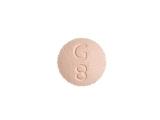
Reminyl (galantamine hydrobromide) is a cholinergic agent indicated for the symptomatic treatment of mild to moderate dementia of the Alzheimer's type. It functions as a selective, reversible, and competitive inhibitor of acetylcholinesterase, the enzyme responsible for the breakdown of acetylcholine in the synaptic cleft. In addition, galantamine enhances the intrinsic action of acetylcholine on nicotinic receptors through allosteric modulation, a dual mechanism of action that is thought to augment cholinergic neurotransmission in the cerebral cortex and hippocampus, thereby improving cognitive function, global functioning, and activities of daily living in affected patients.
Usual adult dose: The recommended starting dose is 4 mg twice daily (8 mg per day), taken with morning and evening meals to minimize gastrointestinal side effects. After a minimum of 4 weeks of treatment, the dose may be increased to the maintenance dose of 8 mg twice daily (16 mg per day), provided the starting dose is well tolerated. Following an additional minimum of 4 weeks at 8 mg twice daily, a further dose escalation to 12 mg twice daily (24 mg per day) may be considered for patients who demonstrate inadequate clinical response and tolerate the lower doses. The maximum recommended dose is 12 mg twice daily (24 mg per day). Dose increases should be based on clinical assessment of tolerability and response. For patients with moderate hepatic or renal impairment, dose adjustments may be required. Treatment should be periodically reassessed, and discontinuation should be considered when evidence of a therapeutic effect is no longer present.
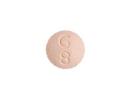
Dosage form: Film-coated tablets: 4 mg (off-white, circular, biconvex) and 8 mg (pink, circular, biconvex). An oral solution (4 mg/mL) is also available for patients who have difficulty swallowing or require flexible dose titration. The scored tablets allow for dose adjustments where necessary.
Onset of action: Galantamine is rapidly absorbed after oral administration, with peak plasma concentrations occurring approximately 1 hour after dosing. While acetylcholinesterase inhibition begins shortly after administration, measurable clinical improvement in cognitive function and global status is typically observed within 4 to 12 weeks of initiating therapy at the target maintenance dose. Therapeutic benefits are gradual and require consistent long-term treatment.
Duration of action: The elimination half-life of galantamine is approximately 7 to 8 hours, supporting twice-daily administration with maintenance of acetylcholinesterase inhibition over a 24-hour period when taken morning and evening. Steady-state plasma concentrations are achieved within 3 to 7 days of repeat dosing.
Alcohol recommendation: Alcohol consumption should be avoided or minimized during treatment with Reminyl. Alcohol may exacerbate the gastrointestinal side effects of galantamine, including nausea, vomiting, and diarrhea, and may potentiate central nervous system depressant effects such as sedation and dizziness. Concurrent use of alcohol and galantamine may also impair cognitive function, which is particularly concerning in patients being treated for dementia. Patients and caregivers should be advised to limit alcohol intake accordingly.
Most common side effects: Nausea, vomiting, diarrhea, anorexia, dizziness, headache, and weight loss. Gastrointestinal adverse effects are the most frequently reported, occurring predominantly during the dose-escalation phase and generally diminishing with continued treatment. Taking galantamine with meals significantly reduces the incidence and severity of gastrointestinal intolerance. Cholinergically mediated side effects such as bradycardia and syncope have been reported and require caution in patients with underlying cardiac conduction disorders. Serious skin reactions, including Stevens-Johnson syndrome, have been reported rarely.
Would you like to learn more about Reminyl (Galantamine) for the treatment of Alzheimer's dementia?
Buy Generic Reminyl (Galantamine) without prescription in Canada
At our pharmacy, you can buy Reminyl without a prescription, with discreet and anonymous packaging delivered within 5-14 days across Canada.
What is Reminyl?
Reminyl is a medication used for mild to moderate Alzheimer's disease. The active ingredient is galantamine, a cholinesterase inhibitor that works by increasing the availability of acetylcholine in the brain. Alzheimer's involves a progressive loss of cholinergic neurons, the cells that produce and release acetylcholine, which is critical for memory, learning, and attention. Galantamine doesn't stop the neurodegeneration. What it does is boost the function of whatever cholinergic neurons are still alive by preventing the breakdown of the acetylcholine they release. It also modulates nicotinic receptors, which is what sets it apart from other drugs in its class.
The effect is modest. Galantamine doesn't reverse Alzheimer's or halt its progression. It slows the rate of cognitive decline for a period of time, typically 6 to 12 months, sometimes longer. For a family watching a loved one deteriorate, that extra time with preserved function matters. Patients may retain the ability to recognize family, manage basic self-care, and communicate needs for longer than they would without treatment.
The onset is not immediate. Cognitive improvement, or more accurately cognitive stabilization, becomes measurable after several weeks to months of treatment. The dose is titrated up gradually to minimize side effects. Reminyl comes in 4 mg and 8 mg tablets, with a target maintenance dose of 16 to 24 mg per day in divided doses. It's also available as an extended-release capsule (Reminyl ER) dosed once daily.
Mechanism and Pharmacology
Galantamine is a tertiary alkaloid originally derived from snowdrop and daffodil bulbs. It's now produced synthetically. It has a dual mechanism of action: competitive and reversible inhibition of acetylcholinesterase, plus allosteric modulation of nicotinic acetylcholine receptors.
The acetylcholinesterase inhibition is straightforward. Acetylcholine is released into the synaptic cleft, binds to postsynaptic receptors, and then gets broken down by acetylcholinesterase. Galantamine blocks that enzyme, so acetylcholine hangs around longer and has more opportunity to stimulate the surviving neurons. This is the same mechanism as donepezil and rivastigmine, and it's the main driver of symptomatic benefit.
The nicotinic receptor modulation is unique to galantamine. It binds to an allosteric site on presynaptic nicotinic receptors and enhances the effect of acetylcholine when it binds to the orthosteric site. This increases the release of acetylcholine and other neurotransmitters from presynaptic terminals. The theory is that this adds an additional procognitive effect beyond simple enzyme inhibition. Whether that translates into clinically meaningful superiority over other cholinesterase inhibitors is debatable. The head-to-head trials don't show large differences, but some patients respond better to one drug than another for reasons that aren't fully understood.
Galantamine is well absorbed orally, with bioavailability around 90 percent. It reaches peak plasma concentration in about 1 hour for the immediate-release form and 4 to 5 hours for the extended-release. Food slows absorption but doesn't reduce total bioavailability. The half-life is roughly 7 to 8 hours. It's metabolized by CYP2D6 and CYP3A4 and excreted renally. The metabolites are inactive. Renal impairment reduces clearance and requires dose adjustment. Hepatic impairment also affects clearance but less predictably.
How to Use Reminyl
Dosing starts low and increases stepwise. The standard titration schedule is:
- Week 1 to 4: 4 mg twice daily (8 mg total per day) for immediate-release tablets, or 8 mg once daily for extended-release capsules.
- Week 5 to 8: 8 mg twice daily (16 mg total per day) for immediate-release, or 16 mg once daily for extended-release.
- Week 9 onward: 12 mg twice daily (24 mg total per day) for immediate-release, or 24 mg once daily for extended-release, if tolerated.
The maintenance dose is typically 16 to 24 mg per day. Some patients do well on 16 mg and don't need to go higher. The 24 mg dose provides additional benefit but also more side effects. The goal is the highest dose the patient can tolerate comfortably.
Take the medication with food. Galantamine causes nausea in a significant proportion of patients, and taking it with a meal or at least a substantial snack reduces that substantially. Adequate hydration also helps. If a dose is missed, skip it and take the next one at the scheduled time. Don't double up.
If treatment is interrupted for more than a few days, the titration has to start over from the beginning. Restarting at a high dose after a gap causes severe nausea and vomiting. The body needs time to re-adapt to the cholinergic stimulation.
Side Effects of Reminyl
Side effects are primarily cholinergic. Acetylcholine isn't just a brain chemical. It's active throughout the body: in the gut, the heart, the bladder, the sweat glands. Increasing acetylcholine everywhere, not just in the brain, produces predictable peripheral effects.
Nausea and vomiting are the most common reasons for stopping treatment. They affect roughly 20 to 30 percent of patients, more at the 24 mg dose than at 16 mg. Taking the drug with food and titrating slowly reduce the risk, but some people can't tolerate it at any dose. Diarrhea, abdominal pain, and loss of appetite are also common. Weight loss can become clinically significant in elderly patients who are already nutritionally borderline.
Dizziness, headache, and fatigue are CNS effects that tend to improve over time. Bradycardia, a slow heart rate, occurs because acetylcholine stimulates the vagus nerve. In most people the drop in heart rate is mild and asymptomatic. But in patients with sick sinus syndrome, heart block, or those taking beta-blockers, the bradycardia can become problematic. Syncope has been reported. An ECG before starting is reasonable in elderly patients, especially if there's a history of cardiac conduction problems.
Insomnia and vivid dreams occur in some patients. Taking the evening dose earlier, or switching to the once-daily extended-release form taken in the morning, often helps.
Urinary incontinence and increased urination happen because acetylcholine stimulates bladder contractions. This is more of a problem in men with prostate enlargement and in patients with pre-existing urinary issues.
High-Risk Groups (Elderly, Pregnancy)
Alzheimer's disease is overwhelmingly a condition of older age, so almost all patients taking Reminyl are elderly. Age itself doesn't require dose adjustment, but renal function declines with age and galantamine clearance depends on the kidneys. A creatinine clearance below 50 mL per minute calls for a lower maximum dose, usually not exceeding 16 mg per day. Below 9 mL per minute, galantamine is contraindicated.
Cardiac conduction disorders are more common in the elderly. Galantamine's vagotonic effect can worsen bradycardia and heart block. A history of unexplained syncope or a baseline heart rate below 50 beats per minute should prompt a cardiac workup before starting. The drug can also exacerbate symptoms in patients with supraventricular conduction abnormalities.
Peptic ulcer disease is a relative contraindication. Increased cholinergic tone stimulates gastric acid secretion. If a patient has a history of ulcers or is taking NSAIDs, the risk of GI bleeding theoretically increases. The evidence for actual harm is limited, but the precaution is standard.
Asthma and COPD. Cholinergic stimulation causes bronchoconstriction and increased bronchial secretions. Galantamine should be used cautiously in patients with obstructive pulmonary disease. Worsening of respiratory symptoms has been reported.
Pregnancy. Galantamine is not indicated in pregnancy. Alzheimer's affects older adults almost exclusively, so pregnancy exposure is rare. Animal data are insufficient to assess risk. It's classified as pregnancy category B in some jurisdictions, but that reflects lack of evidence rather than demonstrated safety.
Breastfeeding. There's no human data on galantamine in breast milk. It's a small molecule that would likely be excreted into milk. Breastfeeding while on galantamine is not recommended unless the clinical need is exceptional.
Severe hepatic impairment (Child-Pugh score 7 to 9) requires dose reduction. The maximum is 16 mg per day. In severe impairment (Child-Pugh score 10 or higher), galantamine is not recommended.
Interaction With Activities (Driving, Alcohol)
Alzheimer's disease itself impairs the ability to drive safely. Most patients diagnosed with Alzheimer's are advised to stop driving at some point, regardless of medication. Galantamine adds another layer: it can cause dizziness, fatigue, and blurred vision. The combination of cognitive impairment and drug side effects makes driving inadvisable for most patients on Reminyl. This isn't a subtle judgment call. By the time someone is prescribed galantamine, their cognitive function has already declined measurably, and reaction time, judgment, and spatial awareness are affected.
Alcohol is best avoided. It worsens the GI side effects, particularly nausea and vomiting. It adds to the dizziness and sedation. Chronic heavy drinking also impairs cognition independently of Alzheimer's, which confounds any assessment of whether the drug is working. An occasional small amount of alcohol with food may be tolerated by some patients, but the default recommendation is to avoid it.
Drug Interactions
Galantamine has fewer drug interactions than many centrally acting drugs, but there are some important ones.
Other cholinergic drugs, including donepezil, rivastigmine, and bethanechol, have additive effects. Combining two cholinesterase inhibitors is not recommended. The side effect burden increases without evidence of additional cognitive benefit.
Anticholinergic drugs oppose the effect of galantamine. This includes a long list of medications commonly used in the elderly: oxybutynin and tolterodine for bladder control, diphenhydramine and other sedating antihistamines, tricyclic antidepressants like amitriptyline, and antispasmodics like dicyclomine. Antipsychotics with strong anticholinergic properties, particularly clozapine and olanzapine, also work against galantamine. Taking these together is like pressing the accelerator and the brake at the same time. The anticholinergic burden should be minimized in any patient on a cholinesterase inhibitor.
CYP2D6 inhibitors (paroxetine, fluoxetine, bupropion, quinidine) can increase galantamine blood levels by about 30 to 40 percent. The clinical significance is modest. Galantamine has a wide enough therapeutic window that most patients tolerate this increase without dose adjustment. But if side effects emerge after starting one of these drugs, it's worth considering the interaction.
CYP3A4 inhibitors (ketoconazole, erythromycin) can also increase galantamine levels, though the effect is less pronounced than CYP2D6 inhibition.
Beta-blockers and other negative chronotropes (digoxin, verapamil, diltiazem, amiodarone) can have additive bradycardic effects with galantamine. The heart rate should be monitored, especially in patients on multiple rate-slowing medications.
NSAIDs. The combination of galantamine's effect on gastric acid secretion and NSAID-induced gastric irritation theoretically increases ulcer risk. In practice, many patients take both without problems, but GI symptoms should be taken seriously.
Alternative Options
Galantamine is one of three cholinesterase inhibitors approved for Alzheimer's in Canada. Here's how they compare:
Donepezil (Aricept) is the most prescribed. It's dosed once daily at bedtime, starting at 5 mg and increasing to 10 mg. The main advantage is simplicity: once-daily dosing without the GI side effects being quite as prominent as galantamine. Donepezil is approved for mild, moderate, and severe Alzheimer's, which gives it broader labeling than galantamine. The disadvantage is that some patients experience vivid dreams and insomnia with bedtime dosing. Morning dosing is an alternative but less studied.
Rivastigmine (Exelon) is available as a capsule and a transdermal patch. The patch is the key differentiator. It bypasses the GI tract, which means much less nausea and vomiting. The patch is applied once daily to the skin and delivers a steady dose over 24 hours. For patients who can't tolerate oral cholinesterase inhibitors, the rivastigmine patch is often the solution. The downside is skin irritation at the application site and a higher cost compared to generic oral options.
Memantine (Ebixa) is not a cholinesterase inhibitor. It's an NMDA receptor antagonist that works on the glutamatergic system. It's approved for moderate to severe Alzheimer's and can be combined with a cholinesterase inhibitor like galantamine. The combination of memantine and a cholinesterase inhibitor is standard practice as the disease progresses. Memantine is generally well tolerated, with dizziness and headache being the most common side effects.
Donepezil plus memantine is available as a fixed-dose combination (Namzaric) in some countries, though not widely in Canada. The combination is supported by evidence and is commonly prescribed as two separate pills.
Non-pharmacological interventions remain foundational. Cognitive stimulation, physical exercise, social engagement, and caregiver support all have evidence for slowing functional decline and improving quality of life. Galantamine is an adjunct to these, not a replacement.
INN, Brand Names, and Classification in Canada
INN (International Nonproprietary Name): Galantamine hydrobromide
Available brand names in Canada: Reminyl, Reminyl ER (extended-release), and generic galantamine
ATC code: N06DA04
Forms and strengths: Immediate-release tablets 4 mg, 8 mg; Extended-release capsules 8 mg, 16 mg, 24 mg
Manufacturers: Janssen Inc. (Reminyl), Teva Canada Limited, Apotex Inc., and diverse generic manufacturers
Registration status in Canada: Registered
Classification: Prescription (Rx)
Making the Decision to Start Reminyl
Starting galantamine is a decision that involves the patient, the family, and the physician. The benefit is real but limited. Trials show a difference of about 2 to 3 points on cognitive scales like the ADAS-Cog over 6 months compared to placebo. That's enough to be statistically significant and clinically noticeable to caregivers, but it's not a reversal of the disease. Some patients show no measurable benefit. A few show more pronounced improvement. The challenge is that there's no way to predict who will respond.
The practical approach is a trial of therapy. Start at the lowest dose, titrate as tolerated, and assess after 3 to 6 months at the target dose. If there's been clear deterioration despite treatment, the drug isn't working and can be stopped. If the rate of decline appears to have slowed, or if function has stabilized, treatment continues. Reassessment happens periodically. When Alzheimer's advances to the severe stage and the patient can no longer communicate or interact meaningfully, the benefit of continuing cholinesterase inhibitors becomes questionable. Stopping treatment at that point is reasonable.
Generic galantamine is available in Canada and costs significantly less than brand-name Reminyl. The immediate-release tablets are taken twice daily. The extended-release capsules are taken once daily and are preferable for patients who struggle with medication schedules or have caregivers who visit once a day.
Reminyl is legally classified as prescription-only in Canada. However, through our pharmacy, you can purchase Reminyl without a prescription and receive it in discreet packaging anywhere across the country.
Frequently Asked Questions
Does Reminyl cure Alzheimer's disease?
No. Nothing currently available cures Alzheimer's. Galantamine slows the rate of cognitive decline for a period of time, usually 6 to 12 months, sometimes longer. It helps preserve function but does not reverse the underlying neurodegeneration.
How long does it take to see an effect?
Some patients show subtle improvement or stabilization within the first month of reaching the target dose. Others take 2 to 3 months. The effect is measured by a slowed rate of decline, not a dramatic return of lost abilities. The best way to assess whether it's working is to track function over time: daily activities, communication, recognition of family members.
What happens if I stop taking Reminyl?
Cognitive function will decline. The benefit of the drug is only present while it's being taken. If it's stopped abruptly, there's typically a noticeable drop over the following weeks. If stopping is necessary because of side effects or progression to severe dementia, the dose doesn't need to be tapered for safety reasons, but the loss of effect will be apparent.
Can Reminyl be used for other types of dementia?
It's approved for Alzheimer's dementia and has some evidence in dementia with Lewy bodies and vascular dementia, but the data are weaker. It's sometimes used off-label in these conditions when the physician judges that cholinergic deficits are contributing. Parkinson's disease dementia is usually treated with rivastigmine, which has better evidence in that population.
Why does Reminyl cause nausea?
Acetylcholine stimulates the gut as well as the brain. Galantamine increases acetylcholine throughout the body, which accelerates intestinal motility and can trigger the vomiting center. Taking the medication with food, titrating slowly, and using the extended-release formulation all reduce the risk.
Is the extended-release version better?
For most patients, yes. Once-daily dosing improves adherence, and the slower release produces less peak-related nausea. The efficacy is equivalent to the immediate-release form taken twice daily. If cost is a factor, generic immediate-release tablets are less expensive.
Delivery Information Across Canada
We ship Reminyl and generic galantamine to all provinces and territories. Delivery times vary depending on how remote your location is:
- Ontario (Toronto, Ottawa, Mississauga): 5 to 7 days
- Quebec (Montreal, Quebec City, Laval): 5 to 7 days
- British Columbia (Vancouver, Victoria, Burnaby): 5 to 9 days
- Alberta (Calgary, Edmonton, Red Deer): 5 to 9 days
- Manitoba (Winnipeg, Brandon): 5 to 9 days
- Saskatchewan (Saskatoon, Regina): 5 to 9 days
- Nova Scotia (Halifax, Sydney): 5 to 9 days
- New Brunswick (Moncton, Fredericton): 5 to 9 days
- Newfoundland and Labrador (St. John's, Corner Brook): 7 to 14 days
- Prince Edward Island (Charlottetown): 7 to 14 days
- Yukon, Northwest Territories, Nunavut: 7 to 14 days
All shipments are packed discreetly with no branding or indication of contents on the outside.


| Shipping method | Delivery time | Price | |
 Delivery Delivery |
14-21 days | 14.95$ | Tracking# available in 4 days |
 Delivery Delivery |
9-14 days | 30$ | Tracking# available in 2 days |
- Shipping worldwide
- Confidentiality and anonymity guarantee
- Safe and secure
- Discrete looking packages
- Dispatch orders within 24 hours
- 100% success delivery


