


 Secure and Reliable
  High quality
  Worldwide shipping
  Bonuses and Discounts
  Money back Guarantee
 - Bestsellers
- Alcoholism
- COVID-19
- Allergy
- Anti Fungal
- Alzheimers
- Anti Viral
- Anti-Depressants
- Anti-Inflammatory
- Antibacterial
- Antiparasitic
- Antibiotics
- Arthritis
- Asthma
- Birth Control
- Blood Pressure
- Cancer
- Cardiovascular
- Cholesterol
- Diabetes
- Diuretics
- Erectile Dysfunction
- Eye Drop
- Gastro Health
- General Health
- Hair Loss
- Hepatitis C Virus (HCV)
- HIV
- Hormones
- Men's ED Packs
- Men's Health
- Mental Illness
- Motion Sickness
- Muscle Relaxant
- Pain Relief
- Parkinson’s Disease
- Veterinary Medicines
- Quit Smoking
- Vitamins
- Skin Care
- Sleeping Aids
- Weight Loss
- Women's Health
Renova ( Isotretinoin )
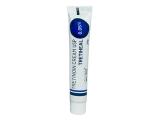
Renova contains isotretinoin, a powerful medication used to treat severe, treatment-resistant acne. It works by reducing oil production and inflammation in the skin. Renova cream, a tretinoin-containing formula, is also prescribed to improve skin texture, reduce wrinkles, and even out skin tone by promoting enhanced skin cell growth. Due to the risk of serious side effects, particularly during pregnancy, its use requires strict medical supervision. Consistent dosing, sun avoidance, and adherence to a doctor-recommended skincare regimen are essential for safe and effective treatment.
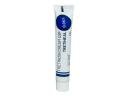
Buy Renova (Isotretinoin) without prescription in Canada
In our Canadian pharmacy, you can buy Renova (Tretinoin) without a prescription, with delivery across Canada within 5‑14 days. Discreet and anonymous packaging.
Renova (tretinoin emollient cream) is a prescription topical retinoid used to reduce the appearance of fine facial wrinkles, mottled hyperpigmentation (dark spots), and roughness associated with photodamaged (sun‑damaged) and naturally aged skin. It is a vitamin A derivative that works by stimulating collagen production, increasing epidermal thickness, reducing melanin content, and accelerating skin cell turnover. Renova must be used as part of a comprehensive skin care program that includes daily sun protection.
Usual adult dose: Apply a small amount (about the size of a pea) to the entire face once daily in the evening. Before applying, wash the face with a mild cleanser, pat dry, and wait 20 to 30 minutes to ensure the skin is completely dry. Avoid applying near the eyes, mouth, angles of the nose, and mucous membranes. Treatment with the lowest effective strength (0.025%) is often initiated, with gradual upward titration to 0.05% or 0.1% as tolerated.
Dosage form: Emollient cream in strengths of 0.025%, 0.05%, and 0.1%.
Onset of action: Visible improvement in fine wrinkling, skin texture, and hyperpigmentation typically appears after 2 to 4 weeks of daily use, with maximum benefit observed after 6 to 12 months of continuous therapy. An initial exacerbation of redness, peeling, and irritation may occur during the first few weeks.
Duration of action: The effects are maintained only with continued use. Discontinuation will result in gradual loss of improvement and a return of visible signs of photoaging over several months.
Alcohol recommendation: No clinically significant interaction exists between topically applied tretinoin and ingested alcohol. However, heavy alcohol consumption is known to dehydrate the skin and deplete antioxidant nutrients, potentially working against the collagen‑restoring benefits of the medication. Moderation is advised.
Most common side effects: Local skin reactions including redness, peeling, dryness, stinging, burning, itching, and a temporary worsening of the skin condition during the first few weeks of use (sometimes called the “retinoid reaction”). These effects are typically mild to moderate, are more pronounced at higher strengths, and often diminish with continued use or dose adjustment. Patients are advised to use a moisturizer and a daily broad‑spectrum sunscreen (SPF 30 or higher).
Would you like to try Renova (Tretinoin) without a prescription?
General Information about Renova (Tretinoin)
- INN (International Nonproprietary Name): Tretinoin (all‑trans retinoic acid). Note: The user specified “Isotretinoin,” but Renova contains tretinoin, a related but distinct retinoid. Isotretinoin is an oral medication (e.g., Accutane) for severe acne; Renova is a topical tretinoin cream for photoaged skin.
- Brand names available in Canada: Renova® (Valeant Canada LP; the 0.05% brand was cancelled post‑market in 2014, as documented in the Health Canada Drug Product Database)[reference:0]. Tretinoin creams remain available in Canada under other brand names (e.g., Retin‑A® for acne, Refissa®) and as generic tretinoin creams (0.025%, 0.05%, 0.1%). This product is available to our pharmacy via the international supply chain for personal importation.
- ATC code: D10AD01 (tretinoin, topical)
- Dosage forms and strengths: Emollient cream: 0.025%, 0.05%, 0.1%. Renova 0.05% was the strength registered in Canada under DIN 02052407[reference:1]. Generic tretinoin creams in the same strengths are also widely available internationally.
- Manufacturers in Canada: Valeant Canada LP (Renova, historically). Generic tretinoin creams are manufactured for the Canadian market by Sun Pharma Canada, Bausch Health Canada, and other generic companies[reference:2][reference:3].
- Registration status in Canada: Approved by Health Canada. The specific Renova 0.05% brand was cancelled post‑market (2014‑07‑30); generic tretinoin creams are currently marketed for acne indications. Tretinoin cream for anti‑aging (photoaging) is available off‑label and through international pharmaceutical channels[reference:4].
- OTC / Rx classification: Prescription only (Rx). Schedule I drug under the Controlled Drugs and Substances Act. A valid prescription from a licensed Canadian healthcare professional is required.
Mechanism of Action and Pharmacology
The exact mechanism by which tretinoin improves photodamaged skin is not fully understood. However, clinical and histological studies have shown that tretinoin stimulates collagen synthesis, increases epidermal and granular layer thickness, reduces melanin content, and alters stratum corneum compaction[reference:5]. Tretinoin binds to retinoic acid receptors (RARs) and retinoid X receptors (RXRs) in the nucleus of keratinocytes and fibroblasts, thereby regulating gene expression involved in cellular proliferation, differentiation, and matrix protein production. The result is a gradual remodeling of the dermal matrix and normalization of melanocyte function, which reduces fine lines, evens skin tone, and improves skin texture.
Tretinoin is a yellow to light‑orange crystalline powder. After topical application, absorption of tretinoin into the systemic circulation is minimal (less than 2% of the applied dose is recoverable in plasma). The small amount absorbed is metabolized in the liver by cytochrome P450 enzymes (primarily CYP26) and excreted in bile and urine. Tretinoin is photolabile and must be protected from light; it is applied in the evening to avoid degradation by sunlight.
Indications
- Treatment of fine facial wrinkling, mottled hyperpigmentation (dark spots), and roughness of the skin associated with photodamage (sun‑damaged skin) and intrinsic aging[reference:6].
- Renova is used as part of a comprehensive skin care and sunlight avoidance program, including the use of effective sunscreens, protective clothing, and moisturizers.
- Off‑label, tretinoin cream is also widely used for the treatment of acne vulgaris and certain forms of hyperpigmentation such as melasma.
- The safety and efficacy of Renova for the prevention or treatment of actinic keratoses (pre‑cancerous skin lesions) have not been established[reference:7].
- Not recommended for use in children; safety and efficacy in paediatric patients have not been established.
Important Warnings and Precautions
At‑risk groups
- Pregnancy: Topical tretinoin should be used during pregnancy only if the potential benefit clearly outweighs the potential risk. There have been a few reports of birth defects among babies born to women exposed to topical tretinoin during pregnancy, although a retrospective cohort study found no excess birth defects compared with unexposed women[reference:8]. Women of childbearing potential should be counselled about contraception before using Renova. It is recommended that topical tretinoin not be used during pregnancy.
- Breastfeeding: It is not known whether topically applied tretinoin is excreted in human breast milk. Because many drugs are excreted in breast milk, caution should be exercised when Renova is administered to a nursing mother.
- Paediatrics: Safety and efficacy have not been established in children. Renova is not recommended for paediatric use.
- Elderly: No specific dose adjustment is required based on age alone. Elderly patients with thin or fragile skin may be more sensitive to the irritant effects of tretinoin and may benefit from starting at a lower concentration (0.025%) and titrating slowly.
- Eczematous skin: Tretinoin can cause severe irritation on eczematous, sunburned, or otherwise inflamed skin. It should be used with utmost caution, if at all, in patients with active eczema[reference:9].
- Photosensitivity: Tretinoin increases the skin’s sensitivity to ultraviolet (UV) light. Patients must avoid unnecessary or prolonged sun exposure, including tanning beds and sunlamps, and must use a broad‑spectrum sunscreen (SPF 30 or higher) and wear protective clothing daily. Patients with sunburn should not use Renova until the burn has fully healed.
- Topical sensitization: Concomitant use of other potentially irritating topical products (e.g., abrasive soaps, astringents, peeling agents, products containing benzoyl peroxide, alpha‑hydroxy acids, or high concentrations of alcohol) should be avoided or minimized.
- Skin cancer: Patients with a personal or family history of skin cancer should be under close medical supervision while using Renova. Tretinoin does not treat or prevent skin cancers.
- Allergy: Do not use Renova if you have a known hypersensitivity to tretinoin or any component of the cream formulation[reference:10].
Driving and alcohol
Renova is applied topically to the skin and is not expected to impair the ability to drive or operate machinery. There is no known interaction between topically applied tretinoin and ingested alcohol. However, chronic excessive alcohol intake is dehydrating to the skin and can diminish the overall benefits of a photoaging treatment program. Patients should maintain adequate hydration and follow their prescribed skin care regimen.
Dosage Instructions
- Standard adult regimen: Apply once daily in the evening. Wash the face with a mild, non‑drying cleanser and pat dry with a soft towel. Wait 20 to 30 minutes after washing to ensure the skin is completely dry before applying Renova. Squeeze a pea‑sized amount onto a fingertip and dot onto the forehead, cheeks, chin, and nose, then gently spread evenly over the entire face, avoiding the eyes, nostrils, mouth, and angles of the nose.
- Strength selection: Treatment often begins with the lowest strength (0.025%) to assess tolerance. If irritation is minimal after several weeks, the patient may be graduated to 0.05% and subsequently to 0.1% for enhanced efficacy. Patients with sensitive skin or a history of retinoid intolerance should start at the lowest strength.
- Frequency titration: Patients who experience significant irritation may be advised to use Renova every other night or every third night initially, gradually increasing to nightly use as tolerated. A moisturizer applied in the morning (or after Renova has been absorbed) can help mitigate dryness.
- Duration of therapy: Renova is intended for long‑term maintenance therapy. Improvement is typically seen after 2 to 4 weeks; maximal improvement requires 6 to 12 months of continuous use. Once the desired effect is achieved, maintenance application can be continued at a frequency and strength determined by the prescribing physician.
- Missed dose: If an evening application is missed, skip the missed dose and resume the regular schedule the following night. Do not apply a double dose to make up for a missed one.
- Discontinuation: Upon stopping Renova, the skin gradually returns to its pre‑treatment state over several months. There is no withdrawal syndrome associated with discontinuation of topical tretinoin.
Side Effects and Contraindications
- Very common side effects (≥ 10%): Local skin reactions—including erythema (redness), peeling, dryness, pruritus (itching), burning, and stinging—occur in most patients, particularly during the first 2 to 4 weeks of therapy. These effects are part of the expected “retinoid reaction” and typically diminish with continued use and with the use of moisturizers.
- Common side effects (1‑10%): Increased sensitivity to sunlight (photosensitivity), temporary hyperpigmentation or hypopigmentation, and mild oedema of the skin.
- Less common side effects: Blistering, crusting, scaling, or a sensation of skin tightness. If severe local irritation occurs, patients should reduce the frequency of application, temporarily discontinue use, or stop treatment altogether[reference:11].
- Rare side effects: Allergic contact dermatitis and fixed drug eruption. Acneiform eruptions have been reported. Concomitant use of other potentially irritating topical products (e.g., benzoyl peroxide, alpha‑hydroxy acids, abrasive cleansers) can increase the severity of local reactions and should be avoided.
- Contraindications: Known hypersensitivity to tretinoin or any excipient in the formulation. Use on sunburned, eczematous, or otherwise inflamed skin is contraindicated until the skin has fully healed. Pregnancy (relative contraindication; use only if potential benefit justifies potential risk).
Drug Interactions
- Topical products: Concomitant use of other potentially irritating topical agents—including medicated or abrasive soaps, cleansers, cosmetics with strong drying effects, astringents, peeling agents, and products containing benzoyl peroxide, salicylic acid, glycolic acid, alpha‑hydroxy acids, or high concentrations of alcohol—should be used with caution because of possible additive irritant effects. A moisturizer may be applied to mitigate dryness.
- Photosensitizing drugs: Patients taking systemic medications known to cause photosensitivity (e.g., thiazide diuretics, tetracyclines, fluoroquinolones, phenothiazines, sulfonamides) should exercise additional caution with sun protection.
- Systemic retinoids: Combined use of topical tretinoin and oral retinoids (e.g., isotretinoin, acitretin) may increase the risk of skin irritation and systemic retinoid toxicity. Such combinations should generally be avoided unless specifically directed by a physician.
- Other topical medications: Do not use other topical prescription products on the same areas without consulting a physician.
- Alcohol: No known drug interaction exists between topical tretinoin and ingested alcohol.
Practical Advice
- Administration: Apply Renova once daily in the evening. Wash hands before and after application. Avoid contact with the eyes, mouth, nostrils, and other mucous membranes. If accidental contact occurs, rinse thoroughly with water. Use only the amount prescribed—a pea‑sized quantity is sufficient for the entire face. Do not apply to skin that is cut, abraded, sunburned, or otherwise inflamed.
- Monitoring: No routine laboratory monitoring is required for topical tretinoin therapy. Patients should self‑monitor for signs of excessive irritation and report persistent, severe, or worsening reactions to their physician. Periodic dermatologic evaluation is recommended, particularly for patients with risk factors for skin cancer.
- Storage: Store at room temperature (15‑30 °C) in a tightly closed tube, protected from light and moisture. Tretinoin is photolabile; keep the tube in its original carton until use. Do not freeze. Keep out of the reach and sight of children.
- Sun protection: Use of an effective broad‑spectrum sunscreen (SPF 30 or higher) every morning is mandatory while using Renova, even on cloudy days. Wear protective clothing, a wide‑brimmed hat, and sunglasses. Avoid sunlamps, tanning beds, and prolonged sun exposure. Sun exposure causes further photodamage and counteracts the therapeutic effects of tretinoin.
- Lifestyle: For best results, integrate Renova into a comprehensive skin care program that includes daily use of a moisturizer, consistent sun protection, a balanced diet rich in antioxidants, adequate hydration, and avoidance of smoking, which accelerates skin aging.
- When to seek medical review: Contact your doctor if you experience severe or persistent redness, blistering, crusting, or signs of an allergic reaction (such as a spreading rash, hives, or swelling of the face). If you become pregnant, discontinue Renova and inform your physician immediately.
- Disposal: Return unused or expired cream to a pharmacy for safe disposal. Do not flush down the toilet or discard in household waste.
Alternative Medications
- Other topical retinoids: Tazarotene (Tazorac®) is a prescription retinoid prodrug approved in Canada for acne, psoriasis, and photoaging. Adapalene (Differin®) is a synthetic retinoid available over‑the‑counter in a 0.1% gel formulation for acne and photoaging.
- Retinol (cosmeceutical): Over‑the‑counter retinol creams and serums are less potent but also less irritating than prescription tretinoin. They are converted to retinoic acid in the skin and produce milder, slower improvements in photodamage.
- Bakuchiol: A plant‑derived alternative promoted as a “natural retinol” that may provide similar anti‑aging benefits with less irritation. Evidence from small clinical trials is emerging but less robust than for tretinoin.
- Alpha‑hydroxy acids (AHAs): Glycolic acid and lactic acid are available over‑the‑counter and in professional peels. They exfoliate the skin and improve texture and fine lines but do not stimulate collagen synthesis to the same degree as tretinoin.
- Other anti‑aging topicals: Vitamin C (L‑ascorbic acid) serum, niacinamide, peptides, and growth factors are non‑prescription options that may complement or serve as alternatives to topical retinoids for patients intolerant of tretinoin.
- Procedural alternatives: Chemical peels, microdermabrasion, microneedling, laser resurfacing, and intense pulsed light (IPL) therapy are performed by dermatologists and aesthetic practitioners for more dramatic or rapid improvement in photodamaged skin. These can be used alone or in combination with topical therapy.
- Non‑pharmacological skin care: Daily broad‑spectrum sunscreen, protective clothing, gentle cleansing, regular moisturizer use, and smoking cessation are fundamental to both prevention and management of photoaged skin.
Clinical Efficacy
The efficacy of tretinoin emollient cream for the treatment of photodamaged skin has been established in numerous randomized, double‑blind, vehicle‑controlled clinical trials. In a 24‑week pivotal study, patients applying tretinoin cream 0.05% experienced statistically significant reductions in fine wrinkling, mottled hyperpigmentation, and skin roughness compared with the vehicle control. Histological evaluations confirmed increased epidermal thickness, reduced melanin content, and compaction of the stratum corneum. A systematic review and meta‑analysis of topical retinoids for photoaging found tretinoin to be the most extensively studied and consistently effective agent. Clinical improvement is dose‑ and duration‑dependent: lower strengths (0.025%) are better tolerated and effective for mild photodamage, while higher strengths (0.1%) produce greater histological and clinical effects but are associated with increased irritation. Tretinoin 0.05% has been shown to be effective in improving clinical signs of photodamage as part of a comprehensive program including sun avoidance and the use of effective sunscreens and protective clothing. Long‑term maintenance studies have demonstrated that the benefits of tretinoin are sustained with continued use but gradually reverse when treatment is stopped. Tretinoin is recommended by the American Academy of Dermatology and the Canadian Dermatology Association as a first‑line topical therapy for photoaged skin.
Important:
Renova (tretinoin cream) is a prescription medication that should be used only under the supervision of a qualified healthcare professional. It must be used as part of a comprehensive skin care and sunlight avoidance program, including daily use of an effective broad‑spectrum sunscreen (SPF 30 or higher) and protective clothing. Tretinoin increases the skin’s sensitivity to ultraviolet light; avoid sunlamps, tanning beds, and unnecessary sun exposure. This medication should not be used during pregnancy. Women of childbearing potential should use effective contraception and discontinue Renova immediately if they become pregnant. Severe local irritation (redness, peeling, blistering) may occur, particularly during the first weeks of use; if irritation is severe, reduce application frequency, temporarily stop, or discontinue use as directed by your doctor. Avoid contact with the eyes, mouth, nostrils, and mucous membranes. Do not use on sunburned or eczematous skin. If you experience signs of a severe allergic reaction (such as a spreading rash, hives, or swelling of the face, lips, or throat), stop using the cream and seek medical attention. This information is not a substitute for professional medical advice, diagnosis, or treatment.


| Shipping method | Delivery time | Price | |
 Delivery Delivery |
14-21 days | 14.95$ | Tracking# available in 4 days |
 Delivery Delivery |
9-14 days | 30$ | Tracking# available in 2 days |
- Shipping worldwide
- Confidentiality and anonymity guarantee
- Safe and secure
- Discrete looking packages
- Dispatch orders within 24 hours
- 100% success delivery


