


 Secure and Reliable
  High quality
  Worldwide shipping
  Bonuses and Discounts
  Money back Guarantee
 - Bestsellers
- Alcoholism
- COVID-19
- Allergy
- Anti Fungal
- Alzheimers
- Anti Viral
- Anti-Depressants
- Anti-Inflammatory
- Antibacterial
- Antiparasitic
- Antibiotics
- Arthritis
- Asthma
- Birth Control
- Blood Pressure
- Cancer
- Cardiovascular
- Cholesterol
- Diabetes
- Diuretics
- Erectile Dysfunction
- Eye Drop
- Gastro Health
- General Health
- Hair Loss
- Hepatitis C Virus (HCV)
- HIV
- Hormones
- Men's ED Packs
- Men's Health
- Mental Illness
- Motion Sickness
- Muscle Relaxant
- Pain Relief
- Parkinson’s Disease
- Veterinary Medicines
- Quit Smoking
- Vitamins
- Skin Care
- Sleeping Aids
- Weight Loss
- Women's Health
Generic Revia ( Naltrexone )
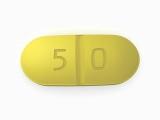
Buy Generic Revia (Naltrexone) without prescription in Canada
In our Canadian pharmacy, you can buy Revia (Naltrexone) without a prescription, with delivery across Canada within 5‑14 days. Discreet and anonymous packaging.
Revia (naltrexone hydrochloride) is a pure opioid antagonist used primarily to help individuals who were previously dependent on alcohol or opioid drugs maintain their drug‑free state. It works by competitively binding to mu‑opioid receptors in the brain, blocking the euphoric and rewarding effects produced by opioid drugs and by the endogenous endorphins released when alcohol is consumed. By attenuating these reinforcing effects, naltrexone reduces craving and helps prevent relapse, and it must always be part of a comprehensive management program that includes psychosocial support and counselling.
Usual adult dose: For alcohol dependence, the recommended dose is 50 mg taken orally once daily for up to 12 weeks. For opioid dependence, treatment should be initiated with 25 mg on the first day; if no withdrawal signs occur, the dose may be increased to 50 mg once daily thereafter. Supervised administration of daily oral dosing is recommended to improve compliance. Patients must be opioid‑free for a minimum of 7 to 10 days before starting Revia; a naloxone challenge test may be used to confirm the absence of opioid dependence.
Dosage form: Oral film‑coated tablet, 50 mg (as naltrexone hydrochloride).
Onset of action: Naltrexone is rapidly absorbed after oral administration, with peak plasma concentrations reached within 1 hour. Its opioid‑blocking activity begins shortly after the first dose. The full therapeutic effect on alcohol craving develops over the first weeks of continuous daily therapy.
Duration of action: The opioid‑blocking effect of a single 50 mg dose persists for approximately 24 to 72 hours, supporting once‑daily dosing. The elimination half‑life of naltrexone is approximately 4 hours; its major active metabolite, 6‑β‑naltrexol, has a half‑life of approximately 13 hours, which accounts for the extended pharmacologic action. Steady‑state concentrations are achieved within a few days of once‑daily administration.
Alcohol recommendation: Total abstinence from alcohol is the goal of treatment with Revia. While naltrexone does not cause a disulfiram‑like reaction if alcohol is consumed, drinking during treatment will counteract its therapeutic benefits. Patients should be counselled to avoid alcohol and to contact their healthcare provider if a relapse occurs so that appropriate support can be arranged.
Most common side effects: Nausea, vomiting, headache, dizziness, nervousness, anxiety, insomnia, abdominal pain or cramping, joint and muscle pain, and fatigue. These effects are most common during the first few days of therapy and often diminish with continued use. Naltrexone has been associated with dose‑related hepatotoxicity, and rare but serious side effects include depression, suicidal ideation, and attempted suicide. The risk of liver injury is higher at doses exceeding the recommended 50 mg daily.
Would you like to try Revia (Naltrexone) without a prescription?
General Information about Revia (Naltrexone)
- INN (International Nonproprietary Name): Naltrexone (as naltrexone hydrochloride).
- Brand names available in Canada: Revia® (Teva Canada Limited) is the primary brand‑name product. Generic versions include APO‑Naltrexone (Apotex Inc.), Naltrexone Hydrochloride Tablets USP (Sterinova Inc., Sandoz Canada Inc.), and other manufacturer‑branded generics.
- ATC code: N07BB04 (drugs used in alcohol dependence).
- Dosage forms and strengths: Oral film‑coated tablets: 50 mg (as naltrexone hydrochloride). Tablets are typically light yellow, capsule‑shaped, biconvex, and debossed. A long‑acting injectable formulation (Vivitrol®) delivering 380 mg intramuscularly every 4 weeks is also available in Canada.
- Manufacturers in Canada: Teva Canada Limited (Revia), Apotex Inc. (APO‑Naltrexone), Sterinova Inc., Sandoz Canada Inc., and other generic manufacturers.
- Registration status in Canada: Approved by Health Canada. Marketed. DINs: 02213826 (Revia), 02451883 (Naltrexone Hydrochloride Tablets USP, Sterinova), among others. First approved in Canada in 1995 (Revia).
- OTC / Rx classification: Prescription only (Rx). Schedule I drug under the Controlled Drugs and Substances Act. A valid prescription from a licensed Canadian healthcare professional is required.
Mechanism of Action and Pharmacology
Naltrexone hydrochloride is a pure opioid antagonist and a synthetic congener of oxymorphone with no opioid agonist activity. It markedly attenuates or completely blocks, reversibly, the subjective effects of intravenously administered opioids by competitively binding to mu‑opioid receptors in the central nervous system. The mechanism of action of naltrexone in the treatment of alcohol dependence is not fully understood; however, a substantial body of preclinical and clinical evidence supports the involvement of the endogenous opioid system. Alcohol consumption stimulates the release of endogenous opioid peptides (endorphins), which in turn activate the mesolimbic dopaminergic reward pathway. Naltrexone, by blocking mu‑opioid receptors, interrupts this cascade: it attenuates the dopamine release in the nucleus accumbens that normally follows alcohol intake, thereby reducing the rewarding and reinforcing properties of alcohol and diminishing craving.
Naltrexone is rapidly and well absorbed after oral administration, with peak plasma concentrations reached within approximately 1 hour. The drug undergoes extensive first‑pass hepatic metabolism, primarily by reduction to its major active metabolite, 6‑β‑naltrexol, which is also an opioid antagonist and may contribute to the prolonged duration of pharmacologic action. The elimination half‑life of naltrexone is approximately 4 hours; 6‑β‑naltrexol has a half‑life of approximately 13 hours. Steady‑state concentrations are reached within a few days of once‑daily administration. Naltrexone and its metabolites are excreted primarily by the kidneys. The drug does not produce physical dependence or tolerance, and its opioid‑blocking effect is reversible. Because naltrexone is a competitive antagonist, very high doses of opioids can overcome its blockade, but this may result in excessive histamine release and carries significant clinical risk.
Naltrexone is not a controlled substance, has no abuse potential, and does not produce euphoria or sedation. However, adherence rates with oral naltrexone are historically lower than with supervised injectable formulations, and the best outcomes are achieved when medication compliance is supported as part of a structured treatment program.
Indications
- Alcohol Use Disorder: Revia is indicated as an adjunct to a comprehensive program that includes psychosocial support and counselling for the management of alcohol dependence in adults who are able to abstain from alcohol at the time of treatment initiation. It helps reduce alcohol craving, decrease the number of drinking days, maintain abstinence, and prevent relapse. It has not been shown to be effective in patients who are drinking at the start of treatment.
- Opioid Use Disorder: For the blockade of the effects of exogenously administered opioids as an adjunct to the maintenance of the opioid‑free state in detoxified, formerly opioid‑dependent individuals. Revia prevents the euphoric effects of opioids and reduces the risk of relapse to opioid use.
- Revia is not indicated for the treatment of acute opioid withdrawal, and it should never be administered to a patient who has not been fully detoxified from opioids. It is not recommended for use in children and adolescents under 18 years of age.
Important Warnings and Precautions
At‑risk groups
- Pregnancy: There are no adequate and well‑controlled studies of naltrexone in pregnant women. Revia should be used during pregnancy only if the potential benefit clearly justifies the potential risk to the foetus. Women of childbearing potential should use effective contraception during treatment.
- Breastfeeding: Naltrexone and its major metabolite 6‑β‑naltrexol are excreted in human breast milk. Because of the potential for serious adverse reactions in a nursing infant, a decision must be made whether to discontinue breastfeeding or to discontinue the drug, taking into account the importance of the medication to the mother.
- Paediatrics (< 18 years): Safety and efficacy have not been established in children and adolescents. Revia is not recommended for paediatric use.
- Elderly: No specific dose adjustment is required based on age alone. However, elderly patients may have age‑related declines in hepatic and renal function and should be monitored more closely for adverse effects, including hepatotoxicity.
- Hepatic impairment: Revia is contraindicated in patients with acute hepatitis or severe liver failure. Its use in patients with active liver disease must be carefully considered because of its hepatotoxic effects. In patients with elevated transaminases (ALT or AST more than 3 times the upper limit of normal), naltrexone should be used only with close monitoring, and the drug should be discontinued if liver enzymes continue to rise. Baseline liver function tests are recommended before initiating therapy, and periodic monitoring should be performed during treatment.
- Renal impairment: Naltrexone and its metabolites are excreted primarily by the kidneys. Use with caution in patients with moderate to severe renal impairment, as drug and metabolite accumulation may occur.
- Opioid withdrawal — precipitated withdrawal: Revia must never be administered to a patient who is currently physically dependent on opioids (including methadone, buprenorphine, tramadol, or any other opioid agonist or partial agonist). Doing so will precipitate an acute and severe opioid withdrawal syndrome that can be life‑threatening. An opioid‑free interval of at least 7 to 10 days is recommended for patients previously dependent on short‑acting opioids; patients transitioning from buprenorphine or methadone may be vulnerable to precipitated withdrawal for as long as 2 weeks. A naloxone challenge test should be considered if there is any doubt about the adequacy of the opioid‑free period.
- Hepatotoxicity: Cases of hepatitis and clinically significant liver dysfunction have been observed in association with naltrexone administration in clinical trials and post‑marketing surveillance. The risk appears to be dose‑related; hepatotoxicity has been reported more frequently at doses exceeding the recommended 50 mg daily. Patients should be advised of the risk of hepatic injury and instructed to report symptoms of hepatitis (jaundice, dark urine, right upper quadrant pain, unexplained fatigue) immediately.
- Depression and suicidality: Depression, suicidal ideation, suicide attempts, and completed suicide have been reported in patients taking naltrexone. These events have occurred in both opioid‑dependent and alcohol‑dependent patients. All patients and their families should be advised to monitor for the emergence of depressive symptoms and suicidal thinking and to report such symptoms immediately. Revia should be discontinued if depression or suicidality develops.
- Emergency pain management: Patients taking Revia will not respond to standard opioid‑containing analgesic medications. Non‑opioid analgesics, regional anaesthesia, or conscious sedation with benzodiazepines should be used. In life‑threatening emergencies, opioid analgesics can be used, but the doses required to overcome naltrexone blockade may be substantially higher than usual, and the resulting respiratory depression may be deeper and more prolonged.
- Allergy: Do not take Revia if you have a known hypersensitivity to naltrexone hydrochloride or any excipient in the formulation.
Driving and alcohol
Revia is not generally expected to impair the ability to drive or operate machinery. However, some patients may experience dizziness, drowsiness, or fatigue, particularly during the first days of therapy. Patients should ensure they are not adversely affected before driving or engaging in hazardous activities. Alcohol should be avoided entirely during treatment. Although naltrexone does not interact directly with alcohol to cause a disulfiram‑like reaction, drinking will counteract the therapeutic goal of maintaining sobriety. Patients who have been drinking should not drive regardless of naltrexone use.
Dosage Instructions
- Alcohol Dependence (Adults): The recommended dose is 50 mg taken orally once daily for up to 12 weeks. This is the dose regimen used in the placebo‑controlled clinical trials that demonstrated the efficacy of naltrexone as adjunctive treatment of alcoholism. Supervised daily administration is recommended to improve medication compliance. Treatment should be part of a comprehensive management program that includes counselling and psychosocial support.
- Opioid Dependence (Adults): Treatment must not be started until the patient has been opioid‑free for at least 7 to 10 days (confirmed by urine toxicology screen and, if warranted, a naloxone challenge test). The initial dose is 25 mg (one‑half of a 50 mg tablet). The patient should be observed for 1 hour for signs of opioid withdrawal. If no withdrawal signs occur, the dose may be increased to 50 mg once daily starting the following day. A 50 mg daily dose will produce adequate clinical blockade of parenterally administered opioids.
- Administration: The tablet should be swallowed whole with a full glass of water. It may be taken with or without food; taking it with food or after a meal may help reduce gastrointestinal side effects such as nausea. Daily dosing at the same time each day is recommended.
- Missed dose: If a dose is missed, the patient should take it as soon as remembered on the same day. If it is close to the time of the next scheduled dose, the missed dose should be skipped, and the regular schedule resumed. Do not double the dose.
- Discontinuation: Revia does not produce physical dependence; therefore, no withdrawal syndrome occurs upon discontinuation, and no tapering is required. Patients should be advised that their tolerance to opioids will be reduced after stopping naltrexone, and a return to opioid use at previously tolerated doses could result in fatal overdose.
Side Effects and Contraindications
- Very common side effects (≥ 10%): Nausea (10‑33%), headache (7‑18%), and dizziness (4‑19%). Nausea is most common in the first week of treatment and often resolves with continued use. Taking the medication with food may improve tolerability.
- Common side effects (1‑10%): Vomiting, abdominal pain or cramping, diarrhoea, constipation, loss of appetite, fatigue, insomnia, anxiety, nervousness, irritability, joint and muscle pain, skin rash, and excessive thirst.
- Less common but serious side effects: Hepatotoxicity including hepatitis and clinically significant liver dysfunction (dose‑related; more common at doses above 50 mg/day), depression, suicidal ideation, suicide attempts, and completed suicide. Idiopathic thrombocytopenic purpura (ITP) has been reported rarely, particularly in patients with a history of opioid dependence. Eosinophilic pneumonia has been reported in rare cases.
- Withdrawal precipitation: Administration of Revia to an opioid‑dependent patient will precipitate an acute withdrawal syndrome within minutes. Symptoms include confusion, somnolence, visual hallucinations, vomiting, diarrhoea, and significant opioid craving. Symptoms may persist for up to 48 hours. This condition is not life‑threatening when managed supportively with non‑opioid medications, but it is extremely distressing to the patient.
- Contraindications: Patients who are currently physically dependent on opioids, including those maintained on opiate agonists (e.g., methadone, buprenorphine) or partial agonists. Patients in acute opioid withdrawal. Patients who have failed the naloxone challenge test or who have a positive urine screen for opioids. Patients with acute hepatitis or severe liver failure. Known hypersensitivity to naltrexone hydrochloride or any excipient in the formulation.
Drug Interactions
- Opioid‑containing medications — major interaction: Naltrexone blocks the pharmacologic effects of all opioid analgesics, antidiarrheals, and antitussives. Patients taking Revia will not respond to opioid‑containing medications. Non‑opioid alternatives must be used for pain management, cough suppression, and treatment of diarrhoea. In emergency situations requiring opioid analgesia, the dose required may be substantially higher than standard doses, and respiratory depression may be deeper and more prolonged.
- Disulfiram — moderate interaction (additive hepatotoxicity): Both naltrexone and disulfiram have been associated with hepatotoxicity. Concomitant use may increase the risk of liver injury. If the combination is clinically warranted, liver function should be monitored closely, and both drugs should be discontinued if transaminases rise significantly.
- Thioridazine — moderate interaction: Concomitant use of naltrexone with thioridazine has been associated with increased lethargy and somnolence. The mechanism of this interaction is unknown, but the combination should be used with caution.
- Acamprosate — pharmacokinetic interaction: Co‑administration of naltrexone with acamprosate leads to a 33% increase in peak plasma concentration and a 25% increase in total exposure of acamprosate. No dose adjustment is recommended, and the combination is frequently used in clinical practice for patients who do not respond to either agent alone.
- CNS depressants: Alcohol, benzodiazepines, barbiturates, and other central nervous system depressants may have additive sedative effects when used with naltrexone, although naltrexone itself has minimal intrinsic CNS‑depressant activity. Patients should be cautioned about engaging in hazardous activities if they experience dizziness or drowsiness.
- Drugs metabolised by the liver: Although naltrexone itself undergoes hepatic metabolism, it is not a clinically significant inhibitor or inducer of cytochrome P450 enzymes. No dose adjustments are required for most co‑administered medications.
- Food and alcohol: No clinically significant food interactions have been identified. Alcohol consumption should be avoided as part of the treatment goal of abstinence.
Practical Advice
- Administration: Take Revia exactly as prescribed, at the same time each day. Swallow the tablet whole with a full glass of water. Taking it with food or after a meal may reduce nausea, the most common side effect. Supervised administration by a family member, pharmacist, or clinic staff is strongly recommended to ensure daily adherence, which is essential for treatment success.
- Monitoring: Baseline liver function tests (ALT, AST) should be obtained before starting therapy. Liver enzymes should be monitored periodically during treatment, especially in patients with pre‑existing hepatic impairment or those taking other potentially hepatotoxic medications. Patients should be monitored for signs and symptoms of depression and suicidal ideation. Renal function should be assessed periodically. A urine toxicology screen should be negative for opioids before the first dose.
- Storage: Store at room temperature (15‑30 °C) in a tightly closed container, protected from moisture and light. Keep out of the reach and sight of children.
- Lifestyle: Revia works best when combined with a comprehensive treatment program that includes individual or group counselling, psychosocial support, and a commitment to abstinence. It does not cure addiction, and it is only one component of a successful recovery plan. Attend all scheduled appointments with your healthcare provider and support groups. Carry a medical alert card or wear a medical identification bracelet indicating that you are taking naltrexone, so that emergency medical personnel will know not to administer opioid analgesics.
- Missed dose: If you miss a dose, take it as soon as you remember on the same day. If it is close to the time of your next dose, skip the missed dose and return to your regular schedule. Do not double the dose.
- Emergency pain management: If you require emergency medical care or surgery, inform every healthcare provider that you are taking Revia. Standard doses of opioid pain medications (morphine, fentanyl, oxycodone, codeine) will not work. Non‑opioid alternatives must be used.
- Opioid overdose risk after discontinuation: After stopping Revia, your tolerance to opioids will be greatly reduced. Using opioids at the same dose you used before treatment can result in fatal overdose. Do not attempt to overcome naltrexone blockade by taking large doses of opioids; this can cause serious injury, coma, or death.
- Disposal: Return unused or expired medication to a pharmacy for safe disposal. Do not flush down the toilet or discard in household waste.
Alternative Medications
- Acamprosate (Campral®): A first‑line agent for alcohol dependence that works by restoring the balance between excitatory (glutamate) and inhibitory (GABA) neurotransmission disrupted by chronic alcohol use. It is particularly effective for maintaining abstinence and does not have the hepatotoxic potential of naltrexone. Naltrexone and acamprosate may be used together for patients who do not respond to either agent alone.
- Disulfiram (Antabuse®): An aversive agent that inhibits aldehyde dehydrogenase, causing an intensely unpleasant physical reaction when alcohol is consumed. It relies on psychological deterrence rather than pharmacological reduction of craving. Disulfiram is not available as a regularly marketed product in Canada, but it can be accessed through the Health Canada Special Access Programme.
- Extended‑release injectable naltrexone (Vivitrol®): A long‑acting formulation of naltrexone administered as a 380 mg intramuscular injection once every 4 weeks. It overcomes the adherence challenges associated with daily oral dosing and is associated with improved outcomes in both alcohol and opioid use disorders.
- Gabapentin (Neurontin®): An anticonvulsant used off‑label for alcohol use disorder, particularly in patients with co‑occurring anxiety, insomnia, or neuropathy. It can be initiated while the patient is still drinking and does not require a period of abstinence before starting.
- Topiramate (Topamax®): An anticonvulsant used off‑label to reduce heavy drinking days. A 2025 comparative study found that topiramate significantly outperformed naltrexone in reducing the average number of drinks per drinking day, alcohol craving, and GGT levels.
- Baclofen (Lioresal®): A muscle relaxant used off‑label for alcohol dependence, particularly in patients with advanced liver disease where other pharmacotherapies are contraindicated. Evidence for its effectiveness is mixed, and Canadian guidelines consider it a third‑line agent.
- Psychosocial interventions: For patients who cannot or will not take pharmacotherapy, cognitive‑behavioural therapy (CBT), motivational interviewing, 12‑step facilitation (e.g., Alcoholics Anonymous, Narcotics Anonymous), and intensive outpatient programs are effective evidence‑based approaches. Pharmacotherapy combined with psychosocial support yields the best treatment outcomes.
Clinical Efficacy
The efficacy of oral naltrexone for the treatment of alcohol dependence has been established in multiple randomised, double‑blind, placebo‑controlled clinical trials. A 2025 meta‑analysis of randomised controlled trials found that naltrexone significantly reduced the risk of heavy drinking and decreased the number of drinking days compared with placebo, with a number needed to treat (NNT) of approximately 9 to prevent one relapse. Naltrexone was most effective when combined with structured psychosocial support and when medication adherence was high. The COMBINE study, one of the largest trials in alcohol dependence, confirmed that naltrexone with medical management (without intensive behavioural therapy) produced significant improvements in abstinence rates. Patients with a family history of alcohol use disorder and those with high levels of baseline craving appear to derive the greatest benefit.
A 2025 head‑to‑head randomised clinical trial (published in JAMA Internal Medicine) compared oral naltrexone with extended‑release injectable naltrexone in hospitalized patients with alcohol use disorder and found that both formulations were effective in reducing heavy drinking days, although the injectable form had a modest advantage in maintaining continuous abstinence over 6 months. A 2024 proof‑of‑concept trial demonstrated that prazosin augmentation of naltrexone enhanced its benefit for alcohol use disorder, strengthening the rationale for combination approaches. For opioid use disorder, oral naltrexone has been shown to prevent relapse in highly motivated patients who are able to adhere to daily dosing, though retention rates are lower than with agonist therapies (methadone, buprenorphine).
Current Canadian clinical practice guidelines from the Canadian Centre on Substance Use and Addiction and the Canadian Research Initiative in Substance Misuse recommend naltrexone as a first‑line pharmacotherapy for alcohol use disorder. It is particularly recommended for patients whose goal is reduced drinking or abstinence, who have high levels of alcohol craving, and who are able to adhere to daily oral therapy or who accept an injectable formulation. Naltrexone is also listed on the World Health Organization Model List of Essential Medicines for the treatment of alcohol use disorders.
Important:
Revia (naltrexone) is a prescription medication that should be used only under the supervision of a qualified healthcare professional. It must never be given to a patient who is currently physically dependent on opioids, as it will precipitate a severe and potentially life‑threatening withdrawal syndrome. An opioid‑free interval of at least 7 to 10 days is required before starting treatment. This medication can cause serious liver injury, particularly at doses higher than 50 mg daily. Depression, suicidal ideation, and suicide attempts have been reported; patients and their families should be alert to changes in mood or behaviour and report these immediately. Patients taking Revia will not respond to standard doses of opioid pain medications. In an emergency, non‑opioid analgesics must be used. Carry a medical alert card or wear a bracelet identifying your naltrexone use. After stopping Revia, your opioid tolerance will be greatly reduced; attempting to use previously tolerated doses of opioids can result in fatal overdose. Do not drink alcohol during treatment, as this will counteract the therapeutic benefits of the medication. This information is not a substitute for professional medical advice, diagnosis, or treatment.

 4 stars out of 5
5 stars out of 5
4 stars out of 5
5 stars out of 5
5 stars out of 5
5 stars out of 5
5 stars out of 5
5 stars out of 5
5 stars out of 5
5 stars out of 5
5 stars out of 5
5 stars out of 5
5 stars out of 5
4 stars out of 5
5 stars out of 5
4 stars out of 5
5 stars out of 5
5 stars out of 5
5 stars out of 5
5 stars out of 5
5 stars out of 5
4 stars out of 5
5 stars out of 5
4 stars out of 5
5 stars out of 5
5 stars out of 5
5 stars out of 5
5 stars out of 5
5 stars out of 5
5 stars out of 5
5 stars out of 5
5 stars out of 5
5 stars out of 5
5 stars out of 5
4 stars out of 5
5 stars out of 5
4 stars out of 5
5 stars out of 5
5 stars out of 5
5 stars out of 5
5 stars out of 5
5 stars out of 5


| Shipping method | Delivery time | Price | |
 Delivery Delivery |
14-21 days | 14.95$ | Tracking# available in 4 days |
 Delivery Delivery |
9-14 days | 30$ | Tracking# available in 2 days |
- Shipping worldwide
- Confidentiality and anonymity guarantee
- Safe and secure
- Discrete looking packages
- Dispatch orders within 24 hours
- 100% success delivery


