


 Secure and Reliable
  High quality
  Worldwide shipping
  Bonuses and Discounts
  Money back Guarantee
 - Bestsellers
- Alcoholism
- COVID-19
- Allergy
- Anti Fungal
- Alzheimers
- Anti Viral
- Anti-Depressants
- Anti-Inflammatory
- Antibacterial
- Antiparasitic
- Antibiotics
- Arthritis
- Asthma
- Birth Control
- Blood Pressure
- Cancer
- Cardiovascular
- Cholesterol
- Diabetes
- Diuretics
- Erectile Dysfunction
- Eye Drop
- Gastro Health
- General Health
- Hair Loss
- Hepatitis C Virus (HCV)
- HIV
- Hormones
- Men's ED Packs
- Men's Health
- Mental Illness
- Motion Sickness
- Muscle Relaxant
- Pain Relief
- Parkinson’s Disease
- Veterinary Medicines
- Quit Smoking
- Vitamins
- Skin Care
- Sleeping Aids
- Weight Loss
- Women's Health
Generic Rhinocort Nasal Spray ( Budesonide )
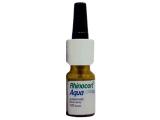
Rhinocort Nasal Spray (budesonide) is an intranasal corticosteroid indicated for the prevention and treatment of symptoms of seasonal and perennial allergic rhinitis, including nasal congestion, sneezing, runny nose, and itchy nose. Budesonide works by binding to glucocorticoid receptors in the nasal mucosa, inhibiting the release of inflammatory mediators such as cytokines, leukotrienes, and histamine, and reducing eosinophil infiltration and mucosal edema. This action decreases nasal inflammation and hyperresponsiveness. Rhinocort is available without a prescription in Canada for adults and children 12 years of age and older, and may be used under medical supervision in children 6 to 11 years.
Usual adult dose: For adults and adolescents 12 years and older, the recommended starting dose is 256 mcg per day, administered as either 2 sprays (64 mcg per spray) into each nostril once daily, or 1 spray into each nostril twice daily (morning and evening). Once symptoms are controlled, the dose should be reduced to the lowest effective dose, which is often 1 spray into each nostril once daily (128 mcg per day). The maximum daily dose is 256 mcg. For children 6 to 11 years, the usual dose is 1 spray into each nostril once daily (128 mcg per day), under the advice of a healthcare professional. The bottle should be shaken gently before use, and the device must be primed before first use or if not used for 2 days. Patients should blow the nose gently, tilt the head slightly forward, and avoid inhaling deeply while spraying. After use, the nozzle should be wiped with a clean tissue. If a dose is missed, the next dose should be taken at the usual time; two doses must not be taken at the same time. Regular daily use is required for full benefit, even when symptoms improve. If symptoms do not improve after 2 weeks of continuous use, the patient should consult a healthcare professional.
Dosage form: Nasal spray suspension: each metered actuation delivers 64 mcg of budesonide. The product is supplied in a glass bottle with a metered-dose manual spray pump, providing 120 metered sprays after priming.
Onset of action: Improvement in nasal symptoms may begin within 10 to 12 hours after the first dose, but clinically meaningful relief of nasal congestion and other allergic rhinitis symptoms typically develops after 2 to 3 days of continuous once-daily use. Maximum therapeutic benefit is usually achieved after 1 to 2 weeks of regular treatment.
Duration of action: The anti-inflammatory effect is maintained over a 24-hour dosing interval, supporting once-daily administration in most patients. The elimination half-life of budesonide after intranasal administration is approximately 2 to 3 hours, but the clinical effect is determined by local receptor occupancy and anti-inflammatory action in the nasal mucosa.
Alcohol recommendation: No direct interaction between intranasal budesonide and alcohol has been established. However, alcohol may worsen nasal congestion and exacerbate symptoms of allergic rhinitis in some individuals. Moderation is advisable.
Most common side effects: Nasal irritation, dryness, stinging, sneezing, and mild epistaxis (nosebleeds). These local effects are usually mild and transient. Epistaxis may occur more frequently with prolonged or high-dose use; persistent or severe bleeding should be reported. Rarely, nasal septal perforation, Candida albicans infection of the nose or throat, or increased intraocular pressure may occur. Systemic corticosteroid effects including adrenal suppression, growth retardation in children, and decreased bone mineral density are rare at recommended intranasal doses but may occur with high-dose or prolonged therapy. Rhinocort is contraindicated in patients with known hypersensitivity to budesonide or any component of the formulation. Caution is advised in patients with tuberculosis, untreated fungal, bacterial, or viral infections, or ocular herpes simplex. Patients who are pregnant or breastfeeding should consult a healthcare professional before use. Rhinocort is not indicated for the relief of acute asthma or for use in children under 6 years of age unless directed by a physician.
Would you like to try Rhinocort Nasal Spray (Budesonide) without a prescription?
Buy Generic Rhinocort Nasal Spray (Budesonide) without prescription in Canada
At our pharmacy, you can buy Rhinocort Nasal Spray without a prescription, with discreet and anonymous packaging delivered within 5-14 days across Canada. Buy Prednisolone Online - 5mg, Drugstore Canada
What is Rhinocort Nasal Spray?
Rhinocort Nasal Spray is a corticosteroid nasal spray used to treat allergic rhinitis, commonly known as hay fever. The active ingredient is budesonide, a glucocorticoid that reduces inflammation in the nasal passages. It is a maintenance treatment, not a fast-acting rescue spray. You use it every day to keep allergic inflammation under control. It works on the swelling, itching, and congestion caused by pollen, dust mites, pet dander, and mold. Unlike decongestant sprays that only shrink blood vessels for a few hours, Rhinocort addresses the underlying immune response that makes your nose swollen and reactive. It is especially useful for seasonal allergies and year-round allergic rhinitis. The effect builds over several days. Some people notice improvement within 10 to 12 hours, but the full benefit usually takes a week of consistent daily use. It is not a medication you take once and expect instant relief.
Rhinocort Nasal Spray is available as a metered-dose spray delivering 64 mcg of budesonide per actuation. The standard adult dose is one spray in each nostril once daily. This 64 mcg strength is convenient because a single daily application provides all-day coverage. The product is available as a brand and as generic budesonide nasal spray. It is sold over the counter in Canada. The 64 mcg dose is the typical starting dose for adults and children 12 years and older.
Mechanism and Pharmacology
Budesonide is a synthetic corticosteroid with high local anti-inflammatory potency and low systemic bioavailability. When sprayed into the nasal mucosa, it binds to glucocorticoid receptors inside inflammatory cells. This binding triggers a cascade of genomic effects that suppress the production of cytokines, chemokines, and adhesion molecules driving allergic inflammation. It also inhibits the migration of eosinophils and mast cells into the nasal tissue. The result is less swelling, less mucus production, and reduced reactivity to allergens. Budesonide also reduces vascular permeability, decreasing the fluid leakage that causes congestion.
What makes budesonide different from older corticosteroids is its extensive first-pass metabolism in the liver. The small amount absorbed from the nose or swallowed is rapidly broken down into inactive metabolites. Very little reaches the systemic circulation. This means side effects like adrenal suppression or growth retardation are extremely unlikely at recommended doses. The half-life in plasma is about 2 to 3 hours, but the local anti-inflammatory effect persists much longer because the changes in gene expression take time to reverse. Once-daily dosing works because the tissue effect lasts all day. The 64 mcg per spray is the standard dose; some patients may need two sprays per nostril daily, but for most, one spray in each nostril once daily is sufficient.
How to Use Rhinocort Nasal Spray
Shake the bottle gently before each use. If the spray is new or has not been used for a few days, prime it by spraying into the air until a fine mist appears. Blow your nose gently to clear it. Tilt your head forward slightly. Insert the nozzle into one nostril, aim it toward the outer wall of the nose, and spray while breathing in gently. Repeat in the other nostril. Avoid blowing your nose for a few minutes afterward. Wipe the nozzle with a clean tissue and replace the cap.
The usual adult dose is one spray in each nostril once daily, providing 64 mcg per nostril. If symptoms are severe, your doctor may recommend two sprays in each nostril once daily, but this is less common. Use the spray at the same time each day. Consistency matters. If you forget a dose, take it as soon as you remember. If it is nearly time for the next dose, skip the missed one. Do not double up. For seasonal allergies, start using Rhinocort a week before your allergy season begins if you know when that is. Pre-treatment is more effective than catching up after symptoms start.
Rhinocort is not a rescue medication for sudden nasal congestion. For immediate relief of a stuffy nose, a decongestant spray like oxymetazoline can be used for up to 3 days, but it should not replace Rhinocort. The two work differently. Rhinocort is for long-term control. Do not use it on broken or infected nasal skin. If your symptoms do not improve after 2 weeks, see your doctor. You may need a different strength or an additional treatment. Rhinocort can be used with oral antihistamines and other allergy medications. If you use a saline rinse, do it before the spray, not after.
Side Effects of Rhinocort Nasal Spray
Most side effects are local and mild. Nasal irritation, dryness, or a slight burning sensation right after spraying are common, especially in the first few days. Some people notice a minor nosebleed or blood-tinged mucus. This happens because corticosteroids can thin the nasal mucosa slightly over time. Using a saline spray beforehand or applying a thin layer of petroleum jelly inside the nostrils can help. Sneezing right after use is also common and does not mean the medication is not working.
Systemic side effects are rare. Unlike oral prednisone, nasal budesonide stays almost entirely in the nose. There have been very rare reports of increased intraocular pressure or cataract formation with long-term high-dose use, but the evidence is thin. Routine eye exams are reasonable if you use it year-round for years, but short-term seasonal use is not a concern. Throat irritation or a mild cough can happen if some of the spray drips down the back of your throat. Tilting your head forward during application minimizes this. Drinking water afterward washes away any medication that reaches the throat. Allergic reactions, including rash and swelling, are very rare but possible.
High-Risk Groups (Elderly, Pregnancy)
Pregnancy. Budesonide is the preferred nasal corticosteroid during pregnancy because it has the best safety data. The Swedish Medical Birth Registry tracked thousands of pregnancies exposed to budesonide and found no increase in congenital malformations. If you are pregnant and have allergic rhinitis, Rhinocort is generally considered safe. The amount absorbed is minimal. Talk to your doctor, but do not be alarmed if you have already used it.
Breastfeeding. Budesonide passes into breast milk in negligible amounts. It is considered compatible with breastfeeding. Do not apply the spray to the nipple area. Elderly patients do not need dose adjustment. The main consideration is the small risk of nasal bleeding, especially if they are on anticoagulants like warfarin or apixaban. Using a saline spray to keep the mucosa moisturized reduces this risk. Children 12 years and older can use the 64 mcg strength. For children under 12, a lower dose is usually recommended, and a doctor should be consulted. People with active nasal infections, recent nasal surgery, or untreated glaucoma should discuss with their doctor before starting. Rhinocort does not cause drowsiness or impair coordination.
Interaction With Activities (Driving, Alcohol)
Rhinocort does not affect alertness, reaction time, or the ability to drive. It is safe to use before driving or operating machinery. Alcohol has no direct interaction with nasal budesonide. You can drink in moderation. However, alcohol can dilate blood vessels in the nose and worsen congestion in some people, working against the spray. A single drink is unlikely to matter, but heavy drinking during allergy season might make your nose feel more blocked. Sun exposure is not a concern with this medication. Outdoor activities are safe, and the spray does not cause photosensitivity. If you are using it for seasonal allergies, it can actually improve your ability to be outside by reducing symptoms.
Drug Interactions
Rhinocort has very few drug interactions because systemic absorption is extremely low. The swallowed portion is metabolized by CYP3A4 in the liver, so strong CYP3A4 inhibitors like ketoconazole, itraconazole, ritonavir, and clarithromycin can theoretically increase budesonide levels. However, the clinical significance for a nasal spray is minimal. The risk of adrenal suppression or Cushing's syndrome is far lower than with oral or high-dose inhaled budesonide. No dose adjustment is needed.
There are no significant interactions with antihistamines, decongestants, or other allergy medications. Rhinocort is often used alongside oral antihistamines like cetirizine or loratadine. The combination is safe and effective. Avoid using other nasal decongestant sprays for more than 3 days while using Rhinocort, but that is due to the rebound effect of the decongestant, not an interaction. Grapefruit juice has no meaningful effect. Always tell your pharmacist about all medications and supplements you take, but be reassured that Rhinocort is well tolerated in almost all combinations.
Alternative Options
Rhinocort is one of several intranasal corticosteroids. Fluticasone propionate (Flonase), mometasone (Nasonex), and triamcinolone (Nasacort) are other options available in Canada. They all work similarly. The choice often comes down to personal preference, spray feel, and cost. Budesonide has the best pregnancy safety data and is often preferred for pregnant women. Fluticasone furoate (Flonase Sensimist) has a finer mist and less postnasal drip but costs more.
Oral antihistamines like cetirizine, loratadine, and fexofenadine work systemically and are good for itching, sneezing, and hives, but they are less effective for nasal congestion. Many people use both an oral antihistamine and Rhinocort. Decongestant sprays like oxymetazoline work fast but cause rebound congestion if used more than 3 days. They are for short-term rescue, not daily management. Immunotherapy, whether allergy shots or sublingual tablets, is the only treatment that changes the immune response over time. For severe or persistent allergies, it is worth discussing with an allergist. Rhinocort is a good first-line daily preventive for most allergic rhinitis because it is effective, safe, and available without a prescription.
INN, Brand Names, and Classification in Canada
INN (International Nonproprietary Name): Budesonide (nasal)
Available brand names in Canada: Rhinocort Aqua, Rhinocort, and generic budesonide nasal spray
ATC code: R01AD05
Forms and strengths: Metered-dose nasal spray delivering 64 mcg per actuation. The standard adult dose is one spray per nostril once daily.
Manufacturers: AstraZeneca Canada Inc. (Rhinocort), and diverse generic manufacturers including Apotex Inc., Teva Canada Limited, and Sandoz Canada Inc.
Registration status in Canada: Registered
Classification: Over-the-counter (OTC)
Frequently Asked Questions
How long does Rhinocort take to work?
Some people feel a difference within 10 to 12 hours of the first dose, but the full effect takes 3 to 7 days of daily use. It is not a spray you use once and expect instant relief. Start it before your allergy season begins if possible, or commit to a week of daily use before deciding if it helps.
Can I use Rhinocort year-round?
Yes, if you have perennial allergies to dust mites, mold, or pet dander. The safety profile is excellent for long-term use. The dose used in the nose is a fraction of what is used in asthma inhalers, and systemic absorption is minimal. Routine use for years has not been linked to significant long-term side effects.
Does Rhinocort cause rebound congestion?
No. Rebound congestion is specific to alpha-agonist decongestant sprays like oxymetazoline. Rhinocort is a corticosteroid with a completely different mechanism. You can use it daily for months and stop without rebound. Your allergy symptoms may return if the trigger is still present, but that is the underlying condition, not a withdrawal effect.
Is Rhinocort safe during pregnancy?
Budesonide has the best safety data among nasal corticosteroids for pregnancy. The Swedish registry data on thousands of exposed pregnancies showed no increase in birth defects. It is the preferred nasal steroid for pregnant women who need allergy control. Talk to your doctor before starting, but the evidence is reassuring.
Can I use Rhinocort with my asthma inhaler?
Yes. The drugs do not interact. Many people with allergic rhinitis also have asthma, and using both treatments is standard. The nasal spray and the inhaler work in different parts of the respiratory system. Always keep your rescue inhaler with you.
What if I get a nosebleed?
Mild nosebleeds or blood-tinged mucus are fairly common with nasal steroids. The spray can dry out the nasal lining. Use a saline spray or gel before applying Rhinocort to moisturize the tissue. Aim the spray toward the outer wall of the nostril rather than the septum to reduce the risk. If bleeding is persistent, stop for a few days and let the mucosa heal.
Delivery Information Across Canada
We ship Rhinocort Nasal Spray and generic budesonide nasal spray to all provinces and territories. Delivery times vary depending on how remote your location is:
- Ontario (Toronto, Ottawa, Mississauga): 5 to 7 days
- Quebec (Montreal, Quebec City, Laval): 5 to 7 days
- British Columbia (Vancouver, Victoria, Burnaby): 5 to 9 days
- Alberta (Calgary, Edmonton, Red Deer): 5 to 9 days
- Manitoba (Winnipeg, Brandon): 5 to 9 days
- Saskatchewan (Saskatoon, Regina): 5 to 9 days
- Nova Scotia (Halifax, Sydney): 5 to 9 days
- New Brunswick (Moncton, Fredericton): 5 to 9 days
- Newfoundland and Labrador (St. John's, Corner Brook): 7 to 14 days
- Prince Edward Island (Charlottetown): 7 to 14 days
- Yukon, Northwest Territories, Nunavut: 7 to 14 days
All shipments are packed discreetly with no branding or indication of contents on the outside.


| Shipping method | Delivery time | Price | |
 Delivery Delivery |
14-21 days | 14.95$ | Tracking# available in 4 days |
 Delivery Delivery |
9-14 days | 30$ | Tracking# available in 2 days |
- Shipping worldwide
- Confidentiality and anonymity guarantee
- Safe and secure
- Discrete looking packages
- Dispatch orders within 24 hours
- 100% success delivery


