


 Secure and Reliable
 High quality
 Worldwide shipping
 Bonuses and Discounts
 Money back Guarantee
- Bestsellers
- Alcoholism
- COVID-19
- Allergy
- Anti Fungal
- Alzheimers
- Anti Viral
- Anti-Depressants
- Anti-Inflammatory
- Antibacterial
- Antiparasitic
- Antibiotics
- Arthritis
- Asthma
- Birth Control
- Blood Pressure
- Cancer
- Cardiovascular
- Cholesterol
- Diabetes
- Diuretics
- Erectile Dysfunction
- Eye Drop
- Gastro Health
- General Health
- Hair Loss
- Hepatitis C Virus (HCV)
- HIV
- Hormones
- Men's ED Packs
- Men's Health
- Mental Illness
- Motion Sickness
- Muscle Relaxant
- Pain Relief
- Parkinson’s Disease
- Veterinary Medicines
- Quit Smoking
- Vitamins
- Skin Care
- Sleeping Aids
- Weight Loss
- Women's Health
Generic Robaxin ( Methocarbamol )
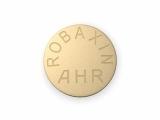
Robaxin (methocarbamol), a central nervous system depressant used as an adjunct to rest and physical therapy to relieve discomfort associated with acute, painful musculoskeletal conditions such as muscle sprains, strains, and spasms. Methocarbamol works primarily through general CNS depression and sedation rather than by directly relaxing tense skeletal muscle. In Canada, Robaxin is available as 500 mg and 750 mg tablets, while lower-dose methocarbamol is also sold over the counter in combination products with acetaminophen or ibuprofen, such as Robaxacet and Robax Platinum. For the 500 mg tablet, the usual adult initial dose is 3 tablets every 6 hours, not exceeding 12 tablets in 24 hours, with a maintenance dose of 2 tablets every 6 hours, not exceeding 8 tablets in 24 hours. Common side effects include drowsiness, dizziness, lightheadedness, nausea, and blurred vision, so avoid driving or operating machinery and do not drink alcohol while taking this medication. Methocarbamol should not be used during early pregnancy unless the potential benefits outweigh the risks. Always follow your doctor or pharmacist's instructions.
Buy Generic Robaxin (Methocarbamol) without prescription in Canada
Robaxin (Methocarbamol 500 mg): Comprehensive Patient Information for Canada
Basic Product Information
| Generic Name (INN) | Methocarbamol |
| Canadian Brand Names / Trade Names | Robaxin, Robaxin-750; combination products include Robax Platinum (methocarbamol 500 mg / ibuprofen 200 mg), Robaxacet (methocarbamol 400 mg / acetaminophen 325 mg), Robaxacet Extra Strength, Robaxisal (methocarbamol 400 mg / ASA 325 mg), Motrin Platinum Muscle & Body (ibuprofen 200 mg / methocarbamol 500 mg). Generic methocarbamol is also available. |
| ATC Code | M03BA03 (Methocarbamol) |
| Available Dosage Forms and Strengths | Tablets: 500 mg and 750 mg. Oral suspension: 750 mg/5 mL is available in some markets. Injection: 100 mg/mL (for hospital use). |
| Manufacturers | GlaxoSmithKline Consumer Healthcare ULC (Robaxin, DIN 01930990); various generic manufacturers |
| Prescription Status | Prescription only for single-ingredient methocarbamol in Canada. Methocarbamol 500 mg is available over-the-counter in combination products with acetaminophen, ibuprofen, or ASA. It is classified as an OTC product when combined with other analgesics for self-medication of muscle pain. |
Mechanism of Action
In simple terms: Robaxin is a muscle relaxant that works in the central nervous system to reduce muscle spasms and the pain associated with them. It does not directly relax tense skeletal muscles. Instead, it is believed to work through its sedative properties, which help calm the overactive nerve signals that cause muscles to tighten and spasm. This helps relieve discomfort associated with acute, painful musculoskeletal conditions such as strains and sprains.
For specialists: Methocarbamol is a carbamate derivative of guaifenesin that acts as a central nervous system (CNS) depressant with sedative and musculoskeletal relaxant properties. The mode of action of methocarbamol has not been clearly identified, but may be related to its sedative properties. Methocarbamol does not directly relax tense skeletal muscles in man. It is thought to act on the central nervous system, particularly on subcortical centres involved in the regulation of muscle tone. Its skeletal muscle relaxant effect is likely due to general CNS depression rather than a direct effect on the neuromuscular junction or muscle fibers.
Pharmacokinetics
- Absorption: Methocarbamol is well absorbed orally from the gastrointestinal tract. The systemic bioavailability has not been formally quantified, but significant first-pass metabolism occurs. The onset of action is typically within 30 minutes after oral administration.
- Metabolism: Methocarbamol is metabolized in the liver via dealkylation, hydroxylation, and conjugation. Essentially all metabolites are eliminated in the urine. Small amounts of unchanged methocarbamol are also excreted in the urine.
- Distribution: The volume of distribution is approximately 0.48 L/kg. Plasma protein binding ranges between 46% and 50% in healthy volunteers, and is slightly decreased in the elderly (41–43%) and in patients with cirrhosis (40–45%).
- Elimination: The plasma clearance of methocarbamol ranges between 0.20 and 0.80 L/h/kg. The mean plasma elimination half-life ranges between 1 and 2 hours in healthy volunteers. In elderly patients (mean age 69 years), the half-life is slightly prolonged to approximately 1.5 hours. In patients with cirrhosis, clearance is reduced by approximately 70%, and the half-life is prolonged to approximately 3.4 hours.
- Onset of Action: Following oral administration, symptomatic relief of muscle spasm typically begins within 30 minutes.
- Duration of Action: The therapeutic effect typically lasts for approximately 4 to 6 hours, supporting dosing every 4 to 6 hours.
Uses in Daily Life and Best Practice Advice
Methocarbamol is used in Canada as an adjunct to rest, physical therapy, and other measures for the relief of discomfort associated with acute, painful musculoskeletal conditions. Your physician will determine the appropriate use and dose based on your specific situation.
- Typical Uses: Relief of discomfort associated with acute, painful musculoskeletal conditions such as muscle spasm, strains and sprains, back pain, and tense neck muscles. It is not indicated for the treatment of skeletal muscle spasm resulting from rheumatic disorders.
- Administration: Tablets are taken orally with or without food. The usual adult dosage is 1,500 mg (three 500 mg tablets) four times daily for the first 48 to 72 hours, then reduced to approximately 4,000 mg per day in divided doses for maintenance.
- Monitoring: If symptoms persist or worsen after 5 days, consult your physician. Do not use for longer than 3 weeks without medical advice.
- Do Not Stop Without Medical Advice: Do not stop taking prescription methocarbamol without consulting your physician.
Morning vs. Evening Dosing
Methocarbamol is typically taken three to four times daily. There is no specific clinical recommendation for morning versus evening dosing. However, because drowsiness is a common side effect, taking the dose in the evening may help minimize daytime sedation. Always follow the schedule recommended by your physician.
- Divided Dosing: The daily dose is usually divided into three or four doses taken throughout the day.
- Consistency: Take methocarbamol at the same times each day to ensure consistent effects.
- Missed Dose: If you miss a dose, take it as soon as you remember. If it is almost time for your next dose, skip the missed dose and continue with your regular schedule. Do not take two doses at the same time.
- Professional Guidance: Your healthcare provider may adjust the frequency and timing based on your response to treatment.
Administration With or Without Food
Methocarbamol can be taken with or without food. Food does not significantly affect the absorption of methocarbamol. This flexibility makes it convenient to take at any time of day.
- Take the tablet with a full glass of water.
- Methocarbamol can be taken with or without food.
- Swallow the tablet whole. Do not crush or split the tablet unless directed by your pharmacist.
- Avoid drinking alcohol while taking methocarbamol, as it can increase drowsiness and the risk of serious side effects.
Interaction Warnings
| Interaction | Advice |
|---|---|
| Alcohol and Other CNS Depressants (e.g., benzodiazepines, opioids, tricyclic antidepressants) | Methocarbamol may potentiate the effects of CNS depressants and alcohol. Concomitant use may cause additive sedation, respiratory depression, and impaired mental and physical abilities. Avoid alcohol and use with caution. |
| Anticoagulants (blood thinners, e.g., warfarin) | Methocarbamol may interact with anticoagulants. Monitor INR closely if used together. |
| Digoxin | Methocarbamol may interact with digoxin. Monitor digoxin levels and clinical response. |
| Oral Antidiabetic Agents and Insulin | Methocarbamol may interact with these medications. Monitor blood glucose levels. |
| Diuretics | Methocarbamol may interact with diuretics. Monitor clinical response. |
| Methotrexate | Methocarbamol may interact with methotrexate. Monitor for methotrexate toxicity. |
| Lithium | Methocarbamol may interact with lithium. Monitor lithium levels. |
| Protein-Bound Drugs (e.g., probenecid, thyroxine) | Methocarbamol may interact with other protein-bound drugs. Use with caution. |
Indications for Methocarbamol
| Condition | Status |
|---|---|
| Relief of discomfort associated with acute, painful musculoskeletal conditions | Approved (Health Canada) as an adjunct to rest and physical therapy |
| Control of neuromuscular manifestations of tetanus (injectable form only) | Approved (FDA; injectable form) |
| Muscle spasm associated with rib fractures | Off-label / Supported by limited evidence |
| Rheumatoid arthritis-associated muscle spasm | Off-label / Insufficient evidence |
"Off-label" means use outside the official approved indication, usually based on current medical guidelines and scientific evidence.
Dosing According to Clinical Indication
| Indication | Adults (Initial Loading) | Adults (Maintenance) | Special Populations |
|---|---|---|---|
| Acute musculoskeletal spasm | 1,500 mg (three 500 mg tablets) four times daily for the first 48 to 72 hours | 1,000 mg (two 500 mg tablets) four times daily, or 1,500 mg three times daily. Maximum 8 g/day for severe cases; typical maximum 6 g/day. Reduce to approximately 4 g/day after 48–72 hours. | Elderly: Half the maximum dose or less may be sufficient. Hepatic impairment: Use with caution; dose increases should be more gradual and dosing intervals may need to be extended due to prolonged half-life. |
| Maximum daily dose | 8 g per day for the first 48–72 hours (severe cases) | 6 g per day (typical); 4 g per day (maintenance) | As directed by physician |
Doses should always be adjusted according to the advice of your physician and depending on your health condition. The shortest duration of treatment should be used. As painful symptoms disappear, methocarbamol should be discontinued.
Side Effects and Safety Profile
| Common (≥1%) | Occasional (0.1–1%) | Rare / Serious (<0.1%) | Warnings |
|---|---|---|---|
|
|
|
|
Guidelines for Correct Use
- Take methocarbamol exactly as prescribed by your physician. Do not change your dose without medical advice.
- Take the tablet with a full glass of water, with or without food.
- Swallow the tablet whole. Do not crush or split unless directed by your pharmacist.
- Do not use for longer than 3 weeks without medical advice. Treatment should be as short as possible.
- Avoid drinking alcohol while taking methocarbamol, as it can increase drowsiness and the risk of serious side effects.
- Do not drive or operate machinery until you know how methocarbamol affects you.
- Inform every healthcare provider (including dentists, surgeons, and pharmacists) that you are taking methocarbamol.
- If you are pregnant, planning to become pregnant, or breastfeeding, consult your physician before use.
- If you miss a dose, take it as soon as you remember. If it is almost time for your next dose, skip the missed dose. Do not double the dose.
- Store at room temperature (15–30°C) in a dry place. Keep out of reach of children.
Alternative Treatment Options
- Cyclobenzaprine (Flexeril): A muscle relaxant used for acute musculoskeletal conditions. Available in 10 mg tablets. Structurally related to tricyclic antidepressants; more sedating than methocarbamol.
- Tizanidine (Zanaflex): A centrally acting alpha-2 adrenergic agonist. Available in 2 mg and 4 mg tablets. May cause drowsiness, dry mouth, and hypotension.
- Baclofen (Lioresal): A muscle relaxant that acts on the spinal cord. Available in 10 mg and 20 mg tablets. Often used for spasticity associated with neurological conditions.
- Nonsteroidal Anti-Inflammatory Drugs (NSAIDs) (e.g., ibuprofen, naproxen): Used for pain and inflammation. May be used alone or in combination with muscle relaxants. Combination products such as Robax Platinum and Motrin Platinum Muscle & Body are available over the counter in Canada.
- Acetaminophen: An analgesic for pain relief. May be used alone or in combination with muscle relaxants (e.g., Robaxacet).
Comparison: Methocarbamol is distinguished from other muscle relaxants by its favorable safety profile, particularly its consistently lower injury rates compared to other muscle relaxants when combined with opioids, and it appears to be less sedating than cyclobenzaprine. However, a 2018 randomized controlled trial found that adding methocarbamol to naproxen did not improve outcomes at one week for acute low back pain. Methocarbamol is available over the counter in Canada in combination products with acetaminophen, ibuprofen, or ASA, making it more accessible than other prescription muscle relaxants. Your physician will determine the best option for your specific condition.
Legal Status, Registration, and Coverage in Canada
- Registration: Methocarbamol is authorized for sale in Canada by Health Canada. Robaxin (methocarbamol 500 mg) is a drug product by GlaxoSmithKline Consumer Healthcare ULC, with DIN 01930990. The product status is "Marketed" as of 2022-03-08. Methocarbamol is available as a single-ingredient prescription product and in over-the-counter combination products with acetaminophen, ibuprofen, or ASA (e.g., Robax Platinum, Robaxacet, Robaxisal, Motrin Platinum Muscle & Body).
- Prescription Status: Prescription only for single-ingredient methocarbamol. Methocarbamol 500 mg is available over-the-counter in combination products with analgesics for self-medication of muscle pain.
- Coverage: Coverage varies by province, territory, and private insurance plan. In Ontario, methocarbamol is listed as a Limited Use benefit on the Ontario Drug Benefit (ODB) formulary. In Quebec, methocarbamol is covered under the RAMQ formulary. The Correctional Service of Canada lists methocarbamol (Robaxin) with a restriction of a 5-day supply. Generic formulations are generally more affordable than brand-name products.
- Pharmacovigilance: Adverse reactions should be reported to Health Canada's MedEffect Canada program.
Recent Research and Clinical Guidelines (2022–2026)
- A 2018 randomized controlled trial by Friedman et al. found that adding methocarbamol to naproxen did not improve outcomes at one week for acute low back pain. However, methocarbamol demonstrates consistently lower injury rates compared to other muscle relaxants when combined with opioids, and it appears to be less sedating than cyclobenzaprine.
- Methocarbamol is suitable for daytime administration in patients with chronic musculoskeletal pain and spasms on a short-term scheduled or intermittent basis.
- Off-label uses of methocarbamol include muscle spasm associated with rib fractures, where several trials suggest it may improve recovery and decrease hospital length of stay. Evidence quality is low to moderate.
- Research continues to explore the role of methocarbamol in various clinical settings, including its use as part of multimodal analgesia. The 2026 guidelines for muscle relaxant use in elderly patients note that methocarbamol is a preferred option for acute muscle spasm in older adults due to its favorable safety profile.
- The 2026 guideline recommendations for muscle-relaxant therapy in chronic low-back pain state that methocarbamol has been studied for low-back pain, though evidence for its efficacy is limited compared with tizanidine.
Availability and Supply in Canada
| Packaging Format | Typical Price (CAD, per unit) | Availability |
|---|---|---|
| Robaxin 500 mg tablet (single agent), 50 tablets | Approximately $31.99 per 50 tablets | Available at pharmacies across Canada; prescription required for single-agent product |
| Robaxin 750 mg tablet (single agent), 50 tablets | Approximately $41.99 per 50 tablets | Available at pharmacies; prescription required |
| Robax Platinum (methocarbamol 500 mg / ibuprofen 200 mg), 50 caplets | Price varies; check with pharmacy | Available at pharmacies and grocery stores; OTC |
| Robaxacet (methocarbamol 400 mg / acetaminophen 325 mg), various sizes | Price varies; check with pharmacy | Available at pharmacies; OTC |
| Motrin Platinum Muscle & Body (ibuprofen 200 mg / methocarbamol 500 mg), various sizes | Price varies; check with pharmacy | Available at pharmacies; OTC |
Prices and availability may vary by province, territory, and pharmacy. Single-ingredient methocarbamol (Robaxin) is available by prescription in 500 mg and 750 mg strengths. Combination products containing methocarbamol 500 mg with acetaminophen, ibuprofen, or ASA are available over the counter. Check with your local pharmacy for current pricing and availability.
Frequently Asked Questions (FAQ)
- What is Robaxin used for?
Robaxin (methocarbamol) is used as an adjunct to rest, physical therapy, and other measures for the relief of discomfort associated with acute, painful musculoskeletal conditions such as muscle spasm, strains, sprains, back pain, and tense neck muscles. - How long does methocarbamol take to work?
Methocarbamol begins to take effect within 30 minutes after oral administration. The therapeutic effect typically lasts for approximately 4 to 6 hours. - What is the correct dose of methocarbamol 500 mg?
The usual adult dosage is 1,500 mg (three 500 mg tablets) four times daily for the first 48 to 72 hours, then reduced to approximately 4,000 mg per day in divided doses for maintenance. The maximum daily dose is 8 g for severe cases during the first 48–72 hours. Your physician will determine the appropriate dose for your condition. - Can I take methocarbamol with food?
Yes. Methocarbamol can be taken with or without food. Food does not significantly affect the absorption of the medication. - What should I do if I miss a dose?
If you miss a dose, take it as soon as you remember. If it is almost time for your next dose, skip the missed dose and continue with your regular schedule. Do not take two doses at the same time. - Can I drink alcohol while taking methocarbamol?
No. Alcohol should not be consumed while taking methocarbamol because it can increase drowsiness and the risk of serious side effects. - What are the serious side effects of methocarbamol?
Serious side effects include anaphylactic reactions, angioneurotic edema (swelling of the face, lips, tongue, or throat), jaundice (yellowing of skin or eyes), seizures, leukopenia (low white blood cell count), and thrombophlebitis. Seek immediate medical attention if you experience these symptoms. - Is methocarbamol safe during pregnancy?
Methocarbamol should be used during pregnancy only if clearly needed. There have been reports of fetal and congenital abnormalities following in utero exposure to methocarbamol. Consult your physician if you are pregnant or planning to become pregnant. - Is methocarbamol safe during breastfeeding?
Methocarbamol is excreted in the milk of dogs; however, it is not known whether it is excreted in human milk. Caution should be exercised when administered to a nursing woman. Consult your physician before use if breastfeeding. - Are there over-the-counter versions of methocarbamol available in Canada?
Yes. Methocarbamol 500 mg is available over the counter in combination products with acetaminophen, ibuprofen, or ASA (e.g., Robax Platinum, Robaxacet, Robaxisal, Motrin Platinum Muscle & Body). Single-ingredient methocarbamol (Robaxin) is available by prescription only. - What is the difference between Robaxin and Robax Platinum?
Robaxin contains methocarbamol as the single active ingredient and is available by prescription. Robax Platinum is an over-the-counter combination product containing methocarbamol 500 mg and ibuprofen 200 mg. Robax Platinum provides both muscle relaxation and pain relief with an anti-inflammatory effect.


| Shipping method | Delivery time | Price | |
 Delivery |
14-21 days | 14.95$ | Tracking# available in 4 days |
 Delivery |
9-14 days | 30$ | Tracking# available in 2 days |
- Shipping worldwide
- Confidentiality and anonymity guarantee
- Safe and secure
- Discrete looking packages
- Dispatch orders within 24 hours
- 100% success delivery


