


 Secure and Reliable
  High quality
  Worldwide shipping
  Bonuses and Discounts
  Money back Guarantee
 - Bestsellers
- Alcoholism
- COVID-19
- Allergy
- Anti Fungal
- Alzheimers
- Anti Viral
- Anti-Depressants
- Anti-Inflammatory
- Antibacterial
- Antiparasitic
- Antibiotics
- Arthritis
- Asthma
- Birth Control
- Blood Pressure
- Cancer
- Cardiovascular
- Cholesterol
- Diabetes
- Diuretics
- Erectile Dysfunction
- Eye Drop
- Gastro Health
- General Health
- Hair Loss
- Hepatitis C Virus (HCV)
- HIV
- Hormones
- Men's ED Packs
- Men's Health
- Mental Illness
- Motion Sickness
- Muscle Relaxant
- Pain Relief
- Parkinson’s Disease
- Veterinary Medicines
- Quit Smoking
- Vitamins
- Skin Care
- Sleeping Aids
- Weight Loss
- Women's Health
Generic Roflumilast
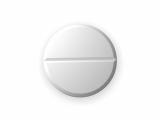

Buy Generic Roflumilast () without prescription in Canada
In our Canadian pharmacy, you can buy Roflumilast without a prescription, with delivery across Canada within 5‑14 days. Discreet and anonymous packaging.
Roflumilast is a selective phosphodiesterase‑4 (PDE4) inhibitor used as an add‑on therapy to reduce the risk of flare‑ups (exacerbations) in adults with severe chronic obstructive pulmonary disease (COPD) who have chronic bronchitis and a history of frequent exacerbations. It works by targeting the underlying chronic inflammation in the lungs, inhibiting the breakdown of cyclic adenosine monophosphate (cAMP), which helps to reduce the swelling and mucus production that contribute to COPD symptoms. Roflumilast is not a bronchodilator and should not be used for the relief of sudden breathing problems.
Usual adult dose: The recommended maintenance dose is 500 mcg taken once daily, with or without food. To improve tolerability, many clinicians recommend a starting dose of 250 mcg once daily for the first 4 weeks before increasing to the therapeutic dose of 500 mcg once daily. This medication is intended for long‑term maintenance therapy and should not be used to treat acute bronchospasm.
Dosage form: Film‑coated oral tablet containing 500 mcg of roflumilast.
Onset of action: Roflumilast does not provide immediate relief of symptoms. Its anti‑inflammatory effects build up over several weeks. A reduction in the rate of COPD exacerbations may be observed within the first few months of continuous daily therapy.
Duration of action: The clinical effect lasts for approximately 24 hours with once‑daily dosing, supported by an elimination half‑life of its active metabolite of about 30 hours.
Alcohol recommendation: Alcohol consumption should be avoided during treatment with roflumilast. Alcohol may increase the risk of gastrointestinal side effects, particularly diarrhoea, and can exacerbate mood‑related adverse effects.
Most common side effects: Diarrhoea, nausea, weight loss, decreased appetite, headache, back pain, insomnia, dizziness, and flu‑like symptoms. Weight loss is a notable side effect; regular weight monitoring is recommended. Psychiatric symptoms, including mood changes and, in rare cases, suicidal thoughts, have been reported.
Would you like to try Roflumilast without a prescription?
General Information about Roflumilast
- INN (International Nonproprietary Name): Roflumilast
- Brand names available in Canada: Daxas® (AstraZeneca Canada Inc.). Generic versions may also be available under various manufacturer names.
- ATC code: R03DX07 (other systemic drugs for obstructive airway diseases)
- Dosage forms and strengths: Film‑coated oral tablets: 250 mcg and 500 mcg. The 500 mcg strength is the standard therapeutic maintenance dose. The 250 mcg tablet is typically used as a starting dose to improve tolerability.
- Manufacturers in Canada: AstraZeneca Canada Inc. (Daxas). Historical manufacturer: Nycomed Canada Inc.
- Registration status in Canada: Approved by Health Canada (Notice of Compliance issued 2010/11/23). DIN: 02359456.
- OTC / Rx classification: Prescription only (Rx). It is a Schedule I drug under Canadian regulations.
Mechanism of Action and Pharmacology
Roflumilast is a selective, oral, once‑daily phosphodiesterase‑4 (PDE4) inhibitor. PDE4 is the major cAMP‑metabolising enzyme found in structural and inflammatory cells important to the pathogenesis of COPD, including airway smooth muscle cells, epithelial cells, neutrophils, macrophages, and CD8+ T‑cells. By inhibiting PDE4, roflumilast increases intracellular concentrations of cyclic adenosine monophosphate (cAMP). This, in turn, activates protein kinase A (PKA), which phosphorylates and inactivates key transcription factors such as nuclear factor‑kappa B (NF‑κB), leading to a broad suppression of the synthesis and release of pro‑inflammatory cytokines (e.g., tumour necrosis factor‑alpha, interleukin‑6), chemokines, and other mediators of chronic inflammation. The net result is a reduction in the neutrophilic inflammation, mucus hypersecretion, and structural remodelling characteristic of chronic bronchitis. Unlike bronchodilators, roflumilast does not directly relax airway smooth muscle; its clinical benefit derives from the attenuation of the underlying inflammatory process.
After oral administration, roflumilast is rapidly absorbed, with peak plasma concentrations achieved in approximately 1 hour (range 0.5 to 2 hours). It is extensively metabolised in the liver by cytochrome P450 (CYP) 3A4 and CYP1A2 to its primary active metabolite, roflumilast N‑oxide, which has a potency similar to the parent compound and is estimated to account for approximately 90% of the total PDE4 inhibitory activity in vivo. The elimination half‑life of roflumilast N‑oxide is approximately 30 hours, supporting once‑daily dosing. Steady‑state plasma concentrations are reached after about 4 days of continuous daily administration. The pharmacokinetics of roflumilast and its metabolite are linear over the dose range of 250 mcg to 1000 mcg. A high‑fat meal has no clinically relevant effect on the total exposure (AUC) of roflumilast or roflumilast N‑oxide, though it may increase the peak concentration of the parent drug by approximately 23%.
Indications
- As an add‑on to bronchodilator therapy, roflumilast is indicated for the maintenance treatment to reduce the risk of COPD exacerbations in adult patients with severe COPD (post‑bronchodilator FEV1 less than 50% predicted) associated with chronic bronchitis and a history of frequent exacerbations.
- Roflumilast is not a bronchodilator and should not be used for the relief of acute bronchospasm. Patients should have a short‑acting beta‑agonist (rescue inhaler) available for the treatment of sudden symptoms.
- The 500 mcg dose is the therapeutic maintenance dose. The 250 mcg dose is for the initial 4 weeks of treatment only to improve tolerability and is not considered an effective dose for preventing exacerbations.
- The safety and efficacy of roflumilast have not been established in children and adolescents.
Important Warnings and Precautions
At‑risk groups
- Pregnancy: There are limited data on the use of roflumilast in pregnant women. In animal studies, roflumilast caused stillbirth and decreased pup viability at high doses. Roflumilast should not be used during pregnancy or labour and delivery. Women of childbearing potential should use effective contraception during treatment.
- Breastfeeding: It is not known whether roflumilast is excreted in human breast milk. Because of the potential for serious adverse reactions in a nursing infant, breastfeeding is not recommended during treatment.
- Paediatrics: Safety and efficacy have not been established in children. Use is not recommended.
- Elderly: No dose adjustment is required based on age alone. However, elderly patients may be more susceptible to side effects such as diarrhoea and weight loss, and should be monitored closely.
- Hepatic impairment: Roflumilast is contraindicated in patients with moderate to severe hepatic impairment (Child‑Pugh B or C). In patients with mild hepatic impairment (Child‑Pugh A), no dose adjustment is necessary but caution is advised.
- Mental health disorders: Roflumilast may cause psychiatric adverse effects, including insomnia, anxiety, depression, and, in rare cases, suicidal thoughts and behaviour. It should be used with caution in patients with a history of depression or suicidal ideation. Patients, their families, and caregivers should be advised to report any changes in mood, behaviour, or thinking immediately.
- Weight loss: Roflumilast can cause clinically significant weight loss. Body weight should be monitored regularly during treatment. If unexplained or persistent weight loss occurs, consideration should be given to discontinuing the medication.
- Acute bronchospasm: Roflumilast is not a bronchodilator and must not be used to treat acute asthma attacks or sudden worsening of COPD. Patients should be instructed to use their rescue inhaler for acute symptoms.
- Allergy: Do not take roflumilast if you have a known hypersensitivity to the active substance or any of the excipients (lactose monohydrate, maize starch, povidone, magnesium stearate).
Driving and alcohol
Roflumilast may cause dizziness, fatigue, or other central nervous system effects that could impair the ability to drive or operate machinery. Patients should be cautious when engaging in activities requiring mental alertness until they know how the medication affects them. Alcohol consumption should be avoided during treatment, as it may increase the risk of gastrointestinal side effects such as diarrhoea and nausea, and can also exacerbate psychiatric symptoms.
Dosage Instructions
- Standard therapeutic dose: The recommended maintenance dose is 500 mcg taken orally once daily, with or without food.
- Starting dose for tolerability: To reduce the incidence of side effects, particularly diarrhoea and nausea, treatment may be started with a 250 mcg tablet once daily for the first 4 weeks, followed by an increase to the 500 mcg tablet once daily. Patients should be counselled that the 250 mcg dose is for tolerability only and is not the effective therapeutic dose.
- Administration: Swallow the tablet whole with a glass of water. It can be taken at any time of day, but consistent timing each day is recommended. It may be taken with or without food.
- Missed dose: If a dose is missed, take it as soon as remembered on the same day. If it is close to the time of the next dose, skip the missed dose and resume the usual schedule. Do not take a double dose to make up for the missed one.
- Duration of therapy: Roflumilast is intended for long‑term maintenance therapy. Its effectiveness should be assessed periodically, and discontinuation should be considered if no benefit is observed after one year of treatment, or if intolerable side effects develop.
Side Effects and Contraindications
- Very common side effects (≥ 10%): Diarrhoea. This is most common during the first 4 weeks of therapy and often resolves with continued use.
- Common side effects (1‑10%): Weight loss, decreased appetite, nausea, abdominal pain, headache, insomnia, back pain, dizziness, and influenza.
- Uncommon but serious side effects: Psychiatric disorders including depression, anxiety, panic attacks, suicidal thoughts and behaviour. These may be more likely in patients with a pre‑existing history of depression or psychiatric illness. Hypersensitivity reactions including angioedema, rash, and urticaria have also been reported.
- Weight decrease: Clinically significant weight loss has been reported. In clinical studies, the mean weight loss in roflumilast‑treated patients was approximately 2 kg over one year. Patients whose body weight is a concern should be monitored regularly.
- Contraindications: Roflumilast is contraindicated in patients with moderate to severe hepatic impairment (Child‑Pugh B or C), known hypersensitivity to roflumilast or any of the tablet excipients, and pregnancy or breastfeeding. It is also contraindicated in patients with a history of severe depression or suicidal behaviour.
Drug Interactions
- Strong cytochrome P450 enzyme inducers: Concomitant use of strong CYP3A4 inducers (e.g., rifampicin, phenobarbital, carbamazepine, phenytoin) can significantly reduce the systemic exposure to roflumilast and its active metabolite, potentially reducing its therapeutic effect. This combination is not recommended.
- CYP3A4 inhibitors and dual CYP3A4/CYP1A2 inhibitors: Drugs that inhibit CYP3A4 (e.g., ketoconazole, itraconazole, clarithromycin) or dual inhibitors of CYP3A4 and CYP1A2 (e.g., fluvoxamine, enoxacin, cimetidine) can increase the systemic exposure to roflumilast, which may increase the risk of adverse effects. The risks and benefits of such concurrent use should be carefully weighed.
- Oral contraceptives containing gestodene and ethinyl estradiol: Co‑administration with these oral contraceptives may increase roflumilast systemic exposure and the risk of side effects. The risk of concurrent use should be evaluated.
- No significant interactions observed: No clinically relevant pharmacokinetic interactions were observed when roflumilast 500 mcg was co‑administered with inhaled salbutamol, formoterol, budesonide, or oral montelukast, digoxin, theophylline, warfarin, sildenafil, midazolam, or antacids.
- Alcohol: Alcohol should be avoided, as it may increase gastrointestinal side effects, particularly diarrhoea.
Practical Advice
- Administration: Take one tablet at the same time each day, with or without food. Swallow the tablet whole with a glass of water. Do not crush or chew it. If you are starting with the 250 mcg dose, set a reminder to increase to the 500 mcg dose after 4 weeks.
- Monitoring: Your doctor will want to monitor your weight regularly, as roflumilast can cause weight loss. Report any significant, unexplained, or bothersome weight loss. Your doctor should also be informed of any changes in mood, sleep, or behaviour, as the medication may affect mental health.
- Storage: Store at room temperature (15‑30 °C) in a dry place, protected from moisture and light. Keep the tablets in their original packaging and out of the reach and sight of children.
- Lifestyle: Take roflumilast exactly as prescribed; it is not for relieving sudden breathing problems. Always have your short‑acting rescue inhaler with you. Continue all other COPD medications, including inhalers and oxygen therapy, as directed by your doctor. Smoking cessation is the most important step in managing COPD, and roflumilast is not a substitute for quitting smoking. Engage in a pulmonary rehabilitation program if available.
- When to seek medical review: Contact your doctor promptly if you experience severe or persistent diarrhoea, unintended weight loss, new or worsening anxiety, depression, or any thoughts of self‑harm. Seek emergency care for signs of a severe allergic reaction (e.g., swelling of the face or throat, difficulty breathing) or if you have a severe COPD flare‑up that does not respond to your rescue inhaler.
- Disposal: Return unused or expired medication to a pharmacy for safe disposal. Do not flush down the toilet or discard in household waste.
Alternative Medications
- Long‑acting bronchodilators (LABA/LAMA): Long‑acting beta‑agonists (e.g., salmeterol, formoterol, indacaterol) and long‑acting muscarinic antagonists (e.g., tiotropium, aclidinium, umeclidinium) are first‑line maintenance therapies for moderate to severe COPD and provide direct bronchodilation with fewer systemic side effects.
- Combination inhalers: Fixed‑dose combinations of ICS/LABA (e.g., fluticasone/vilanterol, budesonide/formoterol) or LABA/LAMA (e.g., indacaterol/glycopyrronium, umeclidinium/vilanterol) provide dual bronchodilation or anti‑inflammatory plus bronchodilator effects in a single device.
- Azithromycin: A macrolide antibiotic that has been shown to reduce COPD exacerbations when used long‑term as add‑on therapy. This is an alternative oral anti‑inflammatory strategy for patients with frequent exacerbations.
- Inhaled corticosteroids (ICS): Fluticasone, budesonide, and beclomethasone delivered via inhalation are cornerstones of anti‑inflammatory management for patients with recurrent exacerbations and an asthmatic component.
- Oxygen therapy: For patients with severe resting hypoxemia, long‑term oxygen therapy improves survival and quality of life.
- Pulmonary rehabilitation: Exercise training, education, and breathing retraining are effective non‑pharmacological interventions for COPD.
- Smoking cessation: The single most effective intervention for slowing disease progression. Pharmacotherapy options include nicotine replacement therapy, varenicline (Champix), and bupropion (Zyban).
Clinical Efficacy
The efficacy of roflumilast in reducing COPD exacerbations was demonstrated in two large, randomised, double‑blind, placebo‑controlled Phase III trials (M2‑124 and M2‑125) involving over 3,000 patients with severe COPD. Participants had a post‑bronchodilator FEV1 of ≤ 50% predicted, a history of chronic bronchitis, and at least one exacerbation in the year prior to enrolment. Patients continued background therapy with long‑acting bronchodilators (tiotropium or a LABA) and inhaled corticosteroids as clinically appropriate. In the pooled analysis, roflumilast 500 mcg once daily significantly reduced the rate of moderate (requiring systemic steroids) or severe (requiring hospitalisation) exacerbations by approximately 17% compared with placebo. The absolute reduction in exacerbation rate was 0.23 exacerbations per patient per year, and the number needed to treat (NNT) to prevent one additional exacerbation was approximately 4.3. The benefit was consistent across subgroups, including those on concurrent LABA or LAMA therapy.
A subsequent 6‑month study (M2‑128) evaluated roflumilast when added to inhaled corticosteroids (ICS), demonstrating a significant reduction in the exacerbation rate and an improvement in lung function as measured by FEV1 compared with placebo plus ICS alone. Roflumilast did not demonstrate an improvement in health‑related quality of life scores (St. George’s Respiratory Questionnaire) in all studies, but improvements in pre‑ and post‑bronchodilator FEV1 (approximately 50‑60 mL improvement over placebo) were consistent findings. The onset of effect on exacerbation reduction was observed within the first 4 months of therapy, and the benefit was sustained over the 52‑week study periods. The RELIANCE study, a head‑to‑head comparison with azithromycin, is ongoing and may further clarify the role of roflumilast relative to other oral anti‑inflammatory strategies.
Important:
Roflumilast is a prescription medication that should be used only under the supervision of a qualified healthcare professional. It is intended for the long‑term maintenance treatment of severe COPD with chronic bronchitis, not for the relief of sudden breathing difficulties. Always keep a short‑acting rescue inhaler on hand for acute symptoms. This medication can cause serious psychiatric side effects, including insomnia, anxiety, depression, and suicidal thoughts. If you experience any unusual changes in mood, behaviour, or thinking, or if you have thoughts of harming yourself, contact your doctor immediately. Weight loss is common; regular monitoring is essential. Do not stop taking your other COPD medications unless instructed by your doctor. If you miss a dose, skip it and continue your regular schedule; never double the dose. This information is not a substitute for professional medical advice, diagnosis, or treatment.


| Shipping method | Delivery time | Price | |
 Delivery Delivery |
14-21 days | 14.95$ | Tracking# available in 4 days |
 Delivery Delivery |
9-14 days | 30$ | Tracking# available in 2 days |
- Shipping worldwide
- Confidentiality and anonymity guarantee
- Safe and secure
- Discrete looking packages
- Dispatch orders within 24 hours
- 100% success delivery


