


 Secure and Reliable
  High quality
  Worldwide shipping
  Bonuses and Discounts
  Money back Guarantee
 - Bestsellers
- Alcoholism
- COVID-19
- Allergy
- Anti Fungal
- Alzheimers
- Anti Viral
- Anti-Depressants
- Anti-Inflammatory
- Antibacterial
- Antiparasitic
- Antibiotics
- Arthritis
- Asthma
- Birth Control
- Blood Pressure
- Cancer
- Cardiovascular
- Cholesterol
- Diabetes
- Diuretics
- Erectile Dysfunction
- Eye Drop
- Gastro Health
- General Health
- Hair Loss
- Hepatitis C Virus (HCV)
- HIV
- Hormones
- Men's ED Packs
- Men's Health
- Mental Illness
- Motion Sickness
- Muscle Relaxant
- Pain Relief
- Parkinson’s Disease
- Veterinary Medicines
- Quit Smoking
- Vitamins
- Skin Care
- Sleeping Aids
- Weight Loss
- Women's Health
Rybelsus (Ozempic Oral) ( Semaglutide )
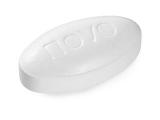
Rybelsus (semaglutide) is an oral glucagon-like peptide-1 (GLP-1) receptor agonist indicated for the treatment of type 2 diabetes mellitus in adults, as an adjunct to diet and exercise to improve glycemic control. It is the first and only orally administered GLP-1 receptor agonist available for clinical use. Semaglutide works by binding to and activating GLP-1 receptors, which stimulates glucose-dependent insulin secretion from pancreatic beta cells, suppresses inappropriately elevated glucagon secretion, and slows gastric emptying. These combined mechanisms contribute to reductions in both fasting and postprandial blood glucose concentrations. To enable oral absorption of this peptide-based molecule, Rybelsus is co-formulated with sodium N-[8-(2-hydroxybenzoyl) amino] caprylate (SNAC), an absorption enhancer that protects semaglutide from proteolytic degradation in the stomach and facilitates its transcellular absorption across the gastric epithelium.
Usual adult dose: The recommended dosing regimen follows a stepwise titration schedule. Treatment is initiated at 3 mg once daily for the first 30 days (1 month); this introductory dose is not intended to achieve glycemic control but serves to allow gastrointestinal adaptation to the medication. After 30 days on the 3 mg dose, the dose is increased to 7 mg once daily. For patients who require additional glycemic improvement and have tolerated the 7 mg dose for at least 30 days, the dose may be further escalated to the maximum maintenance dose of 14 mg once daily. Rybelsus must be taken on an empty stomach immediately upon waking, with no more than 120 mL (approximately half a glass) of plain water. Patients must wait at least 30 minutes after taking the tablet before consuming any food, beverages, or other oral medications. Failure to follow these administration instructions significantly reduces semaglutide absorption and compromises therapeutic efficacy. Swallow tablets whole; do not split, crush, or chew the tablet. No dose adjustment is required for renal or hepatic impairment.
Dosage form: Tablets: 3 mg (white to light yellow, oval, engraved with "3" on one side and "novo" on the other), 7 mg (white to light yellow, oval, engraved with "7" on one side and "novo" on the other), and 14 mg (white to light yellow, oval, engraved with "14" on one side and "novo" on the other). Each tablet contains semaglutide co-formulated with the absorption enhancer SNAC to facilitate gastric absorption.
Onset of action: Following correct oral administration under fasting conditions, semaglutide is absorbed in the stomach, with peak plasma concentrations reached approximately 1 hour post-dose. Steady-state plasma concentrations are achieved after 4 to 5 weeks of once-daily dosing. Clinically meaningful reductions in fasting plasma glucose, postprandial glucose, and glycated hemoglobin (HbA1c) are typically observed within the first 4 to 8 weeks of treatment at the therapeutic maintenance doses of 7 mg and 14 mg. Maximal glycemic effects generally develop over 12 to 26 weeks of continuous therapy.
Duration of action: The elimination half-life of semaglutide is approximately 1 week (7 days), which is consistent across all dosage strengths. This extended half-life allows for consistent 24-hour glycemic coverage with once-daily oral dosing and provides a degree of forgiveness for occasional dosing delays, although daily administration at the same time each morning is strongly recommended to maintain stable plasma concentrations and optimal therapeutic effect.
Alcohol recommendation: No clinically significant pharmacokinetic interaction between semaglutide and alcohol has been established. However, alcohol consumption requires careful consideration in patients with type 2 diabetes, as alcohol can alter blood glucose levels, potentially causing both hypoglycemia (particularly on an empty stomach or in patients taking concomitant insulin or sulfonylureas) and hyperglycemia. Moderate alcohol consumption according to general diabetic dietary recommendations is generally acceptable; however, the caloric content of alcoholic beverages should be considered within the context of weight management goals. Patients should monitor their blood glucose more closely if consuming alcohol and discuss safe limits with their healthcare provider.
Most common side effects: Nausea, diarrhea, vomiting, decreased appetite, dyspepsia, constipation, and abdominal pain. Gastrointestinal adverse effects are the most frequently reported, are predominantly mild to moderate in severity, and are most pronounced during the dose-escalation phase, typically diminishing with continued treatment. Nausea occurs in approximately 15% to 20% of patients during the initial weeks of therapy. The stepwise dose-titration regimen is specifically designed to minimize gastrointestinal intolerance. Weight loss is a recognized pharmacodynamic effect of GLP-1 receptor agonists and may be observed in many patients. Serious but rare adverse events include acute pancreatitis, gallbladder disease, and worsening of pre-existing diabetic retinopathy. Hypoglycemia is uncommon when Rybelsus is used as monotherapy, but the risk increases with concomitant use of insulin or insulin secretagogues such as sulfonylureas. As with all GLP-1 receptor agonists, there is a potential risk of medullary thyroid carcinoma based on rodent studies; patients with a personal or family history of medullary thyroid carcinoma or Multiple Endocrine Neoplasia syndrome type 2 should not use this medication.
Would you like to learn more about Rybelsus (Semaglutide) as an oral treatment option for type 2 diabetes?
Buy Rybelsus (Ozempic Oral) (Semaglutide) without prescription in Canada
At our pharmacy, you can buy Rybelsus without a prescription, with discreet and anonymous packaging delivered within 5-14 days across Canada.
What is Rybelsus?
Rybelsus is the oral tablet form of semaglutide, the same active ingredient found in Ozempic and Wegovy. It's a GLP-1 receptor agonist used to improve blood sugar control in adults with type 2 diabetes. It's the first GLP-1 agonist available as a pill rather than an injection. For people who can't or won't use needles, that matters.
GLP-1 is a natural hormone released from the gut after eating. It tells the pancreas to release insulin when blood sugar is high, suppresses glucagon release from the liver, slows gastric emptying so you feel full longer, and acts on the brain to reduce appetite. Semaglutide mimics GLP-1, but with a much longer half-life. The native hormone is broken down in minutes. Semaglutide is engineered to resist enzymatic degradation, so a single dose lasts all day.
The blood sugar effect is glucose-dependent. When your blood sugar is already normal, semaglutide doesn't push it lower and cause hypoglycemia the way insulin or sulfonylureas can. That's a major advantage. The weight loss effect is independent of the blood sugar effect and occurs because of the slowed gastric emptying and central appetite suppression. People on Rybelsus often lose 3 to 5 kg over 6 to 12 months, sometimes more.
The onset of glucose lowering begins within the first week, but the full effect builds over several weeks as the dose is titrated up. Rybelsus comes in three strengths: 3 mg, 7 mg, and 14 mg. The 3 mg dose is a starting dose and is not therapeutic for blood sugar. It exists to get your body used to the drug and minimize GI side effects. The 7 mg and 14 mg doses are the maintenance doses for glycemic control.
Mechanism and Pharmacology
Semaglutide is a synthetic analogue of human GLP-1 with 94 percent sequence homology. Two key structural modifications give it its extended duration. A fatty acid side chain is attached, which promotes binding to albumin in the blood, protecting the molecule from rapid renal clearance. An amino acid substitution at position 8 prevents cleavage by dipeptidyl peptidase-4 (DPP-4), the enzyme that normally inactivates GLP-1 within minutes. The half-life of semaglutide is about one week. That's what allows once-weekly injection with Ozempic and once-daily oral dosing with Rybelsus.
Semaglutide binds to GLP-1 receptors on pancreatic beta cells, stimulating insulin secretion in a glucose-dependent manner. When glucose levels are normal, the insulin effect is minimal. When glucose rises after a meal, insulin release is amplified. It also suppresses glucagon secretion from pancreatic alpha cells, reducing hepatic glucose output. The net effect is lower fasting and postprandial glucose.
In the stomach, semaglutide slows gastric emptying. Food stays in the stomach longer. The feeling of fullness persists. This contributes to the early satiety that helps with weight loss. In the brain, semaglutide activates GLP-1 receptors in the hypothalamus and brainstem, directly suppressing appetite and reducing food intake.
Rybelsus uses an absorption enhancer called sodium N-[8-(2-hydroxybenzoyl) amino] caprylate (SNAC) to protect semaglutide from the acidic environment of the stomach and facilitate absorption across the gastric mucosa. SNAC raises the local pH around the tablet, shielding semaglutide from degradation. Bioavailability is low, less than 1 percent, but it's consistent enough to produce predictable clinical effects. The requirement to take it on an empty stomach with a small sip of water and to wait 30 minutes before eating or drinking anything else is non-negotiable because food and liquids interfere with absorption.
How to Use Rybelsus
The dosing schedule is structured and must be followed precisely. The effectiveness of the drug depends on absorption, and absorption depends on correct administration.
- Step 1: Take the tablet first thing in the morning, immediately after waking up.
- Step 2: Swallow it whole with no more than 120 mL (half a cup) of plain water. Do not split, crush, or chew the tablet.
- Step 3: Wait at least 30 minutes before eating, drinking anything else, or taking any other oral medications. That 30-minute window is critical. Any food, coffee, tea, juice, or other medication during that window reduces absorption significantly.
The dose titration is as follows:
- Month 1: 3 mg once daily. This is the initiation dose, not therapeutic. It allows the GI tract to adapt.
- Month 2: 7 mg once daily. This is the first therapeutic dose for glycemic control.
- Month 3 onward: 14 mg once daily if additional glycemic control is needed. Not everyone needs to go to 14 mg. If 7 mg achieves your A1C target, stay there.
If you miss a dose, skip it and take the next one at the usual time the following morning. Do not double up. If you miss Rybelsus for several days, you may need to restart at 3 mg and titrate up again, because GI tolerance is lost quickly. Discuss with your doctor.
Rybelsus is not a substitute for insulin. It can be used alongside insulin, sulfonylureas, metformin, or SGLT2 inhibitors, but when combined with insulin or sulfonylureas, the risk of hypoglycemia increases and the doses of those other drugs may need to be reduced.
Side Effects of Rybelsus
GI side effects dominate the tolerability profile. Nausea, vomiting, diarrhea, and constipation are the most common reasons people stop the drug. These are dose-dependent and most prominent during titration. Nausea affects about 15 to 20 percent of users, mostly in the first few weeks of each dose increase. It's caused by delayed gastric emptying and central effects on the brainstem. Taking the tablet exactly as directed, with only a sip of water and nothing else for 30 minutes, reduces nausea. Eating smaller meals, avoiding fatty and spicy foods, and not eating late at night also help.
Vomiting and diarrhea are less common than nausea but more disruptive. They tend to diminish over time as the body adapts. If they're severe or persistent, the dose may need to be held at 3 mg or 7 mg for longer than the standard 4 weeks before advancing.
Decreased appetite is both a side effect and a therapeutic effect. For someone with diabetes who is overweight, it's a benefit. For someone who is frail or at a normal weight, it can lead to excessive weight loss. Clinically significant weight loss occurs in a majority of patients, averaging 2 to 5 kg over 6 months, with some losing considerably more.
Hypoglycemia is uncommon with Rybelsus monotherapy because insulin secretion is glucose-dependent. When combined with sulfonylureas or insulin, the risk increases. Patients on these combinations should monitor blood glucose more closely during Rybelsus initiation and titration, and the doses of the other medications may need downward adjustment.
Pancreatitis has been reported with GLP-1 agonists, including semaglutide. The absolute risk is low. Symptoms are severe abdominal pain radiating to the back, nausea, and vomiting. If pancreatitis is suspected, Rybelsus should be stopped and not restarted. Patients with a history of pancreatitis were excluded from clinical trials, so the safety in that population is unknown.
Gallbladder disease, including cholelithiasis and cholecystitis, occurs at a slightly higher rate in patients on GLP-1 agonists. The mechanism is likely related to weight loss and altered bile composition. Abdominal pain should be evaluated with this in mind.
Thyroid C-cell tumors have been observed in rodents given semaglutide at high doses. It's unknown whether this translates to human risk. The label carries a boxed warning about medullary thyroid carcinoma. Rybelsus is contraindicated in patients with a personal or family history of medullary thyroid cancer or multiple endocrine neoplasia syndrome type 2 (MEN 2).
High-Risk Groups (Elderly, Pregnancy)
Pregnancy. Semaglutide is not recommended during pregnancy. In animal studies, it caused embryo-fetal toxicity at exposures below the human therapeutic range. The hormonal effects of GLP-1 agonism during organogenesis are not well studied. Women of childbearing age should use effective contraception while on Rybelsus. If pregnancy is planned, the drug should be discontinued at least 2 months before conception because of the long half-life. If pregnancy occurs while taking Rybelsus, stop it and consult your doctor. Insulin is the standard of care for glycemic control during pregnancy.
Breastfeeding. There are no human data on semaglutide in breast milk. In lactating rats, semaglutide was excreted into milk. Given the long half-life and the unknown risk to the infant, Rybelsus is not recommended during breastfeeding.
Elderly patients. Age alone does not require dose adjustment. The GI side effects may be more problematic in older adults, particularly if they're already at risk for dehydration from vomiting or diarrhea. The weight loss effect, which is beneficial in younger overweight patients, can be detrimental in frail elderly patients at risk for sarcopenia. The decision to use a GLP-1 agonist in an older adult should consider body weight, frailty, renal function, and overall goals of care.
Renal impairment. No dose adjustment is needed for mild, moderate, or severe renal impairment. There is limited experience in end-stage renal disease requiring dialysis. Acute kidney injury has been reported with GLP-1 agonists, usually secondary to severe GI side effects causing volume depletion. Staying hydrated and managing nausea and diarrhea proactively reduces this risk.
Hepatic impairment. No dose adjustment is needed. Semaglutide is metabolized by proteolytic cleavage, not by cytochrome P450 enzymes, so liver function doesn't significantly affect drug levels.
Diabetic retinopathy. GLP-1 agonists have been associated with worsening of diabetic retinopathy in some patients, possibly related to the rapid improvement in glycemic control. A1C should not be lowered too quickly. If you have established retinopathy, discuss monitoring with your ophthalmologist before and during treatment.
Interaction With Activities (Driving, Alcohol)
Rybelsus does not cause sedation, dizziness, or cognitive impairment. Driving is not directly affected by the drug. The main consideration is hypoglycemia in patients also taking sulfonylureas or insulin. If you're on one of those combinations, check your blood glucose before driving. Carry a fast-acting glucose source in the car. The symptoms of hypoglycemia, shakiness, sweating, confusion, can impair driving as much as any sedative.
Alcohol in moderation is generally acceptable. There's no direct pharmacokinetic interaction. However, alcohol can lower blood glucose, particularly in people on sulfonylureas or insulin, and can mask the symptoms of hypoglycemia. Alcohol is also calorie-dense and can worsen the nausea and GI side effects of Rybelsus. Heavy drinking should be avoided, partly for the drug interaction risk and partly because it undermines weight management and glycemic control. If you drink, do so in moderation and with food.
Drug Interactions
Semaglutide has relatively few direct pharmacokinetic drug interactions because it's metabolized by proteolysis, not CYP enzymes, and is highly protein-bound but not displacing. The main interactions are pharmacodynamic or related to gastric emptying.
Oral medications that require rapid absorption can be affected because Rybelsus slows gastric emptying. The clinical significance is usually minor, but it's worth being aware of. The 30-minute waiting period after taking Rybelsus before any other oral medication is standard. For drugs with a narrow therapeutic index that are critically dependent on timing, like levothyroxine, consider taking them at a different time of day from Rybelsus, separating by several hours if possible.
Sulfonylureas (glyburide, gliclazide, glimepiride) and insulin increase the risk of hypoglycemia when combined with Rybelsus. The doses of these medications should be reduced when Rybelsus is started, and blood glucose should be monitored more frequently. This is not a contraindication. It's a dose adjustment issue.
Warfarin and other anticoagulants. Semaglutide can slightly increase the absorption time and peak concentration of drugs due to delayed gastric emptying. The effect on INR with warfarin is not clinically significant in most patients, but INR should be monitored when starting or increasing the Rybelsus dose as a precaution.
Other GLP-1 agonists should not be combined with Rybelsus. There's no added benefit and more side effects. DPP-4 inhibitors (sitagliptin, linagliptin, saxagliptin) work on the same pathway and are also not combined, because there's no rationale for adding a DPP-4 inhibitor to a GLP-1 agonist.
Alternative Options
Rybelsus is one of several GLP-1 agonists and one of many options for type 2 diabetes. Here's how it compares:
Ozempic (semaglutide injection) is the same drug as Rybelsus, given as a once-weekly subcutaneous injection. The bioavailability is higher. The weight loss and A1C reduction are slightly greater than with oral semaglutide, partly because the injected dose can be pushed higher. The choice between Rybelsus and Ozempic is about needle tolerance versus the inconvenience of the daily oral regimen. If you can't do injections, Rybelsus is the answer. If you prefer a once-weekly injection over a daily pill with strict timing rules, Ozempic is simpler.
Trulicity (dulaglutide) is a once-weekly injectable GLP-1 agonist. It's effective and well tolerated. The auto-injector pen is easy to use. It's been on the market longer than oral semaglutide and has extensive cardiovascular outcome data showing reduction in major cardiovascular events.
Victoza (liraglutide) is a once-daily injectable GLP-1 agonist. It has strong evidence for both diabetes and weight loss, plus cardiovascular benefit. The daily injection is a drawback compared to once-weekly options, but it's effective.
Mounjaro (tirzepatide) is not just a GLP-1 agonist. It's a dual GIP and GLP-1 receptor agonist. It produces more weight loss and more A1C reduction than semaglutide. It's injectable and currently the most potent option in the class. Not available as an oral formulation.
Metformin remains first-line for type 2 diabetes. It's oral, inexpensive, and effective. It doesn't cause weight loss to the degree GLP-1 agonists do, but it's weight-neutral and has decades of safety data. Rybelsus is usually added to metformin, not used instead of it, unless metformin is not tolerated.
SGLT2 inhibitors (empagliflozin, dapagliflozin, canagliflozin) are oral drugs that lower glucose by increasing urinary glucose excretion. They cause weight loss and have proven cardiovascular and renal benefits. They're often combined with GLP-1 agonists because the mechanisms are complementary.
DPP-4 inhibitors (sitagliptin, linagliptin) are oral, well tolerated, and weight-neutral. They're less effective for A1C reduction than GLP-1 agonists and don't cause weight loss. They're a gentler option for people who can't tolerate GLP-1 agonists.
INN, Brand Names, and Classification in Canada
INN (International Nonproprietary Name): Semaglutide (oral)
Available brand names in Canada: Rybelsus
ATC code: A10BJ06
Forms and strengths: Tablets 3 mg, 7 mg, 14 mg
Manufacturers: Novo Nordisk Canada Inc.
Registration status in Canada: Registered
Classification: Prescription (Rx)
Making Rybelsus Work
The morning routine with Rybelsus is rigid and some people never get used to it. You wake up, take the pill with a tiny sip of water, and then you wait half an hour before your coffee, your breakfast, your other medications. For someone who starts the day with coffee within 5 minutes of waking, that 30-minute wait feels like an hour. But it's not optional. Food or liquid in the stomach during that window reduces absorption by 30 to 50 percent. If you're going to take Rybelsus, commit to the routine. Set a timer. Keep the pill and a small glass of water on your nightstand. Take it the moment you wake up. By the time you've showered and dressed, the 30 minutes are up.
GI side effects during titration are predictable. Eat smaller meals. Avoid greasy food. Don't eat within 3 hours of bedtime. If nausea is bad, stay at the current dose for longer than 4 weeks before moving up. The 3 mg dose isn't doing much for your blood sugar, but it's training your gut. Be patient.
Rybelsus is not a weight loss drug in Canada. It's approved for type 2 diabetes. The weight loss it causes is a beneficial side effect, not the labeled indication. Wegovy, which is injectable semaglutide at a higher dose, is the version approved for obesity. Some people use Ozempic off-label for weight loss. Rybelsus is not typically used that way because the oral bioavailability limits how high a dose can be delivered.
Rybelsus is legally classified as prescription-only in Canada. However, through our pharmacy, you can purchase Rybelsus without a prescription and receive it in discreet packaging anywhere across the country.
Frequently Asked Questions
Why can't I take Rybelsus with coffee?
Any liquid other than plain water, and any food, during the 30-minute window reduces absorption. Coffee stimulates gastric acid and motility. It interferes with the SNAC absorption enhancer system. If you must have your morning coffee, take Rybelsus, wait 30 minutes, then have your coffee. It's annoying but non-negotiable.
What if I vomit after taking Rybelsus?
If you vomit within 30 minutes of taking the tablet, it likely hasn't been fully absorbed. Don't take another dose that day. Continue with your regular dose the next morning. If vomiting is frequent, the dose may need to be held at the current level or reduced. Talk to your doctor.
Can I switch from Ozempic to Rybelsus?
Yes. The switch is from a once-weekly injection to a once-daily pill of the same drug. If you're on Ozempic 0.5 mg weekly, you would typically start Rybelsus at 7 mg daily. If you're on Ozempic 1 mg weekly, you would start Rybelsus at 14 mg daily. The switch should be timed so you take the first Rybelsus dose 7 days after your last Ozempic injection. Don't overlap them.
Will Rybelsus cause hypoglycemia?
Unlikely when used alone. Semaglutide stimulates insulin only when glucose is high. Hypoglycemia risk increases when Rybelsus is combined with sulfonylureas or insulin. If you're on one of those, monitor your blood glucose, and your doctor may reduce the dose of the other medication.
How much weight will I lose on Rybelsus?
Average weight loss in trials was 2 to 5 kg over 6 to 12 months. Some people lose more. Some lose little to none. The effect is partly from reduced appetite and partly from delayed gastric emptying. It varies.
Is Rybelsus safe for kidneys?
Semaglutide itself is not nephrotoxic. In fact, GLP-1 agonists have shown renal protective effects in cardiovascular outcome trials, reducing the progression of diabetic kidney disease. The risk to kidneys comes from dehydration due to severe GI side effects. Stay hydrated, especially during titration.
Delivery Information Across Canada
We ship Rybelsus to all provinces and territories. Delivery times vary depending on how remote your location is:
- Ontario (Toronto, Ottawa, Mississauga): 5 to 7 days
- Quebec (Montreal, Quebec City, Laval): 5 to 7 days
- British Columbia (Vancouver, Victoria, Burnaby): 5 to 9 days
- Alberta (Calgary, Edmonton, Red Deer): 5 to 9 days
- Manitoba (Winnipeg, Brandon): 5 to 9 days
- Saskatchewan (Saskatoon, Regina): 5 to 9 days
- Nova Scotia (Halifax, Sydney): 5 to 9 days
- New Brunswick (Moncton, Fredericton): 5 to 9 days
- Newfoundland and Labrador (St. John's, Corner Brook): 7 to 14 days
- Prince Edward Island (Charlottetown): 7 to 14 days
- Yukon, Northwest Territories, Nunavut: 7 to 14 days
All shipments are packed discreetly with no branding or indication of contents on the outside.


| Shipping method | Delivery time | Price | |
 Delivery Delivery |
14-21 days | 14.95$ | Tracking# available in 4 days |
 Delivery Delivery |
9-14 days | 30$ | Tracking# available in 2 days |
- Shipping worldwide
- Confidentiality and anonymity guarantee
- Safe and secure
- Discrete looking packages
- Dispatch orders within 24 hours
- 100% success delivery


