


 Secure and Reliable
  High quality
  Worldwide shipping
  Bonuses and Discounts
  Money back Guarantee
 - Bestsellers
- Alcoholism
- COVID-19
- Allergy
- Anti Fungal
- Alzheimers
- Anti Viral
- Anti-Depressants
- Anti-Inflammatory
- Antibacterial
- Antiparasitic
- Antibiotics
- Arthritis
- Asthma
- Birth Control
- Blood Pressure
- Cancer
- Cardiovascular
- Cholesterol
- Diabetes
- Diuretics
- Erectile Dysfunction
- Eye Drop
- Gastro Health
- General Health
- Hair Loss
- Hepatitis C Virus (HCV)
- HIV
- Hormones
- Men's ED Packs
- Men's Health
- Mental Illness
- Motion Sickness
- Muscle Relaxant
- Pain Relief
- Parkinson’s Disease
- Veterinary Medicines
- Quit Smoking
- Vitamins
- Skin Care
- Sleeping Aids
- Weight Loss
- Women's Health
Generic Semaglutide
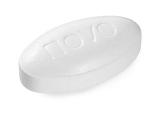
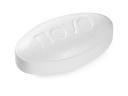
Buy Generic Semaglutide () without prescription in Canada
In our Canadian pharmacy, you can buy Semaglutide (Rybelsus) without a prescription, with delivery across Canada within 5‑14 days. Discreet and anonymous packaging.
Semaglutide, marketed in Canada as Rybelsus, is the first oral glucagon‑like peptide‑1 (GLP‑1) receptor agonist for the treatment of type 2 diabetes mellitus in adults. It works by mimicking the body’s own GLP‑1 hormone: it stimulates insulin secretion when blood glucose is high, suppresses glucagon release from the pancreas, and modestly slows gastric emptying. Together these effects lower blood sugar, reduce appetite, and support modest weight loss, making it a valuable option when diet, exercise, and other glucose‑lowering medicines are not enough.
Usual adult dose: Treatment is started at 3 mg taken orally once daily for 30 days; this introductory dose is not effective for glucose control and is used only to help the body adjust to the medication. After 30 days, the dose is increased to 7 mg once daily. If further glucose lowering is needed after at least another 30 days on the 7 mg dose, the dose may be increased to the maintenance dose of 14 mg once daily. The tablet must be taken on an empty stomach, immediately after waking, with no more than 120 mL (4 oz) of plain water, and at least 30 minutes before the first food, beverage, or other oral medications of the day.
Dosage form: Oral tablets: 3 mg, 7 mg, and 14 mg.
Onset of action: Clinically meaningful reductions in fasting plasma glucose and HbA1c are typically observed within the first 4 to 8 weeks of reaching the 7 mg or 14 mg maintenance dose. Weight loss occurs gradually over several months of continuous therapy.
Duration of action: The elimination half‑life of semaglutide is approximately 1 week, allowing for once‑daily oral dosing. Steady‑state plasma concentrations are reached after 4 to 5 weeks of regular once‑daily administration.
Alcohol recommendation: Alcohol consumption should be limited or avoided during treatment with Semaglutide. Alcohol can increase the risk of hypoglycaemia when consumed on an empty stomach, may exacerbate gastrointestinal side effects such as nausea, and can contribute additional calories that counteract weight‑loss benefits.
Most common side effects: Nausea, abdominal pain, diarrhoea, decreased appetite, vomiting, and constipation. These gastrointestinal effects are most common when starting therapy or after dose increases and are usually mild to moderate, often improving with continued use. Other common side effects include headache, fatigue, and dyspepsia. Rare but serious side effects include pancreatitis, gallbladder disease, acute kidney injury, and medullary thyroid carcinoma (boxed warning).
Would you like to try Semaglutide (Rybelsus) without a prescription?
General Information about Semaglutide (Rybelsus)
- INN (International Nonproprietary Name): Semaglutide
- Brand names available in Canada: Rybelsus® (Novo Nordisk Canada Inc.) is the sole brand‑name product. As of 2026, Health Canada has also authorized a new oral semaglutide formulation (formulation D) at strengths of 1.5 mg, 4 mg, and 9 mg as an alternative to the currently marketed 3 mg, 7 mg, and 14 mg tablets. No generic versions have been approved.
- ATC code: A10BJ06 (blood glucose lowering drugs, excl. insulins: glucagon‑like peptide‑1 receptor agonists)
- Dosage forms and strengths: Oral tablets: 3 mg (white to light yellow, oval, debossed with “3” and “novo”), 7 mg (white to light yellow, oval, debossed with “7” and “novo”), and 14 mg (white to light yellow, oval, debossed with “14” and “novo”). Each tablet contains the absorption enhancer salcaprozate sodium (SNAC).
- Manufacturers in Canada: Novo Nordisk Canada Inc. (Rybelsus).
- Registration status in Canada: Approved by Health Canada (Notice of Compliance issued March 30, 2020). DINs: 02497581 (3 mg), 02497603 (7 mg), 02497611 (14 mg). Status: Marketed.
- OTC / Rx classification: Prescription only (Rx). Schedule D drug under the Canadian Food and Drugs Act. A valid prescription from a licensed Canadian healthcare professional is required.
Mechanism of Action and Pharmacology
Semaglutide is a modified human GLP‑1 analogue with 94% sequence homology to native human GLP‑1. It acts as a selective agonist at GLP‑1 receptors, which are widely distributed in the pancreas, gastrointestinal tract, brain, heart, and kidneys. Its primary glucose‑lowering mechanism involves glucose‑dependent stimulation of insulin secretion from pancreatic beta‑cells and suppression of glucagon secretion from alpha‑cells. Because these effects occur only when blood glucose is elevated, the risk of hypoglycaemia is low when semaglutide is used as monotherapy. Semaglutide also induces a minor delay in gastric emptying during the early postprandial phase, which blunts the post‑meal glucose rise, and acts centrally in the hypothalamus to reduce appetite and promote satiety, leading to modest weight loss.
Rybelsus is co‑formulated with the absorption enhancer salcaprozate sodium (SNAC), which increases the local pH in the stomach, protects semaglutide from proteolytic degradation, and facilitates its transcellular absorption across the gastric epithelium. Following absorption, semaglutide is extensively bound to plasma albumin (greater than 99%), which prolongs its elimination half‑life to approximately one week, permitting once‑daily oral administration. Steady‑state exposure is achieved after 4 to 5 weeks of once‑daily dosing. Semaglutide is metabolized by proteolytic cleavage of the peptide backbone and by beta‑oxidation of the fatty acid side chain; metabolites are excreted primarily in the urine and faeces. The absolute oral bioavailability of semaglutide is approximately 0.4% to 1%. Strict adherence to the dosing instructions—taking the tablet on an empty stomach with no more than 120 mL of plain water and waiting at least 30 minutes before eating, drinking, or taking other oral medications—is critical to achieving adequate and consistent absorption.
Indications
- Type 2 Diabetes Mellitus: Semaglutide (Rybelsus) is indicated as an adjunct to diet and exercise to improve glycemic control in adults with type 2 diabetes mellitus. It may be used as monotherapy when metformin is considered inappropriate due to intolerance or contraindications, or in combination with other medicinal products for the treatment of diabetes, including metformin, sulfonylureas, sodium‑glucose cotransporter 2 (SGLT2) inhibitors, or basal insulin.
- A cardiovascular outcomes trial (SOUL) demonstrated that oral semaglutide 14 mg reduced the risk of major adverse cardiovascular events (cardiovascular death, nonfatal myocardial infarction, and nonfatal stroke) by 14% compared with placebo in adults with type 2 diabetes and established cardiovascular or chronic kidney disease.
- Semaglutide is not indicated for the treatment of type 1 diabetes mellitus or diabetic ketoacidosis.
- Not recommended for use in children and adolescents under 18 years of age; safety and efficacy have not been established in this population.
Important Warnings and Precautions
At‑risk groups
- Pregnancy: Semaglutide should not be used during pregnancy. Animal studies have shown reproductive toxicity. It is recommended that semaglutide be discontinued at least 2 months before a planned pregnancy. Women of childbearing potential should use effective contraception during treatment.
- Breastfeeding: It is not known whether semaglutide is excreted in human breast milk. A risk to the nursing infant cannot be excluded. Semaglutide is contraindicated during breastfeeding.
- Paediatrics (< 18 years): Safety and efficacy have not been established. Semaglutide is not indicated for use in children and adolescents.
- Elderly: No dose adjustment is required based on age alone. However, therapeutic experience in patients ≥ 75 years is limited, and these patients may be more susceptible to gastrointestinal side effects and volume depletion that could worsen renal function.
- Renal impairment: No dose adjustment is required for patients with mild, moderate, or severe renal impairment. However, semaglutide can cause nausea, vomiting, and diarrhoea leading to volume depletion, which may worsen renal function. Renal function should be monitored when initiating or escalating the dose in patients with pre‑existing kidney disease.
- Hepatic impairment: No dose adjustment is required in patients with mild to moderate hepatic impairment. Semaglutide has not been studied in patients with severe hepatic impairment and should be used with caution.
- Medullary Thyroid Carcinoma (MTC) and Multiple Endocrine Neoplasia syndrome type 2 (MEN 2): Semaglutide carries a boxed warning for the risk of thyroid C‑cell tumours, including medullary thyroid carcinoma, based on animal studies. It is contraindicated in patients with a personal or family history of MTC or MEN 2. Patients should be counselled regarding the risk of MTC and the symptoms of thyroid tumours (a mass in the neck, dysphagia, dyspnoea, persistent hoarseness).
- Pancreatitis: Acute pancreatitis, including fatal and non‑fatal haemorrhagic or necrotizing pancreatitis, has been reported in patients taking GLP‑1 receptor agonists. Semaglutide should be discontinued immediately if pancreatitis is suspected, and it should not be restarted if pancreatitis is confirmed. Patients should be informed of the characteristic symptoms: persistent severe abdominal pain that may radiate to the back.
- Gallbladder disease: GLP‑1 receptor agonists, including semaglutide, have been associated with an increased risk of cholelithiasis and cholecystitis. Patients should be monitored for signs of gallbladder disease (right upper quadrant pain, fever, jaundice), and semaglutide should be discontinued if cholecystitis is suspected.
- Diabetic retinopathy: Rapid improvement in glucose control has been associated with a temporary worsening of diabetic retinopathy. Patients with a history of diabetic retinopathy should be monitored for progression.
- Hypoglycaemia: When semaglutide is used in combination with insulin secretagogues (e.g., sulfonylureas) or insulin, the risk of hypoglycaemia is increased. A reduction in the dose of the secretagogue or insulin may be necessary.
- Gastrointestinal adverse reactions: Severe gastrointestinal adverse reactions, including gastroparesis (stomach paralysis) and intestinal obstruction, have been reported with semaglutide. These events may occur at any time during treatment. Health Canada has logged numerous adverse reaction reports linked to semaglutide‑containing products since their introduction to the Canadian market.
- Pulmonary aspiration during anaesthesia: Health Canada has issued a Summary Safety Review concerning the potential increased risk of pulmonary aspiration in patients taking GLP‑1 receptor agonists who undergo procedures requiring general anaesthesia or deep sedation, due to delayed gastric emptying. Patients should inform their anaesthetist that they are taking semaglutide prior to any elective procedure.
- Allergy: Do not take Semaglutide if you have a known hypersensitivity to semaglutide or any excipient in the formulation (including salcaprozate sodium, povidone K 90, microcrystalline cellulose, and magnesium stearate).
Driving and alcohol
Semaglutide is not expected to impair the ability to drive or operate machinery directly. However, patients should be cautioned about the risk of hypoglycaemia when semaglutide is used in combination with a sulfonylurea or insulin. Signs and symptoms of hypoglycaemia (e.g., dizziness, confusion, blurred vision) may impair the ability to drive or perform hazardous tasks. Alcohol consumption should be limited or avoided during treatment. Alcohol can cause hypoglycaemia, especially when consumed on an empty stomach, and it may increase the risk of gastrointestinal side effects such as nausea and vomiting. Patients should be counselled to monitor their blood glucose and to avoid driving if hypoglycaemic symptoms occur.
Dosage Instructions
- Initiation and titration: The recommended starting dose is 3 mg once daily for 30 days; this dose is intended only for treatment initiation and is not effective for glycemic control. After 30 days on 3 mg, the dose should be increased to 7 mg once daily. For patients who require additional glycemic control after at least another 30 days on 7 mg, the dose may be increased to 14 mg once daily. The 14 mg dose is the maximum recommended daily dose.
- Administration instructions (critical for absorption): Take the tablet on an empty stomach, immediately after waking, with a sip of plain water (no more than 120 mL or 4 oz). Do not split, crush, or chew the tablet. Wait at least 30 minutes after taking the tablet before eating, drinking, or taking any other oral medications. Failure to follow these instructions will significantly reduce semaglutide absorption. If a dose is missed, skip the missed dose and take the next dose at the regular time the following morning.
- Switching from injectable semaglutide: Patients switching from subcutaneous semaglutide (Ozempic) 0.5 mg once weekly can be started on Rybelsus 7 mg or 14 mg once daily, initiated up to 7 days after the last injection. There is no equivalent oral dose for the 1 mg subcutaneous dose.
- Concomitant use with insulin or sulfonylureas: When initiating Rybelsus, consider reducing the dose of the concomitantly administered insulin secretagogue (e.g., sulfonylurea) or insulin to reduce the risk of hypoglycaemia. Blood glucose monitoring is recommended.
- Evaluation of response: Glycemic response should be evaluated after at least 3 months of therapy at the maintenance dose. If adequate glycemic control is not achieved, treatment may be discontinued or adjusted as directed by the physician.
Side Effects and Contraindications
- Most common side effects (incidence ≥ 5%): Nausea (11‑20%), abdominal pain (10‑12%), diarrhoea (9‑11%), decreased appetite (6‑9%), vomiting (6‑9%), and constipation (5‑6%). These gastrointestinal effects are most common during the first weeks of therapy and after dose increases; they are usually mild to moderate in severity and diminish over time.
- Other common side effects (1‑5%): Dyspepsia, abdominal distension, flatulence, gastro‑oesophageal reflux disease, gastritis, fatigue, dizziness, and weight loss.
- Less common but serious side effects: Acute pancreatitis (including necrotizing and haemorrhagic pancreatitis, fatal in rare cases), acute cholecystitis and cholelithiasis, acute kidney injury (particularly in the setting of volume depletion from gastrointestinal losses), diabetic retinopathy complications, gastroparesis, ileus, and intestinal obstruction. Serious hypersensitivity reactions, including anaphylaxis and angioedema, have been reported. Heart rate increases of 2 to 3 beats per minute from baseline have been observed. Hypoglycaemia occurs primarily when semaglutide is combined with a sulfonylurea or insulin.
- Rare but serious adverse reactions: Medullary thyroid carcinoma (including cases reported in post‑marketing surveillance). Alopecia (hair loss), dysgeusia (taste disturbance), and dizziness have also been reported.
- Contraindications: Personal or family history of medullary thyroid carcinoma (MTC) or Multiple Endocrine Neoplasia syndrome type 2 (MEN 2). Known hypersensitivity to semaglutide or any of the excipients. Pregnancy and breastfeeding.
Drug Interactions
- Oral medications: Semaglutide delays gastric emptying and has the potential to impact the absorption of concomitantly administered oral medications. In clinical pharmacology studies, levothyroxine exposure was increased by 33% when co‑administered with oral semaglutide. When initiating Rybelsus in patients receiving oral medications with a narrow therapeutic index or that require clinical monitoring (e.g., levothyroxine, warfarin), consider increased clinical or laboratory monitoring. All oral medications should be taken at least 30 minutes after the Rybelsus dose, following the first food or beverage of the day.
- Insulin and insulin secretagogues (e.g., sulfonylureas): The risk of hypoglycaemia is increased. A reduction in the dose of the insulin secretagogue or insulin may be required.
- Warfarin and other coumarin derivatives: Monitor the international normalized ratio (INR) more frequently when initiating or discontinuing Rybelsus in patients on warfarin.
- Food: Food, beverages, and other oral medications significantly reduce the absorption of semaglutide. The tablet must be taken on an empty stomach with no more than 120 mL of plain water, at least 30 minutes before the first food, beverage, or other oral medications of the day.
- Alcohol: Alcohol may increase the risk of hypoglycaemia when consumed on an empty stomach and may exacerbate gastrointestinal side effects. Limit or avoid alcohol.
Practical Advice
- Administration: Take Rybelsus immediately after waking in the morning, on an empty stomach. Swallow the tablet whole with a sip of plain water (no more than 120 mL or 4 oz). Do not crush, chew, or split the tablet. Wait at least 30 minutes before eating, drinking, or taking any other oral medications or supplements. Taking the tablet with food, beverages other than plain water, or failing to wait 30 minutes will significantly reduce absorption and therapeutic effect.
- Monitoring: Blood glucose and HbA1c should be monitored periodically to assess glycemic response. Renal function should be monitored at baseline and during therapy, especially in patients with pre‑existing kidney disease or those experiencing severe gastrointestinal side effects. Monitor for signs and symptoms of pancreatitis (persistent severe abdominal pain radiating to the back, with or without vomiting) and gallbladder disease (right upper quadrant pain, fever, jaundice). In patients taking concomitant sulfonylureas or insulin, blood glucose should be monitored more frequently to guide dose adjustments and reduce hypoglycaemia risk.
- Storage: Store at room temperature (15‑30 °C). Keep the tablets in the original blister packaging until use to protect from moisture and light. Do not cut or break the tablets. Keep out of the reach and sight of children.
- Lifestyle: Rybelsus is most effective when used as part of a comprehensive diabetes management plan that includes a healthy diet, regular physical activity, and blood glucose monitoring. Eat smaller, lower‑fat meals to help minimize nausea. Drink plenty of fluids to avoid dehydration from gastrointestinal losses. If nausea occurs, it often improves with continued use; taking the dose strictly as directed and avoiding food for 30 minutes afterward may help.
- Missed dose: If a dose is missed, skip the missed dose and take the next dose at the regular time the following morning. Do not take an extra dose or increase the dose to make up for a missed one.
- When to seek medical review: Contact your doctor immediately if you experience severe, persistent abdominal pain that may radiate to the back (with or without vomiting), as this may be a sign of acute pancreatitis; right upper abdominal pain, fever, or jaundice, as these may be signs of acute cholecystitis; a new lump or swelling in the neck, hoarseness, trouble swallowing, or shortness of breath, as these may be signs of a thyroid tumour; or signs of a serious allergic reaction (such as difficulty breathing, swelling of the face, lips, tongue, or throat, hives, or a severe rash). If you are scheduled for surgery or any procedure requiring anaesthesia or deep sedation, inform the anaesthetist that you are taking Rybelsus.
- Disposal: Return unused or expired tablets to a pharmacy for safe disposal. Do not flush down the toilet or discard in household waste.
Alternative Medications
- Injectable semaglutide (Ozempic®): The same active ingredient as Rybelsus, administered subcutaneously once weekly. It is approved for type 2 diabetes and, at higher doses (Wegovy®), for chronic weight management. Injectable semaglutide bypasses the strict oral administration requirements and generally achieves higher systemic exposure and greater reductions in HbA1c and body weight.
- Other GLP‑1 receptor agonists: Dulaglutide (Trulicity®, once‑weekly injection), liraglutide (Victoza®, once‑daily injection), and lixisenatide (Adlyxine®) are alternatives for patients who require a GLP‑1 receptor agonist but prefer or require an injectable option with a different dosing schedule.
- Tirzepatide (Mounjaro®): A dual glucose‑dependent insulinotropic polypeptide (GIP) and GLP‑1 receptor agonist administered once weekly by subcutaneous injection. It is approved in Canada for type 2 diabetes and produces greater HbA1c reductions and weight loss than semaglutide.
- SGLT2 inhibitors: Empagliflozin (Jardiance®), dapagliflozin (Forxiga®), and canagliflozin (Invokana®) are oral medications that lower blood glucose by blocking glucose reabsorption in the kidneys. They also provide cardiovascular and renal benefits and are first‑line agents for type 2 diabetes, particularly in patients with heart failure or chronic kidney disease.
- Metformin (Glucophage®): The first‑line oral agent for type 2 diabetes, which reduces hepatic glucose production and improves insulin sensitivity. Metformin is often used in combination with Rybelsus.
- Non‑pharmacological approaches: Medical nutrition therapy, regular physical activity, weight loss, blood glucose self‑monitoring, and diabetes self‑management education are foundational components of type 2 diabetes management and are recommended alongside pharmacotherapy.
Clinical Efficacy
The clinical efficacy of oral semaglutide has been evaluated in the global PIONEER phase 3 clinical development programme, which included eight randomized, controlled trials involving over 8,000 adults with type 2 diabetes. In the PIONEER trials, Rybelsus demonstrated statistically significant and clinically meaningful reductions in HbA1c and body weight compared with placebo, sitagliptin, empagliflozin, and liraglutide. At the 14 mg dose, oral semaglutide reduced HbA1c by 1.3% to 1.5% from baseline, with 69‑80% of patients achieving an HbA1c below 7.0%. Weight loss of 3.1 kg to 4.4 kg was observed across trials, with a higher proportion of patients achieving ≥ 5% weight loss compared with active comparators.
The landmark SOUL cardiovascular outcomes trial, which enrolled 9,650 participants aged 50 years and older with type 2 diabetes and established atherosclerotic cardiovascular disease or chronic kidney disease, demonstrated that oral semaglutide 14 mg reduced the risk of major adverse cardiovascular events (cardiovascular death, nonfatal myocardial infarction, and nonfatal stroke) by 14% compared with placebo over a median follow‑up of 47.5 months (HR 0.86; 95% CI 0.77‑0.96; p = 0.006). The 26% reduction in nonfatal myocardial infarction was the primary driver of the benefit; reductions in nonfatal stroke (12%) and cardiovascular death (7%) also contributed. These results place oral semaglutide on par with injectable GLP‑1 receptor agonists for cardiovascular protection.
The CADTH Canadian Drug Expert Committee (CDEC) has recommended that Rybelsus be reimbursed for the treatment of adults with type 2 diabetes mellitus, in combination with metformin and/or sulfonylurea, with clinical criteria. The 2025 Diabetes Canada clinical practice guidelines recommend GLP‑1 receptor agonists, including oral semaglutide, as second‑line agents after metformin for patients who have not achieved glycemic targets, particularly in those with established cardiovascular disease or in whom weight loss is a treatment goal. Rybelsus offers the unique advantage of an oral formulation in a class dominated by injectable agents, making it an attractive option for patients who are unwilling or unable to use injectable therapies.
Important:
Semaglutide (Rybelsus) is a prescription medication that should be used only under the supervision of a qualified healthcare professional. It carries a boxed warning for the risk of thyroid C‑cell tumours, including medullary thyroid carcinoma (MTC). It is contraindicated in patients with a personal or family history of MTC or Multiple Endocrine Neoplasia syndrome type 2 (MEN 2). Inform your doctor immediately if you develop a lump or swelling in your neck, hoarseness, trouble swallowing, or shortness of breath. Acute pancreatitis, including fatal cases, has been reported. Discontinue semaglutide immediately and seek medical attention if you experience severe abdominal pain that may radiate to the back, with or without vomiting. Severe gastrointestinal adverse events, including stomach paralysis and intestinal obstruction, have been reported. Semaglutide should not be used during pregnancy or breastfeeding. The tablet must be taken strictly according to the instructions—on an empty stomach with no more than 120 mL of plain water, at least 30 minutes before food, beverages, or other oral medications—to ensure adequate absorption. If you are scheduled for surgery or any procedure requiring anaesthesia or deep sedation, inform the medical team that you are taking Rybelsus. This information is not a substitute for professional medical advice, diagnosis, or treatment.


| Shipping method | Delivery time | Price | |
 Delivery Delivery |
14-21 days | 14.95$ | Tracking# available in 4 days |
 Delivery Delivery |
9-14 days | 30$ | Tracking# available in 2 days |
- Shipping worldwide
- Confidentiality and anonymity guarantee
- Safe and secure
- Discrete looking packages
- Dispatch orders within 24 hours
- 100% success delivery


