


 Secure and Reliable
  High quality
  Worldwide shipping
  Bonuses and Discounts
  Money back Guarantee
 - Bestsellers
- Alcoholism
- COVID-19
- Allergy
- Anti Fungal
- Alzheimers
- Anti Viral
- Anti-Depressants
- Anti-Inflammatory
- Antibacterial
- Antiparasitic
- Antibiotics
- Arthritis
- Asthma
- Birth Control
- Blood Pressure
- Cancer
- Cardiovascular
- Cholesterol
- Diabetes
- Diuretics
- Erectile Dysfunction
- Eye Drop
- Gastro Health
- General Health
- Hair Loss
- Hepatitis C Virus (HCV)
- HIV
- Hormones
- Men's ED Packs
- Men's Health
- Mental Illness
- Motion Sickness
- Muscle Relaxant
- Pain Relief
- Parkinson’s Disease
- Veterinary Medicines
- Quit Smoking
- Vitamins
- Skin Care
- Sleeping Aids
- Weight Loss
- Women's Health
Generic Seroquel ( Quetiapine )
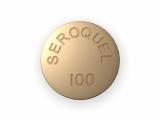
Seroquel (quetiapine fumarate) is an atypical antipsychotic indicated for the treatment of schizophrenia, the acute management of manic or mixed episodes associated with bipolar I disorder, and the maintenance treatment of bipolar I disorder as monotherapy or as adjunctive therapy to lithium or divalproex. It is also indicated for the treatment of depressive episodes associated with bipolar disorder. In addition, the extended‑release formulation is approved for major depressive disorder as adjunctive therapy when antidepressants alone are inadequate. Quetiapine’s therapeutic effects are mediated by antagonism at multiple neurotransmitter receptors, including dopamine D₂ and serotonin 5‑HT₂A receptors; its high affinity for histamine H₁ receptors contributes to sedation, while antagonism at alpha‑1 adrenergic receptors may cause orthostatic hypotension. The active metabolite, norquetiapine, also contributes to antidepressant activity through norepinephrine transporter inhibition and partial 5‑HT₁A agonism.
Usual adult dose: Seroquel immediate‑release tablets must be titrated slowly to minimize orthostatic hypotension and sedation. For schizophrenia, the initial dose is 25 mg twice daily on Day 1, increased by 25–50 mg divided two or three times daily over the next days to reach a target of 300–400 mg per day by Day 4 to Day 7. Further adjustments of 25–50 mg twice daily can be made at intervals of 2 days or more; the effective range is 300–800 mg daily, with 600–800 mg per day often required for optimal response. For acute manic episodes associated with bipolar I disorder, the same titration schedule is used, with a target dose of 400–800 mg per day. For bipolar depression, quetiapine is given once daily at bedtime: 50 mg on Day 1, 100 mg on Day 2, 200 mg on Day 3, and 300 mg on Day 4, with a usual target of 300 mg daily; the maximum dose is 600 mg per day. For maintenance of bipolar I disorder, patients are maintained on the dose that achieved response, typically 300–800 mg per day. The 25 mg, 50 mg, 100 mg, 200 mg, and 300 mg immediate‑release tablets facilitate gradual dose escalation. Elderly patients and those with hepatic impairment require lower starting doses (25 mg daily) and slower titration. Abrupt discontinuation should be avoided; gradual dose reduction is recommended.
Dosage form: Immediate‑release film‑coated tablets: 25 mg (peach, round), 50 mg (white, round), 100 mg (yellow, round), 200 mg (white, round), and 300 mg (white, capsule‑shaped). Seroquel XR (extended‑release) tablets in 50 mg, 150 mg, 200 mg, 300 mg, and 400 mg strengths are also available but are not interchangeable on a milligram‑per‑milligram basis due to different pharmacokinetic profiles.
Onset of action: Initial calming and sedative effects may appear within hours of the first dose. For antipsychotic and antimanic response, clinical improvement typically begins within 1 to 2 weeks, with full therapeutic benefit developing over several weeks. In bipolar depression, improvement in mood and sleep may be noted within the first week of treatment.
Duration of action: The elimination half‑life of quetiapine is approximately 6 to 7 hours; the half‑life of the active norquetiapine metabolite is 12 hours. Immediate‑release dosing is typically administered two or three times daily, while the extended‑release formulation allows once‑daily dosing. The clinical effects persist with regular administration; discontinuation of treatment leads to recurrence of symptoms.
Alcohol recommendation: Alcohol should be avoided during treatment with quetiapine. Both substances act as central nervous system depressants, and their concurrent use can result in excessive sedation, respiratory depression, profound orthostatic hypotension, and impaired psychomotor performance. Patients must not drive or operate hazardous machinery until they know how the combination affects them.
Most common side effects: Somnolence (dose‑related, up to 40%), dry mouth, dizziness, headache, constipation, weight gain, increased appetite, dyspepsia, and orthostatic hypotension (especially during initial titration). Metabolic adverse effects are significant and require regular monitoring: hyperglycemia and new‑onset diabetes mellitus, dyslipidemia, and substantial weight gain. Fasting blood glucose, lipids, and body weight should be measured at baseline and periodically thereafter. Extrapyramidal symptoms, including akathisia and parkinsonism, occur less frequently than with first‑generation antipsychotics but may appear at higher doses. Tardive dyskinesia, a potentially irreversible movement disorder, has been reported; treatment should be reassessed if signs appear. Hyperprolactinemia is generally mild and transient. Quetiapine can cause QT interval prolongation; caution is required with other QT‑prolonging drugs or in patients with cardiac disease. Rarely, neuroleptic malignant syndrome may develop, characterized by hyperthermia, muscle rigidity, autonomic instability, and elevated creatine kinase; immediate discontinuation is mandatory. In elderly patients with dementia‑related psychosis, atypical antipsychotics are associated with an increased risk of cerebrovascular events and mortality; Seroquel is not approved for this use. Patients should be counselled about the risk of orthostatic hypotension and the importance of adhering to monitoring schedules. Seroquel is a prescription medication and must be initiated and supervised by a qualified healthcare professional.
Would you like to try Seroquel (Quetiapine) without a prescription?
Buy Generic Seroquel (Quetiapine) without prescription in Canada
At our pharmacy, you can buy Seroquel without a prescription, with discreet and anonymous packaging delivered within 5-14 days across Canada.
What is Seroquel?
Seroquel is an atypical antipsychotic. The active ingredient is quetiapine, a drug that calms the noise in the brain by tuning two key neurotransmitters: serotonin and dopamine. It's approved for schizophrenia, for the manic and depressive episodes of bipolar disorder, and as an add-on treatment for major depression when antidepressants alone aren't enough. At low doses, it's a powerful antihistamine that brings on sleep, which is why you'll also see it used off-label for severe insomnia. At higher doses, the dopamine and serotonin effects kick in, stabilizing mood and quieting psychosis.
This isn't a drug you feel in an hour. For sleep, the sedating effect hits within 30 to 60 minutes. For mood stabilization, the full benefit takes 2 to 4 weeks of building up in your system. For schizophrenia, it can be 6 to 8 weeks before the thought disorder really settles. The dosing reflects that breadth: 25 mg and 50 mg tablets are often for sleep or gentle starts, 100 mg and 200 mg for mood, and 300 mg is a common target dose for bipolar depression or the early steps of schizophrenia treatment. Seroquel comes as an immediate-release tablet that puts the medicine into your blood all at once. There's also an extended-release form, Seroquel XR, but the 25 mg, 50 mg, 100 mg, 200 mg, and 300 mg immediate-release pills are what most people start with.
Mechanism and Pharmacology
Quetiapine binds to a list of receptors like a key trying a dozen locks. Its job depends on the dose. At 25 mg or 50 mg, it's mostly an antagonist at histamine H1 receptors. Blocking H1 in the brain makes you sleepy. That's the low-dose effect: sedation, not antipsychotic. As you push up to 100 mg, 200 mg, and 300 mg, the drug starts blocking serotonin 5-HT2A receptors and dopamine D2 receptors. The 5-HT2A blockade increases dopamine release in the prefrontal cortex, improving mood and cognition, while the D2 blockade in the limbic system tones down psychosis. It also hits alpha-1 adrenergic receptors, which can lower blood pressure, and muscarinic receptors, which can dry your mouth. The unique balance is why quetiapine is so effective for bipolar depression: it hits both the lows and the highs.
Quetiapine is well absorbed, and food doesn't change the total amount, though it might slow the peak a little. The liver processes it heavily, using CYP3A4 to turn it into an active metabolite called norquetiapine, which also does work. The half-life of the parent drug is about 6 to 7 hours, but norquetiapine hangs around for about 12 hours, stretching the effect. That's why twice-daily or single evening doses can work. The drug and its metabolites leave through the urine. In older adults or anyone with liver problems, the clearance is slower, so doses often start lower and rise more gently.
How to Use Seroquel
Your dose depends completely on what you're treating. For schizophrenia, you might start at 25 mg twice daily, adding 25 to 50 mg every day or two until you reach an effective range of 300 to 800 mg daily, split into two or three doses. For bipolar mania, the ramp-up is similar, with a target of 400 to 800 mg per day. For bipolar depression, the dosing is the gentlest: start at 50 mg at bedtime on day 1, go to 100 mg on day 2, 200 mg on day 3, and hit the target of 300 mg by day 4, all taken once at night. That quick upward move is designed to get you to a mood-lifting dose without weeks of waiting. For major depression added to an antidepressant, a common dose is 150 to 300 mg at bedtime, started slowly.
If you're using Seroquel for sleep off-label, the dose is usually 25 to 100 mg at bedtime, and it's best not to drive for a full night's sleep afterward. No matter the dose, swallow the tablet whole with water. Don't crush or chew. If you forget a dose and it's close to the next one, skip it. If you stop taking Seroquel suddenly, you can feel sick: nausea, headache, a return of your symptoms, and sometimes a weird feeling of electrical zaps in your head. Never stop it cold. Taper down over weeks with your doctor's help.
Side Effects of Seroquel
The most predictable side effect at any dose is sedation. At 25 mg, it can feel like a heavy blanket being dropped on you. That's the H1 antihistamine effect. It's useful for sleep but can leave you groggy the next morning. Over time, your brain adapts a bit, but some drowsiness often stays. Another common issue is metabolic: weight gain, rising blood sugar, and rising cholesterol. This isn't subtle. Quetiapine can boost appetite, and the weight can pile on. You need to watch your weight, get regular fasting glucose checks, and have your lipids drawn. The risk is real at 300 mg and above, but even lower doses can affect appetite.
Orthostatic hypotension is a fainting risk. The first few doses, especially if you stand up too fast, can make the blood pressure drop. Sit up slowly, and take the dose at bedtime. Dry mouth and constipation come from the anticholinergic effect, and a stuffy nose is common. Some people get restless legs or muscle twitches. Less common but more concerning are changes in heart rhythm, prolonging the QT interval, and a rare but serious inflammation of the heart muscle called myocarditis. If you get chest pain, a racing heart that won't quit, or unexplained shortness of breath, stop the drug and go to the emergency room.
High-Risk Groups (Elderly, Pregnancy)
Pregnancy. Quetiapine is category C. There is no clear pattern of birth defects, but there's some signal of withdrawal symptoms in newborns and a possible risk of weight gain or gestational diabetes in the mother. If you're pregnant or planning to be, you'll need a talk with a perinatal psychiatrist. The danger of a severe bipolar relapse or psychotic episode often outweighs the unknown risk, so many women stay on the lowest effective dose.
Breastfeeding. Quetiapine passes into breast milk in small amounts, and the infant's exposure is low. Most guidelines say it's compatible with nursing if the mother is stable. You'll need to monitor the baby for drowsiness and poor feeding. Elderly patients with dementia-related psychosis have a black box warning: antipsychotics raise the risk of death, mostly from stroke and infection. Quetiapine is sometimes used off-label in the elderly for agitation or insomnia, but the risk is serious. For older adults with schizophrenia or bipolar, the dose starts at 25 mg and moves up slowly, with extra care around falls and blood pressure. In people with Parkinson's disease, the drug can worsen motor symptoms because of dopamine blockade. In liver disease, clearance drops, so doses are lower and more spread out.
Interaction With Activities (Driving, Alcohol)
Seroquel impairs driving. The sedation, slowed reactions, and dizziness it causes in the first few weeks are strong enough to make you a danger on the road. Even after you've adjusted, a dose increase can bring the fog back. Don't drive until you know exactly how you feel on a stable dose, and if you're drowsy, don't get behind the wheel. Alcohol magnifies every side effect, making the sedation and dizziness much worse. It also messes with the same metabolic pathways and makes the liver work harder. It's best to avoid alcohol entirely, especially early in treatment.
Drug Interactions
The liver enzyme CYP3A4 is the main route out for quetiapine. Drugs that block this enzyme, like the antifungals ketoconazole and itraconazole, the antibiotic clarithromycin, and the protease inhibitors for HIV, can push quetiapine levels dangerously high. You might need a dose reduction of up to 80 percent. Drugs that rev up the enzyme, like rifampin, carbamazepine, and phenytoin, can clear quetiapine so fast that it doesn't work. St. John's Wort, the herbal antidepressant, does the same. Quetiapine can also increase the effects of other CNS depressants: opioids, benzodiazepines, and sleeping pills. The combination can cause too much sedation and slow breathing. It also antagonizes levodopa and dopamine agonists used in Parkinson's disease, so they won't work as well. Always check with your pharmacist before adding anything.
Alternative Options
Quetiapine sits in a large class of atypical antipsychotics. Olanzapine (Zyprexa) is similar in its broad receptor effects but causes even more weight gain and metabolic trouble. Risperidone (Risperdal) is weight-neutral at lower doses but raises prolactin more. Aripiprazole (Abilify) is weight-neutral but can cause restlessness and isn't as sedating. For bipolar depression specifically, lurasidone (Latuda) and the combination olanzapine-fluoxetine are approved alternatives. For sleep, many alternatives exist that don't carry the metabolic risks: melatonin, low-dose trazodone, and cognitive-behavioural therapy for insomnia. Quetiapine's uniqueness is its broad dose-dependent profile, one pill that can be a sleep aid at 25 mg and a full antipsychotic at 300 mg. But that versatility brings a broad set of risks that other drugs can sometimes avoid.
INN, Brand Names, and Classification in Canada
INN (International Nonproprietary Name): Quetiapine fumarate
Available brand names in Canada: Seroquel, and generic quetiapine. Seroquel XR is the extended-release formulation.
ATC code: N05AH04
Forms and strengths: Immediate-release tablets 25 mg, 50 mg, 100 mg, 200 mg, 300 mg
Manufacturers: AstraZeneca Canada Inc. (Seroquel), and diverse generic manufacturers including Apotex Inc., Teva Canada Limited, Sandoz Canada Inc., and Sanis Health Inc.
Registration status in Canada: Registered
Classification: Prescription (Rx)
Getting the Most Out of Seroquel
The dose makes the medicine. A 25 mg tablet at bedtime can be a simple sleep aid, but it still carries a small risk of weight gain and metabolic shifts that you need to watch. A 300 mg dose is a serious mood stabilizer, and it needs a serious commitment to monitoring: blood pressure checks, fasting glucose tests, lipid panels every few months, and honest conversations about weight. The drug will make you hungry, and you have to be ready for that. Stock healthy snacks, plan your meals, and stay active. Stopping the drug abruptly because of weight gain can trigger a manic or psychotic relapse that's harder to treat. The best approach is to work with your doctor to find the lowest effective dose and to taper only under supervision. Use the sedation to your advantage: take the dose at night, get a full 7 to 8 hours of sleep, and don't fight the fatigue during the day by loading up on caffeine. Let your brain adjust. A steady routine, a good diet, and careful tracking of your mood and weight are the real tools that make quetiapine work for you, not against you.
Frequently Asked Questions
Will a low dose of Seroquel still make me gain weight?
It can, even at 25 to 50 mg. The antihistamine effect increases appetite in some people. The risk is lower than at 300 mg, but it's not zero. If you start gaining, talk to your doctor early rather than waiting for it to become a problem.
How fast does Seroquel work for bipolar depression?
You might feel a calming effect in the first few days because of the sedation. The actual antidepressant lift often takes 2 to 4 weeks. Don't be discouraged if your mood doesn't jump right away. The quick dose ramp means you get to a therapeutic level fast, but the brain takes time to respond.
Can I use the 300 mg tablet right away?
Almost never. You need to start low, 25 or 50 mg, and build up. The 300 mg tablet is for once you've already adjusted to the lower doses. Taking 300 mg cold could cause severe dizziness, fainting, and extreme sedation. Follow the titration schedule exactly.
Does Seroquel cause addiction?
No, it doesn't cause a craving high like opioids or benzodiazepines, but your body does get used to it. If you stop suddenly, you can have withdrawal symptoms like insomnia, nausea, and a return of your original mood or thought problems. It's a physical dependence, not an addiction. A slow taper prevents that.
Can I drink alcohol on Seroquel?
It's strongly advised against. Alcohol worsens sedation, impairs judgment, and can make you unsteady. Even one drink can feel like three. The risk of fainting, choking on vomit during sleep, or having a car accident goes way up.
Delivery Information Across Canada
We ship Seroquel and generic quetiapine to all provinces and territories. Delivery times vary depending on how remote your location is:
- Ontario (Toronto, Ottawa, Mississauga): 5 to 7 days
- Quebec (Montreal, Quebec City, Laval): 5 to 7 days
- British Columbia (Vancouver, Victoria, Burnaby): 5 to 9 days
- Alberta (Calgary, Edmonton, Red Deer): 5 to 9 days
- Manitoba (Winnipeg, Brandon): 5 to 9 days
- Saskatchewan (Saskatoon, Regina): 5 to 9 days
- Nova Scotia (Halifax, Sydney): 5 to 9 days
- New Brunswick (Moncton, Fredericton): 5 to 9 days
- Newfoundland and Labrador (St. John's, Corner Brook): 7 to 14 days
- Prince Edward Island (Charlottetown): 7 to 14 days
- Yukon, Northwest Territories, Nunavut: 7 to 14 days
All shipments are packed discreetly with no branding or indication of contents on the outside.


| Shipping method | Delivery time | Price | |
 Delivery Delivery |
14-21 days | 14.95$ | Tracking# available in 4 days |
 Delivery Delivery |
9-14 days | 30$ | Tracking# available in 2 days |
- Shipping worldwide
- Confidentiality and anonymity guarantee
- Safe and secure
- Discrete looking packages
- Dispatch orders within 24 hours
- 100% success delivery


