


 Secure and Reliable
  High quality
  Worldwide shipping
  Bonuses and Discounts
  Money back Guarantee
 - Bestsellers
- Alcoholism
- COVID-19
- Allergy
- Anti Fungal
- Alzheimers
- Anti Viral
- Anti-Depressants
- Anti-Inflammatory
- Antibacterial
- Antiparasitic
- Antibiotics
- Arthritis
- Asthma
- Birth Control
- Blood Pressure
- Cancer
- Cardiovascular
- Cholesterol
- Diabetes
- Diuretics
- Erectile Dysfunction
- Eye Drop
- Gastro Health
- General Health
- Hair Loss
- Hepatitis C Virus (HCV)
- HIV
- Hormones
- Men's ED Packs
- Men's Health
- Mental Illness
- Motion Sickness
- Muscle Relaxant
- Pain Relief
- Parkinson’s Disease
- Veterinary Medicines
- Quit Smoking
- Vitamins
- Skin Care
- Sleeping Aids
- Weight Loss
- Women's Health
Generic Sinequan ( Doxepin )
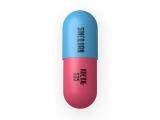
Buy Generic Sinequan (Doxepin) without prescription in Canada
In our Canadian pharmacy, you can buy Sinequan (Doxepin) without a prescription, with delivery across Canada within 5‑14 days. Discreet and anonymous packaging.
Sinequan (doxepin hydrochloride) is a tricyclic antidepressant (TCA) that belongs to the dibenzoxepin class of psychotherapeutic agents. It is used to treat depression and anxiety, and in lower doses it is also effective for the management of insomnia characterised by difficulties with sleep maintenance. Doxepin works by blocking the reuptake of the neurotransmitters serotonin and norepinephrine into presynaptic nerve terminals, which increases their availability in the synaptic cleft and enhances mood‑regulating neurotransmission. At low doses, doxepin also acts as a potent antagonist at histamine H₁ receptors, which accounts for its sedative and sleep‑promoting effects.
Usual adult dose: For depression or anxiety, treatment is usually started at a low dose of 25 mg taken once daily at bedtime, or 10 mg to 25 mg three times daily, with gradual upward titration every 5 to 7 days. The effective daily dose range is 25 mg to 300 mg, with a maximum single dose of 150 mg; total daily doses above 150 mg should be divided into two or three administrations. For insomnia, low‑dose doxepin (3 mg or 6 mg tablets) is taken within 30 minutes before bedtime. Elderly patients and those with hepatic impairment should be started on lower doses (e.g., 10 mg daily) and titrated more slowly.
Dosage form: Oral capsules in strengths of 10 mg, 25 mg, 50 mg, 75 mg, and 100 mg. Low‑dose film‑coated tablets (3 mg and 6 mg) are also available for the treatment of insomnia. An oral concentrate solution (10 mg/mL) is available as well.
Onset of action: Some improvement in sleep and anxiety may be noticed within the first week of treatment; however, the full antidepressant effect typically requires 2 to 3 weeks of continuous therapy, and maximal benefit may take 4 to 6 weeks. For insomnia, the sleep‑maintenance effect occurs on the first night of dosing.
Duration of action: The elimination half‑life of doxepin is approximately 8 to 24 hours, and its active metabolite desmethyldoxepin has a half‑life of 33 to 81 hours. The extended action supports once‑daily dosing at bedtime for most patients.
Alcohol recommendation: Alcohol consumption should be strictly avoided during treatment with Sinequan. Alcohol can potentiate the sedative effects of doxepin, impair motor coordination, worsen depression and anxiety, and increase the risk of dangerous central nervous system depression.
Most common side effects: Drowsiness, dizziness, dry mouth, blurred vision, constipation, and difficulty urinating. Other common effects include weight gain, increased appetite, and orthostatic hypotension (a drop in blood pressure upon standing). These side effects are often dose‑dependent and may diminish over time or with dose adjustment.
Would you like to try Sinequan (Doxepin) without a prescription?
General Information about Sinequan (Doxepin)
- INN (International Nonproprietary Name): Doxepin (as doxepin hydrochloride).
- Brand names available in Canada: Sinequan® (AA Pharma Inc.) is the primary brand‑name product. Generic versions include APO‑Doxepin (Apotex Inc.), TEVA‑Doxepin (Teva Canada Limited), PMS‑Doxepin (Pharmascience Inc.), and other generic manufacturers. In the United States and some other jurisdictions, the low‑dose tablet formulation for insomnia is marketed under the brand name Silenor®.
- ATC code: N06AA12 (doxepin; non‑selective monoamine reuptake inhibitors).
- Dosage forms and strengths: Oral capsules: 10 mg, 25 mg, 50 mg, 75 mg, and 100 mg. Low‑dose film‑coated tablets: 3 mg and 6 mg (for insomnia). Oral concentrate solution: 10 mg/mL.
- Manufacturers in Canada: AA Pharma Inc. (Sinequan), Apotex Inc., Teva Canada Limited, Pharmascience Inc., and other generic pharmaceutical companies.
- Registration status in Canada: Approved by Health Canada. Marketed. DINs: 00024325 (10 mg capsule), 00024333 (25 mg capsule), 00024341 (50 mg capsule), 00400750 (75 mg capsule), 00326925 (100 mg capsule).
- OTC / Rx classification: Prescription only (Rx). Schedule I drug under the Controlled Drugs and Substances Act.
Mechanism of Action and Pharmacology
Doxepin is a dibenzoxepin tricyclic antidepressant with a complex pharmacological profile. Its primary mechanism of action is the inhibition of the presynaptic reuptake of the monoamine neurotransmitters serotonin (5‑hydroxytryptamine, 5‑HT) and norepinephrine (NE). By blocking the serotonin transporter (SERT) and the norepinephrine transporter (NET), doxepin increases the synaptic concentration and prolongs the availability of these monoamines, thereby enhancing monoaminergic neurotransmission. This action is believed to underlie its antidepressant and anxiolytic effects.
In addition to monoamine reuptake inhibition, doxepin possesses a range of receptor‑binding properties that contribute to both its therapeutic effects and its side‑effect profile. Doxepin is a potent antagonist at histamine H₁ receptors, which accounts for its pronounced sedative and sleep‑promoting effects, particularly at lower doses. It is also an antagonist at muscarinic cholinergic receptors (causing dry mouth, blurred vision, constipation, and urinary retention), alpha‑1 adrenergic receptors (causing orthostatic hypotension), and, to a lesser extent, serotonin 5‑HT₂ receptors. At low doses (3 mg to 6 mg), doxepin acts primarily as a selective H₁ receptor antagonist, with minimal effects on monoamine reuptake or other receptor systems, making it useful for the treatment of insomnia without the full spectrum of antidepressant‑related side effects.
Following oral administration, doxepin is rapidly and well absorbed from the gastrointestinal tract, with peak plasma concentrations reached within 2 to 3 hours. The drug undergoes extensive first‑pass hepatic metabolism, primarily by cytochrome P450 isoenzymes CYP2D6 and CYP1A2, with contributions from CYP3A4 and CYP2C19. The principal active metabolite, desmethyldoxepin (nordoxepin), is formed by N‑demethylation and has pharmacological activity similar to the parent compound. The elimination half‑life of doxepin is approximately 8 to 24 hours, while that of desmethyldoxepin ranges from 33 to 81 hours. Steady‑state plasma concentrations are achieved after approximately 7 to 10 days of regular dosing. The drug and its metabolites are primarily excreted in the urine. Protein binding is approximately 80%. The oral concentrate is bioequivalent to the capsule formulation.
Indications
- Major depressive disorder (MDD): For the treatment of depression, especially when accompanied by anxiety, sleep disturbance, or agitation.
- Anxiety disorders: For the treatment of anxiety and tension associated with psychoneurotic conditions, including generalised anxiety disorder (GAD) and mixed anxiety‑depressive states.
- Depression and/or anxiety associated with alcoholism: For the management of depressive and anxiety symptoms in patients with alcohol use disorder (not to be taken concomitantly with alcohol).
- Depression and/or anxiety associated with organic disease: For mood and anxiety symptoms occurring in the context of chronic medical illness, with consideration of potential drug interactions.
- Psychotic depressive disorders: Including involutional depression and manic‑depressive disorders with associated anxiety.
- Insomnia (low‑dose formulation): Doxepin 3 mg and 6 mg tablets are indicated for the treatment of insomnia characterised by difficulties with sleep maintenance. The 3 mg dose is the recommended starting dose for elderly patients.
- Off‑label uses: Doxepin is also prescribed off‑label for chronic urticaria and pruritus (owing to its H₁‑antagonist properties), neuropathic pain, migraine prophylaxis, and post‑traumatic stress disorder (PTSD).
- Not recommended for use in children under 12 years of age owing to lack of clinical experience in the paediatric population.
Important Warnings and Precautions
At‑risk groups
- Pregnancy: There are no adequate and well‑controlled studies of doxepin in pregnant women. Doxepin should be used during pregnancy only if the potential benefit clearly outweighs the potential risk to the foetus. Neonates exposed to tricyclic antidepressants late in the third trimester may experience withdrawal symptoms including respiratory distress, feeding difficulties, and seizures. Women of childbearing potential should use effective contraception during treatment.
- Breastfeeding: Doxepin and its active metabolite desmethyldoxepin are excreted in human breast milk. There have been case reports of sedation and respiratory depression in nursing infants. Breastfeeding is not recommended during treatment. A decision should be made whether to discontinue breastfeeding or to discontinue the drug.
- Paediatrics (< 12 years): The safety and efficacy of doxepin in children under 12 years of age have not been established. Use is not recommended. For adolescents 12 to 17 years of age, doxepin should be used with extreme caution, as antidepressants are associated with an increased risk of suicidal thinking and behaviour in this age group.
- Elderly: Elderly patients are particularly sensitive to the anticholinergic and sedative effects of doxepin, and are at increased risk for orthostatic hypotension, confusion, falls, and cardiac arrhythmias. Doxepin is included in the Beers Criteria as a potentially inappropriate medication for older adults. If use is necessary, the lowest effective dose should be used, with careful monitoring. The low‑dose (3 mg) tablet is recommended for insomnia in the elderly.
- Hepatic impairment: Doxepin is extensively metabolised by the liver. A lower starting dose and slower upward titration are recommended in patients with hepatic impairment, and liver function should be monitored periodically.
- Renal impairment: The clearance of doxepin may be reduced in patients with significant renal impairment. Caution and dose adjustment are advised.
- Cardiovascular disease: Doxepin should be used with caution in patients with pre‑existing cardiovascular conditions, including conduction disorders, arrhythmias, recent myocardial infarction, and heart failure. TCAs can cause QT interval prolongation, tachycardia, and orthostatic hypotension. A baseline electrocardiogram (ECG) should be considered in patients with cardiac risk factors before initiating therapy.
- Angle‑closure glaucoma: Doxepin should be used with caution in patients with narrow‑angle glaucoma. The anticholinergic effects of doxepin can increase intraocular pressure. An ophthalmologic evaluation is recommended before starting therapy in at‑risk patients.
- Urinary retention: Doxepin should be used with caution in patients with a history of urinary retention or benign prostatic hyperplasia, as its anticholinergic effects can impair bladder emptying.
- Seizure disorders: TCAs can lower the seizure threshold. Doxepin should be used with caution in patients with epilepsy or a history of seizures.
- Bipolar disorder: Screen for bipolar disorder before initiating treatment. Doxepin may precipitate a manic or hypomanic episode in patients with undiagnosed bipolar disorder.
- Suicidality: Antidepressants, including doxepin, carry a boxed warning for an increased risk of suicidal thinking and behaviour in children, adolescents, and young adults (aged 24 years and younger) during the first few months of treatment. All patients should be monitored closely for clinical worsening, suicidality, or unusual changes in behaviour, particularly when starting therapy or after dosage changes. Families and caregivers should be advised of the need for close observation and to report concerns promptly.
- Serotonin syndrome: A potentially life‑threatening serotonin syndrome may occur with doxepin, particularly when used in combination with other serotonergic drugs. Symptoms include mental status changes (agitation, confusion, coma), autonomic instability (hyperthermia, tachycardia, labile blood pressure, diaphoresis), neuromuscular abnormalities (hyperreflexia, myoclonus, rigidity, tremor), and gastrointestinal symptoms (nausea, vomiting, diarrhoea). Immediate discontinuation of the offending agents and emergency medical care are required.
- Dependence and withdrawal: Although doxepin is not associated with euphoria or addictive potential, abrupt discontinuation after prolonged use may cause a withdrawal syndrome characterised by nausea, headache, malaise, and sleep disturbance. Gradual tapering of the dose is recommended.
- Allergy: Do not take Sinequan if you have a known hypersensitivity to doxepin hydrochloride, other dibenzoxepin compounds, or any excipient in the formulation.
Driving and alcohol
Sinequan can cause significant drowsiness, dizziness, blurred vision, and impairment of cognitive and motor skills. These effects are most pronounced during the first few weeks of therapy and after dose increases. Patients should not drive, operate heavy machinery, or engage in potentially hazardous activities until they have determined how the medication affects them. Alcohol must be strictly avoided during treatment with Sinequan. Alcohol potentiates the central nervous system depressant effects of doxepin, increases the risk of profound sedation and respiratory depression, and may worsen the underlying depression or anxiety disorder. The combination of alcohol and doxepin can also impair the motor coordination required for safe driving, potentially leading to fatal motor vehicle accidents.
Dosage Instructions
- Depression and anxiety (adults): Initiate treatment at a low dose: 25 mg once daily at bedtime, or 10 mg to 25 mg three times daily. The dose may be gradually increased by 10 mg to 25 mg every 5 to 7 days, according to clinical response and tolerability. The usual effective dose range is 25 mg to 300 mg per day. Doses up to 150 mg may be given as a single daily dose at bedtime to reduce daytime sedation and improve sleep. Doses above 150 mg per day should be divided into two or three daily administrations.
- Depression and anxiety (elderly or debilitated patients): Start at a lower dose: 10 mg to 25 mg once daily at bedtime, and titrate slowly, in 10 mg to 25 mg increments every 5 to 7 days, as tolerated. The effective maintenance dose may be lower than in younger adults. The final total daily dose, when stabilised, may be given as a single bedtime dose if 150 mg or less.
- Insomnia (adults): The recommended dose is 6 mg taken orally within 30 minutes before bedtime. The dose may be reduced to 3 mg if the 6 mg dose is not well tolerated. The tablet should not be taken within 3 hours of a meal, as food significantly increases absorption and may cause next‑day drowsiness.
- Insomnia (elderly): The recommended starting dose is 3 mg taken orally within 30 minutes before bedtime. The dose may be increased to 6 mg if clinically indicated and well tolerated.
- Hepatic impairment (insomnia): For patients with hepatic impairment or debilitation, the recommended starting dose is 3 mg taken within 30 minutes before bedtime.
- Administration: Capsules should be swallowed whole with a full glass of water. They may be taken with or without food, although food can delay absorption. If a single daily dose is prescribed, it should be taken at bedtime to minimise daytime drowsiness. The low‑dose film‑coated tablets (3 mg and 6 mg) should be taken on an empty stomach (at least 3 hours after the last meal of the day) within 30 minutes before bedtime; they should not be taken with food.
- Missed dose: If a dose is missed, take it as soon as remembered on the same day. If it is close to the time of the next scheduled dose, skip the missed dose and continue with the regular dosing schedule. Do not double the dose to make up for a missed one.
- Discontinuation: Abrupt discontinuation should be avoided. The dose should be gradually tapered over several weeks under the supervision of the prescribing physician to minimise the risk of withdrawal symptoms, which may include nausea, headache, irritability, and sleep disturbance.
Side Effects and Contraindications
- Very common side effects (≥ 10%): Somnolence (drowsiness), dry mouth, dizziness, and headache. These are most prominent at the start of therapy and tend to diminish with continued treatment or dose adjustment.
- Common side effects (1‑10%): Constipation, blurred vision, urinary retention, increased appetite, weight gain, fatigue, weakness, nausea, and orthostatic hypotension. Sexual dysfunction (decreased libido, erectile dysfunction) may also occur.
- Less common but serious side effects: Cardiac conduction disturbances (QT interval prolongation, bundle‑branch block, arrhythmias), tachycardia, syncope (fainting), confusion (especially in the elderly), hallucinations, precipitation of mania or hypomania, seizures, extrapyramidal symptoms (tremor, rigidity, tardive dyskinesia), agranulocytosis, and syndrome of inappropriate antidiuretic hormone secretion (SIADH). Photosensitivity and skin rash have also been reported.
- Anticholinergic effects: The anticholinergic side effects of doxepin (dry mouth, blurred vision, constipation, urinary retention, confusion) are dose‑dependent and are more likely to occur at higher doses and in elderly patients. To relieve dry mouth, patients should be advised to sip water, suck on sugarless hard candy or ice chips, chew sugarless gum, or use a saliva substitute. Adequate dietary fibre, hydration, and exercise can help prevent constipation.
- Withdrawal symptoms: Abrupt cessation after prolonged therapy may produce nausea, headache, malaise, and nightmares. Gradual tapering is recommended.
- Overdose: An overdose of doxepin is a medical emergency that can be fatal. Symptoms of acute overdose include severe drowsiness, stupor, coma, respiratory depression, cardiac arrhythmias, severe hypotension, convulsions, and cardiac arrest. Immediate hospitalisation is required, with continuous cardiac monitoring and supportive care.
- Contraindications: Hypersensitivity to doxepin hydrochloride, other dibenzoxepin compounds, or any excipient in the formulation. Concomitant use with monoamine oxidase inhibitors (MAOIs), including linezolid and intravenous methylene blue, or within 14 days of discontinuing MAOI therapy. Untreated narrow‑angle glaucoma. Severe urinary retention. Active suicidal ideation without appropriate monitoring and support.
Drug Interactions
- Monoamine oxidase inhibitors (MAOIs) — contraindicated: Concomitant use of doxepin with MAOIs (e.g., phenelzine, tranylcypromine, isocarboxazid, linezolid, intravenous methylene blue) is strictly contraindicated. This combination can cause serotonin syndrome, hypertensive crisis, and fatal reactions. A minimum 14‑day washout period must be observed between discontinuing an MAOI and starting doxepin, and vice versa.
- Serotonergic drugs — monitor closely: Co‑administration of doxepin with other serotonergic agents increases the risk of serotonin syndrome. These include selective serotonin reuptake inhibitors (SSRIs), serotonin‑norepinephrine reuptake inhibitors (SNRIs), triptans, fentanyl, lithium, tramadol, buspirone, St. John’s wort, and tryptophan. If concomitant use is clinically necessary, patients should be monitored for signs and symptoms of serotonin syndrome, especially during treatment initiation and dose increases.
- Strong CYP2D6 inhibitors — monitor and adjust: Drugs that strongly inhibit CYP2D6 (e.g., fluoxetine, paroxetine, bupropion, quinidine, terbinafine) can significantly increase doxepin plasma concentrations, increasing the risk of adverse effects. A reduction in the doxepin dose may be required.
- CYP450 inducers — potential loss of efficacy: Carbamazepine, phenytoin, rifampin, and other strong CYP3A4 inducers can decrease doxepin plasma levels, reducing its therapeutic efficacy. An increase in the doxepin dose may be necessary.
- Cimetidine — increased doxepin exposure: Cimetidine, a histamine H₂‑receptor antagonist, can inhibit the hepatic metabolism of doxepin, increasing its plasma concentration and the risk of anticholinergic and CNS side effects. Dose adjustment of doxepin may be needed.
- CNS depressants — additive sedation: Alcohol, benzodiazepines, opioids, sedating antihistamines, barbiturates, and other central nervous system depressants may potentiate the sedative and psychomotor‑impairing effects of doxepin. Patients should be advised against driving or operating machinery when such combinations are used.
- Anticholinergic agents — additive anticholinergic effects: Concomitant use of doxepin with other drugs possessing anticholinergic properties (e.g., antihistamines, antipsychotics, antispasmodics) may increase the risk of dry mouth, constipation, blurred vision, urinary retention, and confusion, particularly in the elderly.
- Antihypertensive agents — possible antagonism: Doxepin may antagonise the antihypertensive effects of guanethidine, clonidine, and related compounds at doses above 150 mg per day. Blood pressure should be monitored closely. At doses up to 150 mg daily, significant antagonism has not been demonstrated.
- Sympathomimetic agents — potentiation: Doxepin may potentiate the cardiovascular effects of sympathomimetic amines such as epinephrine, norepinephrine, and phenylephrine, increasing the risk of hypertension and cardiac arrhythmias. Caution is advised when co‑administering these agents.
- QT‑prolonging drugs — increased cardiac risk: Co‑administration of doxepin with other drugs known to prolong the QT interval (e.g., certain antiarrhythmics, quinolone antibiotics, antipsychotics) may increase the risk of cardiac arrhythmias, including torsades de pointes. This combination should be avoided when possible, or used with ECG monitoring.
Practical Advice
- Administration: Take Sinequan exactly as prescribed by your doctor. If you take it once daily, take it at bedtime to minimise daytime drowsiness and to help with sleep. Swallow capsules whole with a glass of water. If you are taking the low‑dose tablets for insomnia, take the tablet within 30 minutes before bedtime and at least 3 hours after your last meal of the day; do not take it with food.
- Monitoring: Your doctor will monitor your clinical response, particularly during the first few weeks of treatment and after dose adjustments. Be alert for worsening depression, suicidal thoughts, anxiety, agitation, or any unusual changes in behaviour, and report these to your doctor immediately. In patients with cardiac risk factors, an ECG may be obtained before starting therapy and periodically during treatment. Liver function tests and blood counts may be monitored in patients on long‑term therapy.
- Storage: Store at room temperature (15‑30 °C) in a tightly closed container, protected from light and moisture. The oral concentrate should be protected from light and should not be refrigerated. Keep all forms of this medication out of the reach and sight of children.
- Lifestyle: Rise slowly from a sitting or lying position to reduce the risk of dizziness or fainting due to orthostatic hypotension. To minimise dry mouth, sip water frequently, suck on sugarless hard candy or ice chips, chew sugarless gum, or use a saliva substitute. Maintain adequate dietary fibre and fluid intake to prevent constipation. Avoid excessive sun exposure and use sunscreen, as doxepin can increase sensitivity to sunlight. Maintain a regular sleep schedule and practise good sleep hygiene, especially when using doxepin for insomnia.
- Missed dose: If you miss a dose, take it as soon as you remember on the same day. If it is close to the time of your next dose, skip the missed dose and resume your regular schedule. Do not double the dose to make up for a missed one. If you miss a dose of the low‑dose tablet for insomnia at bedtime, skip it entirely and take the next dose at the usual time the following night.
- Medical emergencies: Seek immediate medical attention if you experience signs of serotonin syndrome (agitation, confusion, rapid heart rate, high fever, muscle rigidity, seizures), symptoms of a serious allergic reaction (rash, hives, swelling of the face, lips, tongue, or throat, difficulty breathing), or signs of a cardiac arrhythmia (palpitations, fainting, severe dizziness). An overdose of doxepin is a life‑threatening emergency; call 911 or your local emergency number immediately if an overdose is suspected.
- Disposal: Return unused or expired medication to a pharmacy for safe disposal. Do not flush down the toilet or discard in household waste.
Alternative Medications
- Selective serotonin reuptake inhibitors (SSRIs): Sertraline (Zoloft), escitalopram (Cipralex), fluoxetine (Prozac), paroxetine (Paxil), and citalopram (Celexa) are first‑line antidepressants for major depressive disorder and anxiety disorders. They have a more favourable safety profile than TCAs, particularly in overdose, and fewer anticholinergic side effects. They are generally preferred over doxepin as initial therapy.
- Serotonin‑norepinephrine reuptake inhibitors (SNRIs): Venlafaxine (Effexor), duloxetine (Cymbalta), and desvenlafaxine (Pristiq) are first‑line antidepressants that also target both serotonin and norepinephrine. They lack the H₁ receptor antagonism of doxepin and are therefore less sedating, which may be preferable for patients who do not require sleep promotion.
- Other TCAs: Amitriptyline (Elavil) is structurally related to doxepin and is also highly sedating; it is sometimes preferred for its more extensive evidence base in neuropathic pain. Nortriptyline (Aventyl) is a secondary amine TCA with fewer anticholinergic effects and less sedation, which may be better tolerated by elderly patients. Clomipramine (Anafranil) has a strong serotonergic profile and is first‑line for obsessive‑compulsive disorder.
- Other atypical antidepressants: Mirtazapine (Remeron) is a tetracyclic antidepressant that, like doxepin, provides sedation and appetite stimulation, but with a different receptor‑binding profile. Trazodone (Desyrel) is a serotonin antagonist and reuptake inhibitor (SARI) widely used for insomnia and depression, especially when sedation is desired.
- Low‑dose doxepin (Silenor): For insomnia alone (without depression), the 3 mg and 6 mg low‑dose formulation of doxepin is preferred over the higher doses in the capsules, as it provides targeted H₁ blockade with minimal antidepressant‑dose side effects.
- Non‑benzodiazepine hypnotics (Z‑drugs): Zopiclone (Imovane) and zolpidem (Sublinox) are indicated for the short‑term treatment of insomnia. They have a faster onset of action than doxepin but carry a risk of dependence and tolerance.
- Non‑pharmacological approaches: Cognitive behavioural therapy for insomnia (CBT‑I) is a first‑line, evidence‑based intervention for chronic insomnia. Cognitive behavioural therapy (CBT) and interpersonal therapy (IPT) are effective psychotherapies for depression. Exercise, mindfulness, and good sleep hygiene are important complementary measures.
Clinical Efficacy
Doxepin has been established as an effective antidepressant and anxiolytic since its original approval in 1969. Clinical trials conducted in the 1960s and 1970s demonstrated that doxepin was significantly superior to placebo in reducing depressive symptoms, with a response rate of approximately 60‑70% in patients with moderate to severe depression. Head‑to‑head comparisons with other tricyclic antidepressants (such as amitriptyline and imipramine) showed comparable antidepressant efficacy, with doxepin often demonstrating a more pronounced anxiolytic effect and a relatively favourable tolerability profile.
For the treatment of insomnia, low‑dose doxepin (3 mg and 6 mg) has been evaluated in several randomised, double‑blind, placebo‑controlled clinical trials. A pooled analysis of two phase III trials (2025) involving 310 patients with primary insomnia found that doxepin 3 mg produced a statistically significant 22% improvement in latency to persistent sleep compared with placebo on the first night of treatment. In a subgroup of patients with baseline sleep latency longer than 35 minutes, doxepin produced a clinically meaningful 11‑minute reduction in time to fall asleep. Low‑dose doxepin has been shown to be particularly effective for sleep maintenance insomnia, and it is one of the few sleep‑promoting agents that is not a controlled substance.
A 2023 study comparing doxepin with zolpidem in patients with insomnia disorder found that both agents improved sleep quality, but doxepin was more effective than zolpidem in improving executive cognitive function. Doxepin is also recommended by the American Academy of Sleep Medicine (AASM) clinical practice guidelines for sleep maintenance insomnia. In Canada, doxepin remains a useful and versatile agent for patients with depression accompanied by prominent anxiety and sleep disturbance, and the low‑dose tablet formulation offers a targeted, non‑controlled option for the management of chronic insomnia.
Important:
Sinequan (doxepin) is a prescription medication that should be used only under the supervision of a qualified healthcare professional. It carries a boxed warning for an increased risk of suicidal thinking and behaviour in children, adolescents, and young adults under the age of 25 during the first few months of treatment. All patients, regardless of age, should be closely monitored for clinical worsening, suicidality, or unusual changes in behaviour, particularly when starting therapy or after dosage changes. This medication can cause significant drowsiness and may impair the mental alertness and physical coordination required for driving or operating dangerous machinery. Alcohol must be strictly avoided, as it can potentiate the sedative effects of doxepin and increase the risk of severe respiratory depression. Do not discontinue Sinequan abruptly; a gradual taper is required to minimise the risk of withdrawal symptoms. Doxepin is contraindicated with MAOIs, and a 14‑day washout period must be observed. If you experience symptoms of serotonin syndrome (agitation, confusion, rapid heart rate, high fever, muscle rigidity), a serious allergic reaction (rash, swelling of the face or throat, difficulty breathing), or cardiac symptoms (palpitations, fainting, severe dizziness), seek emergency medical attention immediately. This information is not a substitute for professional medical advice, diagnosis, or treatment.


| Shipping method | Delivery time | Price | |
 Delivery Delivery |
14-21 days | 14.95$ | Tracking# available in 4 days |
 Delivery Delivery |
9-14 days | 30$ | Tracking# available in 2 days |
- Shipping worldwide
- Confidentiality and anonymity guarantee
- Safe and secure
- Discrete looking packages
- Dispatch orders within 24 hours
- 100% success delivery


