


 Secure and Reliable
  High quality
  Worldwide shipping
  Bonuses and Discounts
  Money back Guarantee
 - Bestsellers
- Alcoholism
- COVID-19
- Allergy
- Anti Fungal
- Alzheimers
- Anti Viral
- Anti-Depressants
- Anti-Inflammatory
- Antibacterial
- Antiparasitic
- Antibiotics
- Arthritis
- Asthma
- Birth Control
- Blood Pressure
- Cancer
- Cardiovascular
- Cholesterol
- Diabetes
- Diuretics
- Erectile Dysfunction
- Eye Drop
- Gastro Health
- General Health
- Hair Loss
- Hepatitis C Virus (HCV)
- HIV
- Hormones
- Men's ED Packs
- Men's Health
- Mental Illness
- Motion Sickness
- Muscle Relaxant
- Pain Relief
- Parkinson’s Disease
- Veterinary Medicines
- Quit Smoking
- Vitamins
- Skin Care
- Sleeping Aids
- Weight Loss
- Women's Health
Generic Singulair ( Montelukast )
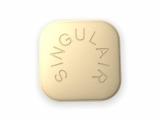
Singulair (montelukast sodium) is an oral leukotriene receptor antagonist indicated for the prophylaxis and chronic treatment of asthma in adults and children aged 12 months and older, and for the relief of symptoms of seasonal allergic rhinitis and perennial allergic rhinitis. Montelukast binds selectively to the cysteinyl leukotriene receptor (CysLT₁) in the airways, blocking the action of leukotrienes LTC₄, LTD₄, and LTE₄. This results in reduced airway inflammation, bronchoconstriction, mucus production, and vascular permeability. In asthma, Singulair is used as an add‑on controller in patients not adequately controlled with inhaled corticosteroids and short‑acting beta‑agonists, and may allow a reduction in the dose of inhaled corticosteroids. It is not a bronchodilator and must not be used for the relief of acute asthma attacks.
Usual adult dose: For adults and adolescents 15 years of age and older with asthma or allergic rhinitis, the recommended dose is one 10 mg tablet taken orally once daily in the evening, with or without food. For children aged 6 to 14 years, the dose is one 5 mg chewable tablet once daily in the evening. For children aged 2 to 5 years, the dose is one 4 mg chewable tablet once daily in the evening. Dosing is the same for both asthma and allergic rhinitis. When used for exercise‑induced bronchoconstriction, patients should take the prescribed dose 2 hours before exercise; a second dose within the same 24‑hour period is not recommended. Patients already taking a daily maintenance dose for asthma should not take an additional dose before exercise. No dose adjustment is required in the elderly or in patients with renal impairment.
Dosage form: Film‑coated tablets: 10 mg (beige, square‑shaped); chewable tablets: 5 mg (pink, round, cherry‑flavoured) and 4 mg (pink, oval, cherry‑flavoured). Chewable tablets contain phenylalanine (aspartame) and should be avoided in patients with phenylketonuria.
Onset of action: Improvement in asthma symptoms and lung function may be noticed within 24 hours of the first dose, with continued improvement over the first weeks of daily therapy. For allergic rhinitis, relief of nasal and ocular symptoms is typically seen within hours to days.
Duration of action: The therapeutic effect is maintained throughout a 24‑hour dosing interval, allowing for once‑daily administration. The plasma elimination half‑life of montelukast is 2.7 to 5.5 hours, but the duration of clinical effect is governed by receptor occupancy and downstream anti‑inflammatory activity.
Alcohol recommendation: No direct interaction between montelukast and alcohol is known. However, alcohol may worsen the symptoms of allergic rhinitis and gastroesophageal reflux, which can mimic or aggravate asthma symptoms. Moderation is advised.
Most common side effects: In adults, headache, abdominal pain, cough, and influenza‑like symptoms have been reported. In children, headache, abdominal pain, thirst, and hyperkinesia may occur. Rare but serious neuropsychiatric adverse events have been associated with montelukast, including agitation, aggression, depression, sleep disturbances, suicidal thoughts and behaviour, and hallucinations. Patients and caregivers should be counselled to monitor for these symptoms and to report any changes in mood or behaviour to a healthcare professional promptly. Singulair is not a rescue medication; a short‑acting bronchodilator must be available for acute asthma symptoms. Treatment with Singulair should not be used to abruptly replace inhaled or oral corticosteroids; any taper of corticosteroid therapy must be done gradually under medical supervision. Eosinophilia, vasculitic rash, worsening pulmonary symptoms, cardiac complications, and neuropathy (consistent with Churg‑Strauss syndrome) have been reported rarely, often in association with steroid withdrawal.
Would you like to try Singulair (Montelukast) without a prescription?
Buy Generic Singulair (Montelukast) without prescription in Canada
At our pharmacy, you can buy Singulair without a prescription, with discreet and anonymous packaging delivered within 5-14 days across Canada.
What is Singulair?
Singulair is a leukotriene receptor antagonist. The active ingredient is montelukast sodium. It's used for two main things: asthma and allergic rhinitis, which means seasonal hay fever or year-round indoor allergies. In asthma, it's a maintenance medication, not a rescue inhaler. It keeps the airways calm so you're less likely to wheeze, cough, or feel tight in the chest. For allergies, it tackles the stuffy nose, sneezing, and itchy eyes without the drowsiness that older antihistamines can cause.
Montelukast works by blocking leukotrienes. Leukotrienes are chemicals your immune system releases when it encounters an allergen or an asthma trigger. They cause inflammation, bronchoconstriction, and mucus production. Singulair sits on the receptors for one specific type of leukotriene, cysteinyl leukotrienes, and stops them from locking in. This means less swelling in the airways and less mucus. It's not a steroid, so it doesn't carry the same concerns about long-term use on the voice box or skin, but it also isn't as powerful for severe asthma.
It's taken as a once-daily pill. For asthma, it's typically taken in the evening because leukotriene production has a circadian rhythm, peaking at night. For allergies, timing is less critical; you can take it whenever it's convenient. The effect builds over a few days, and full protection can take a week or two. Singulair comes in three strengths: 4 mg chewable tablets for children 2 to 5 years old, 5 mg chewable tablets for kids 6 to 14, and the standard 10 mg tablet for anyone 15 and older. The 10 mg tablet is also sometimes used in adults for exercise-induced bronchospasm, taken 2 hours before activity.
Mechanism and Pharmacology
Montelukast is a selective and potent antagonist of the cysteinyl leukotriene type 1 (CysLT1) receptor. Leukotrienes, particularly LTC4, LTD4, and LTE4, are released from mast cells, eosinophils, and basophils during an allergic reaction or asthma flare. They are roughly a thousand times more potent than histamine at constricting bronchial smooth muscle. They also increase vascular permeability, causing swelling, and promote the migration of inflammatory cells into the airway tissue.
By blocking the CysLT1 receptor, montelukast stops this cascade at the beginning. It prevents the bronchoconstriction, reduces the swelling, and makes the airways less twitchy to triggers like cold air, exercise, or pollen. Because it acts on a different pathway than inhaled corticosteroids, the two can be combined to give better control than either alone, especially in people whose asthma isn't fully controlled on a low-dose steroid. It's also effective for the nasal symptoms of allergic rhinitis, because leukotrienes are involved there too. Oral bioavailability is about 60 to 65 percent, and it's heavily protein-bound. It's metabolized by the liver, primarily by CYP2C8 and CYP3A4, and excreted in bile. The half-life is about 2.5 to 5.5 hours, but the clinical effect lasts a full day because of the downstream changes it triggers.
How to Use Singulair
Take the tablet once daily, at the same time each day. For asthma, the recommended time is in the evening. Your body makes the most leukotrienes at night, and taking Singulair then can help prevent early morning symptoms and that tight, wheezy feeling when you first wake up. For allergic rhinitis, you can take it in the morning or evening, whichever fits your routine.
The 10 mg tablet is swallowed whole with water. The 4 mg and 5 mg chewable tablets are meant to be chewed thoroughly before swallowing. They have a mild, sweet taste. Don't swallow them whole; they're designed to be broken down in the mouth. If you forget a dose, take it as soon as you remember. If it's nearly time for the next dose, skip the missed one and get back on schedule. Never double up. Consistency is what brings the inflammation under control.
Singulair is not a replacement for your rescue inhaler. You must still carry a fast-acting bronchodilator like salbutamol for sudden symptoms. If you're using Singulair for exercise-induced asthma, take a single 10 mg tablet at least 2 hours before you work out. Don't take another dose within 24 hours. If you're already on daily Singulair for asthma, you don't need an extra dose for exercise.
Side Effects of Singulair
Most people tolerate Singulair well. The most common side effects are mild: headache, stomach ache, or a bit of diarrhea. These usually pass as your body adjusts. A dry mouth or increased thirst can also happen. In children, especially those on the 4 mg or 5 mg chewables, a mild rash or irritability has been reported.
The side effect that gets the most attention is neuropsychiatric. The FDA and Health Canada have a boxed warning about potential changes in mood and behaviour. These can include agitation, aggressive behaviour, anxiety, depression, unusual dreams, insomnia, and in very rare cases, suicidal thoughts or actions. These events are uncommon, but they are serious enough that you need to watch for them. If you notice sudden changes in your mood, or if your child becomes unusually aggressive, anxious, or withdrawn after starting Singulair, stop the medication and contact your doctor immediately. The symptoms usually go away when the drug is stopped. This warning does not mean the drug is dangerous for everyone. Millions of people have used it safely. It means you need to be informed and observant.
High-Risk Groups (Elderly, Pregnancy)
Pregnancy. Montelukast is FDA pregnancy category B. Animal studies have not shown a risk to the fetus. Human data from pregnancy registries are reassuring, with no clear increase in birth defects. Asthma can get worse, better, or stay the same during pregnancy. Uncontrolled asthma is a known risk for preterm delivery and low birth weight. Most obstetricians and respirologists agree that if a woman's asthma was well controlled on Singulair before pregnancy, she should keep taking it. Always discuss your medications with your doctor, but don't stop on your own.
Breastfeeding. Montelukast passes into breast milk in very small amounts. The relative infant dose is low, and no adverse effects have been reported in breastfed babies. It's considered compatible with breastfeeding.
Children. Singulair is widely used in pediatrics. The 4 mg chewable is for ages 2 to 5, and the 5 mg chewable is for ages 6 to 14. The safety and neuropsychiatric warnings apply to children as well as adults. Parents should be especially alert to any changes in their child's behaviour after starting the drug. For young children who can't chew a tablet safely, the granules can be mixed into a spoonful of soft food like applesauce, but it must be taken immediately, not saved for later.
Elderly patients can use the 10 mg tablet without dose adjustment. The side effect profile is the same. Older adults are often on multiple medications, and montelukast has the advantage of very few drug interactions, making it a safer choice than some antihistamines or oral steroids. If the elderly person has memory issues, a family member should be aware of the mood side effect warning.
Interaction With Activities (Driving, Alcohol)
Singulair does not typically cause drowsiness or affect your ability to drive or operate machinery. Most people feel no different after taking it. Rarely, it can cause dizziness or a sense of fatigue. If that happens to you, avoid driving until you know how it affects you. Alcohol doesn't interact with montelukast in a clinically meaningful way. You can drink moderately. However, alcohol can trigger asthma in some people and worsen inflammation, so it's worth watching your own response.
Drug Interactions
Montelukast has very few interactions compared to other asthma medications. It's one of the reasons it's prescribed for people on complex drug regimens. Certain drugs that induce liver enzymes can lower the level of montelukast in your blood. Phenobarbital, phenytoin, and rifampin are the main ones. If you're taking these, your doctor might monitor your asthma control more closely or consider a slightly higher dose. The combination is not contraindicated.
Montelukast is often prescribed alongside inhaled corticosteroids, and the two work well together. It's safe with beta-agonists, theophylline, and oral corticosteroids. You can also take it with antihistamines for allergies without any problem. There is no interaction with food, so you can take it with or without a meal.
Alternative Options
Singulair sits in the middle of the asthma and allergy treatment ladder. For mild persistent asthma, it can be an alternative to low-dose inhaled corticosteroids, especially in children or people who struggle with inhaler technique. For allergic rhinitis, it's an alternative to antihistamines and nasal steroid sprays.
For asthma, the main alternative is an inhaled corticosteroid like budesonide or fluticasone. Steroids are more potent anti-inflammatory agents and remain the first-line guideline choice. Montelukast is often added when a steroid alone isn't enough, or it's used on its own for people who can't take steroids. For allergies, alternatives include oral antihistamines like cetirizine or loratadine, which work faster on sneezing and itching, and nasal sprays like fluticasone or azelastine, which are more effective for congestion. A leukotriene receptor antagonist can be a good choice if you have both asthma and allergies, because one pill treats both.
INN, Brand Names, and Classification in Canada
INN (International Nonproprietary Name): Montelukast sodium
Available brand names in Canada: Singulair, and generic montelukast
ATC code: R03DC03
Forms and strengths: Chewable tablets 4 mg, 5 mg; Tablets 10 mg
Manufacturers: Merck Canada Inc. (Singulair), and diverse generic manufacturers including Teva Canada, Sandoz Canada, and Apotex
Registration status in Canada: Registered
Classification: Prescription (Rx)
Frequently Asked Questions
How long does Singulair take to work?
It's not a fast-acting bronchodilator. You may feel some relief from allergy symptoms within a day or two, but for asthma control, it can take up to a week for the full effect to kick in. Don't use it to treat an asthma attack. Use your rescue inhaler for that.
Can I take Singulair at any time of day?
For asthma, take it in the evening for the best protection against nighttime and early morning symptoms. For allergies, you can take it in the morning or evening, whichever is easier to remember. Consistency matters more than the exact hour.
What should I do if I notice mood changes?
Stop the medication and call your doctor. The neuropsychiatric side effects are rare but real. They typically reverse when the drug is discontinued. Don't try to wait it out.
Can children take the adult tablet?
No. The 10 mg tablet is for ages 15 and older. Children 6 to 14 should take the 5 mg chewable, and toddlers 2 to 5 take the 4 mg chewable. These doses are based on weight and metabolism, so using the wrong strength can lead to underdosing or increased side effects.
Is Singulair a steroid?
No. It's a leukotriene receptor antagonist, a completely different class of medicine. It doesn't carry the risks of oral thrush, hoarseness, or growth suppression associated with inhaled steroids. This makes it a useful option for children and people who are sensitive to steroid side effects.
Delivery Information Across Canada
We ship Singulair and generic montelukast to all provinces and territories. Delivery times vary depending on how remote your location is:
- Ontario (Toronto, Ottawa, Mississauga): 5 to 7 days
- Quebec (Montreal, Quebec City, Laval): 5 to 7 days
- British Columbia (Vancouver, Victoria, Burnaby): 5 to 9 days
- Alberta (Calgary, Edmonton, Red Deer): 5 to 9 days
- Manitoba (Winnipeg, Brandon): 5 to 9 days
- Saskatchewan (Saskatoon, Regina): 5 to 9 days
- Nova Scotia (Halifax, Sydney): 5 to 9 days
- New Brunswick (Moncton, Fredericton): 5 to 9 days
- Newfoundland and Labrador (St. John's, Corner Brook): 7 to 14 days
- Prince Edward Island (Charlottetown): 7 to 14 days
- Yukon, Northwest Territories, Nunavut: 7 to 14 days
All shipments are packed discreetly with no branding or indication of contents on the outside.


| Shipping method | Delivery time | Price | |
 Delivery Delivery |
14-21 days | 14.95$ | Tracking# available in 4 days |
 Delivery Delivery |
9-14 days | 30$ | Tracking# available in 2 days |
- Shipping worldwide
- Confidentiality and anonymity guarantee
- Safe and secure
- Discrete looking packages
- Dispatch orders within 24 hours
- 100% success delivery


