


 Secure and Reliable
  High quality
  Worldwide shipping
  Bonuses and Discounts
  Money back Guarantee
 - Bestsellers
- Alcoholism
- COVID-19
- Allergy
- Anti Fungal
- Alzheimers
- Anti Viral
- Anti-Depressants
- Anti-Inflammatory
- Antibacterial
- Antiparasitic
- Antibiotics
- Arthritis
- Asthma
- Birth Control
- Blood Pressure
- Cancer
- Cardiovascular
- Cholesterol
- Diabetes
- Diuretics
- Erectile Dysfunction
- Eye Drop
- Gastro Health
- General Health
- Hair Loss
- Hepatitis C Virus (HCV)
- HIV
- Hormones
- Men's ED Packs
- Men's Health
- Mental Illness
- Motion Sickness
- Muscle Relaxant
- Pain Relief
- Parkinson’s Disease
- Veterinary Medicines
- Quit Smoking
- Vitamins
- Skin Care
- Sleeping Aids
- Weight Loss
- Women's Health
Generic Skelaxin ( Metaxalone )
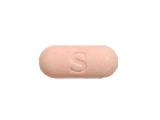
Buy Generic Skelaxin (Metaxalone) without prescription in Canada
In our Canadian pharmacy, you can buy Skelaxin (Metaxalone) without a prescription, with delivery across Canada within 5‑14 days. Discreet and anonymous packaging.
Skelaxin (metaxalone) is a centrally acting skeletal muscle relaxant used, along with rest, physical therapy, and other measures, to relieve the pain and discomfort of acute, painful muscle and bone conditions such as strains and sprains. Though its exact mechanism of action has not been established, it is thought to work by causing general central nervous system depression, which helps to relax tense muscles and reduce painful spasms. It has no direct effect on the contractile mechanism of skeletal muscle, the motor end plate, or the nerve fiber.
Usual adult dose: The generally recommended dose is 800 mg taken three to four times daily. For patients who require a lower dose, the 800 mg tablet is scored and may be split in half to provide a 400 mg dose. The 400 mg strength is taken three to four times daily as an alternative for individuals who may be more sensitive to the medication.
Dosage form: Scored oral tablet, 800 mg (which can be split to obtain a 400 mg half‑tablet).
Onset of action: Peak plasma concentrations are reached approximately 3 hours after a 400 mg oral dose under fasted conditions, with the muscle‑relaxing effect typically noticeable within 1 hour of administration.
Duration of action: The elimination half‑life is approximately 9.0 hours (± 4.8 hours). The clinical effect generally lasts about 4 to 6 hours, supporting dosing three to four times daily.
Alcohol recommendation: Alcohol consumption should be avoided during treatment with Skelaxin. Alcohol and other central nervous system depressants can significantly increase the drowsiness, dizziness, and impaired coordination caused by metaxalone.
Most common side effects: Nausea, vomiting, drowsiness, dizziness, headache, and nervousness or irritability. Taking the medication with food may increase its absorption and enhance the general central nervous system depressant effect.
Would you like to try Skelaxin (Metaxalone) without a prescription?
General Information about Skelaxin (Metaxalone)
- INN (International Nonproprietary Name): Metaxalone
- Brand names available in Canada: Skelaxin® (King Pharmaceuticals) is the brand‑name product historically associated with this medication; it is not currently actively marketed in Canada.
- ATC code: M03BX04 (other centrally acting agents)
- Dosage forms and strengths: Scored oral tablet: 800 mg. The tablet can be split at the score line to administer a 400 mg half‑tablet.
- Manufacturers in Canada: Metaxalone is not manufactured in Canada. It is manufactured internationally by King Pharmaceuticals (a division of Pfizer Inc.) and various generic pharmaceutical companies such as Sandoz and Actavis for distribution in other markets. The product is available to our pharmacy via the international supply chain for personal importation.
- Registration status in Canada: Not marketed in Canada. Skelaxin has not been issued a Notice of Compliance by Health Canada and is not listed in the Drug Product Database. The brand‑name 400 mg tablet was discontinued from the United States market for reasons not related to safety or efficacy; however, the medication remains available internationally and may be imported for personal use.
- OTC / Rx classification: Prescription only (Rx). A valid prescription from a licensed Canadian healthcare professional is required.
Mechanism of Action and Pharmacology
The precise mechanism of action of metaxalone in humans has not been established, but it is thought to be related to general depression of the central nervous system (CNS). Pharmacological studies demonstrate that metaxalone has no direct action on the contractile mechanism of striated muscle, the motor end plate, or the nerve fiber, distinguishing it from peripherally acting muscle relaxants and neuromuscular blocking agents. Its CNS‑depressant properties are responsible for both its therapeutic muscle‑relaxing effects and its most common side effects. After oral administration, metaxalone is absorbed with peak plasma concentrations occurring approximately 3 hours after a 400 mg dose under fasted conditions. Absorption is significantly increased when the drug is taken with food; a high‑fat meal can increase the peak concentration (Cmax) by 77.5% and total exposure (AUC) by 23.5%. The elimination half‑life is 9.0 ± 4.8 hours. The absolute bioavailability is unknown. Metaxalone is metabolized in the liver, and its metabolites are excreted in the urine.
Indications
- As an adjunct to rest, physical therapy, and other measures for the relief of discomforts associated with acute, painful musculoskeletal conditions in adults and paediatric patients 13 years of age and older.
- It is used for short‑term treatment of muscle spasms, pain, and stiffness resulting from strains, sprains, and other muscle injuries.
- Not indicated for the treatment of chronic musculoskeletal disorders, spasticity associated with cerebral or spinal cord disease, or in children younger than 13 years of age.
Important Warnings and Precautions
At‑risk groups
- Pregnancy: Reproduction studies in rats have not revealed evidence of impaired fertility or harm to the fetus. Post‑marketing experience has not revealed evidence of fetal injury, but such experience cannot exclude the possibility of subtle damage. Metaxalone should be used during pregnancy only if clearly needed.
- Breastfeeding: It is not known whether metaxalone is excreted in human breast milk. Because many drugs are excreted in breast milk, caution should be exercised when metaxalone is administered to a nursing mother.
- Paediatrics: Safety and effectiveness in children younger than 13 years of age have not been established. Metaxalone is indicated for paediatric patients 13 years of age and older.
- Elderly: Geriatric patients may be particularly susceptible to the CNS‑depressant effects of metaxalone, including excessive drowsiness and an increased risk of falls. Lower initial doses and careful monitoring are recommended. The 400 mg half‑tablet dose may be appropriate for this population.
- Hepatic impairment: Metaxalone is contraindicated in patients with severe hepatic impairment. It should be used with caution in patients with mild to moderate hepatic impairment, with additional follow‑up and monitoring of liver function tests. Serial liver function studies should be performed in patients with pre‑existing liver damage.
- Renal impairment: Metaxalone is contraindicated in patients with severe renal impairment. It should be used with caution in patients with mild to moderate renal impairment, with additional follow‑up monitoring.
- Drug‑induced anaemias: Contraindicated in patients with a known tendency to drug‑induced, haemolytic, or other anaemias.
- Allergy: Contraindicated in patients with a known hypersensitivity to metaxalone or any component of the product.
- Serotonin syndrome: Cases of serotonin syndrome, a potentially life‑threatening condition, have been reported with metaxalone use, particularly when combined with other serotonergic drugs (e.g., SSRIs, SNRIs, triptans, tricyclic antidepressants, fentanyl, lithium, tramadol, tryptophan, buspirone, MAO inhibitors) or when taken in doses higher than recommended.
- False‑positive laboratory tests: Metaxalone may cause false‑positive Benedict's test results for glucose. A glucose‑specific test will differentiate findings.
Driving and alcohol
Skelaxin may impair the mental and/or physical abilities required for the performance of hazardous tasks, such as operating machinery or driving a motor vehicle. This effect is amplified when metaxalone is taken with other CNS depressants, including alcohol, benzodiazepines, opioids, and sedating antihistamines. Patients should be warned not to drive or engage in potentially dangerous activities until they have determined how this medication affects them. Alcohol should be avoided entirely during treatment to prevent dangerous additive sedation and psychomotor impairment.
Dosage Instructions
- Standard adult dose: The recommended dosage for adults and paediatric patients 13 years of age and older is 800 mg taken orally three to four times daily.
- Lower dose option (400 mg): For patients who may be more sensitive to the CNS‑depressant effects of the medication, including elderly or debilitated patients, the 800 mg scored tablet may be split in half at the score line to provide a 400 mg dose. The 400 mg half‑tablet may be taken three to four times daily.
- Administration: The tablet may be taken with or without food. However, patients should be aware that taking Skelaxin with food, particularly a high‑fat meal, significantly increases the absorption of the drug and may result in more pronounced CNS depression and side effects. If a consistent effect is desired, the medication should be taken in a consistent manner with regard to meals.
- Missed dose: If a dose is missed, take it as soon as remembered unless it is close to the time of the next scheduled dose. Do not double the dose to make up for a missed one.
- Duration of therapy: Metaxalone is intended for the short‑term management of acute musculoskeletal conditions. The need for continued therapy should be reassessed periodically by the prescribing physician.
Side Effects and Contraindications
- Most common side effects (incidence greater than 5%): Nausea and vomiting. Other common adverse effects include drowsiness, dizziness, headache, nervousness or irritability, and gastrointestinal upset. CNS side effects such as confusion, agitation, or exacerbation of underlying psychiatric conditions may occur in susceptible individuals.
- Serious but less common side effects: Serotonin syndrome is a rare but potentially life‑threatening adverse reaction that may occur with metaxalone, particularly when used in combination with other serotonergic agents or at higher‑than‑recommended doses. Symptoms include mental status changes (agitation, hallucinations, delirium, coma), autonomic instability (tachycardia, labile blood pressure, hyperthermia, diaphoresis), neuromuscular abnormalities (tremor, rigidity, myoclonus, hyperreflexia, incoordination), and gastrointestinal symptoms (nausea, vomiting, diarrhoea). Immediate medical attention and discontinuation of the drug are required if serotonin syndrome is suspected.
- Hypersensitivity reactions: Rash, urticaria, pruritus, and angioedema have been reported. Anaphylactic reactions may occur. Discontinue metaxalone and seek emergency medical attention if signs of a serious allergic reaction develop.
- Haematological effects: Leucopenia and haemolytic anaemia have been reported in isolated cases, though a causal relationship to metaxalone has not been firmly established.
- Hepatobiliary effects: Jaundice has been reported in temporal association with metaxalone use; however, a causal relationship has not been definitively established. Liver function tests should be monitored in patients with pre‑existing hepatic impairment.
- Contraindications: Known hypersensitivity to metaxalone or any component of the formulation. Known tendency to drug‑induced, haemolytic, or other anaemias. Severe hepatic impairment. Severe renal impairment.
Drug Interactions
- CNS depressants: The sedative effects of metaxalone and other CNS depressants (e.g., alcohol, benzodiazepines, opioids, barbiturates, tricyclic antidepressants, sedating antihistamines, and sleep medications) are additive. Concomitant use significantly increases the risk of profound sedation, respiratory depression, impaired coordination, and excessive drowsiness. Close monitoring is required, and patients should be warned to avoid hazardous activities.
- Serotonergic drugs: Cases of serotonin syndrome have been reported with the concomitant use of metaxalone and other serotonergic drugs. This includes selective serotonin reuptake inhibitors (SSRIs), serotonin‑norepinephrine reuptake inhibitors (SNRIs), tricyclic antidepressants, triptans, 5‑HT3 receptor antagonists, opioids (particularly fentanyl, meperidine, and methadone), mirtazapine, trazodone, tramadol, MAO inhibitors (including linezolid and intravenous methylene blue), lithium, tryptophan, and buspirone. If concomitant use is clinically warranted, careful observation of the patient is essential, particularly during treatment initiation and dose increases. Discontinue metaxalone if serotonin syndrome is suspected.
- Alcohol: Alcoholic beverages should be avoided entirely. Alcohol potentiates the CNS‑depressant effects of metaxalone and increases the risk of serious adverse events including excessive sedation, respiratory depression, and impaired psychomotor function.
- Food: Taking metaxalone with food, especially a high‑fat meal, significantly increases the peak plasma concentration and overall drug exposure. This can result in an enhanced therapeutic effect but also a more pronounced CNS‑depressant effect. Patients should be counselled on consistent administration with regard to meals.
Practical Advice
- Administration: Take Skelaxin exactly as prescribed by your healthcare professional. The 800 mg scored tablet may be split at the score line if a 400 mg half‑dose has been prescribed. Consistent timing of dosing with respect to meals is recommended to maintain a predictable level of medication effect and side effects.
- Monitoring: No specific routine laboratory monitoring is required for most patients. For patients with pre‑existing hepatic impairment, liver function tests should be performed prior to and periodically during therapy. Patients taking metaxalone in combination with other serotonergic drugs should be observed for signs and symptoms of serotonin syndrome. Patients with diabetes should be aware that metaxalone can cause false‑positive results with Benedict's test; glucose‑specific tests should be used instead.
- Storage: Store at room temperature (15‑30 °C) in a tightly closed container, protected from moisture, heat, and light. Keep the medication in its original packaging and out of reach and sight of children.
- Lifestyle: Skelaxin is most effective when used as part of a comprehensive management plan that includes rest and physical therapy. Avoid alcohol completely. Be cautious when rising from a sitting or lying position, as the medication may cause dizziness or light‑headedness. Do not engage in activities requiring full mental alertness or physical coordination until you have determined how the medication affects you.
- Disposal: Return unused or expired medication to a pharmacy for safe disposal. Do not flush down the toilet or discard in household waste.
Alternative Medications
- Cyclobenzaprine (Flexeril®): A centrally acting skeletal muscle relaxant available in Canada. It is structurally related to tricyclic antidepressants and is used for the short‑term relief of muscle spasm associated with acute, painful musculoskeletal conditions. It has a higher incidence of drowsiness and anticholinergic side effects compared with metaxalone.
- Methocarbamol (Robaxin®, Robaxacet®): A centrally acting muscle relaxant available over the counter in Canada (in combination with acetaminophen or ibuprofen) and by prescription in higher strengths. It is indicated for the relief of painful muscle spasms associated with acute musculoskeletal conditions.
- Orphenadrine (Norflex®): An anticholinergic muscle relaxant available by prescription in Canada. It is indicated for the relief of acute muscle spasm and may also have mild analgesic properties.
- Baclofen (Lioresal®): A centrally acting muscle relaxant primarily used for spasticity associated with spinal cord injury or multiple sclerosis. It is a second‑line option for severe, chronic muscle spasticity rather than acute strains and sprains.
- Tizanidine (Zanaflex®): A centrally acting alpha‑2 adrenergic agonist used for spasticity management. It is approved by Health Canada for the treatment of spasticity associated with multiple sclerosis and spinal cord disorders.
- Non‑pharmacological alternatives: Rest, ice or heat application, gentle stretching, physical therapy, massage, and chiropractic care are effective non‑pharmacological measures for the treatment of acute musculoskeletal pain and muscle spasm.
Clinical Efficacy
Metaxalone has been used clinically for the symptomatic relief of acute musculoskeletal pain since its initial approval in 1962. Clinical studies have demonstrated that metaxalone, when used as an adjunct to rest and physical therapy, provides effective relief of muscle spasm, pain, and stiffness associated with acute strains and sprains. In comparative studies, metaxalone has been shown to be a moderately potent muscle relaxant with a generally favourable side‑effect profile when compared with older agents such as carisoprodol or chlorzoxazone. The incidence of drowsiness is lower than that seen with cyclobenzaprine, and it lacks the anticholinergic side effects associated with orphenadrine. Bioequivalence studies have established that generic formulations of metaxalone provide comparable pharmacokinetic profiles to the branded Skelaxin product. The 800 mg tablet formulation, when taken with food, provides enhanced absorption and clinical effect. A clinical trial evaluating a modified‑release 640 mg formulation demonstrated significant reductions in low back and leg pain, supporting the therapeutic role of metaxalone in the management of acute lumbosacral musculoskeletal conditions. However, like other skeletal muscle relaxants, metaxalone is indicated only for short‑term use, and its role is adjunctive to physical measures and rest.
Important:
Skelaxin (metaxalone) is a prescription medication that should be used only under the supervision of a qualified healthcare professional. This medication can cause significant central nervous system depression, resulting in profound drowsiness and impaired coordination. Do not drive, operate heavy machinery, or engage in potentially dangerous activities until you have determined your individual response to the medication. Alcohol and other CNS depressants must be avoided during treatment. A rare but potentially life‑threatening condition called serotonin syndrome has been reported with metaxalone use, particularly when combined with other serotonergic medications. Symptoms include rapid heart rate, hallucinations, loss of coordination, severe dizziness, severe nausea or vomiting, muscle twitching or rigidity, and unexplained agitation or confusion. If you experience any of these symptoms, discontinue the medication and seek emergency medical attention immediately. Do not exceed the recommended dose, and do not take this medication for longer than prescribed. This information is not a substitute for professional medical advice, diagnosis, or treatment.


| Shipping method | Delivery time | Price | |
 Delivery Delivery |
14-21 days | 14.95$ | Tracking# available in 4 days |
 Delivery Delivery |
9-14 days | 30$ | Tracking# available in 2 days |
- Shipping worldwide
- Confidentiality and anonymity guarantee
- Safe and secure
- Discrete looking packages
- Dispatch orders within 24 hours
- 100% success delivery


