


 Secure and Reliable
  High quality
  Worldwide shipping
  Bonuses and Discounts
  Money back Guarantee
 - Bestsellers
- Alcoholism
- COVID-19
- Allergy
- Anti Fungal
- Alzheimers
- Anti Viral
- Anti-Depressants
- Anti-Inflammatory
- Antibacterial
- Antiparasitic
- Antibiotics
- Arthritis
- Asthma
- Birth Control
- Blood Pressure
- Cancer
- Cardiovascular
- Cholesterol
- Diabetes
- Diuretics
- Erectile Dysfunction
- Eye Drop
- Gastro Health
- General Health
- Hair Loss
- Hepatitis C Virus (HCV)
- HIV
- Hormones
- Men's ED Packs
- Men's Health
- Mental Illness
- Motion Sickness
- Muscle Relaxant
- Pain Relief
- Parkinson’s Disease
- Veterinary Medicines
- Quit Smoking
- Vitamins
- Skin Care
- Sleeping Aids
- Weight Loss
- Women's Health
Generic Spironolactone
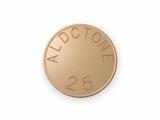
Spironolactone is a potassium-sparing diuretic and aldosterone antagonist indicated for the treatment of hypertension (as add-on therapy), edema associated with congestive heart failure, cirrhosis of the liver, and nephrotic syndrome, primary hyperaldosteronism, and hypokalemia. It is also used for the management of heart failure with reduced ejection fraction and for the treatment of acne and hirsutism in women due to its anti-androgenic properties. Spironolactone works by competitively binding to aldosterone receptors in the distal renal tubule, inhibiting sodium reabsorption and reducing potassium excretion, leading to mild diuresis and potassium retention. Unlike loop or thiazide diuretics, spironolactone does not cause significant potassium loss.
Usual adult dose: For hypertension, the usual starting dose is 25 mg taken orally once daily, which may be increased to 50 mg to 100 mg daily, given in single or divided doses. For edema associated with heart failure or cirrhosis, the typical starting dose is 25 mg to 100 mg once daily, titrated based on response and serum potassium levels. For primary hyperaldosteronism, doses up to 400 mg per day may be used under specialist supervision. For heart failure with reduced ejection fraction, the usual dose is 25 mg once daily, increased to 50 mg once daily if tolerated. The 25 mg strength is used for initial therapy and dose titration, while the 100 mg strength is used for higher-dose regimens. Spironolactone should be taken with food to improve absorption and reduce gastrointestinal upset. The maximum dose for most indications is 100 mg per day, except in primary hyperaldosteronism where higher doses may be required. Patients should be monitored for serum potassium, renal function, and blood pressure. If a dose is missed, it should be taken as soon as remembered, but two doses should not be taken on the same day.
Dosage form: Oral tablets: 25 mg (light yellow, round, biconvex, scored) and 100 mg (white, round, biconvex, scored). Available in bottles of 30, 100, or 500 tablets.
Onset of action: The diuretic effect begins within 1 to 2 days of starting therapy, but the antihypertensive effect may take 2 to 4 weeks to become fully evident. Anti-androgenic effects on acne and hirsutism develop gradually over 2 to 6 months of continuous treatment.
Duration of action: The elimination half-life of spironolactone is approximately 1.4 hours, but its active metabolites have half-lives of 10 to 20 hours, allowing for once-daily or twice-daily dosing. The therapeutic effect persists for up to 24 hours, and the drug is typically dosed once daily for hypertension and edema.
Alcohol recommendation: Alcohol should be used with caution during treatment with spironolactone. Alcohol can potentiate the blood-pressure-lowering and central nervous system depressant effects, increasing the risk of dizziness, fainting, and impaired coordination. Patients should limit alcohol intake, especially when first starting therapy or when the dose is increased.
Most common side effects: Hyperkalemia (elevated potassium), gynecomastia (breast enlargement) in men, breast tenderness, menstrual irregularities in women, fatigue, headache, nausea, and dizziness. Hyperkalemia is the most serious risk and can be life-threatening; serum potassium must be monitored regularly, especially in patients with renal impairment, diabetes, or those taking other potassium-sparing medications or potassium supplements. Gynecomastia occurs in up to 10% of men and may be dose-dependent; it is usually reversible upon discontinuation. Spironolactone is contraindicated in patients with severe renal impairment (creatinine clearance less than 30 mL/min), hyperkalemia, Addison's disease, or known hypersensitivity. It should be used with caution in patients with hepatic impairment, as it may precipitate hepatic encephalopathy. Patients should seek immediate medical attention for signs of hyperkalemia, such as muscle weakness, irregular heartbeat, or numbness. Spironolactone is available only by prescription in Canada and must be prescribed and monitored by a healthcare professional.
Would you like to try Spironolactone without a prescription?
Buy Generic Spironolactone () without prescription in Canada
At our pharmacy, you can buy Spironolactone without a prescription, with discreet and anonymous packaging delivered within 5-14 days across Canada.
What is Spironolactone?
Spironolactone is a diuretic, often called a water pill, but it is different from other diuretics because it also blocks the hormone aldosterone. That dual action makes it useful for several conditions. It is used to treat high blood pressure, heart failure, fluid retention caused by liver or kidney disease, and a condition called primary hyperaldosteronism where the body makes too much aldosterone. It is also prescribed off-label for acne and excessive hair growth in women because it blocks androgens, the male hormones that drive those problems. The 25 mg dose is the usual starting point, especially for blood pressure or acne. The 100 mg dose is used for more resistant fluid retention, severe heart failure, or when higher doses are needed to block aldosterone.
Spironolactone is not a quick fix. For blood pressure, the full effect takes about two weeks. For fluid retention, the diuretic effect begins within a few days, but the maximum benefit builds over weeks. For acne and hirsutism, results take three to six months because the drug works by gradually changing hormone signalling in the skin. It is a potassium-sparing diuretic, meaning it does not cause low potassium like other water pills. In fact, it can cause high potassium, which is the most important safety concern. The drug is available as a generic and was originally sold under the brand name Aldactone.
Mechanism and Pharmacology
Spironolactone is a competitive antagonist of aldosterone at the mineralocorticoid receptor in the distal tubule of the kidney. Aldosterone normally tells the kidney to reabsorb sodium and water while excreting potassium. By blocking aldosterone, spironolactone causes the kidney to excrete sodium and water, but it retains potassium. That is why it is called potassium-sparing. The blood pressure-lowering effect comes from the reduction in fluid volume and also from a direct effect on blood vessel walls. In heart failure, blocking aldosterone reduces the harmful remodelling of the heart muscle, which improves survival. The anti-androgen effect occurs because spironolactone also blocks androgen receptors and reduces the production of testosterone and other androgens in the ovaries and adrenal glands. This is why it helps with acne, oily skin, and hirsutism in women.
After oral administration, spironolactone is well absorbed, and food increases its bioavailability, especially a high-fat meal. It is metabolized in the liver to several active metabolites, the most important being canrenone. The half-life of spironolactone itself is short, about 1 to 2 hours, but the active metabolites have half-lives of 10 to 35 hours, so the clinical effect lasts all day. It is excreted mainly in the urine and to a lesser extent in the feces. The dose does not need adjustment in kidney impairment until the creatinine clearance drops below 30 mL per minute, at which point the drug should be used with great caution or avoided because of the risk of hyperkalemia. In liver impairment, the drug should also be used cautiously because the liver is the primary site of metabolism. Spironolactone is not a fast-acting diuretic like furosemide; it works gradually and is usually used in combination with other treatments.
How to Use Spironolactone
The dose depends entirely on the condition. For high blood pressure, the starting dose is usually 25 mg once daily. It can be increased to 50 mg or 100 mg daily if needed, either as a single dose or split into two doses. For edema, the starting dose is 25 to 100 mg daily, sometimes given in divided doses, and the doctor adjusts based on the response and potassium levels. For heart failure, the dose is usually 25 mg daily, increased to 50 mg daily if potassium allows. For acne in women, doses range from 25 to 100 mg daily, often starting at 25 mg and titrating up. For hirsutism, the dose is usually 50 to 100 mg daily. The 25 mg tablet is the building block for all these uses. The 100 mg tablet is for patients who need a higher total daily dose and want to take fewer pills.
Take spironolactone with food to improve absorption and reduce stomach upset. It can be taken once daily in the morning, or if the dose is high and causes stomach issues, it can be split into two doses. Taking it in the morning avoids having to get up at night to urinate. If you miss a dose, take it as soon as you remember. If it is almost time for the next dose, skip the missed one. Do not double up. Do not stop taking it suddenly, especially if you are using it for heart failure, because symptoms can rebound. Your doctor will want to check your potassium level and kidney function before starting and periodically during treatment. If you develop muscle weakness, palpitations, or severe fatigue, these could be signs of high potassium and need immediate medical attention. Avoid salt substitutes that contain potassium while taking spironolactone, because they can push your potassium dangerously high.
Side Effects of Spironolactone
The most common side effects are related to its hormonal effects. Breast tenderness and enlargement, called gynecomastia, can occur in men. This is often dose-related and reversible when the drug is stopped. Women may experience menstrual irregularities, spotting, or breast tenderness. These effects are why spironolactone is not first-line for high blood pressure in men, though it is still used when needed. Dizziness and lightheadedness, especially when standing up quickly, can occur because of the drop in blood pressure. Rise slowly. Stomach upset, nausea, and diarrhea are possible but usually mild and improved by taking the drug with food.
The most serious risk is hyperkalemia, high potassium. This is more likely in people with kidney disease, in those taking other potassium-sparing drugs, or in those who use potassium supplements. Symptoms include muscle weakness, fatigue, tingling, palpitations, and in severe cases, dangerous heart rhythms. Your doctor will monitor your potassium regularly, especially when starting or changing the dose. Dehydration can also occur if the diuretic effect is too strong, leading to dizziness and kidney strain. Very rarely, spironolactone can cause a severe skin reaction or an allergic response. It can also affect the voice, causing deepening, which may be irreversible, and this is a concern for women using it for acne or hirsutism. It is important to discuss all side effects with your doctor, especially if you plan to use it long-term.
High-Risk Groups (Elderly, Pregnancy)
Pregnancy. Spironolactone is pregnancy category C. It should not be used during pregnancy because of its anti-androgen effects, which can interfere with the development of a male fetus. If you become pregnant while taking spironolactone, stop it immediately and consult your doctor. Women of childbearing age should use effective contraception while on the drug. Breastfeeding. Spironolactone passes into breast milk, and its active metabolite canrenone is also present. The manufacturer recommends against breastfeeding while taking spironolactone, because of the potential for hormonal effects in the infant. If you need a diuretic while breastfeeding, discuss safer alternatives with your doctor.
Elderly patients are more sensitive to the blood pressure-lowering and potassium-raising effects. They are also more likely to have reduced kidney function, which increases the risk of hyperkalemia. The starting dose should be 25 mg once daily, and potassium and kidney function should be checked frequently. Falls from dizziness are a concern. Patients with moderate to severe kidney impairment should not use spironolactone, or should use it only under specialist care with very close monitoring. People with Addison's disease, where the adrenal glands do not make enough aldosterone, should not take spironolactone. Those with a history of hyperkalemia or who are taking other potassium-sparing drugs should avoid it. A complete medication review is essential before starting.
Interaction With Activities (Driving, Alcohol)
Spironolactone can cause dizziness, drowsiness, and lightheadedness, especially during the first few days and after dose increases. If you feel these effects, do not drive or operate machinery until they resolve. Alcohol can worsen the blood pressure-lowering effect and increase dizziness. It also contributes to dehydration, which can worsen kidney function. Limit alcohol while taking spironolactone, especially if you are also taking other blood pressure medications. If you drink, do so in moderation and be aware that you may feel lightheaded more easily. Do not drink and drive.
Drug Interactions
The most critical interaction is with other potassium-raising drugs. ACE inhibitors like lisinopril, ARBs like losartan, and other potassium-sparing diuretics like amiloride all increase the risk of hyperkalemia when combined with spironolactone. The combination requires careful monitoring, often with reduced doses. Potassium supplements and salt substitutes containing potassium should be avoided entirely. NSAIDs like ibuprofen and naproxen can reduce the blood pressure-lowering effect and worsen kidney function, which increases the risk of hyperkalemia. Lithium levels can rise, leading to toxicity. Digoxin levels can also increase, and the combination requires monitoring. Spironolactone can reduce the effect of anticoagulants like warfarin, so INR must be watched. It can also increase the effect of other blood pressure medications, causing hypotension. Always tell your doctor and pharmacist about every medication you take, including over-the-counter drugs and supplements, before starting spironolactone.
Alternative Options
For high blood pressure, other diuretics like hydrochlorothiazide or chlorthalidone are often first-line, but they lower potassium. ACE inhibitors or ARBs are also common. For heart failure, eplerenone is a more selective aldosterone blocker with fewer hormonal side effects, but it is more expensive. For fluid retention, furosemide works faster but causes potassium loss. For acne and hirsutism in women, alternatives include oral contraceptives, cyproterone acetate, or finasteride, but each has its own risks. Spironolactone is unique because it addresses both the fluid and the androgen pathways. It is a versatile drug that can serve multiple purposes in one pill, but its hormonal side effects and potassium risk require careful patient selection.
INN, Brand Names, and Classification in Canada
INN (International Nonproprietary Name): Spironolactone
Available brand names in Canada: Aldactone, and generic spironolactone
ATC code: C03DA01
Forms and strengths: Tablets 25 mg, 100 mg. Also available as 50 mg in some generic versions.
Manufacturers: Pfizer Canada Inc. (Aldactone), and diverse generic manufacturers including Apotex Inc., Teva Canada Limited, and Sandoz Canada Inc.
Registration status in Canada: Registered
Classification: Prescription (Rx)
Frequently Asked Questions
Can spironolactone be used for acne?
Yes, it is commonly used off-label in women for hormonal acne. It blocks androgens that stimulate oil production. The dose is usually 25 to 100 mg daily, and it takes 3 to 6 months to see full improvement. It is not typically used in men for acne because of the risk of breast enlargement.
Why do I need blood tests while taking spironolactone?
The main reason is to check potassium levels and kidney function. Spironolactone can raise potassium to dangerous levels, especially in people with kidney disease or those taking other potassium-raising drugs. Regular monitoring prevents serious complications.
Will spironolactone make me urinate more?
It is a mild diuretic, so you may urinate slightly more, especially in the first few days. It is not as strong as furosemide. Taking it in the morning can help avoid nighttime trips to the bathroom.
Can I take spironolactone if I am trying to get pregnant?
No. Spironolactone is not safe during pregnancy because of its effects on a developing male fetus. Use effective contraception while on the drug, and if you plan to conceive, talk to your doctor about stopping it before trying.
What should I do if I feel very weak or have palpitations?
These could be signs of high potassium. Stop taking spironolactone and seek medical attention immediately. High potassium can cause dangerous heart rhythms if not treated promptly.
Delivery Information Across Canada
We ship Spironolactone to all provinces and territories. Delivery times vary depending on how remote your location is:
- Ontario (Toronto, Ottawa, Mississauga): 5 to 7 days
- Quebec (Montreal, Quebec City, Laval): 5 to 7 days
- British Columbia (Vancouver, Victoria, Burnaby): 5 to 9 days
- Alberta (Calgary, Edmonton, Red Deer): 5 to 9 days
- Manitoba (Winnipeg, Brandon): 5 to 9 days
- Saskatchewan (Saskatoon, Regina): 5 to 9 days
- Nova Scotia (Halifax, Sydney): 5 to 9 days
- New Brunswick (Moncton, Fredericton): 5 to 9 days
- Newfoundland and Labrador (St. John's, Corner Brook): 7 to 14 days
- Prince Edward Island (Charlottetown): 7 to 14 days
- Yukon, Northwest Territories, Nunavut: 7 to 14 days
All shipments are packed discreetly with no branding or indication of contents on the outside.


| Shipping method | Delivery time | Price | |
 Delivery Delivery |
14-21 days | 14.95$ | Tracking# available in 4 days |
 Delivery Delivery |
9-14 days | 30$ | Tracking# available in 2 days |
- Shipping worldwide
- Confidentiality and anonymity guarantee
- Safe and secure
- Discrete looking packages
- Dispatch orders within 24 hours
- 100% success delivery


