


 Secure and Reliable
  High quality
  Worldwide shipping
  Bonuses and Discounts
  Money back Guarantee
 - Bestsellers
- Alcoholism
- COVID-19
- Allergy
- Anti Fungal
- Alzheimers
- Anti Viral
- Anti-Depressants
- Anti-Inflammatory
- Antibacterial
- Antiparasitic
- Antibiotics
- Arthritis
- Asthma
- Birth Control
- Blood Pressure
- Cancer
- Cardiovascular
- Cholesterol
- Diabetes
- Diuretics
- Erectile Dysfunction
- Eye Drop
- Gastro Health
- General Health
- Hair Loss
- Hepatitis C Virus (HCV)
- HIV
- Hormones
- Men's ED Packs
- Men's Health
- Mental Illness
- Motion Sickness
- Muscle Relaxant
- Pain Relief
- Parkinson’s Disease
- Veterinary Medicines
- Quit Smoking
- Vitamins
- Skin Care
- Sleeping Aids
- Weight Loss
- Women's Health
Generic Strattera ( Atomoxetine )
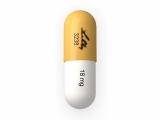
Strattera (atomoxetine hydrochloride) is a selective norepinephrine reuptake inhibitor indicated for the treatment of attention deficit hyperactivity disorder (ADHD) in children (6 years and older), adolescents, and adults. It works by selectively inhibiting the presynaptic norepinephrine transporter, increasing noradrenergic and dopaminergic signalling in the prefrontal cortex, which improves attention, concentration, and impulse control. Unlike stimulant medications, Strattera is not a controlled substance and has a lower potential for abuse. It is not a psychostimulant and may be preferred in patients with a history of substance misuse or when stimulants are contraindicated. Strattera requires continuous daily dosing for full therapeutic effect and is not intended for as-needed use.
Usual adult dose: For adults and adolescents weighing more than 70 kg, the recommended starting dose is 40 mg once daily, taken orally in the morning or evening. After a minimum of 3 days at the starting dose, the dose may be increased to a target of 80 mg once daily, or 40 mg twice daily (morning and late afternoon), depending on tolerability and response. The maximum recommended daily dose is 100 mg. For patients weighing less than 70 kg, the starting dose is 0.5 mg/kg once daily, increased after at least 3 days to a target of 1.2 mg/kg daily, not to exceed 100 mg. The 10 mg, 18 mg, and 25 mg capsules are used for initial dose titration in children, adolescents, or adults who require lower starting doses or are sensitive to the medication. The 40 mg capsule is the standard adult starting and maintenance strength. Capsules must be swallowed whole with water; they should not be opened, crushed, or chewed. Strattera may be taken with or without food. If a dose is missed, it should be taken as soon as remembered, but if it is close to the next scheduled dose, the missed dose should be skipped; two doses should not be taken at the same time. No dose adjustment is required in renal impairment, but in patients with moderate or severe hepatic impairment, the dose should be reduced to 50% or 25% of the usual dose, respectively. Abrupt discontinuation is not associated with withdrawal symptoms, but the dose may be tapered if needed. Strattera is not recommended in patients with narrow-angle glaucoma, severe cardiovascular disorders, or pheochromocytoma.
Dosage form: Hard gelatin capsules: 10 mg (white/opaque white, size 4, imprinted with "LILLY 3227" and "10 mg"), 18 mg (gold/opaque white, size 4, imprinted with "LILLY 3238" and "18 mg"), 25 mg (blue/opaque white, size 3, imprinted with "LILLY 3228" and "25 mg"), and 40 mg (blue/opaque blue, size 2, imprinted with "LILLY 3229" and "40 mg"). Available in blister packs or bottles of 30 or 100 capsules.
Onset of action: Initial improvement in ADHD symptoms may be noticed within the first 1 to 2 weeks of continuous therapy, but the full therapeutic effect usually requires 4 to 6 weeks of daily dosing at an optimized dose. Unlike stimulants, Strattera does not produce immediate symptom relief and requires consistent long-term use.
Duration of action: The elimination half-life of atomoxetine is approximately 5 hours in extensive metabolizers and up to 24 hours in poor metabolizers of CYP2D6. Once-daily morning dosing provides symptom control throughout the day and into the evening in most patients; some individuals may require twice-daily dosing to maintain benefit throughout the afternoon. The clinical effect lasts as long as the medication is taken regularly; symptoms may return within days to weeks after discontinuation.
Alcohol recommendation: Alcohol should be avoided or strictly limited during treatment with Strattera. Alcohol may increase the risk of central nervous system depression, dizziness, and drowsiness. It can also potentiate the cardiovascular effects of atomoxetine, including tachycardia and hypertension. Binge drinking is particularly dangerous and may increase the risk of liver injury. Patients should be counselled to abstain from alcohol, especially during the initial dose titration period.
Most common side effects: In adults, the most frequently reported adverse effects are dry mouth, insomnia, nausea, decreased appetite, constipation, dizziness, erectile dysfunction, dysmenorrhea, and hot flushes. In children and adolescents, common effects include abdominal pain, vomiting, decreased appetite, fatigue, and somnolence. Insomnia and appetite suppression are usually mild and tend to improve with continued use; taking the dose in the morning may reduce insomnia. Atomoxetine is associated with an increased risk of suicidal ideation in children and adolescents; patients should be monitored for mood changes, agitation, or unusual behaviour, especially during the first few months of treatment or after dose changes. Rare but serious hepatotoxicity has been reported; patients should seek immediate medical attention for unexplained nausea, fatigue, jaundice, or right upper quadrant pain. Strattera can increase heart rate and blood pressure; blood pressure and pulse should be measured at baseline and periodically. It is contraindicated in patients with known hypersensitivity to atomoxetine, symptomatic cardiovascular disease, moderate to severe hypertension, severe hepatic impairment, and in patients taking monoamine oxidase inhibitors (MAOIs) or within 14 days of discontinuing an MAOI. Priapism has been reported rarely in adult males. Strattera is available only by prescription in Canada and must be initiated and monitored by a healthcare professional experienced in ADHD management.
Would you like to try Strattera (Atomoxetine) without a prescription?
Buy Generic Strattera (Atomoxetine) without prescription in Canada
At our pharmacy, you can buy Strattera without a prescription, with discreet and anonymous packaging delivered within 5-14 days across Canada.
What is Strattera?
Strattera is a non-stimulant medication used to treat attention deficit hyperactivity disorder (ADHD) in children, teenagers, and adults. The active ingredient is atomoxetine, a selective norepinephrine reuptake inhibitor. Unlike the stimulant medications commonly prescribed for ADHD, such as methylphenidate or amphetamines, Strattera is not a controlled substance and does not carry the same risk of abuse or dependence. That makes it a useful option for people who cannot take stimulants, whether because of heart problems, anxiety, a history of substance abuse, or simply because stimulants caused too many side effects. It works by increasing the amount of norepinephrine available in the brain, which helps improve attention, reduce impulsivity, and calm hyperactivity. The effect builds gradually. Some people notice an improvement within the first week or two, but the full therapeutic benefit often takes 4 to 6 weeks of daily use. This is not a quick fix. It is a long-term treatment.
Strattera comes in four strengths: 10 mg, 18 mg, 25 mg, and 40 mg capsules. The 10 mg and 18 mg strengths are usually used for starting treatment or for children who need lower doses. The 25 mg and 40 mg strengths are for maintenance dosing and for adults. The dose is based on body weight in children, and on clinical response in adults. Strattera is taken once or twice daily, with or without food. The medication does not cause euphoria, so there is no "high" and no crash. It works quietly in the background, helping the brain stay organized and focused.
Mechanism and Pharmacology
Atomoxetine is a potent and selective inhibitor of the presynaptic norepinephrine transporter. By blocking this transporter, it prevents the reuptake of norepinephrine from the synaptic cleft back into the nerve terminal. More norepinephrine stays available to bind to postsynaptic receptors. This increase in noradrenergic signalling is thought to improve the function of the prefrontal cortex, the part of the brain responsible for attention, impulse control, and executive function. Unlike stimulants, atomoxetine does not significantly affect dopamine levels in the striatum, which is why it does not produce euphoria and has a lower abuse potential. It also has minimal affinity for other receptors, so it does not cause the jitteriness or appetite suppression typical of stimulants.
After oral administration, atomoxetine is well absorbed, with peak plasma levels reached in about 1 to 2 hours. Food does not significantly affect the total amount absorbed, though a high-fat meal may delay the peak. The drug is metabolized primarily in the liver by the cytochrome P450 enzyme CYP2D6. People who are poor metabolizers of CYP2D6 have higher blood levels and a longer half-life, which may require lower doses. The half-life of atomoxetine is about 5 hours in extensive metabolizers, but it can be up to 21 hours in poor metabolizers. Despite the short half-life, the clinical effect lasts longer because the drug causes downstream changes in receptor regulation. Atomoxetine is excreted mainly in the urine. The dose does not need adjustment for kidney impairment, but in moderate to severe liver impairment, the dose should be reduced. Because of the genetic variation in metabolism, your doctor may start with a lower dose and increase slowly to find what works for you.
How to Use Strattera
The dose depends on your age, weight, and how you respond. For children and adolescents up to 70 kg, the starting dose is usually 0.5 mg per kg per day, given once daily or split into two doses. After at least 3 days, the dose may be increased to a target of 1.2 mg per kg per day. For children over 70 kg and adults, the starting dose is usually 40 mg once daily. After at least 3 days, it can be increased to 80 mg daily, either as a single morning dose or split into two doses. The maximum recommended dose is 100 mg per day. The 10 mg, 18 mg, 25 mg, and 40 mg capsules allow flexible titration. Your doctor will tell you exactly how to take it. Do not change the dose on your own.
Take Strattera with a full glass of water, with or without food. If it causes stomach upset, taking it with food helps. If you take it once daily, many people prefer the morning because it can cause insomnia if taken too late in the day. If the dose is split, the second dose is usually taken in the early afternoon. Swallow the capsule whole. Do not open, crush, or chew it. If you miss a dose, take it as soon as you remember. If it is almost time for the next dose, skip the missed one. Do not double up. Do not stop taking Strattera suddenly, because your ADHD symptoms may return. If you need to stop, your doctor will advise you on how to taper. Regular follow-up is important. Your doctor will check your heart rate, blood pressure, and weight, especially in children and adolescents, because growth and cardiovascular effects need monitoring.
Side Effects of Strattera
The most common side effects in children are stomach upset, decreased appetite, nausea, vomiting, and fatigue. These often improve after the first few weeks. Taking the medication with food reduces the nausea. Appetite suppression can lead to weight loss, especially in the first months. Your doctor will monitor weight and growth in children. In adults, the most common side effects are dry mouth, insomnia, nausea, decreased appetite, constipation, and dizziness. Some people experience sexual side effects, including erectile dysfunction or decreased libido. These are usually reversible when the drug is stopped. Atomoxetine can also cause a slight increase in heart rate and blood pressure. For most people this is not dangerous, but it needs monitoring. A small number of patients experience urinary hesitancy or difficulty starting the stream, which is related to the drug's effect on smooth muscle. This can be bothersome and should be reported to your doctor.
Less common but serious side effects include liver injury. Atomoxetine can rarely cause severe liver damage, presenting with jaundice, dark urine, right upper abdominal pain, and unexplained fatigue. If these symptoms appear, stop the drug and seek medical attention immediately. There have also been reports of suicidal ideation, particularly in children and adolescents, during the first months of treatment. This is rare but must be taken seriously. If you or your child experience new or worsening depression, thoughts of self-harm, or unusual behaviour, contact your doctor right away. Allergic reactions, including rash and swelling, are possible but uncommon. In people with pre-existing heart conditions, atomoxetine can cause arrhythmias or worsen heart failure, so a cardiac evaluation may be needed before starting, especially if there is a history of structural heart disease.
High-Risk Groups (Elderly, Pregnancy)
Pregnancy. Atomoxetine is pregnancy category C. There are no adequate studies in pregnant women. Animal studies have shown some adverse effects on the fetus at high doses. It should be used during pregnancy only if the potential benefit clearly outweighs the risk. If you are pregnant or planning to become pregnant, discuss with your doctor whether to continue or switch to a different treatment. Untreated ADHD during pregnancy can cause significant functional impairment, but the safest option is not always clear. The decision should be individualized. Breastfeeding. Atomoxetine passes into breast milk. The amount is not well quantified, but it is likely low. The manufacturer recommends caution. If you breastfeed while taking Strattera, monitor the infant for irritability, poor feeding, or sleep disturbances. Discuss with your doctor.
Elderly patients have not been extensively studied, because ADHD is usually diagnosed in childhood or young adulthood, but ADHD can persist into old age and is sometimes newly recognized. In older adults, atomoxetine should be started at a low dose and titrated slowly. The risk of cardiovascular side effects is higher, and blood pressure and heart rate must be monitored. Patients with significant heart disease, including cardiomyopathy, coronary artery disease, or arrhythmias, should use atomoxetine with extreme caution or avoid it. Liver impairment requires dose reduction. Poor metabolizers of CYP2D6, which includes about 7 percent of the population, will have higher blood levels and may need a lower dose. People with narrow-angle glaucoma should not take atomoxetine, as it can raise intraocular pressure. Those with a history of pheochromocytoma should also avoid it, because the increase in norepinephrine could trigger a hypertensive crisis.
Interaction With Activities (Driving, Alcohol)
Atomoxetine can cause dizziness, fatigue, and blurred vision, especially during the first weeks of treatment or after a dose increase. If you feel drowsy or your vision is affected, do not drive or operate heavy machinery. The sedative effects usually fade as your body adjusts. Alcohol should be limited. Alcohol can worsen the dizziness and sedation, and it also increases the risk of liver injury when combined with atomoxetine. Heavy drinking is not recommended. Even moderate drinking can make side effects worse. If you drink, do so cautiously and never before driving. Atomoxetine does not have the same interaction with alcohol as stimulants, but it is still best to avoid alcohol during the first few months of treatment while your body adapts.
Drug Interactions
Atomoxetine is metabolized by CYP2D6. Drugs that inhibit this enzyme can increase atomoxetine levels. Strong CYP2D6 inhibitors include paroxetine, fluoxetine, bupropion, and quinidine. If you take one of these, your doctor may need to reduce the atomoxetine dose. Fluoxetine is particularly problematic because it is a potent CYP2D6 inhibitor and has a long half-life. The combination can lead to high atomoxetine levels and increased side effects. Conversely, drugs that induce CYP2D6 are rare, and most interactions are with inhibitors. Atomoxetine does not significantly inhibit or induce other cytochrome P450 enzymes, so it has few effects on other drugs. However, it should not be combined with monoamine oxidase inhibitors (MAOIs). There must be at least 14 days between stopping an MAOI and starting atomoxetine. Combining atomoxetine with other noradrenergic drugs, like certain antidepressants or decongestants, can increase blood pressure and heart rate. This includes pseudoephedrine and phenylephrine, which are common in cold remedies. Use these with caution. Beta-blockers may have additive effects on heart rate and blood pressure, but the combination is sometimes used deliberately under medical supervision. Always tell your doctor and pharmacist about all medications and supplements you take before starting Strattera.
Alternative Options
For ADHD, stimulant medications are still the first-line treatment for most people. Methylphenidate (Ritalin, Concerta) and amphetamine-based drugs (Adderall, Vyvanse) work faster and are more effective for many patients, but they are controlled substances with a risk of abuse and can worsen anxiety, insomnia, and heart problems. Atomoxetine is the main non-stimulant alternative. It has a slower onset but a smoother effect and no abuse potential. Other non-stimulants include guanfacine and clonidine, which are alpha-2 adrenergic agonists used mainly in children. Bupropion is an antidepressant sometimes used off-label for ADHD, especially in adults with co-existing depression. Viloxazine is a newer non-stimulant approved for ADHD in children and adolescents. The choice depends on the patient's age, co-existing conditions, risk of substance abuse, and tolerance for side effects. For adults who have never been treated, atomoxetine is often a good first option if stimulants are not appropriate. Behavioural therapy and organizational coaching can also be valuable adjuncts. Strattera is not a magic bullet; it works best as part of a comprehensive treatment plan that includes structure, support, and lifestyle changes.
INN, Brand Names, and Classification in Canada
INN (International Nonproprietary Name): Atomoxetine hydrochloride
Available brand names in Canada: Strattera, and generic atomoxetine
ATC code: N06BA09
Forms and strengths: Capsules 10 mg, 18 mg, 25 mg, 40 mg, 60 mg, 80 mg, 100 mg. The 10 mg and 18 mg are often for children; 25 mg and 40 mg are common for adults and adolescents.
Manufacturers: Eli Lilly Canada Inc. (Strattera), and diverse generic manufacturers including Apotex Inc., Teva Canada Limited, and Sandoz Canada Inc.
Registration status in Canada: Registered
Classification: Prescription (Rx)
Frequently Asked Questions
How long does Strattera take to work?
Unlike stimulants, which work within an hour, Strattera takes time. Some people notice a subtle improvement in the first week, but the full effect usually takes 4 to 6 weeks. It is important to keep taking it every day, even if you do not feel an immediate difference. The benefit builds gradually.
Can I take Strattera as needed, like before a big project?
No. Strattera is not a short-acting drug. It must be taken daily to maintain steady levels in the brain. Using it intermittently will not provide the same benefit and may cause more side effects. It is a long-term treatment, not a quick fix.
Will Strattera make me lose weight?
Loss of appetite and weight loss are common, especially in the first few months. This effect is usually mild and tends to stabilize. In children, growth is monitored closely. If weight loss is significant, your doctor may adjust the dose or add a snack schedule.
Does Strattera cause insomnia?
Yes, insomnia is a common side effect, especially if the dose is taken too late in the day. If you take it once daily, take it in the morning. If the dose is split, the second dose should be taken before early afternoon. Sleep usually improves after the first month.
Can I stop Strattera suddenly?
It is best to taper the dose under medical supervision. Stopping suddenly can cause a return of ADHD symptoms and may lead to mood changes. Your doctor will give you a schedule for reducing the dose if you need to stop.
Delivery Information Across Canada
We ship Strattera and generic atomoxetine to all provinces and territories. Delivery times vary depending on how remote your location is:
- Ontario (Toronto, Ottawa, Mississauga): 5 to 7 days
- Quebec (Montreal, Quebec City, Laval): 5 to 7 days
- British Columbia (Vancouver, Victoria, Burnaby): 5 to 9 days
- Alberta (Calgary, Edmonton, Red Deer): 5 to 9 days
- Manitoba (Winnipeg, Brandon): 5 to 9 days
- Saskatchewan (Saskatoon, Regina): 5 to 9 days
- Nova Scotia (Halifax, Sydney): 5 to 9 days
- New Brunswick (Moncton, Fredericton): 5 to 9 days
- Newfoundland and Labrador (St. John's, Corner Brook): 7 to 14 days
- Prince Edward Island (Charlottetown): 7 to 14 days
- Yukon, Northwest Territories, Nunavut: 7 to 14 days
All shipments are packed discreetly with no branding or indication of contents on the outside.


| Shipping method | Delivery time | Price | |
 Delivery Delivery |
14-21 days | 14.95$ | Tracking# available in 4 days |
 Delivery Delivery |
9-14 days | 30$ | Tracking# available in 2 days |
- Shipping worldwide
- Confidentiality and anonymity guarantee
- Safe and secure
- Discrete looking packages
- Dispatch orders within 24 hours
- 100% success delivery


