


 Secure and Reliable
  High quality
  Worldwide shipping
  Bonuses and Discounts
  Money back Guarantee
 - Bestsellers
- Alcoholism
- COVID-19
- Allergy
- Anti Fungal
- Alzheimers
- Anti Viral
- Anti-Depressants
- Anti-Inflammatory
- Antibacterial
- Antiparasitic
- Antibiotics
- Arthritis
- Asthma
- Birth Control
- Blood Pressure
- Cancer
- Cardiovascular
- Cholesterol
- Diabetes
- Diuretics
- Erectile Dysfunction
- Eye Drop
- Gastro Health
- General Health
- Hair Loss
- Hepatitis C Virus (HCV)
- HIV
- Hormones
- Men's ED Packs
- Men's Health
- Mental Illness
- Motion Sickness
- Muscle Relaxant
- Pain Relief
- Parkinson’s Disease
- Veterinary Medicines
- Quit Smoking
- Vitamins
- Skin Care
- Sleeping Aids
- Weight Loss
- Women's Health
Generic Sumatriptan
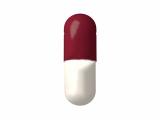
Sumatriptan is a selective serotonin 5‑HT1B/1D receptor agonist indicated for the acute treatment of migraine attacks with or without aura in adults. It works by constricting dilated intracranial blood vessels and inhibiting the release of pro‑inflammatory neuropeptides from trigeminal nerve endings, thereby relieving headache pain, nausea, photophobia, and phonophobia. Sumatriptan is not used for migraine prophylaxis and should be taken at the first sign of a migraine attack; it is effective regardless of when it is taken during the attack but is most beneficial early. It is available as oral tablets in 25 mg, 50 mg, and 100 mg strengths, as well as nasal spray and subcutaneous injection.
Usual adult dose: The recommended starting dose is 50 mg taken orally at the onset of migraine symptoms. Some patients may require 100 mg for optimal relief, while others may respond adequately to 25 mg, which is also useful for patients who experience dose‑related side effects. If the headache returns after initial relief, a second dose may be taken at least 2 hours after the first; the maximum single dose is 100 mg, and the maximum total daily dose is 200 mg. Sumatriptan tablets should be swallowed whole with water and may be taken with or without food. If a patient does not respond to the first dose, a second dose for the same attack is unlikely to be effective. Treatment should be limited to no more than 3 days per week to avoid medication‑overuse headache. Sumatriptan is contraindicated in patients with ischemic heart disease, coronary artery vasospasm, uncontrolled hypertension, or a history of stroke or transient ischemic attack.
Dosage form: Film‑coated tablets: 25 mg (white, round), 50 mg (pink, round or triangular), and 100 mg (pink, capsule‑shaped). Available in blister packs or bottles of 6, 9, or 12 tablets.
Onset of action: Pain relief typically begins within 30 to 60 minutes after oral administration, with peak effect at approximately 2 to 4 hours. A significant proportion of patients experience meaningful headache relief within 2 hours of a 50 mg or 100 mg dose.
Duration of action: The therapeutic effect generally lasts for 2 to 4 hours, but recurrence of headache within 24 hours occurs in about 20% to 30% of patients; a second dose may be taken after 2 hours if needed. The elimination half‑life of sumatriptan is approximately 2.5 hours.
Alcohol recommendation: Alcohol should be used with caution during sumatriptan therapy. Alcohol can trigger or worsen migraine in some individuals and may increase the central nervous system depressant effects of sumatriptan, causing drowsiness, dizziness, and impaired judgment. It is advisable to limit alcohol intake, especially during a migraine attack or within 24 hours of taking sumatriptan.
Most common side effects: Tingling, numbness, warmth or flushing, dizziness, drowsiness, fatigue, and mild chest or throat tightness. These sensations are usually transient and not indicative of heart disease, but patients should seek immediate medical attention if chest pain, severe tightness, or pressure occurs. Other reported effects include nausea, dry mouth, and injection site reactions (for injectable forms). Sumatriptan should not be used within 24 hours of ergotamine‑containing medications or other triptans due to the risk of additive vasoconstriction. It is contraindicated in patients with a history of myocardial infarction, Prinzmetal’s angina, peripheral vascular disease, or severe hepatic impairment. In patients with risk factors for coronary artery disease, a cardiovascular evaluation is recommended before the first use. Sumatriptan is available only by prescription in Canada and should be used under the guidance of a healthcare professional.
Would you like to try Sumatriptan without a prescription?
Buy Generic Sumatriptan () without prescription in Canada
At our pharmacy, you can buy Sumatriptan without a prescription, with discreet and anonymous packaging delivered within 5-14 days across Canada.
What is Sumatriptan?
Sumatriptan is a medication used to treat migraine headaches and cluster headaches. It belongs to a class of drugs called triptans, which are selective serotonin receptor agonists. A migraine is not just a bad headache. It involves the dilation of blood vessels in the brain and the release of inflammatory chemicals around the nerves. Sumatriptan narrows those dilated blood vessels and blocks the release of these inflammatory substances, effectively stopping the migraine process. It does not prevent migraines from starting. It treats one that is already underway. If you take it at the first sign of pain, it can stop the headache in its tracks. If you wait too long, it may be less effective.
This is a rescue medication, not a daily preventive. You take it when you feel a migraine coming on. The effect begins within 30 to 60 minutes for the oral tablet. The nasal spray and injectable forms work faster, but the tablets are the most commonly prescribed. Sumatriptan comes in three oral strengths: 25 mg, 50 mg, and 100 mg. The 50 mg dose is the standard starting point for many people. The 25 mg dose is for those who are sensitive or have mild migraines. The 100 mg dose is for those who need the maximum effect. The goal is to find the lowest dose that reliably stops the migraine.
Mechanism and Pharmacology
Sumatriptan is a selective agonist at 5-HT1B and 5-HT1D serotonin receptors. These receptors are found on the smooth muscle of intracranial blood vessels and on the nerve endings of the trigeminal system, the nerve pathway involved in migraine pain. Activation of the 5-HT1B receptors causes constriction of dilated cranial blood vessels, reversing the vasodilation that contributes to the throbbing pain. Activation of the 5-HT1D receptors on trigeminal nerve endings inhibits the release of vasoactive peptides like calcitonin gene-related peptide (CGRP) and substance P, which are inflammatory mediators that sensitize pain receptors. The combined effect is reduced vascular swelling and reduced pain signalling to the brain.
After oral administration, sumatriptan is absorbed, with peak plasma levels reached in about 2 to 2.5 hours. Bioavailability is about 15 percent due to first-pass metabolism in the liver and gut. Food does not significantly affect absorption but may delay the peak slightly. The drug is metabolized by monoamine oxidase A (MAO-A), producing inactive metabolites. The half-life is about 2.5 hours. The drug is eliminated mainly in the urine. Because it is metabolized by MAO-A, there is a significant interaction with MAO inhibitors, which must be avoided. Sumatriptan is not metabolized by cytochrome P450 enzymes to a clinically significant degree, so it has fewer interactions with other drugs than some triptans. However, the pharmacodynamic interactions, particularly with other serotonergic drugs, are important.
How to Use Sumatriptan
Take one tablet as soon as you feel a migraine starting. The sooner you take it, the better it works. Swallow the tablet whole with water. You can take it with or without food. If the headache returns after the first dose, you can take a second dose, but you must wait at least 2 hours after the first dose. Do not take more than 200 mg in a 24-hour period. If the first dose does not help at all, do not take a second dose for the same attack. You may need a higher strength next time, or this might not be the right medication for you. Discuss it with your doctor.
The starting dose is usually 50 mg. If 50 mg is not enough, your doctor may increase the dose to 100 mg. If 50 mg gives you complete relief but causes side effects, your doctor may reduce the dose to 25 mg. The dose that works best for you is the one you should use consistently. If you miss a dose, there is no issue. Sumatriptan is taken as needed, not on a schedule. Do not use it to prevent migraines. Using it more than 10 days per month can lead to medication-overuse headaches, also called rebound headaches. If you are using sumatriptan more than 2 days per week, talk to your doctor about preventive treatment.
Side Effects of Sumatriptan
The most common side effects are mild and transient. They include a feeling of tightness, pressure, or heaviness in the chest, neck, or jaw. This is called "triptan sensation" and can be alarming, but it is not a sign of heart damage. It is caused by the drug's effect on blood vessels and usually passes within 15 to 30 minutes. Tingling, warmth, or a feeling of fullness in the face, arms, or legs is also common. Dizziness, drowsiness, and fatigue can occur. Some people feel nauseous, though this is often part of the migraine itself. A dry mouth or an unusual taste is possible.
More serious but rare side effects are related to excessive vasoconstriction. Sumatriptan can cause coronary artery spasm, leading to chest pain, heart attack, or arrhythmias. This is why it is contraindicated in people with a history of heart disease, stroke, or uncontrolled high blood pressure. If you have new or unusual chest pain, shortness of breath, or pain spreading to your arm or jaw, seek emergency medical care immediately. This is not the typical "triptan sensation" that passes quickly. It is a persistent, worsening pain that may indicate a heart problem. Sumatriptan can also rarely cause severe allergic reactions, including anaphylaxis, which presents with swelling of the face, lips, or throat, difficulty breathing, and hives. This is a medical emergency. Serotonin syndrome can occur if sumatriptan is combined with other serotonergic drugs, leading to agitation, confusion, sweating, and muscle twitching. This is also an emergency.
High-Risk Groups (Elderly, Pregnancy)
Pregnancy. Sumatriptan is pregnancy category C. Animal studies have shown some adverse effects, but human data are limited. The Sumatriptan Pregnancy Registry, which collected data for many years, did not show a clear increase in birth defects. However, caution is advised. If you are pregnant or planning to become pregnant, discuss the use of sumatriptan with your obstetrician and neurologist. Many women continue to need migraine treatment during pregnancy, and sumatriptan is sometimes used when the benefit outweighs the risk, particularly if other treatments have failed. Acetaminophen is usually the first choice in pregnancy, but if it doesn't work, sumatriptan may be considered after the first trimester.
Breastfeeding. Sumatriptan passes into breast milk in small amounts. The relative infant dose is low. The American Academy of Pediatrics considers it compatible with breastfeeding. To minimize exposure, the mother can take the dose immediately after nursing and wait 2 to 3 hours before the next feeding. The infant should be monitored for drowsiness or poor feeding. Elderly patients can use sumatriptan, but they are more likely to have cardiovascular disease, high blood pressure, and reduced kidney or liver function. A careful cardiac evaluation is essential before starting, especially if there is any history of heart disease, stroke, or peripheral vascular disease. The dose may need to be lower, and the first dose should be taken in a monitored setting if there are risk factors. Patients with severe liver impairment should use a lower dose because the drug is metabolized in the liver. Kidney impairment does not require dose adjustment for the oral form. Sumatriptan is contraindicated in people with ischemic heart disease, coronary artery spasm, peripheral vascular disease, uncontrolled hypertension, or a history of stroke or transient ischemic attack. These are absolute contraindications. The drug should not be used in patients with hemiplegic or basilar migraine, because these types of migraine can involve cerebral vasoconstriction, and adding a triptan could worsen the situation.
Interaction With Activities (Driving, Alcohol)
Sumatriptan can cause dizziness, drowsiness, and blurred vision. If you feel these effects, don't drive or operate machinery until they resolve. The sedation is usually mild and passes quickly, but be cautious. Alcohol has no direct interaction with sumatriptan, but alcohol is a common migraine trigger and can worsen dehydration, making the migraine harder to treat. It is best to avoid alcohol during a migraine attack. If you are taking sumatriptan, heavy drinking is discouraged because it can increase the risk of liver strain and may worsen side effects like dizziness. An occasional light drink is unlikely to cause a problem.
Drug Interactions
The most critical interaction is with monoamine oxidase inhibitors (MAOIs), including phenelzine, tranylcypromine, and selegiline. Because sumatriptan is metabolized by MAO-A, combining it with an MAOI can cause dangerously high levels of sumatriptan, leading to severe vasoconstriction and hypertensive crisis. These drugs must be separated by at least 14 days. This is an absolute contraindication.
Other serotonergic drugs, including SSRIs, SNRIs, tricyclic antidepressants, and tramadol, can interact with sumatriptan and cause serotonin syndrome, a potentially fatal condition. The combination is not absolutely forbidden, but it should be used with caution and only if the benefit clearly outweighs the risk. Patients must be monitored for symptoms like agitation, sweating, shivering, muscle twitching, and a racing heart. Ergot alkaloids, such as ergotamine and dihydroergotamine, are used for migraine and cause vasoconstriction. Combining them with sumatriptan can cause excessive vasoconstriction and is contraindicated. The two should be separated by at least 24 hours. Other triptans should not be used together within 24 hours. St. John's Wort, an herbal supplement, can increase serotonin levels and should be avoided. Always tell your doctor about every medication, supplement, and herbal product you take before starting sumatriptan.
Alternative Options
Sumatriptan is the original triptan and remains the most studied. Other triptans include rizatriptan, zolmitriptan, naratriptan, eletriptan, and frovatriptan. They all work on the same receptors but have different onsets, durations, and side effect profiles. Rizatriptan and zolmitriptan have faster oral onset than sumatriptan. Naratriptan and frovatriptan are slower but last longer and have fewer side effects, making them useful for long migraines or those who cannot tolerate sumatriptan. Eletriptan is very effective but has more drug interactions. For those who cannot take triptans, other acute migraine treatments include NSAIDs like ibuprofen and naproxen, which work well for mild to moderate attacks. Acetaminophen is also used. For severe or refractory migraines, gepants like ubrogepant and rimegepant are newer oral CGRP receptor antagonists. They do not cause vasoconstriction and are safe in patients with cardiovascular disease where triptans are contraindicated. Lasmiditan is a 5-HT1F agonist that also avoids vasoconstriction. For frequent migraines, preventive therapies like beta-blockers, topiramate, amitriptyline, or CGRP monoclonal antibodies may be used to reduce attack frequency. The choice of acute treatment depends on the severity of the migraine, the presence of cardiovascular risk, and the patient's response to previous medications.
INN, Brand Names, and Classification in Canada
INN (International Nonproprietary Name): Sumatriptan succinate
Available brand names in Canada: Imitrex, and generic sumatriptan. Injectable and nasal spray formulations are also available.
ATC code: N02CC01
Forms and strengths: Tablets 25 mg, 50 mg, 100 mg. Injectable solution 6 mg/0.5 mL. Nasal spray 5 mg, 10 mg, 20 mg.
Manufacturers: GlaxoSmithKline Inc. (Imitrex), and diverse generic manufacturers including Apotex Inc., Teva Canada Limited, and Sandoz Canada Inc.
Registration status in Canada: Registered
Classification: Prescription (Rx)
Frequently Asked Questions
Can I take sumatriptan every day?
No. Sumatriptan is an acute treatment, not a preventive. Using it more than 10 days per month can cause medication-overuse headaches, which are chronic daily headaches that occur when the medication wears off. If you need sumatriptan more than 2 days per week, your doctor should consider preventive therapy.
What is the "triptan sensation" in my chest?
It is a feeling of tightness, pressure, or heaviness in the chest, neck, or jaw that occurs after taking sumatriptan. It is caused by the drug's effect on blood vessels and is usually harmless, passing within 15 to 30 minutes. However, if the pain is severe, spreading to your arm or jaw, or accompanied by shortness of breath, it could be a heart problem and needs emergency care. The distinction is important.
Can I take sumatriptan with ibuprofen?
Yes. Sumatriptan and NSAIDs like ibuprofen work through different mechanisms and can be taken together for a migraine. The combination is often more effective than either alone. However, always check with your doctor or pharmacist first, especially if you have stomach issues or kidney problems.
What if I take sumatriptan and the migraine comes back?
If the headache returns after the first dose, you can take a second dose, but you must wait at least 2 hours. Do not exceed 200 mg in 24 hours. If the migraine returns frequently, talk to your doctor about a longer-acting triptan like frovatriptan or naratriptan.
Can I use sumatriptan if I have high blood pressure?
Sumatriptan is contraindicated in uncontrolled hypertension. It can raise blood pressure and cause vasoconstriction. If your blood pressure is well controlled on medication, your doctor may allow you to use sumatriptan, but you need to be evaluated first. Never use it without a doctor's approval if you have any cardiovascular risk factors.
Delivery Information Across Canada
We ship Sumatriptan and generic sumatriptan to all provinces and territories. Delivery times vary depending on how remote your location is:
- Ontario (Toronto, Ottawa, Mississauga): 5 to 7 days
- Quebec (Montreal, Quebec City, Laval): 5 to 7 days
- British Columbia (Vancouver, Victoria, Burnaby): 5 to 9 days
- Alberta (Calgary, Edmonton, Red Deer): 5 to 9 days
- Manitoba (Winnipeg, Brandon): 5 to 9 days
- Saskatchewan (Saskatoon, Regina): 5 to 9 days
- Nova Scotia (Halifax, Sydney): 5 to 9 days
- New Brunswick (Moncton, Fredericton): 5 to 9 days
- Newfoundland and Labrador (St. John's, Corner Brook): 7 to 14 days
- Prince Edward Island (Charlottetown): 7 to 14 days
- Yukon, Northwest Territories, Nunavut: 7 to 14 days
All shipments are packed discreetly with no branding or indication of contents on the outside.


| Shipping method | Delivery time | Price | |
 Delivery Delivery |
14-21 days | 14.95$ | Tracking# available in 4 days |
 Delivery Delivery |
9-14 days | 30$ | Tracking# available in 2 days |
- Shipping worldwide
- Confidentiality and anonymity guarantee
- Safe and secure
- Discrete looking packages
- Dispatch orders within 24 hours
- 100% success delivery


