


 Secure and Reliable
  High quality
  Worldwide shipping
  Bonuses and Discounts
  Money back Guarantee
 - Bestsellers
- Alcoholism
- COVID-19
- Allergy
- Anti Fungal
- Alzheimers
- Anti Viral
- Anti-Depressants
- Anti-Inflammatory
- Antibacterial
- Antiparasitic
- Antibiotics
- Arthritis
- Asthma
- Birth Control
- Blood Pressure
- Cancer
- Cardiovascular
- Cholesterol
- Diabetes
- Diuretics
- Erectile Dysfunction
- Eye Drop
- Gastro Health
- General Health
- Hair Loss
- Hepatitis C Virus (HCV)
- HIV
- Hormones
- Men's ED Packs
- Men's Health
- Mental Illness
- Motion Sickness
- Muscle Relaxant
- Pain Relief
- Parkinson’s Disease
- Veterinary Medicines
- Quit Smoking
- Vitamins
- Skin Care
- Sleeping Aids
- Weight Loss
- Women's Health
Generic Tamiflu ( Oseltamivir Phosphate )
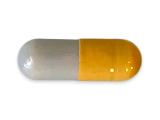
Tamiflu (oseltamivir phosphate) is an antiviral medication indicated for the treatment of uncomplicated acute influenza A and B in patients aged 2 weeks and older who have been symptomatic for no more than 48 hours. It is also used for the post‑exposure prophylaxis of influenza in individuals 1 year of age and older following close contact with an infected person. Oseltamivir is a prodrug that is rapidly hydrolyzed to its active metabolite, oseltamivir carboxylate, which selectively inhibits influenza virus neuraminidase enzymes. This blocks the release of newly formed viral particles from infected cells, limiting viral spread and reducing the duration and severity of influenza symptoms. Tamiflu is most effective when therapy is started within 48 hours of symptom onset; it is not a substitute for annual influenza vaccination.
Usual adult dose: For the treatment of acute influenza, the recommended oral dose is 75 mg twice daily for 5 days. For prophylaxis following close contact with an infected person, the dose is 75 mg once daily for 10 days; therapy should begin within 48 hours of exposure. The capsule may be taken with or without food; taking it with food may reduce gastrointestinal upset. In patients with renal impairment (creatinine clearance 30–60 mL/min), the treatment dose is reduced to 30 mg twice daily for 5 days, and the prophylaxis dose to 30 mg once daily. The 75 mg capsule must not be used in children weighing less than 40 kg; an oral suspension or compounded liquid is appropriate for them.
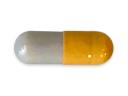
Dosage form: Hard gelatin capsules: 75 mg (grey/light yellow, marked “ROCHE” and “75 mg”). Oseltamivir is also available as a powder for oral suspension when a 75 mg capsule is not suitable.
Onset of action: Reduction in the duration of influenza symptoms (fever, cough, myalgia) may be seen approximately 24 hours after initiating treatment when started within the first 48 hours of illness. Clinical benefit is most pronounced with early therapy.
Duration of action: Twice‑daily dosing maintains therapeutic concentrations throughout the treatment course. The elimination half‑life of the active metabolite is 6 to 10 hours in patients with normal renal function.
Alcohol recommendation: No direct interaction between oseltamivir and alcohol has been established. However, excessive alcohol consumption should be avoided during influenza illness because it can worsen dehydration, impair immune function, and exacerbate gastrointestinal side effects such as nausea and vomiting.
Most common side effects: Nausea, vomiting, headache, and diarrhea. Nausea and vomiting are the most frequently reported adverse events, occurring in approximately 10% to 15% of treated patients without prophylaxis; taking the medication with food may reduce these symptoms. Rare but serious neuropsychiatric events including delirium, hallucinations, and self‑harm have been reported, particularly in children and adolescents; patients should be monitored for unusual behavioural changes. Tamiflu is not effective against bacterial infections, parainfluenza viruses, or other respiratory illnesses. In patients with severe renal impairment, dose adjustment is essential to prevent toxicity. No data support the use of Tamiflu beyond 48 hours of symptom onset in uncomplicated influenza, and it should not be used as a routine prophylactic measure unless recommended by public health authorities during outbreaks.
Would you like to try Tamiflu (Oseltamivir Phosphate) without a prescription?
Buy Generic Tamiflu (Oseltamivir Phosphate) without prescription in Canada
At our pharmacy, you can buy Tamiflu without a prescription, with discreet and anonymous packaging delivered within 5-14 days across Canada.
What is Tamiflu?
Tamiflu is an antiviral medication used to treat and prevent influenza, the flu. The active ingredient is oseltamivir phosphate. It belongs to a class of drugs called neuraminidase inhibitors. When the flu virus enters your body, it invades cells in your respiratory tract and starts making copies of itself. The new virus particles use an enzyme called neuraminidase to cut themselves free from the infected cell and spread to new cells. Oseltamivir blocks that enzyme. It locks the virus in place, stops it from spreading, and gives your immune system a chance to catch up and clear the infection.
The key with Tamiflu is timing. It works best when started within 48 hours of the first flu symptoms: fever, cough, sore throat, muscle aches, that sudden feeling of being hit by a truck. If you start it early, it can shorten the illness by about a day, sometimes a day and a half, and reduce the severity of symptoms. It also lowers the risk of complications like pneumonia, ear infections, and hospitalization, especially in high-risk groups. It's not a substitute for the flu vaccine. The vaccine is prevention. Tamiflu is treatment, and it can also be used for prevention if you've been in close contact with someone who has the flu.
Tamiflu comes as 75 mg capsules, which is the standard adult dose. It's also available as an oral suspension for children. The dose for treating the flu is one 75 mg capsule twice daily for 5 days. For prevention, it's one 75 mg capsule once daily for 10 days, or longer in certain situations.
Mechanism and Pharmacology
Oseltamivir phosphate is a prodrug. After you swallow it, it's rapidly absorbed from the gut and converted by esterases in the liver and blood to its active form, oseltamivir carboxylate. This active metabolite is a selective inhibitor of influenza virus neuraminidase. Neuraminidase is a glycoprotein enzyme that sits on the surface of the virus. It cleaves sialic acid residues on the host cell membrane, cutting the tether that holds newly formed virus particles to the cell. Without this cleavage, the virus can't escape, and the infection can't spread.
Oseltamivir carboxylate fits into the neuraminidase active site and blocks it. The enzyme is conserved across influenza A and B viruses, including H1N1 and H3N2 strains, though resistance can emerge. The drug has activity against both types. Peak plasma concentration of the active metabolite is reached in 3 to 4 hours. It has a half-life of about 6 to 10 hours, which is why twice-daily dosing is used for treatment. It's excreted primarily by the kidneys, so the dose must be reduced in patients with significant renal impairment. At a creatinine clearance below 30 mL per minute, the treatment dose drops to 75 mg once daily, and below 10 mL per minute, the drug is not recommended unless the patient is on dialysis.
How to Use Tamiflu
For flu treatment in adults and adolescents aged 13 and older, take one 75 mg capsule twice daily, morning and evening, for 5 days. Start as soon as possible, ideally within 48 hours of the first symptoms. The capsule should be swallowed whole with water. It can be taken with or without food. Taking it with a small snack or meal can help reduce nausea, which is the most common side effect. Finish all 10 doses, even if you start to feel better after a couple of days. Stopping early can give the virus a chance to rebound.
For prevention of flu after close contact with an infected person, take one 75 mg capsule once daily for 10 days. Start within 48 hours of exposure. For prevention during a community outbreak, your doctor may prescribe it for up to 6 weeks, sometimes longer if you're immunocompromised. During a flu pandemic, public health authorities may issue different recommendations.
If you miss a dose, take it as soon as you remember. If it's within 2 hours of the next dose, skip the missed one and continue on schedule. Don't double up. For patients with kidney problems, the dose must be adjusted. If your creatinine clearance is between 30 and 60 mL per minute, the treatment dose is 30 mg twice daily. If it's below 30 mL per minute, it's 75 mg once daily. Always tell your doctor if you have kidney disease.
Side Effects of Tamiflu
The most common side effects are gastrointestinal: nausea and vomiting. They occur in about 5 to 10 percent of adults, usually in the first day or two, and are often mild. Taking the capsule with food significantly reduces the likelihood. Diarrhea, abdominal pain, and headache can also happen. These are usually self-limiting and don't require stopping the drug.
Neuropsychiatric events have been reported, particularly in children and adolescents in Japan, where Tamiflu is used very widely. These include delirium, hallucinations, abnormal behaviour, and self-injury. The reports are rare, and it's unclear whether the drug caused them or the flu itself, since influenza is well known to cause encephalopathy and neurological symptoms in children. Health Canada and the FDA have reviewed the data and concluded that serious neuropsychiatric events are very rare, but they recommend monitoring patients, especially children, for unusual behaviour during treatment. If you notice severe confusion, agitation, or self-harm, stop the drug and get medical help immediately.
Allergic reactions, including rash, hives, and very rarely Stevens-Johnson syndrome, have been reported. If you develop a spreading rash, blistering, or swelling of the face or tongue, stop the drug and seek emergency care.
High-Risk Groups (Elderly, Pregnancy)
Pregnancy. Oseltamivir is pregnancy category C in the old system, but the benefit of treating influenza in pregnancy is clear. Pregnant women are at much higher risk of severe flu complications, including hospitalization, ICU admission, and death. The Centers for Disease Control and Prevention (CDC) and the World Health Organization recommend oseltamivir as the antiviral of choice during pregnancy. Observational studies have not shown an increased risk of birth defects. If you're pregnant and you have the flu, start Tamiflu as soon as possible. The risk of untreated influenza far outweighs any theoretical risk from the drug.
Breastfeeding. Oseltamivir and its active metabolite are excreted into breast milk in very small amounts. The relative infant dose is low, less than 1 percent of the maternal weight-adjusted dose. It's considered compatible with breastfeeding. The mother should take it to control her flu, and she should continue breastfeeding because her milk contains antibodies that protect the infant. If she has the flu, good hand hygiene and wearing a mask can reduce transmission.
Children. Tamiflu is approved for treatment in children as young as 2 weeks of age. The dose is weight-based. The oral suspension is usually used for children under 40 kg. The 75 mg capsule can be used for children who weigh more than 40 kg and can swallow capsules. The same 5-day treatment course applies. Children under 1 year have a higher risk of severe flu and should be treated promptly.
Elderly patients are at high risk of flu complications and should start Tamiflu as soon as possible. No dose adjustment is needed based on age alone, but kidney function declines with age, so renal function should be checked. If creatinine clearance is below 60 mL per minute, dose adjustment is required. Treatment of flu in the elderly reduces the risk of pneumonia, hospitalization, and death. Nursing home outbreaks are a specific setting where Tamiflu is used for both treatment and prophylaxis.
Immunocompromised patients, including those on chemotherapy, transplant recipients, and people with HIV, can take Tamiflu. They may shed the virus for longer and are at risk of developing resistance, so treatment may need to be extended, and close monitoring is required. The dose is the same unless kidney function is impaired.
Interaction With Activities (Driving, Alcohol)
Tamiflu does not typically cause drowsiness or cognitive impairment. However, the flu itself causes fatigue and dizziness, and in rare cases, the drug may contribute to confusion. If you feel unwell, don't drive. Alcohol has no direct interaction with oseltamivir. You can drink moderately if you feel well enough, but alcohol dehydrates you, and hydration is important when fighting the flu. If you're vomiting or have diarrhea, avoid alcohol entirely and focus on fluids.
Drug Interactions
Oseltamivir has very few clinically significant drug interactions. It's not metabolized by cytochrome P450 enzymes, so it doesn't interact with most common medications. The active metabolite, oseltamivir carboxylate, is eliminated by glomerular filtration and active tubular secretion in the kidneys. Probenecid, a drug used for gout, blocks this tubular secretion and can double the level of the active metabolite. This interaction isn't dangerous, but it means the drug lasts longer in the body. No dose adjustment is required, but it's good for your doctor to know.
Live attenuated influenza vaccine, the nasal spray flu vaccine, should not be given at the same time as Tamiflu. The antiviral will kill the weakened vaccine virus and make the vaccine ineffective. If you've taken Tamiflu, wait at least 48 hours after your last dose before getting the nasal vaccine. The injectable flu shot is inactivated and is not affected by Tamiflu. You can get the shot anytime.
Alternative Options
Tamiflu is the most prescribed neuraminidase inhibitor for flu. Other antivirals in the same class include zanamivir (Relenza), which is an inhaled powder, and peramivir (Rapivab), which is given intravenously in hospitals. Zanamivir is an alternative if oseltamivir resistance is a concern, but it can cause bronchospasm and is not recommended for people with asthma or COPD. Baloxavir marboxil (Xofluza) is a newer oral antiviral that works by a completely different mechanism, inhibiting the cap-dependent endonuclease enzyme. It's given as a single dose and is effective against influenza A and B. It's not approved for young children. In most cases, oseltamivir remains the first-line choice because of its extensive safety data, its availability as a generic, and its efficacy against both types of flu. Symptomatic treatment, rest, fluids, and acetaminophen for fever, remain important regardless of antiviral use.
INN, Brand Names, and Classification in Canada
INN (International Nonproprietary Name): Oseltamivir phosphate
Available brand names in Canada: Tamiflu, and generic oseltamivir
ATC code: J05AH02
Forms and strengths: Capsules 30 mg, 45 mg, 75 mg; Oral suspension 6 mg per mL (following reconstitution)
Manufacturers: Roche Canada (Tamiflu), and diverse generic manufacturers including Teva Canada Limited, Apotex Inc., and Sandoz Canada Inc.
Registration status in Canada: Registered
Classification: Prescription (Rx)
Frequently Asked Questions
How fast does Tamiflu work?
It doesn't make you feel instantly better. It stops the virus from multiplying, so your body's immune system can catch up. Some people feel an improvement in symptoms within 24 hours, but the main benefit is shortening the illness by about a day. It works best when started within 48 hours of symptoms.
Can I stop taking Tamiflu if I feel better?
No. Finish the full 5-day course. If you stop early, the virus may not be fully suppressed, and it could rebound. Also, stopping early increases the chance that the virus will develop resistance.
Does Tamiflu replace the flu shot?
Absolutely not. The flu vaccine is still the most effective way to prevent the flu. Tamiflu is a treatment and a backup prevention method, not a substitute for vaccination. Get your flu shot every year.
Can I take Tamiflu with paracetamol or ibuprofen?
Yes. You can take over-the-counter pain relievers and fever reducers while taking Tamiflu. There are no interactions. Use them as needed for muscle aches, headache, and fever.
What if I vomit after taking a dose?
If you vomit within 30 minutes of taking the capsule, you may not have absorbed the full dose. Contact your doctor or pharmacist for advice. They may recommend taking another dose. If you vomit after more than an hour, the drug has likely been absorbed, and you shouldn't take another dose.
Delivery Information Across Canada
We ship Tamiflu and generic oseltamivir to all provinces and territories. Delivery times vary depending on how remote your location is:
- Ontario (Toronto, Ottawa, Mississauga): 5 to 7 days
- Quebec (Montreal, Quebec City, Laval): 5 to 7 days
- British Columbia (Vancouver, Victoria, Burnaby): 5 to 9 days
- Alberta (Calgary, Edmonton, Red Deer): 5 to 9 days
- Manitoba (Winnipeg, Brandon): 5 to 9 days
- Saskatchewan (Saskatoon, Regina): 5 to 9 days
- Nova Scotia (Halifax, Sydney): 5 to 9 days
- New Brunswick (Moncton, Fredericton): 5 to 9 days
- Newfoundland and Labrador (St. John's, Corner Brook): 7 to 14 days
- Prince Edward Island (Charlottetown): 7 to 14 days
- Yukon, Northwest Territories, Nunavut: 7 to 14 days
All shipments are packed discreetly with no branding or indication of contents on the outside.


| Shipping method | Delivery time | Price | |
 Delivery Delivery |
14-21 days | 14.95$ | Tracking# available in 4 days |
 Delivery Delivery |
9-14 days | 30$ | Tracking# available in 2 days |
- Shipping worldwide
- Confidentiality and anonymity guarantee
- Safe and secure
- Discrete looking packages
- Dispatch orders within 24 hours
- 100% success delivery


