


 Secure and Reliable
  High quality
  Worldwide shipping
  Bonuses and Discounts
  Money back Guarantee
 - Bestsellers
- Alcoholism
- COVID-19
- Allergy
- Anti Fungal
- Alzheimers
- Anti Viral
- Anti-Depressants
- Anti-Inflammatory
- Antibacterial
- Antiparasitic
- Antibiotics
- Arthritis
- Asthma
- Birth Control
- Blood Pressure
- Cancer
- Cardiovascular
- Cholesterol
- Diabetes
- Diuretics
- Erectile Dysfunction
- Eye Drop
- Gastro Health
- General Health
- Hair Loss
- Hepatitis C Virus (HCV)
- HIV
- Hormones
- Men's ED Packs
- Men's Health
- Mental Illness
- Motion Sickness
- Muscle Relaxant
- Pain Relief
- Parkinson’s Disease
- Veterinary Medicines
- Quit Smoking
- Vitamins
- Skin Care
- Sleeping Aids
- Weight Loss
- Women's Health
Generic Tamsulosin
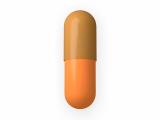
Tamsulosin is an alpha-blocker used to relieve urinary symptoms associated with benign prostatic hyperplasia (BPH). It works by relaxing the muscles in the prostate and bladder neck, improving urine flow. The drug is generally well tolerated but may cause dizziness or low blood pressure. Daily, consistent use is key for effectiveness.
Buy Generic Tamsulosin () without prescription in Canada
In our Canadian pharmacy, you can buy Tamsulosin without a prescription, with delivery across Canada within 5-14 days. Discreet and anonymous packaging.
Tamsulosin hydrochloride is a selective alpha-1 adrenergic receptor blocker used to treat the signs and symptoms of benign prostatic hyperplasia (BPH), a non-cancerous enlargement of the prostate gland. It works by relaxing the smooth muscles in the prostate and the neck of the bladder, which reduces the pressure on the urethra and improves urine flow. This relieves symptoms such as difficulty starting urination, weak stream, and the need to urinate frequently or urgently, including at night.
Usual adult dose: The recommended starting dose is 0.4 mg taken orally once daily, approximately 30 minutes after the same meal each day. For patients who do not respond adequately to the 0.4 mg dose after two to four weeks, the dose may be increased to 0.8 mg once daily. If therapy is interrupted for several days, either the 0.4 mg dose should be re-initiated. A lower dose of 0.2 mg daily may be used in patients with mild to moderate hepatic impairment or in those at risk of excessive blood pressure lowering; this dose is also available internationally for patients who require a more gradual initiation or who experience bothersome side effects at the standard dose. The capsule should be swallowed whole with a glass of water and should not be crushed, chewed, or opened.
Dosage form: Oral modified-release capsules: 0.2 mg and 0.4 mg (as tamsulosin hydrochloride).
Onset of action: Some improvement in urinary flow and symptoms may be noticed within the first week of treatment, but the full therapeutic effect typically requires two to four weeks of continuous daily therapy.
Duration of action: The pharmacodynamic effect lasts for approximately 24 hours, allowing once-daily dosing. The elimination half-life of tamsulosin is approximately 9 to 13 hours in healthy subjects, and is prolonged in patients with renal impairment.
Alcohol recommendation: Alcohol consumption should be limited during treatment with Tamsulosin. Alcohol can worsen dizziness or light-headedness caused by the medication, particularly when standing up from a sitting or lying position, and may increase the risk of falls.
Most common side effects: Dizziness, headache, abnormal ejaculation (reduced or absent semen volume), asthenia (weakness), and nasal congestion. Orthostatic hypotension (a sudden drop in blood pressure upon standing) can occur, especially when first starting the medication. A rare but serious side effect is priapism (a prolonged, painful erection), which requires immediate medical attention. During cataract or glaucoma surgery, a condition called intraoperative floppy iris syndrome (IFIS) may occur; patients must inform their eye surgeon about their use of tamsulosin.
Would you like to try Tamsulosin without a prescription?
General Information about Tamsulosin
- INN (International Nonproprietary Name): Tamsulosin (as tamsulosin hydrochloride).
- Brand names available in Canada: Flomax® CR (Boehringer Ingelheim (Canada) Ltd.) is the original brand-name controlled-release product. Generic versions are widely available and include APO-Tamsulosin CR (Apotex Inc.), TEVA-Tamsulosin (Teva Canada Limited), Sandoz Tamsulosin (Sandoz Canada Inc.), PMS-Tamsulosin (Pharmascience Inc.), and others. The 0.2 mg capsule is not marketed in Canada by these manufacturers but is available internationally; our pharmacy supplies it through the international supply chain for personal importation.
- ATC code: G04CA02 (tamsulosin; alpha-adrenoreceptor antagonists).
- Dosage forms and strengths: Oral modified-release capsules: 0.2 mg and 0.4 mg of tamsulosin hydrochloride. The 0.4 mg capsule is the standard Canadian-approved dose; the 0.2 mg capsule is sourced internationally.
- Manufacturers in Canada: Boehringer Ingelheim (Canada) Ltd. (Flomax CR), Apotex Inc., Teva Canada Limited, Sandoz Canada Inc., Pharmascience Inc., and other generic manufacturers produce the 0.4 mg capsule. The 0.2 mg strength is manufactured internationally by various pharmaceutical companies and imported for personal use.
- Registration status in Canada: Approved by Health Canada for the 0.4 mg capsule (DINs: 02243759 for Flomax CR 0.4 mg, and multiple generic DINs). The 0.2 mg capsule is not currently approved for marketing in Canada but is available internationally through a valid prescription.
- OTC / Rx classification: Prescription only (Rx). Schedule I drug under the Controlled Drugs and Substances Act. A valid prescription from a licensed Canadian healthcare professional is required.
Mechanism of Action and Pharmacology
Tamsulosin is a selective antagonist at alpha-1A and alpha-1D adrenergic receptor subtypes. In the prostate and bladder neck, alpha-1A receptors predominate, and their blockade leads to relaxation of the smooth muscle, which reduces urethral resistance and improves urinary flow without significantly affecting the detrusor muscle of the bladder. Alpha-1D receptors located in the detrusor muscle and sacral spinal cord may also contribute to the improvement in storage symptoms (urgency, frequency). Tamsulosin has a relatively low affinity for alpha-1B receptors, which are present in vascular smooth muscle; this selectivity is thought to reduce the incidence of orthostatic hypotension compared with non-selective alpha-1 blockers. However, a drop in blood pressure can still occur, particularly when the patient first stands up.
After oral administration, tamsulosin is nearly completely absorbed (bioavailability > 90%) under fasted conditions. Food, particularly a high-fat meal, increases the area under the curve (AUC) by about 30% and delays the time to peak concentration. For this reason, and to minimise fluctuations in plasma levels, the capsule should be taken after the same meal each day. Peak plasma concentrations are reached approximately 4 to 5 hours after a dose under fasting conditions, and approximately 6 to 7 hours when taken with a meal. Tamsulosin is extensively metabolised in the liver, primarily by cytochrome P450 3A4 (CYP3A4) and, to a lesser extent, by CYP2D6. The metabolites are excreted mainly in the urine; unchanged drug accounts for less than 10% of the dose. The elimination half-life of tamsulosin is approximately 9 to 13 hours in healthy adults, which supports once-daily dosing. In patients with moderate hepatic impairment, clearance is reduced, and a lower starting dose of 0.2 mg may be considered.
Indications
- Treatment of the signs and symptoms of benign prostatic hyperplasia (BPH) in men with an enlarged prostate. Tamsulosin improves urinary flow, reduces hesitancy, and decreases the sensation of incomplete bladder emptying. It is not indicated for the treatment of hypertension.
- Tamsulosin may also be used off-label to help in the passage of ureteral stones (medical expulsive therapy) at a dose of 0.4 mg once daily for up to four weeks, under specialist guidance.
- Not indicated for use in women or in children and adolescents under 18 years of age.
Important Warnings and Precautions
At-risk groups
- Pregnancy and breastfeeding: Tamsulosin is not indicated for use in women. There are no adequate and well-controlled studies of tamsulosin in pregnant or breastfeeding women. It should not be used in women of childbearing potential unless the intended use is for a non-obstetric condition specifically diagnosed by a physician (e.g., off-label for stone passage), in which case effective contraception is advised.
- Paediatrics (< 18 years): Safety and efficacy have not been established in children. Tamsulosin is not recommended for paediatric use.
- Elderly: No dose adjustment is required based on age alone. However, elderly patients are more sensitive to the hypotensive effects of tamsulosin and are at higher risk of falls. A starting dose of 0.2 mg may be considered in frail elderly patients or those with multiple comorbidities. Orthostatic blood pressure should be monitored when initiating therapy and after dose increases.
- Hepatic impairment: In patients with moderate hepatic impairment (Child-Pugh Class B), the recommended starting dose is 0.2 mg once daily, which may be increased to 0.4 mg once daily if tolerated and needed. Tamsulosin has not been studied in patients with severe hepatic impairment (Child-Pugh Class C) and is not recommended in this population.
- Renal impairment: No dose adjustment is required for patients with renal impairment of any severity. However, patients with end-stage renal disease (creatinine clearance < 10 mL/min) have not been studied, and caution is advised. Orthostatic hypotension may be more pronounced in patients with volume depletion.
- Orthostatic hypotension and syncope: Tamsulosin can cause a sudden drop in blood pressure upon standing, leading to dizziness, light-headedness, and rarely fainting. The risk is highest after the first dose, when the dose is increased, or when therapy is resumed after an interruption. Patients should be advised to rise slowly from a sitting or lying position. The 0.2 mg dose may be used initially in patients at risk (e.g., those taking antihypertensives, elderly, volume-depleted) to minimise this effect.
- Intraoperative Floppy Iris Syndrome (IFIS): A condition characterised by a flaccid iris, progressive pupil constriction during surgery, and iris prolapse has been observed during cataract and glaucoma surgery in patients taking tamsulosin. The syndrome can increase the complexity of the surgery and the risk of complications. Patients must inform their ophthalmologist that they are taking or have taken tamsulosin. In most cases, discontinuing the drug 1 to 2 weeks before surgery is recommended, but the optimal timing should be discussed with the surgeon.
- Priapism: Rarely, tamsulosin may cause a prolonged, painful erection (priapism) that is not related to sexual activity. This condition can lead to permanent erectile dysfunction if not treated immediately. Patients should seek emergency medical attention if an erection lasts longer than 4 hours.
- Prostate cancer: Tamsulosin relieves the symptoms of BPH but does not treat prostate cancer. Before starting therapy, patients should undergo appropriate evaluation to rule out prostate cancer, including a digital rectal examination and prostate-specific antigen (PSA) testing if indicated. Tamsulosin does not affect PSA levels.
- Allergy: Do not take Tamsulosin if you have a known hypersensitivity to tamsulosin hydrochloride or any excipient in the capsule formulation. Cross-sensitivity with sulfonamides is rare but has been reported.
Driving and alcohol
Tamsulosin may cause dizziness, light-headedness, and, in some patients, drowsiness or blurred vision. These effects can impair the ability to drive or operate hazardous machinery. Patients should not drive or engage in potentially dangerous activities until they have determined how the medication affects them. Alcohol should be limited or avoided because it can intensify the dizziness and hypotensive effects of tamsulosin, increasing the risk of falls and accidents.
Dosage Instructions
- Standard starting dose (BPH): 0.4 mg taken orally once daily, 30 minutes after the same meal each day. The capsule should be swallowed whole with a glass of water and must not be crushed, chewed, or opened, as the modified-release coating ensures a controlled release of the drug over 24 hours.
- Dose titration: If the response to 0.4 mg is inadequate after 2 to 4 weeks, the dose may be increased to 0.8 mg once daily. In patients at risk of hypotension (e.g., elderly, hepatic impairment, concomitant antihypertensives), a lower starting dose of 0.2 mg may be used, with upward titration to 0.4 mg as tolerated and needed.
- Interruption of therapy: If tamsulosin is discontinued for several days or longer, therapy should be restarted at the 0.4 mg dose, or the 0.2 mg dose if the lower dose was previously used, and re-titrated as necessary.
- Administration: Take the capsule at the same time each day, always after a meal to ensure consistent absorption and to reduce the risk of gastrointestinal side effects. Swallow whole; do not break or chew.
- Missed dose: If a dose is missed, it should be taken as soon as remembered, but only on the same day. If the entire day is missed, skip the missed dose and resume the regular schedule the next day. Do not double the dose.
Side Effects and Contraindications
- Very common side effects (≥ 10%): Dizziness (including postural dizziness), abnormal ejaculation (retrograde ejaculation or reduced ejaculate volume), and headache.
- Common side effects (1-10%): Nasal congestion, asthenia (weakness), diarrhoea, and nausea.
- Uncommon but serious side effects: Orthostatic hypotension with syncope (fainting), palpitations, and blurred vision. Priapism (painful, prolonged erection) is rare but requires immediate medical attention. Hypersensitivity reactions including rash, urticaria, angioedema, and Stevens-Johnson syndrome have been reported very rarely.
- Contraindications: Known hypersensitivity to tamsulosin or any excipient. History of orthostatic hypotension. Severe hepatic impairment (Child-Pugh Class C). Concomitant use with strong CYP3A4 inhibitors (e.g., ketoconazole, itraconazole, ritonavir) in patients who are CYP2D6 poor metabolisers, or with other alpha-1 blockers (due to additive hypotensive effects). Tamsulosin is not intended for use in women or children.
Drug Interactions
- Alpha-1 blockers (e.g., prazosin, doxazosin): Additive hypotensive effects; co-administration should be avoided or undertaken with close blood pressure monitoring, starting with the lowest possible dose of each agent.
- Strong CYP3A4 inhibitors (e.g., ketoconazole, itraconazole, clarithromycin, ritonavir): These drugs can significantly increase tamsulosin plasma concentrations, particularly in patients who are poor CYP2D6 metabolisers (about 7% of the population). Concomitant use should be avoided in poor metabolisers. In extensive metabolisers, the combination may be used with caution and at a reduced dose of 0.2 mg.
- Moderate CYP3A4 inhibitors (e.g., erythromycin, fluconazole): May increase tamsulosin exposure. While no specific dose adjustment is required, patients should be monitored for increased side effects, and the 0.2 mg dose may be considered.
- CYP2D6 inhibitors (e.g., paroxetine, fluoxetine, terbinafine): These can increase tamsulosin levels in extensive metabolisers, but the interaction is less pronounced than with strong CYP3A4 inhibitors. No routine dose adjustment is recommended, but caution is advised in patients receiving both drugs, especially at the higher 0.8 mg dose.
- Phosphodiesterase-5 inhibitors (sildenafil, tadalafil, vardenafil): Additive vasodilatory effects may cause symptomatic hypotension. Patients should be stabilised on tamsulosin before adding a PDE5 inhibitor, and the lowest effective dose of the PDE5 inhibitor should be used. The 0.2 mg dose of tamsulosin may be preferred in such combinations.
- Antihypertensives (including diuretics, beta-blockers, calcium channel blockers, ACE inhibitors, ARBs): Additive hypotensive effects; blood pressure should be monitored, particularly at the start of tamsulosin therapy or when doses are adjusted.
- Warfarin: No clinically significant interaction has been reported, but as with any new medication, INR should be monitored periodically to ensure stability.
- Alcohol: May potentiate the orthostatic hypotensive effects of tamsulosin. Patients should limit alcohol consumption.
Practical Advice
- Administration: Take the capsule at the same time each day, always after a meal. Swallow the capsule whole with a full glass of water; do not crush, chew, or open it. If you forget to take a dose, take it as soon as you remember on the same day, but if the whole day is missed, skip it and continue your regular schedule. Do not double the dose.
- Monitoring: No routine laboratory monitoring is required for most patients. Blood pressure should be measured at baseline and periodically during therapy, especially in the elderly, those with a history of hypotension, or those taking antihypertensives. Prostate-specific antigen (PSA) testing and digital rectal examination should be performed as appropriate for the patient's age and risk factors, but tamsulosin does not affect PSA levels.
- Storage: Store at room temperature (15-30 °C) in a dry place, protected from moisture and light. Keep out of the reach and sight of children.
- Lifestyle: Tamsulosin is most effective when combined with lifestyle modifications for BPH, including limiting fluid intake in the evening, reducing caffeine and alcohol, and timed voiding. Rise slowly from a sitting or lying position to minimise dizziness. If you experience a prolonged, painful erection, seek emergency medical care immediately. If you are scheduled for cataract or glaucoma surgery, inform your ophthalmologist well in advance that you are taking tamsulosin, as it may need to be stopped 1 to 2 weeks before the procedure.
- When to seek medical review: Contact your doctor if you experience severe dizziness, fainting, a sudden decrease in vision, or signs of an allergic reaction (rash, swelling of the face or throat). Seek emergency care for a painful erection lasting more than 4 hours. Also report any new or worsening urinary symptoms or blood in the urine.
- Disposal: Return unused or expired medication to a pharmacy for safe disposal. Do not flush down the toilet or discard in household waste.
Alternative Medications
- Other alpha-1 blockers: Alfuzosin (Xatral®), doxazosin (Cardura®), silodosin (Rapaflo®), and terazosin (Hytrin®) are alternative agents. Silodosin has a similar selectivity for the prostate and may cause less orthostatic hypotension than doxazosin or terazosin, which also lower blood pressure and are sometimes used for hypertension. Alfuzosin also has a good prostate selectivity and a once-daily formulation.
- 5-alpha reductase inhibitors: Finasteride (Proscar®) and dutasteride (Avodart®) reduce prostate size by inhibiting the conversion of testosterone to dihydrotestosterone. They are used for men with larger prostates (generally > 40 mL) and provide long-term symptom relief, but they take 3-6 months to reach full effect and may cause sexual side effects (decreased libido, erectile dysfunction).
- Phosphodiesterase-5 inhibitors: Tadalafil (Cialis®) 5 mg once daily is approved for the treatment of BPH and is particularly useful in men who also have erectile dysfunction. It improves urinary symptoms and has a low risk of orthostatic hypotension.
- Combination therapy: An alpha-1 blocker plus a 5-alpha reductase inhibitor (e.g., tamsulosin + dutasteride) is often used for men with enlarged prostates who remain symptomatic on monotherapy.
- Non-pharmacological and surgical options: For men who do not respond to or cannot tolerate medical therapy, minimally invasive procedures (e.g., transurethral microwave thermotherapy, prostatic urethral lift) or surgical resection (transurethral resection of the prostate, TURP) are available. Lifestyle modifications and regular follow-up are essential components of BPH management.
Clinical Efficacy
The efficacy of tamsulosin in the treatment of BPH has been demonstrated in multiple randomised, double-blind, placebo-controlled clinical trials. In two pivotal studies, tamsulosin 0.4 mg once daily produced a statistically significant improvement in the American Urological Association Symptom Index (AUA-SI) score of approximately 3-5 points over 12-13 weeks, compared with a 1-2 point improvement with placebo. The maximal urinary flow rate (Qmax) increased by 1.4-2.4 mL/s from baseline. The 0.8 mg dose provided a modest additional improvement in symptoms but was associated with a higher incidence of ejaculatory abnormalities. A lower dose of 0.2 mg, used primarily in Asian populations and in patients with hepatic impairment, has also shown efficacy, with symptom score improvements of 2-3 points. The onset of action is relatively rapid; patients often notice an improvement in urinary symptoms within the first week. Tamsulosin is recommended as a first-line alpha-1 blocker for BPH by the Canadian Urological Association and the American Urological Association, particularly for men with moderate to severe lower urinary tract symptoms. The 0.2 mg capsule provides a useful option for patients who are sensitive to the hypotensive effects of the standard dose or who require a lower dose due to hepatic impairment.
Important:
Tamsulosin is a prescription medication that should be used only under the supervision of a qualified healthcare professional. It is not intended for use in women or children. This medication can cause a sudden drop in blood pressure when you stand up, leading to dizziness, light-headedness, and fainting; rise slowly from a sitting or lying position. A rare but serious side effect is a prolonged, painful erection (priapism) that requires emergency medical attention. Tamsulosin can cause a condition known as Intraoperative Floppy Iris Syndrome during cataract or glaucoma surgery; you must inform your eye surgeon that you are taking this medication well before any scheduled procedure. Do not crush, chew, or open the capsule; swallow it whole after a meal. If you have liver disease or are taking certain medications (such as ketoconazole, ritonavir, or other alpha-1 blockers), your doctor may need to adjust the dose or choose an alternative therapy. This information is not a substitute for professional medical advice, diagnosis, or treatment.


| Shipping method | Delivery time | Price | |
 Delivery Delivery |
14-21 days | 14.95$ | Tracking# available in 4 days |
 Delivery Delivery |
9-14 days | 30$ | Tracking# available in 2 days |
- Shipping worldwide
- Confidentiality and anonymity guarantee
- Safe and secure
- Discrete looking packages
- Dispatch orders within 24 hours
- 100% success delivery


