


 Secure and Reliable
  High quality
  Worldwide shipping
  Bonuses and Discounts
  Money back Guarantee
 - Bestsellers
- Alcoholism
- COVID-19
- Allergy
- Anti Fungal
- Alzheimers
- Anti Viral
- Anti-Depressants
- Anti-Inflammatory
- Antibacterial
- Antiparasitic
- Antibiotics
- Arthritis
- Asthma
- Birth Control
- Blood Pressure
- Cancer
- Cardiovascular
- Cholesterol
- Diabetes
- Diuretics
- Erectile Dysfunction
- Eye Drop
- Gastro Health
- General Health
- Hair Loss
- Hepatitis C Virus (HCV)
- HIV
- Hormones
- Men's ED Packs
- Men's Health
- Mental Illness
- Motion Sickness
- Muscle Relaxant
- Pain Relief
- Parkinson’s Disease
- Veterinary Medicines
- Quit Smoking
- Vitamins
- Skin Care
- Sleeping Aids
- Weight Loss
- Women's Health
Generic Tazarotene
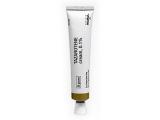
Tazarotene 5% is a topical retinoid prodrug indicated for the treatment of stable plaque psoriasis affecting up to 20% of body surface area and for the treatment of mild to moderate facial acne vulgaris. Tazarotene is a prodrug that is rapidly converted to its active form, tazarotenic acid, which binds to retinoic acid receptors (RAR beta and RAR gamma). This normalizes keratinocyte differentiation, reduces epidermal inflammation, and inhibits the proliferation of keratinocytes. The 5% strength is specifically indicated for the treatment of stable plaque psoriasis, while lower strengths (0.05% and 0.1%) are used for acne. Tazarotene is available only by prescription in Canada.
Usual adult dose: For stable plaque psoriasis, apply a thin film of tazarotene 5% cream or gel once daily, preferably in the evening, to the affected psoriatic lesions only, avoiding surrounding uninvolved skin. The treated area should not be covered with occlusive dressings unless directed by a healthcare professional. The duration of treatment is usually up to 12 weeks; if no improvement is seen after 12 weeks, therapy should be reassessed. For acne vulgaris, lower strengths (0.05% or 0.1%) are used once daily. Patients should be advised that a transient sensation of warmth, stinging, or itching may occur during application, and that the medication may cause significant skin irritation, especially during the first weeks of therapy. Emollients may be applied as needed to reduce dryness and scaling. Concomitant use of other potentially irritating topical products (medicated soaps, astringents, high concentrations of alcohol) should be avoided. If severe irritation occurs, the frequency of application may be reduced to every other day or treatment interrupted until the skin recovers. Women of childbearing potential must use effective contraception during treatment and for at least 1 week after discontinuation because tazarotene is teratogenic.
Dosage form: Topical cream and topical gel: 5% tazarotene (50 mg per gram). Also available as 0.05% and 0.1% strengths in cream and gel formulations for acne and milder psoriasis. The 5% cream or gel is supplied in tubes of 15 g, 30 g, or 60 g.
Onset of action: For plaque psoriasis, visible improvement may begin within 2 to 4 weeks of once-daily application, with maximum benefit typically achieved after 8 to 12 weeks of continuous treatment. For acne, clinical improvement is usually observed after 4 to 8 weeks. Skin irritation, including erythema, scaling, dryness, and burning, often peaks during the first 2 to 4 weeks and then subsides with continued use.
Duration of action: Applied once daily; the therapeutic effect persists as long as the medication is used regularly. For psoriasis, the duration of a treatment course is usually limited to 12 weeks, after which maintenance therapy or discontinuation is based on clinical response. The elimination half-life of tazarotenic acid after topical application is approximately 18 hours, but the pharmacodynamic effect on keratinocyte differentiation is prolonged.
Alcohol recommendation: There is no known systemic interaction between topical tazarotene and the consumption of alcoholic beverages. However, patients should avoid applying alcohol-based skincare products, astringents, or peeling agents to the treated areas, as these can exacerbate skin irritation, dryness, and discomfort. Moderation in alcohol intake is advisable.
Most common side effects: Local skin reactions including erythema (redness), pruritus (itching), burning, stinging, scaling, dryness, and peeling at the application site. These effects are generally dose- and frequency-related, occur most often during the first 1 to 4 weeks of therapy, and may be managed with reduced application frequency or the use of a non-comedogenic moisturizer. Tazarotene significantly increases photosensitivity; patients must avoid or minimize exposure to sunlight and artificial ultraviolet light and should use a broad-spectrum sunscreen with SPF 30 or higher and protective clothing during treatment. Tazarotene is contraindicated during pregnancy (FDA Category X) and in women who may become pregnant who are not using effective contraception. It should not be applied to eczematous, sunburned, or broken skin, and contact with the eyes, mouth, and mucous membranes must be avoided. If severe irritation, blistering, or allergic reaction occurs, the medication should be discontinued and medical attention sought. Tazarotene is available only by prescription in Canada and should be used under the supervision of a healthcare professional experienced in dermatologic therapy.
Would you like to try Tazarotene without a prescription?
Buy Generic Tazarotene () without prescription in Canada
At our pharmacy, you can buy Tazarotene without a prescription, with discreet and anonymous packaging delivered within 5-14 days across Canada.
What is Tazarotene?
Tazarotene is a topical retinoid used to treat psoriasis and acne. It is a synthetic vitamin A derivative, similar to tretinoin but with a different receptor profile. For psoriasis, it slows the overproduction of skin cells and reduces scaling and plaque thickness. For acne, it normalizes the shedding of skin cells inside the follicle, preventing clogged pores and reducing inflammation. Tazarotene is more potent than tretinoin or adapalene, which means it works faster, but it also causes more irritation. The 0.05% strength is a common concentration for both acne and psoriasis, balancing efficacy with tolerability. The cream or gel is applied once daily, usually in the evening, to the affected areas. The effect on psoriasis is visible within 1 to 2 weeks, with continued improvement over 2 to 3 months. For acne, results typically appear after 4 to 8 weeks of consistent use. Tazarotene is not a cure; it controls the condition while you use it. The 0.05% dose is a moderate strength; a stronger 0.1% is available for more resistant cases. The drug is available as a generic and under the brand name Tazorac. The 0.05% strength is a standard starting point for many patients, especially those with sensitive skin or treating large areas.
Mechanism and Pharmacology
Tazarotene is a retinoic acid receptor (RAR) agonist, with selective binding to RAR-beta and RAR-gamma receptors. It does not bind to RAR-alpha, which is thought to reduce some side effects compared to tretinoin. Once applied, tazarotene is converted to its active form, tazarotenic acid, which enters skin cells and regulates gene expression. In psoriasis, it normalizes the abnormal differentiation and proliferation of keratinocytes, reducing the thick, scaly plaques. In acne, it normalizes follicular keratinization, preventing the formation of microcomedones, and also has anti-inflammatory properties. The result is smoother skin, fewer breakouts, and reduced plaque thickness. Tazarotene is more potent than other topical retinoids, so the risk of irritation is higher. Patients are usually advised to start with a lower strength, like 0.05%, and to apply it every other day initially.
After topical application, systemic absorption is minimal, but higher than with tretinoin or adapalene because of its potency and lipophilicity. The drug is metabolized in the skin and, for the small amount that reaches the bloodstream, in the liver. The half-life is about 18 hours. It is excreted primarily in the feces. The 0.05% cream and gel formulations differ in their vehicle; the gel is often more drying but may be preferred for oily skin, while the cream is more moisturizing. Tazarotene is not phototoxic, but it thins the stratum corneum, making the skin more sensitive to sunlight and wind. Sunscreen is essential. The drug is not recommended for use on large areas of skin without medical supervision, especially at higher strengths, because systemic absorption can accumulate, though at 0.05% the risk is low.
How to Use Tazarotene
Apply a thin layer of tazarotene 0.05% cream or gel to the affected areas once daily, preferably in the evening. For psoriasis, apply only to the plaques, avoiding unaffected skin. For acne, apply to the entire acne-prone area, not just individual pimples, because the drug prevents new lesions. Wash and dry the skin thoroughly before applying. Wait 20 to 30 minutes after washing to ensure the skin is completely dry, because applying to damp skin increases irritation. Use only a pea-sized amount for the face; more is not better. Rub it in gently. Avoid the eyes, lips, and corners of the nose. Wash your hands after applying, unless treating the hands.
Start slowly. If you have not used a retinoid before, begin with applications every other night for the first two weeks, then gradually increase to nightly as tolerated. The skin needs time to adjust. Moisturize regularly. Apply a fragrance-free moisturizer after the tazarotene has absorbed, usually about 20 to 30 minutes later. In the morning, wash your face, apply moisturizer, and always use a broad-spectrum sunscreen with SPF 30 or higher, because the skin is more vulnerable to UV damage. If irritation becomes severe, reduce the frequency or stop temporarily, but do not give up without discussing with your doctor. Tazarotene is a long-term treatment. For psoriasis, improvement may be seen within 1 to 2 weeks, but full benefit takes 2 to 3 months. For acne, results often take 4 to 8 weeks. If you miss a dose, apply it the next evening and resume your schedule. Do not apply it in the morning instead, because retinoids are degraded by light and should be used at night.
Side Effects of Tazarotene
The most common side effects are local: redness, itching, burning, stinging, dryness, and peeling. These are more pronounced with tazarotene than with other topical retinoids because of its potency. They usually peak during the first 2 to 4 weeks and then gradually diminish as the skin adapts. The irritation is dose-dependent and can be managed by reducing the frequency of application, using a moisturizer, and avoiding other potentially irritating products. If the burning is severe or you develop blistering, stop the drug and contact your doctor. Tazarotene can cause a temporary worsening of acne during the first few weeks, a "purge" phase, as deep clogs surface. This is a sign the drug is working, but it can be discouraging. Perseverance is key.
Sun sensitivity is increased, and sunburn can occur more easily. Use sunscreen daily and avoid tanning beds. Tazarotene should not be used during pregnancy. It is pregnancy category X, meaning it can cause serious birth defects, and oral retinoids are known teratogens. Although topical absorption is low, the risk is considered unacceptable, and effective contraception is mandatory for women of childbearing age. Breastfeeding is also not recommended. Tazarotene can cause skin discoloration, either lightening or darkening, especially in darker skin types, though this is less common than with tretinoin. Allergic reactions are rare but possible. If you develop a severe rash, swelling, or difficulty breathing, stop the drug and seek emergency care. Do not wax areas treated with tazarotene, as the skin is more fragile and can tear. Avoid using other exfoliating agents, such as salicylic acid, alpha hydroxy acids, or benzoyl peroxide, at the same time unless directed by your doctor, because they increase irritation.
High-Risk Groups (Elderly, Pregnancy)
Pregnancy. Tazarotene is absolutely contraindicated during pregnancy. It is pregnancy category X. Even topical use carries a risk of fetal harm because the drug is absorbed systemically, although the amount is small. Women of childbearing age must have a negative pregnancy test before starting and must use effective contraception during treatment. If pregnancy occurs, stop the drug immediately and consult your obstetrician. Breastfeeding is not recommended, as it is not known whether tazarotene passes into breast milk. The safest course is to avoid it while nursing. Elderly patients can use tazarotene, but their skin is thinner and more prone to irritation. A lower strength, like 0.05%, and a less frequent application schedule may be necessary. Older adults are also more likely to be taking medications that affect the skin, so a careful review is needed. Children. Tazarotene is approved for psoriasis in children aged 12 and older and for acne in those aged 12 and older, but dosing may need adjustment. It is not for younger children unless a specialist directs. People with eczema or severely compromised skin barrier should use tazarotene with caution, because the irritation can be severe. Those with a history of skin cancer or excessive sun exposure should discuss the risks with their dermatologist. A complete medical history is essential before starting.
Interaction With Activities (Driving, Alcohol)
Tazarotene is applied topically and does not cause drowsiness, dizziness, or cognitive impairment. You can drive and operate machinery normally. Alcohol has no direct interaction with topical tazarotene. You can drink in moderation. However, alcohol can dehydrate the skin and worsen dryness, which may amplify the irritation from the retinoid. It is best to limit alcohol, especially during the first few weeks of treatment when the skin is most sensitive. Sun exposure must be managed carefully, as the drug increases photosensitivity. Use a broad-spectrum sunscreen, wear protective clothing, and avoid tanning beds. These precautions are not optional; they protect the skin from damage and reduce the risk of long-term side effects. If you are outdoors for long periods, reapply sunscreen every two hours and wear a hat.
Drug Interactions
Systemic drug interactions are unlikely because topical tazarotene has minimal absorption, but they are not zero. The main interactions are with other topical products. Do not use other potentially irritating agents on the same area, such as benzoyl peroxide, salicylic acid, alpha hydroxy acids, or alcohol-based toners, unless your doctor has designed a specific regimen. These can cause excessive dryness and chemical burns. If you are using a topical corticosteroid for psoriasis, your doctor may recommend applying it at a different time of day, because the steroid can reduce inflammation and make the retinoid more tolerable, but the timing must be coordinated. Photosensitizing medications, such as certain antibiotics like doxycycline, can increase the risk of sunburn when combined with tazarotene, so sun protection is even more important. Oral retinoids, like isotretinoin, should not be combined with topical tazarotene because the risk of toxicity is additive. Always tell your doctor and pharmacist about all medications and supplements you take, including over-the-counter products.
Alternative Options
For psoriasis, other topical treatments include corticosteroids, vitamin D analogues like calcipotriene, and coal tar. Tazarotene is often used in combination with a corticosteroid to enhance efficacy and reduce irritation. For acne, other topical retinoids include tretinoin, adapalene, and trifarotene. Tretinoin is less potent but may be better tolerated. Adapalene is available over the counter and has a good safety profile. Trifarotene is a newer retinoid selective for RAR-gamma. Tazarotene is more effective for comedonal acne and psoriasis but causes more irritation. The choice depends on the condition, the patient's skin type, and tolerance. For severe psoriasis or acne, systemic therapies may be needed, including oral retinoids, methotrexate, or biologics. Tazarotene 0.05% occupies a specific niche for patients who need a potent topical retinoid and can tolerate the initial irritation. It is often used as a second-line agent when milder retinoids have failed.
INN, Brand Names, and Classification in Canada
INN (International Nonproprietary Name): Tazarotene
Available brand names in Canada: Tazorac, and generic tazarotene. Formulations include cream and gel in 0.05% and 0.1% strengths.
ATC code: D05AA05 (for psoriasis), also classified under D10AD05 for acne.
Forms and strengths: Cream 0.05% and 0.1%; gel 0.05% and 0.1%. The 0.05% strength is a standard starting dose for both acne and psoriasis.
Manufacturers: Allergan (now AbbVie) originally marketed Tazorac. Generic versions are available from manufacturers including Apotex Inc., Teva Canada Limited, and Sandoz Canada Inc.
Registration status in Canada: Registered
Classification: Prescription (Rx)
Frequently Asked Questions
How long does tazarotene take to work for psoriasis?
You may see a reduction in scaling and thickness within 1 to 2 weeks, but the full effect takes 2 to 3 months of consistent use. For acne, visible improvement usually appears after 4 to 8 weeks. Patience is essential, and the skin may look worse before it looks better, especially for acne.
Why does tazarotene cause so much irritation?
Tazarotene is more potent than other topical retinoids, so it activates retinoid receptors more strongly, leading to a faster effect but also more inflammation of the skin. The irritation is dose-dependent and usually peaks in the first month. Starting with the 0.05% strength and applying every other night can reduce this. A good moisturizer also helps.
Can I use tazarotene if I am planning to become pregnant?
No. Tazarotene is pregnancy category X and must not be used if you are pregnant or may become pregnant. Effective contraception is required. If you are planning pregnancy, stop the drug and discuss a safe alternative with your dermatologist.
Should I use the cream or the gel?
The gel is often preferred for oily skin and for acne, because it dries quickly and has a matte finish. The cream is more moisturizing and may be better for psoriasis plaques or for people with dry or sensitive skin. The 0.05% strength is available in both formulations. Your doctor will recommend the one that suits your skin type.
Can I use tazarotene with a moisturizer?
Yes, and you should. Apply tazarotene first to clean, dry skin, wait 20 to 30 minutes, then apply a fragrance-free moisturizer. This reduces dryness and peeling without blocking the retinoid's effect. In the morning, wash and moisturize again, then apply sunscreen.
Delivery Information Across Canada
We ship Tazarotene and generic tazarotene to all provinces and territories. Delivery times vary depending on how remote your location is:
- Ontario (Toronto, Ottawa, Mississauga): 5 to 7 days
- Quebec (Montreal, Quebec City, Laval): 5 to 7 days
- British Columbia (Vancouver, Victoria, Burnaby): 5 to 9 days
- Alberta (Calgary, Edmonton, Red Deer): 5 to 9 days
- Manitoba (Winnipeg, Brandon): 5 to 9 days
- Saskatchewan (Saskatoon, Regina): 5 to 9 days
- Nova Scotia (Halifax, Sydney): 5 to 9 days
- New Brunswick (Moncton, Fredericton): 5 to 9 days
- Newfoundland and Labrador (St. John's, Corner Brook): 7 to 14 days
- Prince Edward Island (Charlottetown): 7 to 14 days
- Yukon, Northwest Territories, Nunavut: 7 to 14 days
All shipments are packed discreetly with no branding or indication of contents on the outside.


| Shipping method | Delivery time | Price | |
 Delivery Delivery |
14-21 days | 14.95$ | Tracking# available in 4 days |
 Delivery Delivery |
9-14 days | 30$ | Tracking# available in 2 days |
- Shipping worldwide
- Confidentiality and anonymity guarantee
- Safe and secure
- Discrete looking packages
- Dispatch orders within 24 hours
- 100% success delivery


