


 Secure and Reliable
  High quality
  Worldwide shipping
  Bonuses and Discounts
  Money back Guarantee
 - Bestsellers
- Alcoholism
- COVID-19
- Allergy
- Anti Fungal
- Alzheimers
- Anti Viral
- Anti-Depressants
- Anti-Inflammatory
- Antibacterial
- Antiparasitic
- Antibiotics
- Arthritis
- Asthma
- Birth Control
- Blood Pressure
- Cancer
- Cardiovascular
- Cholesterol
- Diabetes
- Diuretics
- Erectile Dysfunction
- Eye Drop
- Gastro Health
- General Health
- Hair Loss
- Hepatitis C Virus (HCV)
- HIV
- Hormones
- Men's ED Packs
- Men's Health
- Mental Illness
- Motion Sickness
- Muscle Relaxant
- Pain Relief
- Parkinson’s Disease
- Veterinary Medicines
- Quit Smoking
- Vitamins
- Skin Care
- Sleeping Aids
- Weight Loss
- Women's Health
Generic Tegretol ( Carbamazepine )
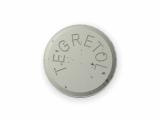
Buy Generic Tegretol (Carbamazepine) without prescription in Canada
In our Canadian pharmacy, you can buy Tegretol (Carbamazepine) without a prescription, with delivery across Canada within 5-14 days. Discreet and anonymous packaging.
Tegretol (carbamazepine) is an anticonvulsant and mood-stabilizing medication used primarily to treat certain types of epilepsy, trigeminal neuralgia (severe facial nerve pain), and acute manic or mixed episodes in bipolar I disorder. It works by blocking voltage-dependent sodium channels in the brain, which stabilizes overactive nerve membranes, inhibits repetitive neuronal firing, and reduces synaptic transmission of excitatory impulses. This action helps control seizures, relieve neuropathic pain, and stabilize mood.
Usual adult dose: Dosing is highly individualized. For epilepsy, the initial dose is 100-200 mg once or twice daily, increased gradually by 100-200 mg every few days to a maintenance dose of 800-1200 mg daily, divided into 2-4 doses. The maximum recommended dose is 1200 mg daily. For trigeminal neuralgia, start with 100 mg twice daily, increasing by 100 mg every 12 hours as needed, to a typical maintenance dose of 400-800 mg daily. For bipolar disorder, doses are similar to those for epilepsy. The 100 mg, 200 mg, and 400 mg tablets allow flexible titration. Tablets should be taken with food to reduce stomach upset. Doses of 400 mg and above should be divided to minimize side effects.
Dosage form: Oral tablets: 100 mg, 200 mg, and 400 mg (as carbamazepine). Chewable tablets (100 mg and 200 mg) and an extended-release formulation (Tegretol CR) are also available.
Onset of action: For epilepsy, the anticonvulsant effect begins within hours to days of reaching a therapeutic dose, but optimal seizure control may take several weeks. For trigeminal neuralgia, pain relief is often noticed within 24-72 hours. In bipolar disorder, the mood-stabilizing effect may require 1-2 weeks to become evident.
Duration of action: The elimination half-life of carbamazepine is initially 25-65 hours, but with repeated dosing, it induces its own metabolism, reducing the half-life to 12-17 hours. This auto-induction necessitates gradual dose increases over the first few weeks and divided daily dosing (2-4 times daily) to maintain stable blood levels. Steady-state concentrations are achieved after 2-4 weeks.
Alcohol recommendation: Alcohol consumption should be strictly avoided during treatment with Tegretol. Alcohol can worsen central nervous system side effects such as drowsiness and dizziness, may reduce the seizure threshold, and can interfere with the mood-stabilizing effects of the medication. The combination also increases the risk of liver damage.
Most common side effects: Dizziness, drowsiness, unsteadiness, nausea, vomiting, and dry mouth - especially when starting therapy or increasing the dose. These effects often diminish over time. Serious risks include aplastic anaemia, agranulocytosis, Stevens-Johnson syndrome, toxic epidermal necrolysis, and hyponatraemia. Hepatic toxicity and multi-organ hypersensitivity reactions can also occur. Routine blood monitoring is required to detect haematological and hepatic effects.
Would you like to try Tegretol (Carbamazepine) without a prescription?
General Information about Tegretol (Carbamazepine)
- INN (International Nonproprietary Name): Carbamazepine
- Brand names available in Canada: Tegretol® (Novartis Pharmaceuticals Canada Inc.) is the original brand-name product. Generic versions are widely available and include APO-Carbamazepine (Apotex Inc.), TEVA-Carbamazepine (Teva Canada Limited), Sandoz Carbamazepine (Sandoz Canada Inc.), PMS-Carbamazepine (Pharmascience Inc.), and others. An extended-release formulation is marketed as Tegretol® CR.
- ATC code: N03AF01 (carbamazepine; carboxamide derivatives)
- Dosage forms and strengths: Oral tablets: 100 mg, 200 mg, and 400 mg. Chewable tablets: 100 mg and 200 mg. Extended-release tablets (Tegretol CR): 200 mg and 400 mg. Oral suspension: 100 mg/5 mL.
- Manufacturers in Canada: Novartis Pharmaceuticals Canada Inc. (Tegretol, Tegretol CR), Apotex Inc., Teva Canada Limited, Sandoz Canada Inc., Pharmascience Inc., and other generic manufacturers.
- Registration status in Canada: Approved by Health Canada. First marketed in Canada in 1965. DINs: 00010473 (Tegretol 100 mg), 00010481 (Tegretol 200 mg), 00653481 (Tegretol 400 mg), among many generic DINs.
- OTC / Rx classification: Prescription only (Rx). Schedule I drug under the Controlled Drugs and Substances Act. A valid prescription from a licensed Canadian healthcare professional is required.
Mechanism of Action and Pharmacology
Carbamazepine is an iminostilbene derivative chemically related to the tricyclic antidepressants. Its primary mechanism of action is the blockade of voltage-gated sodium channels in neuronal membranes. By stabilizing the inactivated state of these channels, carbamazepine inhibits the high-frequency repetitive firing of neurons that underlies seizure propagation. This action also reduces the synaptic release of glutamate and other excitatory neurotransmitters. In the trigeminal nerve, the drug raises the threshold for stimulation and decreases the transmission of pain impulses from the face to the brain. In bipolar disorder, the mood-stabilizing effect is thought to be related to the modulation of limbic system excitability, though the exact mechanism is not fully understood.
Carbamazepine is slowly and variably absorbed after oral administration. Peak plasma concentrations of the parent drug are reached in 4-12 hours for immediate-release tablets. The drug is widely distributed throughout the body, crosses the placenta, and is excreted in breast milk. It is highly protein-bound (about 70-80%). Carbamazepine is extensively metabolized in the liver, primarily by cytochrome P450 3A4 (CYP3A4), to its major active metabolite, carbamazepine-10,11-epoxide, which also has anticonvulsant activity. The drug is a potent inducer of its own metabolism (auto-induction) and that of many other drugs via CYP3A4, CYP2C9, CYP2C19, and other enzymes. The elimination half-life after a single dose is 25-65 hours; with chronic therapy and auto-induction, it falls to 12-17 hours, requiring 2-4 times daily dosing. Steady-state levels are achieved after 2-4 weeks. The therapeutic serum concentration for epilepsy is generally 4-12 mg/L (17-51 micromol/L).
Indications
- Epilepsy: For the treatment of partial (focal) seizures with complex symptomatology, generalized tonic-clonic seizures (grand mal), and mixed seizure patterns. It is also effective for partial seizures with secondary generalization.
- Trigeminal neuralgia: For the symptomatic relief of pain associated with true trigeminal neuralgia (tic douloureux). It is also used for glossopharyngeal neuralgia.
- Bipolar I disorder: For the acute treatment of manic and mixed episodes, and for maintenance therapy to prevent or diminish the frequency and severity of mood episodes.
- Off-label, carbamazepine is also used for alcohol withdrawal syndrome, certain neuropathic pain syndromes, and diabetes insipidus (central).
- Not recommended for absence seizures (petit mal) or myoclonic seizures, as it may exacerbate these seizure types.
Important Warnings and Precautions
At-risk groups
- Pregnancy: Carbamazepine crosses the placenta and has been associated with an increased risk of major congenital malformations, particularly neural tube defects (spina bifida), craniofacial defects, cardiovascular anomalies, and urinary tract abnormalities, when taken during the first trimester. It should be used during pregnancy only if the potential benefit clearly outweighs the potential risk. Women of childbearing potential should use effective contraception and receive folic acid supplementation (at least 0.4-5 mg daily) before conception and during early pregnancy. Pregnant women taking carbamazepine should be referred to a specialist for monitoring and possible dose adjustment.
- Breastfeeding: Carbamazepine is excreted in human breast milk, with milk concentrations about 40-70% of maternal plasma levels. Infants should be monitored for sedation, poor feeding, and irritability. Breastfeeding is generally considered compatible with carbamazepine therapy, but the decision should be made in consultation with a physician, weighing the benefits of breastfeeding against the potential risks to the infant.
- Paediatrics: Carbamazepine is used in children of all ages for epilepsy. Dosing is weight-based (typically 5-10 mg/kg/day, divided into 2-3 doses initially, with gradual increase). Chewable tablets and suspension are available for younger children. Safety and efficacy in children under 6 years of age for bipolar disorder have not been established. For trigeminal neuralgia, use in children is rare and generally only under specialist care.
- Elderly: No specific dose adjustment is required based on age alone. However, elderly patients are more susceptible to CNS side effects (dizziness, ataxia, confusion), hyponatraemia, and cardiac conduction disturbances. Lower initial doses and slower titration are recommended, and renal function and serum sodium should be monitored closely.
- Hepatic impairment: Carbamazepine is extensively metabolized in the liver. In patients with significant hepatic disease, the elimination half-life may be prolonged, and drug accumulation can occur. Lower doses and careful monitoring of liver function and clinical response are required. Carbamazepine should be avoided in patients with severe hepatic impairment or decompensated cirrhosis.
- Renal impairment: Carbamazepine is only minimally excreted unchanged in the urine. No dose adjustment is required for renal impairment. However, the active metabolite (carbamazepine-10,11-epoxide) may accumulate in patients with severe renal failure, and these patients should be monitored for signs of toxicity.
- Serious dermatological reactions (boxed warning): Carbamazepine can cause severe, life-threatening skin reactions including Stevens-Johnson syndrome (SJS) and toxic epidermal necrolysis (TEN). The risk is highest in patients with the HLA-B*1502 allele, which is found almost exclusively in individuals of Asian ancestry (including Han Chinese, Thai, Indian, and other Southeast Asian populations). Health Canada recommends genetic screening for HLA-B*1502 in at-risk populations before starting carbamazepine. Patients who test positive should avoid the drug unless no alternative therapy is available and the benefit clearly outweighs the risk. Patients of all ethnicities should be informed of the signs of serious skin reactions and advised to report any rash immediately.
- Haematological toxicity: Carbamazepine has been associated with aplastic anaemia, agranulocytosis, pancytopenia, and other blood dyscrasias. These are rare but can be fatal. A complete blood count should be obtained before initiating therapy and periodically during treatment. Patients should be advised to report signs of bone marrow suppression (fever, sore throat, mouth ulcers, easy bruising, bleeding) immediately. If significant leucopenia or thrombocytopenia develops, the drug should be discontinued.
- Hyponatraemia: Carbamazepine can cause clinically significant hyponatraemia (low serum sodium) by potentiating the action of antidiuretic hormone (SIADH-like effect). The risk is higher in elderly patients, those taking diuretics, and those on high doses. Serum sodium levels should be measured before and periodically during therapy. If hyponatraemia develops, the dose should be reduced, or the drug discontinued if severe.
- Hepatic effects: Elevated liver enzymes, hepatitis, and, rarely, hepatic failure have been reported. Liver function tests should be performed at baseline and periodically thereafter. If significant liver injury develops, carbamazepine should be discontinued.
- Cardiac conduction abnormalities: Carbamazepine can cause atrioventricular block and other conduction disturbances. Use with caution in patients with pre-existing cardiac disease, and ECG monitoring is recommended before and during therapy in at-risk patients.
- Drug interactions (auto-induction and CYP450): Carbamazepine is a potent inducer of the cytochrome P450 enzyme system and can significantly decrease the plasma levels and efficacy of many drugs, including oral contraceptives, anticoagulants, anticonvulsants, antipsychotics, and antidepressants. A thorough medication review is essential before starting therapy.
- Allergy: Do not take Tegretol if you have a known hypersensitivity to carbamazepine, other tricyclic antidepressants, or any excipient in the tablet. Cross-sensitivity with oxcarbazepine may occur.
Driving and alcohol
Tegretol can cause dizziness, drowsiness, blurred vision, and impaired coordination, particularly at the start of therapy and after dose increases. Patients should not drive, operate heavy machinery, or engage in hazardous activities until they have determined how the medication affects them. Alcohol must be strictly avoided because it can significantly worsen these CNS depressant effects, increase the risk of seizures, and contribute to liver damage. Patients should be counselled that even small amounts of alcohol can have additive effects with carbamazepine.
Dosage Instructions
- Epilepsy: The initial dose for adults is 200 mg daily (as 100 mg twice daily or 200 mg once daily). The dose is increased gradually by 100-200 mg at weekly intervals to a maintenance dose of 800-1200 mg daily, divided into 2-4 doses. Doses above 1200 mg daily are rarely needed and are associated with increased toxicity. The 400 mg tablet is useful during titration to higher doses. Therapeutic drug monitoring (target trough concentration 4-12 mg/L) is recommended to guide dosing.
- Trigeminal neuralgia: Start with 100 mg twice daily. Increase by 100 mg every 12 hours as needed for pain control, up to a typical maintenance dose of 400-800 mg daily (given in 2-4 divided doses). Once pain is controlled, the dose should be reduced to the lowest effective level to minimize side effects.
- Bipolar disorder: The same dosing principles as for epilepsy are used. The goal is to achieve symptom control with the lowest effective dose, with regular monitoring of serum levels (therapeutic range for mood stabilization is similar to that for epilepsy).
- Elderly and debilitated patients: Initiate at 100 mg once or twice daily and titrate more slowly, with careful monitoring of serum levels and adverse effects.
- Administration: Tegretol tablets should be taken with food to reduce gastrointestinal irritation. The tablets may be swallowed whole with a glass of water, or the 100 mg and 200 mg tablets can be chewed or crushed (chewable formulations are available). The 400 mg tablet is often scored and may be divided if needed. Doses should be spaced evenly throughout the day. Extended-release (CR) tablets must be swallowed whole and not crushed or chewed.
- Missed dose: If a dose is missed, take it as soon as remembered on the same day. If it is close to the time of the next dose, skip the missed dose and resume the regular schedule. Do not double the dose.
- Discontinuation: Carbamazepine should not be stopped abruptly, as this may precipitate seizures or status epilepticus, or cause withdrawal symptoms (anxiety, insomnia, irritability). The dose should be tapered gradually over several weeks under medical supervision.
Side Effects and Contraindications
- Very common side effects (≥ 10%): Dizziness, drowsiness, unsteadiness (ataxia), nausea, and vomiting, particularly at the start of therapy. These effects are often dose-related and frequently resolve with continued treatment or dose reduction.
- Common side effects (1-10%): Dry mouth, constipation, diarrhoea, headache, fatigue, diplopia (double vision), and blurred vision. Rash occurs in 5-10% of patients, which may be benign or a sign of a more serious hypersensitivity reaction.
- Serious adverse reactions: Severe dermatologic reactions (SJS, TEN) - boxed warning; aplastic anaemia, agranulocytosis, pancytopenia; toxic hepatitis and hepatic failure; pancreatitis; hyponatraemia (SIADH); cardiac conduction disturbances (heart block); multi-organ hypersensitivity (DRESS syndrome); and aseptic meningitis. Angle-closure glaucoma can be precipitated.
- Contraindications: Hypersensitivity to carbamazepine, other tricyclic antidepressants, or any excipient. History of bone marrow depression. Use with monoamine oxidase inhibitors (MAOIs) or within 14 days of discontinuing an MAOI (risk of hypertensive crisis, hyperpyrexia, seizures). Concomitant use with nefazodone, delavirdine, or voriconazole (due to significant CYP3A4 inhibition). Hepatic porphyria. Patients with the HLA-B*1502 allele (unless no other treatment option and benefit outweighs risk). Severe hepatic impairment. Pregnancy (relative contraindication; use only if clearly necessary).
Drug Interactions
- Enzyme-inducing effects (major interaction): Carbamazepine induces CYP3A4, CYP2C9, CYP2C19, and other enzymes. It can reduce the efficacy of: oral contraceptives (breakthrough bleeding, unintended pregnancy), warfarin (reduced anticoagulation), other anticonvulsants (lamotrigine, valproate, phenytoin), antipsychotics (clozapine, olanzapine, aripiprazole), antidepressants, immunosuppressants (cyclosporine, tacrolimus), corticosteroids, and many others. Women using hormonal contraceptives should use an additional barrier method or consider an alternative non-hormonal method.
- Drugs that increase carbamazepine levels (CYP3A4 inhibitors): Macrolide antibiotics (erythromycin, clarithromycin), azole antifungals (ketoconazole, itraconazole, fluconazole), cimetidine, verapamil, diltiazem, propoxyphene, and protease inhibitors (ritonavir) can increase carbamazepine levels, leading to toxicity (dizziness, ataxia, diplopia, drowsiness). The carbamazepine dose may need to be reduced if these are co-administered.
- Drugs that decrease carbamazepine levels (CYP3A4 inducers): Phenobarbital, phenytoin, primidone, and theophylline can increase carbamazepine metabolism, reducing its levels and efficacy.
- MAOIs: Co-administration is contraindicated (risk of hypertensive crisis, seizures). Allow at least 14 days washout between stopping an MAOI and starting carbamazepine.
- Lithium: Concomitant use may increase the risk of neurotoxicity (ataxia, tremor, hyperreflexia) even at therapeutic serum levels of both drugs. Close monitoring is required.
- Other CNS depressants: Alcohol, benzodiazepines, opioids, and other sedating drugs will have additive effects on sedation and respiratory depression.
Practical Advice
- Administration: Take Tegretol consistently with meals to reduce stomach upset. Swallow the 400 mg tablet whole or split along the score line; the 100 mg and 200 mg tablets may be chewed if needed (chewable forms are available). Do not switch between different brands or formulations (immediate-release vs. extended-release) without your doctor's guidance, as this can alter blood levels and seizure control. Adhere strictly to the prescribed dosing schedule; missed doses can trigger seizures.
- Monitoring: Baseline and periodic complete blood counts, liver function tests, renal function, and serum sodium should be performed. Therapeutic drug monitoring (trough serum carbamazepine levels) is recommended for epilepsy and bipolar disorder to ensure efficacy and avoid toxicity; target range is generally 4-12 mg/L, but some patients may require levels outside this range. HLA-B*1502 genetic testing should be performed in at-risk populations. Patients should be educated to report any rash, fever, sore throat, mouth ulcers, easy bruising, or signs of infection immediately.
- Storage: Store at room temperature (15-30 °C) in a dry place, protected from moisture and light. Keep the container tightly closed and out of the reach and sight of children.
- Lifestyle: Avoid alcohol completely. Do not drive or operate hazardous machinery until you know how the drug affects you. Maintain good oral hygiene to counter dry mouth. If you are a woman of childbearing age, discuss contraception with your doctor, as carbamazepine can reduce the effectiveness of hormonal birth control. Never stop this medication suddenly, as this can provoke seizures or a severe mood episode. Carry a medical alert card indicating that you take carbamazepine.
- Missed dose: If you miss a dose, take it as soon as you remember, but if it is almost time for your next dose, skip the missed dose and continue with your regular schedule. Do not double the dose.
- When to seek medical review: Discontinue Tegretol and seek immediate medical attention if you develop a skin rash, especially if accompanied by blisters, fever, or mouth sores; signs of a serious allergic reaction (swelling of the face or throat, difficulty breathing); signs of blood disorders (fever, sore throat, mouth ulcers, unusual bruising or bleeding); signs of liver injury (jaundice, dark urine, severe abdominal pain); or severe neurological symptoms (double vision, severe dizziness, confusion). Also report any new or worsening seizures.
- Disposal: Return unused or expired medication to a pharmacy for safe disposal. Do not flush down the toilet or discard in household waste.
Alternative Medications
- Other anticonvulsants for epilepsy: Oxcarbazepine (Trileptal®) is structurally related to carbamazepine and has a similar spectrum of activity with fewer drug interactions and auto-induction. It is often preferred when carbamazepine is not tolerated. Lamotrigine (Lamictal®), levetiracetam (Keppra®), and valproate (Depakene®) are other first-line options for focal and generalized seizures. The choice depends on seizure type, patient age, and side-effect profile.
- For trigeminal neuralgia: Baclofen (Lioresal®), gabapentin (Neurontin®), and pregabalin (Lyrica®) are second-line agents when carbamazepine is ineffective or cannot be used. Surgical options (microvascular decompression, gamma knife radiosurgery) may be considered for refractory cases.
- For bipolar disorder: Lithium (Carbolith®) remains a first-line mood stabilizer. Valproate (Epival®) and atypical antipsychotics (quetiapine, olanzapine, aripiprazole) are also effective for acute mania and maintenance. Lamotrigine is particularly useful for bipolar depression. The choice depends on the phase of illness, comorbidities, and tolerability.
- Non-pharmacological approaches: For epilepsy, ketogenic diet (under medical supervision), vagus nerve stimulation (VNS), and epilepsy surgery are options for refractory seizures. For trigeminal neuralgia, dental evaluation and pain management strategies are important adjuncts. For bipolar disorder, psychotherapy (CBT, IPSRT) and lifestyle stabilization are essential.
Clinical Efficacy
Carbamazepine has been a mainstay of epilepsy treatment since the 1960s. In multiple randomized controlled trials, it has demonstrated efficacy in reducing focal seizure frequency by 50% or more in approximately 60-80% of patients, with comparable efficacy to phenytoin and valproate. For trigeminal neuralgia, it remains the gold standard, providing complete or near-complete pain relief in about 70-80% of patients within 24-72 hours. In bipolar I disorder, carbamazepine has been shown to be effective for the treatment of acute mania, though it is less commonly used as a first-line agent than lithium or valproate, primarily due to its drug interaction potential and the need for haematological monitoring. Long-term maintenance studies have confirmed its efficacy in preventing relapse. The 100 mg, 200 mg, and 400 mg strengths allow for gradual dose titration, which is essential to minimize neurotoxicity and to establish the minimum effective dose for each patient. Due to the significant risks of serious skin reactions and blood dyscrasias, careful patient selection, genetic screening, and regular laboratory monitoring are mandatory. Canadian guidelines continue to list carbamazepine as a treatment option for the above indications, with appropriate precautions.
Important:
Tegretol (carbamazepine) is a prescription medication that must be used under the supervision of a qualified healthcare professional. It can cause life-threatening skin reactions (Stevens-Johnson syndrome, toxic epidermal necrolysis), especially in individuals of Asian descent who carry the HLA-B*1502 gene. Genetic testing is recommended before starting treatment. It can also cause severe blood disorders (aplastic anaemia, agranulocytosis) and liver damage; regular blood tests are mandatory. Do not stop taking this medication abruptly, as this can provoke seizures or severe mood episodes. Alcohol must be completely avoided. Tegretol can make hormonal contraceptives ineffective; women of childbearing potential should use an alternative non-hormonal method. This drug interacts with many other medications; always inform your doctor and pharmacist of all drugs you are taking. If you develop a rash, fever, sore throat, mouth ulcers, or unusual bleeding, discontinue the medication immediately and seek emergency medical attention. This information is not a substitute for professional medical advice, diagnosis, or treatment.


| Shipping method | Delivery time | Price | |
 Delivery Delivery |
14-21 days | 14.95$ | Tracking# available in 4 days |
 Delivery Delivery |
9-14 days | 30$ | Tracking# available in 2 days |
- Shipping worldwide
- Confidentiality and anonymity guarantee
- Safe and secure
- Discrete looking packages
- Dispatch orders within 24 hours
- 100% success delivery


