


 Secure and Reliable
  High quality
  Worldwide shipping
  Bonuses and Discounts
  Money back Guarantee
 - Bestsellers
- Alcoholism
- COVID-19
- Allergy
- Anti Fungal
- Alzheimers
- Anti Viral
- Anti-Depressants
- Anti-Inflammatory
- Antibacterial
- Antiparasitic
- Antibiotics
- Arthritis
- Asthma
- Birth Control
- Blood Pressure
- Cancer
- Cardiovascular
- Cholesterol
- Diabetes
- Diuretics
- Erectile Dysfunction
- Eye Drop
- Gastro Health
- General Health
- Hair Loss
- Hepatitis C Virus (HCV)
- HIV
- Hormones
- Men's ED Packs
- Men's Health
- Mental Illness
- Motion Sickness
- Muscle Relaxant
- Pain Relief
- Parkinson’s Disease
- Veterinary Medicines
- Quit Smoking
- Vitamins
- Skin Care
- Sleeping Aids
- Weight Loss
- Women's Health
Generic Timoptic ( Timolol Maleate )
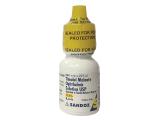
Timoptic (timolol maleate) ophthalmic solution 0.5% is a non-selective beta-adrenergic receptor blocker indicated for the reduction of elevated intraocular pressure (IOP) in patients with open-angle glaucoma or ocular hypertension. Timolol lowers IOP by reducing the production of aqueous humour in the ciliary body, likely through blockade of beta-adrenergic receptors. It is not a miotic and does not affect pupil size or accommodation. Timoptic is available only by prescription in Canada.
Usual adult dose: The recommended dose is one drop of Timoptic 0.5% in the affected eye(s) twice daily, approximately 12 hours apart. The 0.5% strength is typically used when the 0.25% strength does not provide adequate IOP reduction; patients may be started on 0.25% and advanced to 0.5% if needed. If IOP is controlled, the frequency may be reduced to once daily in some patients under medical supervision. To minimize systemic absorption and reduce the risk of systemic side effects, patients should apply gentle pressure to the nasolacrimal sac (punctal occlusion) or gently close the eyelid for 1 to 2 minutes after instillation. If more than one topical ophthalmic drug is used, the medications should be instilled at least 5 minutes apart. The tip of the dispensing container must not touch the eye or surrounding structures to prevent contamination. If a dose is missed, it should be taken as soon as remembered, and the patient should then return to the regular schedule.
Dosage form: Sterile ophthalmic solution: 0.5% (each mL contains 5 mg of timolol, equivalent to 6.8 mg of timolol maleate). Available in 5 mL and 10 mL dropper bottles. The product contains benzalkonium chloride as a preservative; patients who wear soft contact lenses should remove them before instillation and wait at least 15 minutes before reinserting.
Onset of action: A reduction in intraocular pressure may begin within 30 to 60 minutes after instillation, with peak IOP-lowering effect occurring approximately 1 to 2 hours after dosing. Consistent twice-daily administration is required to maintain pressure control throughout the day.
Duration of action: The IOP-lowering effect persists for approximately 12 to 24 hours, supporting twice-daily dosing. The elimination half-life of timolol after topical ocular administration is short (about 4 hours in plasma), but the ocular hypotensive effect lasts longer due to local binding and reduced aqueous production.
Alcohol recommendation: No direct interaction between topical timolol and alcohol is known. However, excessive alcohol consumption may cause systemic vasodilation and dehydration, which could theoretically affect ocular perfusion in patients with glaucoma. Moderation is advised.
Most common side effects: Ocular burning, stinging, and discomfort immediately after instillation (reported in up to one-third of patients), blurred vision, conjunctival hyperemia, and dry eyes. These local effects are usually mild and transient. Systemic absorption of timolol can occur and may cause beta-blocker side effects: bradycardia, hypotension, bronchospasm (especially in patients with asthma or COPD), fatigue, dizziness, and depression. Timoptic is contraindicated in patients with bronchial asthma, severe chronic obstructive pulmonary disease, sinus bradycardia, second- or third-degree heart block, cardiogenic shock, or overt heart failure. Caution is required in patients with diabetes mellitus (may mask hypoglycemia), myasthenia gravis, or peripheral vascular disease. If systemic side effects occur, the medication should be discontinued and a healthcare professional consulted. Timoptic is not for use in children unless directed by a physician, and it is not recommended during pregnancy unless the benefit outweighs the risk.
Would you like to try Timoptic (Timolol Maleate) without a prescription?
Buy Generic Timoptic (Timolol Maleate) without prescription in Canada
At our pharmacy, you can buy Timoptic without a prescription, with discreet and anonymous packaging delivered within 5-14 days across Canada.
What is Timoptic?
Timoptic is an eye drop used to lower pressure inside the eye. The active ingredient is timolol maleate, a beta-blocker. High pressure in the eye, called intraocular pressure, is the main cause of damage in glaucoma. Timolol works by reducing the amount of fluid the eye produces, which brings the pressure down and protects the optic nerve from further damage. It is used to treat open-angle glaucoma and ocular hypertension, a condition where the pressure is high but no damage has occurred yet. Timoptic does not cure glaucoma. It controls it. Once you stop using it, the pressure rises again. The effect begins within about 30 minutes after a drop is placed, peaks in 1 to 2 hours, and lasts for 12 to 24 hours. It is usually used twice daily. The 0.5% strength is the standard dose for most adults. A lower 0.25% strength exists for people who are sensitive to the drug. Timoptic is available as a solution and as a gel-forming solution called Timoptic-XE, but the common 0.5% solution is the workhorse. It is also available as a generic under the name timolol maleate. The brand Timoptic is manufactured by Bausch Health.
Mechanism and Pharmacology
Timolol is a non-selective beta-adrenergic receptor antagonist. It blocks both beta-1 and beta-2 receptors. In the eye, the ciliary body produces aqueous humour, the fluid that fills the front of the eye. This production is partially regulated by beta receptors, particularly beta-2. When timolol blocks these receptors, the ciliary body produces less fluid. Less fluid means less pressure inside the eye. The beta blockade in the eye is local, but a small amount of the drug is absorbed through the tear ducts into the bloodstream. This systemic absorption can cause beta-blocker effects elsewhere in the body: a slower heart rate, lower blood pressure, and, in susceptible people, bronchospasm. Timolol is not selective, so it affects the heart and lungs as well as the eye. This is why it must be used cautiously in people with asthma, COPD, or heart block. The systemic absorption can be reduced by pressing on the inner corner of the eye for a minute after instilling the drop, a technique called punctal occlusion, which blocks drainage into the tear duct.
After ocular administration, timolol reaches peak concentration in the aqueous humour in about 1 to 2 hours. The plasma half-life after systemic absorption is about 4 hours, but the pressure-lowering effect in the eye lasts 12 to 24 hours, allowing twice-daily dosing. The drug is metabolized in the liver by CYP2D6 and excreted in urine. The 0.5% strength provides a full therapeutic effect for most patients. In patients with severe liver or kidney impairment, systemic absorption can lead to higher blood levels and more side effects, so caution is advised. The eye drop solution is preserved with benzalkonium chloride, which can be absorbed by soft contact lenses and should be removed before use. Timolol does not cause pupil constriction, so it does not cause the blurry vision or brow ache that some other glaucoma drops, like pilocarpine, do.
How to Use Timoptic
The usual dose is one drop of 0.5% solution in the affected eye or eyes twice daily, morning and evening. Wash your hands before use. Tilt your head back, pull down your lower eyelid to form a pocket, and squeeze one drop into the space. Do not let the tip touch your eye or any surface, to prevent contamination. Close your eye gently for 2 minutes, pressing lightly on the inner corner of the eye where it meets the nose. This technique, punctal occlusion, keeps the medication in the eye longer and reduces systemic absorption. If you use more than one type of eye drop, wait at least 5 minutes between them so the first does not get washed out. If you wear soft contact lenses, remove them before using Timoptic and wait at least 15 minutes before reinserting, because the preservative can damage the lenses.
If you miss a dose, apply it as soon as you remember. If it is almost time for the next dose, skip the missed one and continue on your regular schedule. Do not double up. Do not stop using Timoptic without talking to your eye doctor, because the pressure will rise and can damage your optic nerve. Regular eye pressure checks are essential. Your doctor will measure the pressure and examine the optic nerve periodically to make sure the treatment is working. If the pressure is not sufficiently controlled, another drop may be added or the medication changed. Never change the dose or stop on your own.
Side Effects of Timoptic
Side effects can be local, in the eye, or systemic, affecting the whole body because of the beta-blocker absorbed into the bloodstream. Local side effects include burning or stinging when the drop goes in, blurred vision for a few minutes, dry eyes, and redness. These are usually mild and improve as the body adjusts. Less commonly, timolol can cause inflammation of the cornea or eyelid.
Systemic side effects are the main concern. Because timolol blocks beta receptors throughout the body, it can slow the heart rate, lower blood pressure, and cause fatigue. In people with asthma or COPD, it can trigger bronchospasm and wheezing, because blocking beta-2 receptors in the lungs tightens the airways. This is the most important contraindication. It can also mask the symptoms of low blood sugar in people with diabetes, particularly the rapid heartbeat and tremor. Depression, confusion, and insomnia can occur, especially in elderly patients. In rare cases, timolol can worsen heart failure or cause heart block. If you experience shortness of breath, wheezing, a very slow heart rate, fainting, or severe fatigue, stop using the drops and contact your doctor. These are signs of systemic beta blockade and require immediate attention. Allergic reactions are rare.
High-Risk Groups (Elderly, Pregnancy)
Pregnancy. Timolol is pregnancy category C. It crosses the placenta and can affect the fetal heart rate and blood sugar. It should be used during pregnancy only if the potential benefit outweighs the risk. Glaucoma is rare in reproductive-age women, but when it occurs, other drops with better safety profiles, like brimonidine or latanoprost, are often preferred. If timolol is used near delivery, the newborn should be monitored for bradycardia and hypoglycemia. Always discuss with your obstetrician and ophthalmologist. Breastfeeding. Timolol passes into breast milk in small amounts. It can cause bradycardia and apnea in the nursing infant. The manufacturer recommends against breastfeeding while using timolol. If you need a beta-blocker eye drop while nursing, discuss alternatives with your doctor.
Elderly patients are more sensitive to the systemic effects of timolol. They are more likely to have heart disease, bradycardia, or lung problems. The starting dose is usually the same, but monitoring of heart rate and blood pressure is important. Falls from low blood pressure are a risk. Punctal occlusion helps reduce systemic absorption. Patients with a history of asthma, COPD, heart block greater than first degree, cardiogenic shock, or severe bradycardia should not use timolol. People with diabetes should be aware that the drug can mask hypoglycemia symptoms. Those with myasthenia gravis may experience worsening of muscle weakness. Patients taking other beta-blockers by mouth, or calcium channel blockers like verapamil or diltiazem, should use timolol cautiously because the systemic effects can add up. A complete medication review is essential before starting.
Interaction With Activities (Driving, Alcohol)
Timoptic can cause blurred vision for a few minutes after instillation. Do not drive or operate machinery until your vision clears. The systemic beta blockade can also cause fatigue and dizziness, which can impair driving. If you feel unusually tired or lightheaded, avoid driving. Alcohol can add to the blood pressure-lowering effect of timolol, increasing dizziness. Limit alcohol while using these drops. If you drink, do so cautiously and be aware that you may feel more lightheaded than usual. The drops themselves do not cause permanent visual impairment, but the transient blurring is enough to require caution.
Drug Interactions
The systemic absorption of timolol, though small, can interact with other medications. Oral beta-blockers, like metoprolol or propranolol, add to the heart rate and blood pressure effects. The combination can cause severe bradycardia. Calcium channel blockers, especially verapamil and diltiazem, also slow the heart and can cause heart block when combined with timolol. This combination should be used with extreme caution. Other eye drops in the same class, like betaxolol or levobunolol, should not be used together with timolol because the effects are additive. Clonidine, a blood pressure medication, can interact, and abrupt withdrawal of clonidine while on timolol can cause rebound hypertension. Amiodarone can add to the heart rate effects. Digoxin levels can rise when combined with beta-blockers, increasing the risk of toxicity. Insulin and oral diabetes drugs may interact because timolol masks hypoglycemia symptoms and can prolong low blood sugar. Selective serotonin reuptake inhibitors (SSRIs) can increase timolol levels slightly, but this is rarely clinically significant. Always tell your ophthalmologist and pharmacist about all medications you take, including eye drops, before starting Timoptic.
Alternative Options
Timolol is one of several classes of glaucoma drops. Prostaglandin analogues like latanoprost, bimatoprost, and travoprost are often first-line because they lower pressure effectively with once-daily dosing and minimal systemic side effects. Alpha-2 agonists like brimonidine lower pressure but can cause allergy and fatigue. Carbonic anhydrase inhibitors like dorzolamide and brinzolamide reduce fluid production and are often used in combination. Rho kinase inhibitors like netarsudil are newer. Timolol is a beta-blocker, and its main advantage is low cost and long history. It is often combined with other drops in a single formulation, such as dorzolamide-timolol (Cosopt) or brimonidine-timolol (Combigan). For patients who cannot tolerate beta-blockers due to lung or heart disease, other classes are preferred. The choice depends on the patient's other health conditions, the severity of pressure elevation, and cost. Timolol remains a workhorse because it is effective and inexpensive, but its systemic side effects limit its use in some populations.
INN, Brand Names, and Classification in Canada
INN (International Nonproprietary Name): Timolol maleate
Available brand names in Canada: Timoptic, Timoptic-XE (gel-forming solution), and generic timolol maleate. Combination products include Cosopt (with dorzolamide) and Combigan (with brimonidine).
ATC code: S01ED01
Forms and strengths: Ophthalmic solution 0.5% (5 mg/mL) and 0.25% (2.5 mg/mL). The 0.5% solution is the standard adult dose. Gel-forming solution 0.25% and 0.5% is also available.
Manufacturers: Bausch Health Canada Inc. (Timoptic), and diverse generic manufacturers including Apotex Inc., Teva Canada Limited, and Sandoz Canada Inc.
Registration status in Canada: Registered
Classification: Prescription (Rx)
Frequently Asked Questions
Why do I need to press on my eye after using Timoptic?
Pressing on the inner corner of the eye for 2 minutes blocks the tear duct, keeping the medication in the eye longer and reducing the amount that drains into your nose and throat. This improves the pressure-lowering effect and reduces systemic absorption, which means fewer side effects like a slow heart rate or wheezing. It is a simple step that makes the drug safer and more effective.
Can Timoptic make my asthma worse?
Yes. Timolol blocks beta-2 receptors in the lungs, which can cause bronchospasm and wheezing. If you have asthma or COPD, this is a serious concern. You should not use timolol unless your doctor has carefully weighed the risks and no alternative is suitable. If you develop wheezing or shortness of breath after starting the drops, stop and seek medical help immediately.
Does Timoptic cause blurry vision?
It can cause brief blurring right after the drop is instilled. This usually clears within a few minutes. If you have persistent blurring or other vision changes, tell your eye doctor. Timolol itself does not cause permanent vision changes, but uncontrolled glaucoma can, so regular monitoring is essential.
Can I use Timoptic with my other eye drops?
Yes, but wait at least 5 minutes between different drops so they do not wash each other out. If you are using a combination of drops, ask your doctor for the best order. Use Timoptic at the same times each day, usually morning and evening, for consistent pressure control.
What if I miss a dose?
Apply it as soon as you remember. If it is almost time for the next dose, skip the missed one and continue on your schedule. Do not double up. Missing an occasional dose is not usually harmful, but consistency is key for keeping the pressure stable. If you miss doses regularly, your glaucoma is not being properly treated.
Delivery Information Across Canada
We ship Timoptic and generic timolol maleate to all provinces and territories. Delivery times vary depending on how remote your location is:
- Ontario (Toronto, Ottawa, Mississauga): 5 to 7 days
- Quebec (Montreal, Quebec City, Laval): 5 to 7 days
- British Columbia (Vancouver, Victoria, Burnaby): 5 to 9 days
- Alberta (Calgary, Edmonton, Red Deer): 5 to 9 days
- Manitoba (Winnipeg, Brandon): 5 to 9 days
- Saskatchewan (Saskatoon, Regina): 5 to 9 days
- Nova Scotia (Halifax, Sydney): 5 to 9 days
- New Brunswick (Moncton, Fredericton): 5 to 9 days
- Newfoundland and Labrador (St. John's, Corner Brook): 7 to 14 days
- Prince Edward Island (Charlottetown): 7 to 14 days
- Yukon, Northwest Territories, Nunavut: 7 to 14 days
All shipments are packed discreetly with no branding or indication of contents on the outside.


| Shipping method | Delivery time | Price | |
 Delivery Delivery |
14-21 days | 14.95$ | Tracking# available in 4 days |
 Delivery Delivery |
9-14 days | 30$ | Tracking# available in 2 days |
- Shipping worldwide
- Confidentiality and anonymity guarantee
- Safe and secure
- Discrete looking packages
- Dispatch orders within 24 hours
- 100% success delivery


