


 Secure and Reliable
  High quality
  Worldwide shipping
  Bonuses and Discounts
  Money back Guarantee
 - Bestsellers
- Alcoholism
- COVID-19
- Allergy
- Anti Fungal
- Alzheimers
- Anti Viral
- Anti-Depressants
- Anti-Inflammatory
- Antibacterial
- Antiparasitic
- Antibiotics
- Arthritis
- Asthma
- Birth Control
- Blood Pressure
- Cancer
- Cardiovascular
- Cholesterol
- Diabetes
- Diuretics
- Erectile Dysfunction
- Eye Drop
- Gastro Health
- General Health
- Hair Loss
- Hepatitis C Virus (HCV)
- HIV
- Hormones
- Men's ED Packs
- Men's Health
- Mental Illness
- Motion Sickness
- Muscle Relaxant
- Pain Relief
- Parkinson’s Disease
- Veterinary Medicines
- Quit Smoking
- Vitamins
- Skin Care
- Sleeping Aids
- Weight Loss
- Women's Health
Generic Tiotropium Bromide
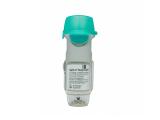
Buy Generic Tiotropium Bromide () without prescription in Canada
In our Canadian pharmacy, you can buy Tiotropium Bromide without a prescription, with delivery across Canada within 5-14 days. Discreet and anonymous packaging.
Tiotropium bromide is a long-acting muscarinic antagonist (LAMA) bronchodilator used for the maintenance treatment of chronic obstructive pulmonary disease (COPD), including chronic bronchitis and emphysema, and for add‑on maintenance therapy in adults with asthma who remain symptomatic despite inhaled corticosteroids. It works by selectively binding to and blocking M3 muscarinic receptors in airway smooth muscle, which prevents acetylcholine‑mediated bronchoconstriction and reduces vagal bronchomotor tone. This prolonged action opens the airways for up to 24 hours, helping to relieve symptoms such as shortness of breath, wheezing, and cough, and reducing the frequency of COPD exacerbations.
Usual adult dose: The recommended dose is the inhalation of the contents of one 18 mcg capsule (equivalent to approximately 9 mcg of tiotropium delivered to the lung) once daily, using the HandiHaler® device supplied with the medication. The capsule must never be swallowed; it is placed into the device, pierced, and the dry powder inhaled. Doses should be taken at the same time each day, and the inhaler should be cleaned regularly. For the Respimat® Soft Mist™ Inhaler, the usual dose is two puffs (5 mcg) once daily; the 9 mcg delivered dose relates to the HandiHaler presentation. Tiotropium is intended for long‑term maintenance therapy and must not be used for the relief of acute bronchospasm; a short‑acting beta‑agonist (rescue inhaler) should be used for sudden symptoms.
Dosage form: Dry powder inhalation capsule: each capsule contains 18 mcg of tiotropium bromide monohydrate (equivalent to 16 mcg tiotropium), delivering approximately 9 mcg of tiotropium to the lungs. Capsules are for oral inhalation only and are used exclusively with the HandiHaler device. Tiotropium is also available as a soft mist inhaler (Respimat).
Onset of action: Bronchodilation begins within 30 minutes of inhalation, with the peak effect achieved approximately 1.5 to 2 hours after dosing.
Duration of action: The bronchodilator effect persists for 24 hours, allowing once‑daily maintenance dosing. The elimination half‑life of tiotropium is about 5‑6 days after inhalation, but the pharmacodynamic effect is sustained over the full dosing interval.
Alcohol recommendation: Alcohol consumption does not directly interact with Tiotropium Bromide. However, alcohol can exacerbate COPD symptoms and may increase the risk of certain side effects such as dizziness. Limiting alcohol is sensible to support overall respiratory health.
Most common side effects: Dry mouth (up to 16%), constipation, cough, dyspepsia, urinary retention, and blurred vision. Like other anticholinergics, it may cause acute angle‑closure glaucoma, urinary difficulty (especially in men with prostatic hyperplasia), and, rarely, paradoxical bronchospasm. Tiotropium is not intended for acute rescue therapy.
Would you like to try Tiotropium Bromide without a prescription?
General Information about Tiotropium Bromide
- INN (International Nonproprietary Name): Tiotropium bromide
- Brand names available in Canada: Spiriva® HandiHaler® (Boehringer Ingelheim (Canada) Ltd.) and Spiriva® Respimat® (Soft Mist™ Inhaler). Generic versions of tiotropium dry powder capsules are also available, such as Apo‑Tiotropium (Apotex Inc.) and PMS‑Tiotropium (Pharmascience Inc.).
- ATC code: R03BB04 (tiotropium bromide; anticholinergics for obstructive airway diseases)
- Dosage forms and strengths: Dry powder inhalation capsule: 18 mcg tiotropium bromide monohydrate (equivalent to 16 mcg tiotropium, delivering approximately 9 mcg to the lung). Soft Mist™ Inhaler (Respimat): 2.5 mcg per puff (usual dose 5 mcg = 2 puffs once daily).
- Manufacturers in Canada: Boehringer Ingelheim (Canada) Ltd. (Spiriva), Apotex Inc., Pharmascience Inc., and other generic manufacturers.
- Registration status in Canada: Approved by Health Canada. Marketed. DINs: 02249804 (Spiriva HandiHaler 18 mcg capsule), 02461323 (Spiriva Respimat 2.5 mcg), and generic equivalents.
- OTC / Rx classification: Prescription only (Rx). Schedule I drug under the Controlled Drugs and Substances Act. A valid prescription from a licensed Canadian healthcare professional is required.
Mechanism of Action and Pharmacology
Tiotropium is a long‑acting, specific muscarinic receptor antagonist (anticholinergic) with a high affinity for M3 receptors located on airway smooth muscle. By blocking the action of acetylcholine at these receptors, tiotropium inhibits vagally mediated bronchoconstriction and reduces basal airway tone. Its slow dissociation from M3 receptors and rapid dissociation from M2 receptors (which modulate acetylcholine release) account for its long duration of action and selectivity. Tiotropium also reduces mucus hypersecretion and has some anti‑inflammatory properties. After inhalation, the drug acts locally in the lung; systemic absorption is low. Peak plasma concentrations are reached 5‑7 minutes after inhalation, and the terminal elimination half‑life is 5‑6 days due to prolonged binding to lung tissue. The bronchodilator effect persists for 24 hours. Tiotropium is minimally metabolized; about 74% of the inhaled dose is excreted unchanged in the urine and faeces. The drug does not inhibit or induce cytochrome P450 enzymes, resulting in few pharmacokinetic drug interactions.
Indications
- Long‑term maintenance bronchodilator treatment in patients with chronic obstructive pulmonary disease (COPD), including chronic bronchitis and emphysema, to relieve symptoms and reduce the frequency of exacerbations.
- Add‑on maintenance therapy in adult patients with asthma who remain symptomatic despite treatment with inhaled corticosteroids and long‑acting beta‑agonists.
- Tiotropium is not indicated for acute bronchospasm or for the initial treatment of status asthmaticus. Patients should have a short‑acting beta‑agonist (rescue inhaler) available for sudden symptoms.
Important Warnings and Precautions
At‑risk groups
- Pregnancy: There are limited data on tiotropium use in pregnant women. It should be used during pregnancy only if the potential benefit justifies the potential risk to the foetus. Animal studies have shown no teratogenic effects at high multiples of the human dose.
- Breastfeeding: It is not known whether tiotropium bromide is excreted in human breast milk. A decision should be made whether to discontinue breastfeeding or to discontinue the drug, taking into account the importance of the medication to the mother.
- Paediatrics: Safety and efficacy in children and adolescents under 18 years of age have not been established for COPD. For asthma, tiotropium Respimat is approved for patients aged 6 years and older; the HandiHaler is not studied in children. Use only as recommended by a paediatric respiratory specialist.
- Elderly: No dose adjustment is required based on age alone. However, elderly patients are more likely to have pre‑existing conditions such as prostatic hyperplasia, narrow‑angle glaucoma, or renal impairment, which require caution. Monitor for anticholinergic side effects.
- Renal impairment: Tiotropium is predominantly renally excreted. In patients with moderate to severe renal impairment (creatinine clearance ≤ 50 mL/min), the plasma concentration of tiotropium is increased, and anticholinergic side effects (dry mouth, constipation, urinary retention) may be more pronounced. The drug should be used with caution, and the patient monitored for adverse effects. The standard dose can be maintained, but caution is advised.
- Hepatic impairment: No dose adjustment is required in patients with mild to moderate hepatic impairment. Tiotropium has not been studied in severe hepatic impairment.
- Acute bronchospasm: Tiotropium is a maintenance bronchodilator and is not intended for the relief of acute breathing problems. If a patient develops acute bronchospasm despite therapy, a short‑acting beta‑agonist should be used immediately, and medical attention should be sought. Paradoxical bronchospasm (sudden worsening of breathing immediately after inhalation) has been reported rarely; if this occurs, the drug should be discontinued and alternative therapy instituted.
- Anticholinergic effects: Due to its anticholinergic activity, tiotropium should be used with caution in patients with narrow‑angle glaucoma, prostatic hyperplasia, or bladder‑neck obstruction. Worsening of these conditions has been reported. Patients should be advised to avoid getting the powder or spray into their eyes, as this may cause acute eye pain or discomfort, blurred vision, visual halos, or coloured images, and may precipitate acute narrow‑angle glaucoma.
- Allergy: Do not use Tiotropium Bromide if you have a known hypersensitivity to tiotropium, ipratropium, atropine, or any excipient in the capsule (e.g., lactose monohydrate, which contains milk protein). Anaphylaxis and angioedema have been reported.
Driving and alcohol
Tiotropium may cause dizziness, blurred vision, or drowsiness. Patients should not drive, operate heavy machinery, or engage in hazardous activities until they have determined how the medication affects them. Alcohol consumption does not directly interact with tiotropium, but it can worsen COPD symptoms and should be limited.
Dosage Instructions
- Standard dose (HandiHaler): The contents of one 18 mcg capsule are inhaled once daily, at the same time each day, using the HandiHaler device. The capsule must never be swallowed. The dry powder is for oral inhalation only. Do not use more than one capsule per day.
- Instructions for HandiHaler: Immediately before use, remove one capsule from the blister pack (do not store capsules in the HandiHaler). Place the capsule in the centre chamber of the HandiHaler, press the green piercing button once to pierce the capsule, and release. Breathe out fully, then close your lips tightly around the mouthpiece. Inhale slowly and deeply until the lungs are full; hold your breath for several seconds. Repeat the inhalation if necessary to ensure the capsule is empty. Discard the empty capsule and clean the HandiHaler regularly as per the instructions.
- Missed dose: If a dose is missed, take it as soon as remembered on the same day. If it is close to the time of the next scheduled dose, skip the missed dose and resume the regular schedule. Do not double the dose or take more than one capsule per day.
- Duration of therapy: Tiotropium is intended for long‑term maintenance therapy. The need for continued treatment should be reassessed periodically by the prescribing physician.
Side Effects and Contraindications
- Very common side effects (≥ 10%): Dry mouth (up to 16%), which is usually mild and often resolves with continued use.
- Common side effects (1‑10%): Constipation, cough, dyspepsia, urinary retention, blurred vision, and throat irritation.
- Less common but serious side effects: Acute angle‑closure glaucoma (symptoms include eye pain, blurred vision, visual halos, and red eyes), paradoxical bronchospasm (sudden wheezing and shortness of breath immediately after use), atrial fibrillation, palpitations, and urinary tract infection. Hypersensitivity reactions including angioedema (swelling of the face, lips, tongue, or throat), rash, urticaria, and anaphylaxis have been reported.
- Contraindications: Hypersensitivity to tiotropium bromide, ipratropium, atropine, or any excipient (e.g., lactose monohydrate, which may contain milk protein). Caution in patients with severe renal impairment (CrCl ≤ 50 mL/min) is advised, but the drug is not absolutely contraindicated.
Drug Interactions
- Other anticholinergic agents: Concomitant use of tiotropium with other anticholinergic drugs (e.g., ipratropium, oxybutynin, antihistamines, tricyclic antidepressants) may cause additive anticholinergic effects, such as dry mouth, constipation, and urinary retention. Caution is advised.
- Sympathomimetics (beta‑agonists): No clinically significant pharmacokinetic or pharmacodynamic interactions have been observed. Tiotropium can be used in combination with long‑acting beta‑agonists (LABAs) and inhaled corticosteroids, as is common in COPD and asthma management.
- Xanthines, steroids, and cromoglycate: No adverse interactions have been noted when tiotropium is used together with these medications.
- No cytochrome P450 interactions: Tiotropium is not metabolized by the CYP450 enzyme system, so it has a low potential for drug‑drug interactions with agents that are metabolized by these pathways.
- Alcohol: No known interaction; however, alcohol may worsen COPD symptoms and should be limited.
Practical Advice
- Administration: Use the HandiHaler device exactly as demonstrated by your healthcare professional. The capsule must be inhaled via the HandiHaler and must never be swallowed. Take your dose at the same time each day to establish a routine. If you forget a dose, take it as soon as possible on the same day; otherwise, skip it and continue your normal schedule. Do not take more than one capsule per day.
- Monitoring: No routine laboratory monitoring is required. However, patients with moderate to severe renal impairment should be monitored for anticholinergic side effects (dry mouth, constipation, urinary retention). Patients with a history of narrow‑angle glaucoma should have regular eye examinations. Report any sudden worsening of breathing or eye pain/blurred vision immediately.
- Storage: Store capsules at room temperature (15‑30 °C) in their original blister packaging, protected from moisture and heat. Do not remove capsules from the blister until immediately before use. The HandiHaler device should be cleaned regularly and replaced as per the manufacturer’s instructions (usually every 12 months). Keep out of the reach and sight of children.
- Lifestyle: Tiotropium is not a rescue inhaler. Always have your short‑acting bronchodilator (e.g., salbutamol) available for sudden symptoms. Continue all other COPD or asthma medications as prescribed. Smoking cessation is the single most important intervention for COPD. Attend pulmonary rehabilitation if recommended. Rinse your mouth after each use to help prevent dry mouth.
- When to seek medical review: Seek immediate medical attention if you develop signs of a serious allergic reaction (swelling of the face, lips, tongue, or throat; difficulty breathing; severe rash) or experience eye pain, blurred vision, visual halos, or red eyes after using the medication. Also contact your doctor if your breathing worsens suddenly after inhalation (paradoxical bronchospasm).
- Disposal: Return unused capsules and used HandiHaler devices to a pharmacy for safe disposal. Do not flush down the toilet or discard in household waste.
Alternative Medications
- Other long‑acting muscarinic antagonists (LAMAs): Aclidinium bromide (Tudorza™ Genuair®), glycopyrronium bromide (Seebri™ Breezhaler®), and umeclidinium bromide (Incruse™ Ellipta®) are alternative once‑daily LAMAs for COPD. They have similar efficacy and safety profiles; the choice may depend on the delivery device and patient preference.
- Long‑acting beta‑agonists (LABAs): Salmeterol (Serevent®), formoterol (Foradil®, Oxeze®), indacaterol (Onbrez®), and olodaterol (Striverdi™ Respimat®) provide bronchodilation via a different mechanism and are also used for COPD maintenance. Combination inhalers (LABA/LAMA) are often prescribed for patients requiring dual bronchodilation.
- Inhaled corticosteroids (ICS): Fluticasone, budesonide, and beclomethasone are the cornerstone of anti‑inflammatory management in asthma and are frequently used in combination with a LABA for COPD patients with frequent exacerbations.
- Short‑acting muscarinic antagonist (SAMA): Ipratropium bromide (Atrovent®) is a shorter‑acting anticholinergic used for acute relief in COPD, but it requires multiple daily dosing and is less convenient than a once‑daily LAMA.
- Combination products: Triple therapy (LAMA/LABA/ICS) in a single inhaler (e.g., fluticasone/umeclidinium/vilanterol, budesonide/glycopyrronium/formoterol) is available for patients who require maximal treatment.
Clinical Efficacy
The efficacy of tiotropium in COPD has been demonstrated in multiple large, randomized, placebo‑controlled trials and meta‑analyses. In the UPLIFT (Understanding Potential Long‑term Impacts on Function with Tiotropium) trial, tiotropium 18 mcg once daily significantly reduced the rate of COPD exacerbations by 14% and improved quality of life compared with placebo over 4 years. In the POET‑COPD study, tiotropium was superior to salmeterol in reducing the risk of exacerbations. For asthma, the addition of tiotropium Respimat to ICS/LABA therapy reduced the risk of severe asthma exacerbations and improved lung function in patients who remained symptomatic. Tiotropium’s 24‑hour bronchodilator effect, convenient once‑daily dosing, and well‑established safety profile make it a first‑line maintenance therapy for COPD and a recommended add‑on for asthma in Canadian clinical guidelines. The 9 mcg delivered dose (from the 18 mcg capsule) is the standard pharmacologically effective exposure that provides sustained bronchodilation over the entire day.
Important:
Tiotropium Bromide is a prescription medication that should be used only under the supervision of a qualified healthcare professional. It is intended for the long‑term maintenance treatment of COPD and asthma, not for the relief of sudden breathing problems. Always have a rescue inhaler available for acute symptoms. This medication can cause serious anticholinergic effects, including acute narrow‑angle glaucoma, urinary retention, and paradoxical bronchospasm. If you develop eye pain, blurred vision, visual halos, or difficulty urinating, contact your doctor immediately. The HandiHaler capsule must never be swallowed; use only the provided device. Do not exceed the recommended once‑daily dose. If you have kidney problems, a history of glaucoma, or an enlarged prostate, discuss with your physician before use. This information is not a substitute for professional medical advice, diagnosis, or treatment.
Get Generic Tiotropium Bromide - Shipping across Canada


| Shipping method | Delivery time | Price | |
 Delivery Delivery |
14-21 days | 10$ | Tracking# available in 4 days |
 Delivery Delivery |
9-14 days | 30$ | Tracking# available in 2 days |
- Shipping worldwide
- Confidentiality and anonymity guarantee
- Safe and secure
- Discrete looking packages
- Dispatch orders within 24 hours
- 100% success delivery


