


 Secure and Reliable
  High quality
  Worldwide shipping
  Bonuses and Discounts
  Money back Guarantee
 - Bestsellers
- Alcoholism
- COVID-19
- Allergy
- Anti Fungal
- Alzheimers
- Anti Viral
- Anti-Depressants
- Anti-Inflammatory
- Antibacterial
- Antiparasitic
- Antibiotics
- Arthritis
- Asthma
- Birth Control
- Blood Pressure
- Cancer
- Cardiovascular
- Cholesterol
- Diabetes
- Diuretics
- Erectile Dysfunction
- Eye Drop
- Gastro Health
- General Health
- Hair Loss
- Hepatitis C Virus (HCV)
- HIV
- Hormones
- Men's ED Packs
- Men's Health
- Mental Illness
- Motion Sickness
- Muscle Relaxant
- Pain Relief
- Parkinson’s Disease
- Veterinary Medicines
- Quit Smoking
- Vitamins
- Skin Care
- Sleeping Aids
- Weight Loss
- Women's Health
Generic Tobradex ( Obramycin/Dexamethasone )
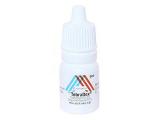
Buy Generic Tobradex (Obramycin/Dexamethasone) without prescription in Canada
In our Canadian pharmacy, you can buy Tobradex (Tobramycin/Dexamethasone) without a prescription, with delivery across Canada within 5‑14 days. Discreet and anonymous packaging.
Tobradex is a combination ophthalmic medication containing tobramycin, an aminoglycoside antibiotic, and dexamethasone, a potent corticosteroid. It is used to treat steroid‑responsive inflammatory eye conditions where a bacterial infection is present or suspected. Tobramycin kills susceptible bacteria by inhibiting protein synthesis, while dexamethasone suppresses the inflammatory response to chemical, immunological, or mechanical irritants, thereby reducing redness, swelling, and discomfort.
Usual adult dose: Ophthalmic suspension: 1 to 2 drops instilled into the affected eye(s) every 4 to 6 hours. During the initial 24 to 48 hours, the dose may be increased to 1 or 2 drops every 2 hours, then tapered gradually as improvement occurs. Ophthalmic ointment: a 1.25 cm (one‑half inch) ribbon applied into the conjunctival sac 3 to 4 times daily, or at bedtime as an adjunct to the drops.
Dosage form: Sterile ophthalmic suspension (0.3% tobramycin / 0.1% dexamethasone w/v) and sterile ophthalmic ointment (0.3% tobramycin / 0.1% dexamethasone w/w).
Onset of action: Anti‑inflammatory and antibacterial effects begin within hours of instillation. Peak aqueous humour concentrations of tobramycin are reached approximately 2 hours after a single dose. Symptomatic relief may be noticeable within 1–2 days; maximum benefit requires continued use as prescribed.
Duration of action: Approximately 4 to 6 hours per dose, supporting dosing every 4–6 hours. The ointment provides longer contact time on the ocular surface.
Alcohol recommendation: While topical ophthalmic use does not produce a direct drug interaction with alcohol, alcohol consumption may impair the body’s immune response and delay healing of the eye infection. Alcohol should be limited or avoided during treatment.
Most common side effects: Temporary blurred vision, eye redness (ocular hyperaemia), eyelid itching and swelling, eye discomfort, increased tearing, headache, and a metallic taste.
Would you like to try Tobradex (Tobramycin/Dexamethasone) without a prescription?
General Information about Tobradex (Tobramycin/Dexamethasone)
- INN (International Nonproprietary Name): Tobramycin and Dexamethasone
- Brand names available in Canada: Tobradex® (Novartis Pharmaceuticals Canada Inc.) is the primary brand. A generic version, Sandoz Tobramycin/Dexamethasone, received a DIN but was cancelled pre‑market. No interchangeable generics are currently listed.
- ATC code: S01CA01 (Dexamethasone and Antiinfectives)
- Dosage forms and strengths: Ophthalmic suspension: tobramycin 0.3% w/v (3 mg/mL) and dexamethasone 0.1% w/v (1 mg/mL). Ophthalmic ointment: tobramycin 0.3% w/w (3 mg/g) and dexamethasone 0.1% w/w (1 mg/g).
- Manufacturers in Canada: Novartis Pharmaceuticals Canada Inc., 385 Bouchard Blvd., Dorval, Quebec, H9S 1A9.
- Registration status in Canada: Approved by Health Canada. Marketed (suspension DIN 00778907; ointment DIN 00778915).
- OTC / Rx classification: Prescription only (Rx). Schedule I drug.
Mechanism of Action and Pharmacology
Tobradex combines two active agents with complementary mechanisms. Tobramycin is an aminoglycoside antibiotic that binds to the 30S ribosomal subunit of susceptible bacteria, causing misreading of messenger RNA and inhibiting normal protein synthesis; this results in a bactericidal effect against a broad range of gram‑positive and gram‑negative ocular pathogens, including Staphylococcus aureus, Staphylococcus epidermidis, Streptococcus pneumoniae, Pseudomonas aeruginosa, Escherichia coli, Klebsiella pneumoniae, and Haemophilus species. Dexamethasone is a potent corticosteroid that acts by inhibiting phospholipase A₂, thereby reducing arachidonic acid release and the formation of prostaglandins and leukotrienes; it also stabilises lysosomal membranes and suppresses the migration and activation of inflammatory cells. When applied topically to the eye, dexamethasone rapidly penetrates the cornea to achieve therapeutic concentrations in the aqueous humour. The suspension contains benzalkonium chloride 0.01% as a preservative; the ointment contains chlorobutanol 0.5%. Systemic absorption from ophthalmic administration is minimal, though measurable serum levels may occur with intensive or prolonged therapy, particularly in children and patients at risk.
Indications
- Steroid‑responsive inflammatory ocular conditions for which a corticosteroid is indicated and where bacterial ocular infection or a risk of bacterial ocular infection exists.
- Inflammatory conditions of the palpebral and bulbar conjunctiva, cornea, and anterior segment of the globe, including chronic anterior uveitis.
- Corneal injury from chemical, radiation, or thermal burns, or penetration of foreign bodies, where bacterial infection risk is present.
- May be used after ocular surgery (e.g., cataract surgery) to prevent inflammation and infection.
- Not indicated for the treatment of acute, untreated purulent infections, viral diseases of the cornea and conjunctiva (e.g., herpes simplex keratitis), fungal diseases, or mycobacterial infections.
Important Warnings and Precautions
At‑risk groups
- Pregnancy: There are no adequate and well‑controlled studies in pregnant women. Animal studies have shown reproductive toxicity after systemic administration. Tobramycin crosses the placenta after intravenous dosing; prolonged corticosteroid use during pregnancy has been associated with an increased risk of intra‑uterine growth retardation. Tobradex should be used in pregnancy only if the potential benefit to the mother clearly outweighs the potential risk to the foetus. Infants born to mothers who received substantial doses of corticosteroids during pregnancy should be observed for signs of hypoadrenalism.
- Breastfeeding: It is not known whether topical ophthalmic administration results in excretion of tobramycin or dexamethasone in human milk. Tobramycin is excreted in breast milk after systemic absorption; dexamethasone has a molecular weight small enough to allow transfer. A decision must be made whether to discontinue breastfeeding or discontinue the drug, taking into account the importance of the medication to the mother.
- Paediatrics (< 18 years): Safety and effectiveness have not been established in children. Paediatric patients are at greater risk for corticosteroid‑induced ocular hypertension, which may occur earlier than in adults, and are more susceptible to Cushing’s syndrome and adrenal suppression with intensive or long‑term therapy. Tobradex is not indicated for paediatric use.
- Elderly: No specific dose adjustment is required; however, elderly patients may have a higher incidence of ocular hypertension and cataract formation with prolonged therapy.
- Hepatic impairment: Caution is advised; systemic absorption of dexamethasone may be increased in patients with hepatic impairment, but clinically significant effects from topical ophthalmic administration are rare.
- Renal impairment: Caution is warranted if used concomitantly with systemic aminoglycosides, as cumulative toxicity (neurotoxicity, ototoxicity, nephrotoxicity) is possible.
- Neuromuscular disorders: Aminoglycosides, including tobramycin, may aggravate muscle weakness in patients with myasthenia gravis or Parkinson’s disease due to their potential to produce neuromuscular blockade.
- Diabetes mellitus: The risk of corticosteroid‑induced ocular hypertension and glaucoma is higher in patients with diabetes.
- Diseases causing thinning of the cornea or sclera: Perforation has been known to occur with the use of topical corticosteroids.
- Contact lens wearers: Contact lenses should not be worn during treatment of an eye infection. The suspension contains benzalkonium chloride, which can discolour soft contact lenses and may cause eye irritation. Contact lenses must be removed before instillation and should not be reinserted for at least 15 minutes after dosing.
Driving and alcohol
Temporary blurred vision or other visual disturbances may occur after instillation. Patients should not drive or operate machinery until vision has cleared. While topical ophthalmic administration results in minimal systemic absorption, alcohol may impair the immune response and delay healing of the infection; alcohol consumption should be limited or avoided during treatment.
Dosage Instructions
- Suspension: Shake well before use. Instill 1 to 2 drops into the conjunctival sac of the affected eye(s) every 4 to 6 hours. During the first 24 to 48 hours, the dose may be increased to 1 or 2 drops every 2 hours. The frequency should be reduced gradually as clinical improvement is observed. Care should be taken not to discontinue therapy prematurely. Each drop (approximately 0.037 mL) delivers 111 mcg tobramycin and 37 mcg dexamethasone.
- Ointment: Apply a one‑half inch (1.25 cm) ribbon of ointment into the conjunctival sac up to 3 or 4 times daily. The ointment may be used adjunctively with the suspension, typically applied at bedtime. Each one‑half inch ribbon (approximately 33 mg) contains 99 mcg tobramycin and 33 mcg dexamethasone.
- Concomitant ophthalmic products: If using other topical ocular medications, wait at least 5 minutes between applications. Eye ointments should be administered last.
- Missed dose: Instill the missed dose as soon as remembered. If it is close to the time of the next dose, skip the missed dose and resume the regular schedule. Do not double the dose.
- Duration of therapy: If no improvement is seen after 5 to 7 days, the medication should be discontinued and the patient re‑evaluated. Long‑term therapy requires regular ophthalmic examinations, including intraocular pressure monitoring.
Side Effects and Contraindications
- Common side effects: Ocular hyperaemia (redness), eyelid itching, eyelid swelling, conjunctival erythema, temporary blurred vision, increased tearing, dry eye, eye irritation, eye discomfort, headache, metallic taste (dysgeusia), nausea, and abdominal discomfort. These occur in less than 4% of patients and are typically mild.
- Serious side effects: Elevation of intraocular pressure (IOP) with possible development of glaucoma, optic nerve damage, posterior subcapsular cataract formation, delayed wound healing, secondary ocular infection (bacterial, fungal, viral, or parasitic), and corneal perforation in patients with thinned cornea or sclera. Cushing’s syndrome and adrenal suppression may occur with intensive or long‑term continuous therapy, particularly in children. Hypersensitivity reactions ranging from local effects to generalised reactions (erythema, urticaria, skin rash, anaphylaxis) have been reported.
- Post‑market reports: Eyelid ptosis, keratitis, mydriasis, erythema multiforme, pruritus, swelling of the face, and dizziness.
- Contraindications: Hypersensitivity to tobramycin, dexamethasone, other aminoglycosides, or any ingredient in the formulation. Herpes simplex keratitis. Vaccinia, varicella, and other viral diseases of the cornea and conjunctiva. Fungal diseases of the eye or untreated parasitic eye infections. Mycobacterial ocular infections, including tuberculosis of the eye. Acute purulent untreated infections of the eye. After uncomplicated removal of a corneal foreign body. Not for injection into the eye. Not for otic use.
Drug Interactions
- Systemic aminoglycosides: Concomitant administration of topical ocular tobramycin with systemic aminoglycoside antibiotics may increase total serum concentrations; cumulative neurotoxicity, ototoxicity, and nephrotoxicity should be monitored, especially in patients with renal impairment.
- Topical NSAIDs: Concomitant use of topical ophthalmic nonsteroidal anti‑inflammatory drugs and topical corticosteroids may increase the potential for, and severity of, corneal healing problems.
- CYP3A4 inhibitors: Drugs that inhibit CYP3A4 (e.g., ritonavir, cobicistat) may decrease the metabolism of dexamethasone, potentially increasing systemic exposure and the risk of adrenal suppression or Cushing’s syndrome. This combination should be avoided unless the benefit outweighs the increased risk; if used, patients should be monitored for systemic corticosteroid effects.
- Other neurotoxic, ototoxic, or nephrotoxic drugs: Caution should be exercised when Tobradex is used in patients receiving other drugs with these known adverse effects (e.g., loop diuretics, vancomycin, cisplatin).
Practical Advice
- Administration: Wash hands thoroughly before and after use. Shake the suspension bottle well. Tilt the head back, pull down the lower eyelid to form a pouch, and hold the dropper tip directly over the eye without touching the eye, eyelid, or any other surface. Instill the prescribed number of drops, then gently close the eye for 1–2 minutes. Apply gentle pressure to the inner corner of the eye (nasolacrimal occlusion) to reduce systemic absorption. Do not blink excessively or rub the eye. If using the ointment, apply a thin ribbon along the inside of the lower eyelid. Replace the cap tightly after each use.
- Monitoring: Regular ophthalmic examinations are recommended during prolonged therapy, including measurement of intraocular pressure and assessment for cataract formation. Patients should report any new or worsening eye symptoms (e.g., discharge, swelling, vision changes, eye pain) promptly.
- Storage: Store the suspension upright at room temperature (15–30 °C). Store the ointment at 2–25 °C. Protect from light and moisture. Keep out of reach and sight of children. Do not use beyond the expiry date printed on the packaging.
- Contact lenses: Remove contact lenses before instillation. They may be reinserted no sooner than 15 minutes after dosing. Do not wear contact lenses during active eye infection.
- Disposal: Do not flush medications down the sink or toilet or discard in household waste. Ask your pharmacist about proper disposal of unused or expired products.
Alternative Medications
- Tobramycin alone (Tobrex®): For bacterial eye infections without significant inflammation, tobramycin 0.3% ophthalmic solution or ointment may be sufficient.
- Dexamethasone alone (Maxidex®): For sterile inflammatory ocular conditions where antibiotics are not required, dexamethasone 0.1% ophthalmic suspension or ointment provides corticosteroid therapy without an antibiotic.
- Loteprednol/Tobramycin (Zylet®): A combination of loteprednol etabonate 0.5% (a corticosteroid designed for ocular use with lower IOP‑elevating potential) and tobramycin 0.3%. Not currently marketed in Canada; available in the United States.
- Dexamethasone/Neomycin/Polymyxin B (Maxitrol®): A triple combination corticosteroid–antibiotic ophthalmic suspension or ointment containing dexamethasone 0.1%, neomycin, and polymyxin B. Available in Canada and indicated for similar inflammatory conditions with infection risk.
- Prednisolone/Gentamicin (Pred‑G®): Prednisolone acetate 1% with gentamicin 0.3% ophthalmic suspension, combining a more potent corticosteroid with a different aminoglycoside antibiotic.
- Ciprofloxacin/Dexamethasone (Ciprodex®): A fluoroquinolone–corticosteroid combination for otic use; not approved for ophthalmic application, but illustrates the breadth of antibiotic‑steroid combinations.
- Monotherapy with separate agents: A healthcare provider may prescribe an antibiotic eye drop (e.g., moxifloxacin, gatifloxacin, tobramycin) together with a corticosteroid eye drop (e.g., prednisolone acetate 1%) as separate formulations, allowing independent titration.
Clinical Efficacy
The combination of tobramycin and dexamethasone as an ophthalmic formulation has been used in clinical practice since the late 1980s and its efficacy in controlling ocular inflammation while treating or preventing bacterial infection is well established. In a prospective, randomised, controlled multicentre study of patients undergoing cataract surgery, topical tobramycin‑dexamethasone was demonstrated to be non‑inferior to dexamethasone‑neomycin‑polymyxin for the control of postoperative inflammation, with comparable safety outcomes. Safety evaluations in healthy volunteers demonstrated that the combination is well tolerated, with 10–25% of subjects experiencing a 5–7 mm Hg rise in intraocular pressure, consistent with the known effect of ocular corticosteroids. Tobramycin provides broad‑spectrum coverage against the most common gram‑positive and gram‑negative ocular pathogens, and resistance rates remain relatively low. However, as with all antibiotics, prolonged use may promote overgrowth of non‑susceptible organisms, including fungi. The recommended treatment duration should not be exceeded; efficacy is typically evident within 5–7 days, and longer courses require justification and ophthalmic monitoring.
Important:
Tobradex (tobramycin/dexamethasone) is a prescription medication for topical ophthalmic use only. It must not be injected into the eye or used in the ear. Use only under the supervision of a qualified healthcare professional and for the full prescribed duration, even if symptoms improve. Prolonged or inappropriate use may lead to glaucoma, cataract formation, fungal superinfection, or antibiotic resistance. If you experience symptoms such as worsening eye pain, loss of vision, eyelid swelling, severe headache, or signs of a serious allergic reaction (e.g., rash, swelling of the face or throat, difficulty breathing), discontinue use and seek immediate medical attention. Do not wear contact lenses during treatment. This information is not a substitute for professional medical advice, diagnosis, or treatment.


| Shipping method | Delivery time | Price | |
 Delivery Delivery |
14-21 days | 14.95$ | Tracking# available in 4 days |
 Delivery Delivery |
9-14 days | 30$ | Tracking# available in 2 days |
- Shipping worldwide
- Confidentiality and anonymity guarantee
- Safe and secure
- Discrete looking packages
- Dispatch orders within 24 hours
- 100% success delivery


