


 Secure and Reliable
  High quality
  Worldwide shipping
  Bonuses and Discounts
  Money back Guarantee
 - Bestsellers
- Alcoholism
- COVID-19
- Allergy
- Anti Fungal
- Alzheimers
- Anti Viral
- Anti-Depressants
- Anti-Inflammatory
- Antibacterial
- Antiparasitic
- Antibiotics
- Arthritis
- Asthma
- Birth Control
- Blood Pressure
- Cancer
- Cardiovascular
- Cholesterol
- Diabetes
- Diuretics
- Erectile Dysfunction
- Eye Drop
- Gastro Health
- General Health
- Hair Loss
- Hepatitis C Virus (HCV)
- HIV
- Hormones
- Men's ED Packs
- Men's Health
- Mental Illness
- Motion Sickness
- Muscle Relaxant
- Pain Relief
- Parkinson’s Disease
- Veterinary Medicines
- Quit Smoking
- Vitamins
- Skin Care
- Sleeping Aids
- Weight Loss
- Women's Health
Generic Tofisopam ( Tofisopam )
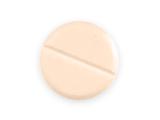
Buy Generic Tofisopam (Tofisopam) without prescription in Canada
In our Canadian pharmacy, you can buy Tofisopam without a prescription, with delivery across Canada within 5‑14 days. Discreet and anonymous packaging.
Tofisopam is an atypical anxiolytic belonging to the 2,3‑benzodiazepine (homophthalazine) class, used for the treatment of anxiety, stress‑related tension, and autonomic (vegetative) disturbances such as palpitations, sweating, and headache. Unlike classical 1,4‑benzodiazepines, it does not produce significant sedation, muscle relaxation, or anticonvulsant effects, and carries a markedly lower risk of physical dependence and withdrawal syndrome. It acts as a daytime tranquilliser that can reduce emotional stress while preserving cognitive performance and daytime alertness.
Usual adult dose: The typical dose is 50–100 mg (1–2 tablets of 50 mg) taken 1 to 3 times daily, with a total daily dose of 50–300 mg. The maximum recommended daily dose is 300 mg. For occasional or situational anxiety, 1–2 tablets can be taken as a single dose. The dose regimen should be individualised according to the patient’s condition, clinical form of the disease, and individual sensitivity. Elderly patients and those with renal impairment generally require a reduction of the daily dose by approximately half.
Dosage form: Oral tablets, 50 mg.
Onset of action: Tofisopam is rapidly and almost completely absorbed from the gastrointestinal tract, with maximum plasma concentration reached within 1‑2 hours after an oral dose. Symptomatic relief of anxiety and vegetative symptoms may be noticed shortly after absorption, although full therapeutic benefit often develops over several days of regular administration.
Duration of action: The elimination half‑life is approximately 6–8 hours. With the recommended three‑times‑daily dosing regimen, therapeutic plasma levels are maintained throughout the day. Steady‑state concentrations are achieved within approximately 3 days of regular administration, and the drug does not accumulate in the body.
Alcohol recommendation: Alcohol consumption should be avoided during treatment with Tofisopam. Although tofisopam has a more favourable interaction profile with ethanol compared with classical benzodiazepines, it can still potentiate the central nervous system depressant effects of alcohol, leading to additive impairment of psychomotor skills and increased sedation.
Most common side effects: The most commonly reported side effects are generally mild and transient, and may include loss of appetite, dryness of the mouth, nausea, mild headache, dizziness, insomnia (difficulty sleeping), and gastrointestinal discomfort. These effects usually resolve with continued treatment or dose adjustment and rarely require discontinuation of therapy.
Would you like to try Tofisopam without a prescription?
General Information about Tofisopam
- INN (International Nonproprietary Name): Tofisopam
- Brand names available in Canada: Tofisopam is not approved for sale in Canada by Health Canada and no brand‑name or generic products are currently marketed in the country. Internationally, it is marketed under brand names including Grandaxin® (Hungary, Russia, and several other European and Asian countries), Emandaxin®, and Sériel®.
- ATC code: N05BA23 (benzodiazepine derivatives, anxiolytics).
- Dosage forms and strengths: Tablets of 50 mg. In some international markets, 100 mg tablets are also available.
- Manufacturers in Canada: None. Tofisopam is not manufactured or commercially distributed in Canada. The product is obtained by our pharmacy via the international supply chain for personal importation.
- Registration status in Canada: Not marketed in Canada. Tofisopam has not been issued a Notice of Compliance by Health Canada and is not listed in the Canadian Drug Product Database. It is, however, approved and widely available in numerous countries worldwide, including Hungary, France, Japan, the Czech Republic, Slovakia, Lithuania, Latvia, Argentina, India, and Russia.
- OTC / Rx classification: Prescription only (Rx). A valid prescription from a licensed Canadian healthcare professional is required for personal importation.
Mechanism of Action and Pharmacology
Tofisopam is a 2,3‑benzodiazepine (homophthalazine) that differs fundamentally in its pharmacological profile from classical 1,4‑benzodiazepines. Unlike conventional benzodiazepines, tofisopam does not bind to the benzodiazepine binding site of the gamma‑aminobutyric acid type A (GABAA) receptor. Instead, its mechanism of action is believed to involve several complementary pathways. Recent research has demonstrated that tofisopam acts as an isoenzyme‑selective inhibitor of phosphodiesterases (PDEs), with the highest affinity for PDE‑4A1 (0.42 μM), followed by PDE‑10A1 (0.92 μM), PDE‑3 (1.98 μM), and PDE‑2A3 (2.11 μM). By inhibiting these enzymes, tofisopam increases intracellular concentrations of cyclic adenosine monophosphate (cAMP) and cyclic guanosine monophosphate (cGMP), which are key second messengers involved in neuronal signalling and the modulation of anxiety, mood, and autonomic function. This PDE‑inhibitory activity is thought to underlie its unique anxiolytic and mild psychostimulant properties, as well as the emerging evidence for its potential utility in the negative symptoms of psychosis.
In addition to PDE inhibition, tofisopam exhibits mixed dopamine agonist and antagonist‑like properties in a dose‑dependent manner: at lower doses, it may facilitate dopaminergic transmission, contributing to its mild stimulant and anti‑apathy effects, while at higher doses it can inhibit dopaminergic activity, producing effects that resemble those of neuroleptics (e.g., catalepsy and ptosis in animal models). Tofisopam has also been shown to enhance the binding of ligands to GABAA receptors in a manner similar to barbiturates, rather than by directly occupying the benzodiazepine site, and it restores autonomic abnormalities induced by stress loading, possibly via intervention in the central autonomic area of the hypothalamus.
After oral administration, tofisopam is rapidly and almost completely absorbed from the gastrointestinal tract. Peak plasma concentrations are reached within 1–2 hours, after which plasma levels decline monoexponentially. Protein binding is approximately 50%. Tofisopam undergoes extensive first‑pass hepatic metabolism, primarily via demethylation. The (R)‑enantiomer is demethylated mainly by CYP2C9, whereas the (S)‑enantiomer is primarily metabolised by CYP3A4. The metabolites are pharmacologically inactive and are excreted predominantly in the urine (60–80%) as conjugates with glucuronic acid, with a smaller fraction (approximately 30%) eliminated in the faeces. The elimination half‑life is 6–8 hours. Steady‑state plasma concentrations are reached within 3 days of regular administration, and no drug accumulation occurs. The drug does not significantly impair psychomotor or intellectual performance at therapeutic doses and has a wide therapeutic index.
Indications
- Anxiety disorders: For the treatment of generalised anxiety disorder (GAD) and other neurotic and stress‑related conditions accompanied by emotional tension, autonomic disturbances (palpitations, sweating, headache, malaise), moderately expressed anxiety, apathy, decreased activity, and fatigue.
- Psychosomatic and somatic disorders: States accompanied by vegetative dysfunction, including cardialgia (as monotherapy or in combination with other drugs), climacteric syndrome (as an independent agent or in combination with hormonal therapy), premenstrual syndrome, and autonomic imbalance.
- Reactive depression: Mild depressive states with predominantly psychopathological symptoms, where anxiety is a prominent feature.
- Post‑traumatic stress disorder (PTSD): For the management of anxiety and hyperarousal symptoms associated with PTSD.
- Alcohol withdrawal syndrome: For the alleviation of anxiety, agitation, and autonomic symptoms during alcohol withdrawal, including prophylaxis and treatment of delirium (short‑course therapy of several days to 3‑6 weeks).
- Conditions where muscle‑relaxant anxiolytics are contraindicated: Myasthenia gravis, myopathies, neurogenic muscular atrophies, and other pathological conditions with secondary neurotic symptoms, because tofisopam lacks clinically significant muscle‑relaxant effects.
- Off‑label uses under investigation: The D‑enantiomer (dextofisopam) is in phase II clinical trials in the United States for the treatment of irritable bowel syndrome (IBS). Preliminary research also suggests a potential role for tofisopam as an adjuvant treatment for the negative symptoms of psychosis.
Important Warnings and Precautions
At‑risk groups
- Pregnancy: Tofisopam is contraindicated during the first trimester of pregnancy. There are no adequate and well‑controlled studies of tofisopam in pregnant women. The drug crosses the placental barrier. It should be used during the second and third trimesters only if the potential benefit clearly outweighs the potential risk to the foetus. Women of childbearing potential should use effective contraception during treatment.
- Breastfeeding: Tofisopam is excreted in breast milk. Breastfeeding is contraindicated during treatment. A decision must be made whether to discontinue breastfeeding or to avoid the use of the medication, taking into account the importance of the drug to the mother.
- Paediatrics (< 18 years): The safety and efficacy of tofisopam in children and adolescents have not been established. Use in paediatric patients is contraindicated.
- Elderly: Elderly patients may be more sensitive to the effects of tofisopam. The daily dose should be reduced by approximately half in geriatric patients. Particular caution is advised in patients with age‑related decline in hepatic or renal function, organic brain changes (such as cerebral atherosclerosis), and in those at increased risk of falls.
- Hepatic impairment: Tofisopam is extensively metabolised in the liver. Use with caution in patients with hepatic impairment, as drug clearance may be reduced. Patients with decompensated chronic liver disease should be closely monitored.
- Renal impairment: The daily dose should be reduced by approximately half in patients with renal insufficiency, as the drug and its inactive metabolites are excreted primarily by the kidneys.
- Respiratory impairment: Tofisopam is contraindicated in patients with decompensated respiratory failure. It should be used with caution in patients with a history of acute respiratory failure, decompensated chronic respiratory distress, or sleep apnoea syndrome (in the anamnesis).
- Psychiatric conditions: Tofisopam is contraindicated in conditions accompanied by severe psychomotor agitation, aggressiveness, or severe depression. It is not recommended for the treatment of chronic psychosis, phobias, or obsessive‑compulsive disorders. In patients with pre‑existing depression, tofisopam may unmask or exacerbate depressive symptoms.
- Epilepsy: Use with caution in patients with epilepsy, as tofisopam does not possess anticonvulsant properties and, although it enhances the anticonvulsant action of classical 1,4‑benzodiazepines, abrupt discontinuation could theoretically lower the seizure threshold.
- Glaucoma: Use with caution in patients with angle‑closure glaucoma.
- Substance abuse and dependence: Although tofisopam carries a significantly lower risk of dependence than classical benzodiazepines, caution should be exercised in patients with a history of drug or alcohol abuse. The recommended maximum duration of continuous therapy is 12 weeks to minimise the potential for psychological dependence.
- Concomitant use with immunosuppressants: Simultaneous administration with tacrolimus, sirolimus, or cyclosporine is contraindicated.
- Lactose intolerance: The tablets contain lactose monohydrate and should not be used by patients with galactose intolerance, congenital lactase deficiency, or glucose‑galactose malabsorption syndrome.
- Allergy: Do not take Tofisopam if you have a known hypersensitivity to tofisopam, other benzodiazepine derivatives, or any excipient in the tablet formulation.
Driving and alcohol
Tofisopam is a daytime anxiolytic that generally does not impair psychomotor skills, memory, or cognitive abilities at therapeutic doses. Unlike classical 1,4‑benzodiazepines such as diazepam, tofisopam has been shown in clinical studies not to significantly impair driving‑related skills. However, individual sensitivity varies, and some patients may experience dizziness, drowsiness, or fatigue, particularly at the start of therapy or after dose increases. Patients should determine their individual response before driving or operating hazardous machinery. Alcohol should be avoided during treatment. Although tofisopam has a less pronounced interaction with ethanol than diazepam, concomitant consumption of alcohol can still produce additive psychomotor impairment, sedation, and increased reaction time, which may pose a risk during driving.
Dosage Instructions
- Standard adult dose: The usual dose is 50–100 mg (1–2 tablets) administered 1 to 3 times daily, providing a total daily dose of 50–300 mg. The maximum daily dose is 300 mg. For occasional (irregular) use, 1–2 tablets can be taken as a single dose.
- Elderly patients: The daily dose should be reduced by approximately 50% (e.g., 25–50 mg 1–3 times daily).
- Renal impairment: The daily dose should be reduced by approximately 50%.
- Hepatic impairment: Dose reduction may be required; use with caution and titrate according to clinical response.
- Alcohol withdrawal syndrome: Short‑course therapy of several days to 3‑6 weeks, with dosing individualised according to the severity of withdrawal symptoms.
- Administration: Tablets should be swallowed whole with a glass of water, with or without food. To prevent sleep disturbances, the last daily dose should be taken no later than 3–4 p.m. The tablet may be divided along the score line if a half‑tablet (25 mg) dose is required.
- Missed dose: If a dose is missed, it should be taken as soon as remembered unless it is close to the time of the next scheduled dose. In that case, the missed dose should be skipped, and the regular dosing schedule resumed. Do not double the dose.
- Duration of therapy: Tofisopam is intended for short‑ to medium‑term treatment. The recommended maximum duration of continuous therapy is 12 weeks. Long‑term use beyond this period should be re‑evaluated periodically by the prescribing physician. Abrupt discontinuation after prolonged high‑dose therapy may cause withdrawal symptoms in susceptible individuals; a gradual dose taper is recommended.
Side Effects and Contraindications
- Most common side effects (generally mild and transient): Loss of appetite, dry mouth, nausea, mild headache, dizziness, insomnia (difficulty sleeping), and gastrointestinal discomfort. These effects typically resolve spontaneously with continued treatment or after dose adjustment.
- Less common side effects: Allergic skin reactions (rash, urticaria, pruritus), constipation, muscle pain, and fatigue. Excitement, irritability, or sleep disturbances may occur in some individuals.
- Rare but notable effects: In rare cases, particularly at higher doses or in sensitive individuals, confusion, memory problems, and paradoxical reactions (agitation, restlessness) have been reported. Very rare cases of leukopenia have been documented.
- Dependence and withdrawal: Tofisopam has a significantly lower abuse and dependence potential compared with classical 1,4‑benzodiazepines. In a 2024 randomised controlled trial, withdrawal symptoms after tofisopam discontinuation resembled those of placebo, indicating minimal physical dependence. However, psychological dependence can develop with prolonged use, particularly in patients with a history of substance abuse. Withdrawal symptoms upon abrupt discontinuation after prolonged high‑dose therapy may include mild anxiety, restlessness, and sleep disturbance.
- Contraindications: Hypersensitivity to tofisopam, other benzodiazepine derivatives, or any tablet excipient. Severe psychomotor agitation, aggressiveness, or severe depression. Decompensated respiratory failure. Sleep apnoea syndrome (in the anamnesis). First trimester of pregnancy and breastfeeding. Simultaneous use of tacrolimus, sirolimus, or cyclosporine. Galactose intolerance, congenital lactase deficiency, or glucose‑galactose malabsorption syndrome. Children and adolescents under 18 years of age.
Drug Interactions
- Immunosuppressants (contraindicated): Simultaneous administration with tacrolimus, sirolimus, or cyclosporine is strictly contraindicated, as tofisopam may significantly increase plasma levels of these drugs.
- Central nervous system depressants: Concomitant use with other CNS depressants—including opioids, barbiturates, general anaesthetics, sedative antihistamines, clonidine, and other anxiolytics or hypnotics—may produce additive respiratory depression and sedation. Dose adjustment and close monitoring are required.
- Alcohol: Tofisopam in combination with ethanol can produce additive impairment of psychomotor skills. Although the interaction is less pronounced than with diazepam, alcohol consumption should be avoided during treatment.
- Antidepressants and antipsychotics: Caution is advised when tofisopam is co‑administered with tricyclic antidepressants, monoamine oxidase (MAO) inhibitors, selective serotonin reuptake inhibitors (SSRIs), phenothiazine antipsychotics, and other psychotropic drugs, as mutual potentiation of central nervous system effects may occur. Tofisopam may increase plasma levels of amisulpride, with a potential risk of life‑threatening cardiac arrhythmias; this combination should be avoided.
- Antihypertensive agents: Tofisopam may potentiate the blood‑pressure‑lowering effect of antihypertensive and diuretic drugs. Blood pressure should be monitored when these drugs are co‑administered.
- Drugs affecting hepatic metabolism: Cimetidine and propranolol may reduce the clearance of tofisopam, prolonging its elimination half‑life. Rifampicin (a CYP3A4 inducer) may increase the elimination of tofisopam, potentially reducing its therapeutic efficacy. Isoniazid may inhibit tofisopam metabolism, leading to increased plasma concentrations.
- Other interactions: Tofisopam may increase the plasma concentration of digoxin, increasing the risk of digoxin toxicity. It may reduce the therapeutic efficacy of levodopa. Co‑administration with primidone may require adjustment of primidone dosage. Tofisopam enhances the anticonvulsant action of classical 1,4‑benzodiazepines (e.g., diazepam) but does not affect the anticonvulsant activity of sodium valproate, carbamazepine, phenobarbital, or phenytoin.
Practical Advice
- Administration: Take Tofisopam tablets exactly as prescribed. They may be taken with or without food. Swallow the tablet whole with a glass of water; if a half‑tablet is prescribed, the tablet may be divided along the score line. To minimise the risk of sleep disturbances, take the last dose of the day no later than 3–4 p.m. Do not abruptly discontinue the medication after prolonged use; your doctor will advise a gradual dose reduction.
- Monitoring: No specific routine laboratory monitoring is required during treatment with tofisopam. However, patients should be periodically evaluated for clinical response, the emergence of side effects, and signs of psychological dependence. In patients with pre‑existing hepatic or renal impairment, liver and renal function tests should be performed at baseline and periodically during therapy.
- Storage: Store at room temperature (15‑30 °C) in a dry place, protected from moisture, heat, and light. Keep the tablets in their original packaging and out of the reach and sight of children.
- Lifestyle: Tofisopam is a daytime anxiolytic that is compatible with an active lifestyle. Maintain a regular sleep schedule and avoid excessive caffeine intake, which may exacerbate anxiety symptoms. Engage in stress‑reduction techniques such as regular exercise, relaxation exercises, and adequate rest. Do not consume alcohol during therapy. If you are scheduled for surgery requiring general anaesthesia, inform the anaesthetist that you are taking tofisopam.
- When to seek medical review: Contact your doctor if anxiety symptoms do not improve within 2–4 weeks of starting therapy, if you experience new or worsening depressive symptoms, or if you develop any signs of an allergic reaction (rash, itching, swelling of the face or throat). Seek emergency medical attention for signs of a severe hypersensitivity reaction (anaphylaxis) such as difficulty breathing, severe dizziness, or loss of consciousness.
- Disposal: Return unused or expired medication to a pharmacy for safe disposal. Do not flush down the toilet or discard in household waste.
Alternative Medications
- Other benzodiazepine anxiolytics: Diazepam (Valium), lorazepam (Ativan), alprazolam (Xanax), and clonazepam (Rivotril) are classical 1,4‑benzodiazepines available in Canada. They are effective anxiolytics but carry higher risks of sedation, cognitive impairment, dependence, and withdrawal syndrome. They are generally recommended for short‑term use only. Unlike tofisopam, they possess anticonvulsant and muscle‑relaxant properties.
- Non‑benzodiazepine anxiolytics: Buspirone (Buspar) is a non‑benzodiazepine anxiolytic approved in Canada for the treatment of generalised anxiety disorder. It is non‑sedating and has no dependence potential, but its onset of action is slower (2–4 weeks), and it is not effective for acute anxiety relief.
- Selective serotonin reuptake inhibitors (SSRIs): Escitalopram (Cipralex), paroxetine (Paxil), and sertraline (Zoloft) are first‑line, long‑term treatments for generalised anxiety disorder and other anxiety disorders. They do not cause dependence and are suitable for long‑term maintenance therapy, but they require 4–6 weeks for full effect and have a different side‑effect profile.
- Serotonin‑norepinephrine reuptake inhibitors (SNRIs): Venlafaxine (Effexor XR) and duloxetine (Cymbalta) are effective for generalised anxiety disorder and are first‑line agents in Canadian clinical practice guidelines.
- Pregabalin (Lyrica): An anticonvulsant structurally related to gabapentin, approved in Canada for the treatment of generalised anxiety disorder. It has a lower dependence potential than benzodiazepines and provides relatively rapid anxiolytic effect, though it is a controlled substance (Schedule IV in the U.S.; available by prescription in Canada).
- Non‑pharmacological approaches: Cognitive behavioural therapy (CBT), mindfulness‑based stress reduction (MBSR), relaxation training, and psychoeducation are evidence‑based, first‑line interventions for anxiety disorders. They can be used alone or in combination with pharmacotherapy and have no risk of pharmacological side effects or dependence.
Clinical Efficacy
Tofisopam has been in clinical use since its original development in Hungary in the 1970s and is approved for the treatment of anxiety and autonomic disturbances in numerous countries across Europe, Asia, and South America. A 2024 double‑blind, randomised, placebo‑controlled, crossover pilot study published in Pharmaceuticals compared the effects of tofisopam (50 mg three times daily), diazepam (5 mg three times daily), and placebo in 66 outpatients with generalised anxiety disorder. The mean improvement on the Hamilton Anxiety Rating Scale (HAM‑A) was significantly greater in both the tofisopam and diazepam groups compared with placebo. There were no statistically significant differences in anxiolytic efficacy between tofisopam and diazepam. However, tofisopam was associated with significantly fewer adverse effects, and withdrawal symptoms after its discontinuation resembled those of placebo. Tofisopam did not impair cognitive abilities, and participants reported less fatigue, dizziness, calmness, and passiveness compared with diazepam. These findings support the classification of tofisopam as a homophthalazine with a distinct pharmacological profile.
Earlier clinical experience and observational studies have documented the efficacy of tofisopam in the treatment of anxiety states accompanied by autonomic (vegetative) dysfunction. A study in dermatological patients with pruritus, hyperhidrosis, urticaria, and alopecia areata reported a global improvement rate of 100% in urticaria and 50% in pruritus cutaneus, hyperhidrosis, and alopecia areata. A recent study from India reported that 22 out of 30 patients with organic catatonia (71%) responded to treatment with 50–100 mg/day of tofisopam. Preclinical research has further demonstrated that tofisopam ameliorates dizocilpine‑induced behavioural changes in a mouse model of negative symptoms of psychosis, suggesting potential utility as an adjuvant therapy in psychotic disorders. The D‑enantiomer, dextofisopam, has shown moderate efficacy in phase II clinical trials for irritable bowel syndrome (IBS) in the United States, where tofisopam itself remains unapproved. Overall, tofisopam represents a well‑tolerated, non‑sedating anxiolytic option with a favourable safety profile and a unique mechanism of action distinct from classical benzodiazepines.
Important:
Tofisopam is a prescription medication that has not been approved for marketing by Health Canada. It should only be used under the close supervision of a qualified healthcare professional. It is a 2,3‑benzodiazepine (homophthalazine) anxiolytic that is structurally related to classical benzodiazepines but differs in its mechanism of action, clinical effects, and safety profile. While it has a significantly lower potential for sedation, cognitive impairment, physical dependence, and withdrawal symptoms compared with classical 1,4‑benzodiazepines, it is not entirely free of these risks. Psychological dependence may develop with prolonged use, particularly in patients with a history of substance abuse. Do not exceed the maximum recommended daily dose of 300 mg, and do not continue therapy beyond 12 weeks without medical review. Abrupt discontinuation after prolonged high‑dose therapy should be avoided; your doctor will advise a gradual dose taper. Alcohol should be avoided during treatment. Tofisopam is contraindicated during the first trimester of pregnancy, during breastfeeding, in children under 18, and in patients with severe respiratory failure, severe psychomotor agitation, or known hypersensitivity to benzodiazepines. If you experience signs of a severe allergic reaction (such as rash, itching, swelling of the face, lips, tongue, or throat, or difficulty breathing), discontinue the medication immediately and seek emergency medical attention. This information is not a substitute for professional medical advice, diagnosis, or treatment.


| Shipping method | Delivery time | Price | |
 Delivery Delivery |
14-21 days | 14.95$ | Tracking# available in 4 days |
 Delivery Delivery |
9-14 days | 30$ | Tracking# available in 2 days |
- Shipping worldwide
- Confidentiality and anonymity guarantee
- Safe and secure
- Discrete looking packages
- Dispatch orders within 24 hours
- 100% success delivery


