


 Secure and Reliable
  High quality
  Worldwide shipping
  Bonuses and Discounts
  Money back Guarantee
 - Bestsellers
- Alcoholism
- COVID-19
- Allergy
- Anti Fungal
- Alzheimers
- Anti Viral
- Anti-Depressants
- Anti-Inflammatory
- Antibacterial
- Antiparasitic
- Antibiotics
- Arthritis
- Asthma
- Birth Control
- Blood Pressure
- Cancer
- Cardiovascular
- Cholesterol
- Diabetes
- Diuretics
- Erectile Dysfunction
- Eye Drop
- Gastro Health
- General Health
- Hair Loss
- Hepatitis C Virus (HCV)
- HIV
- Hormones
- Men's ED Packs
- Men's Health
- Mental Illness
- Motion Sickness
- Muscle Relaxant
- Pain Relief
- Parkinson’s Disease
- Veterinary Medicines
- Quit Smoking
- Vitamins
- Skin Care
- Sleeping Aids
- Weight Loss
- Women's Health
Generic Topamax ( Topiramate )
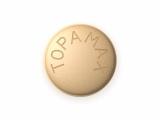
Buy Generic Topamax (Topiramate) without prescription in Canada
In our Canadian pharmacy, you can buy Topamax (Topiramate) without a prescription, with delivery across Canada within 5‑14 days. Discreet and anonymous packaging.
Topamax (topiramate) is a sulfamate‑substituted monosaccharide classified as an anticonvulsant medication. It is used for the management of certain types of epileptic seizures and for the prevention of migraine headaches in adults. Topiramate exerts its therapeutic effects through multiple mechanisms, including the blockade of voltage‑dependent sodium channels, enhancement of the activity of the neurotransmitter gamma‑aminobutyric acid (GABA) at GABA‑A receptors, antagonism of the AMPA/kainate subtype of the glutamate receptor, and inhibition of the carbonic anhydrase enzyme, particularly isozymes II and IV[reference:0].
Usual adult dose: For monotherapy epilepsy in adults (10 years and older), the recommended total daily dose is 400 mg/day in two divided doses, achieved by gradual titration. The recommended titration schedule starts with 25 mg twice daily in the evening for the first week, then increasing by 50 mg/day (in two divided doses) each subsequent week until the target dose is reached[reference:1]. For migraine prophylaxis, the recommended dose is 100 mg/day administered in two divided doses[reference:2]. All therapy must be initiated at a low dose (25‑50 mg/day) followed by upward titration to an effective dose in increments of 25 to 50 mg/day every week, based on individual tolerance and response[reference:3].
Dosage form: Topamax is available as oral tablets (25 mg, 50 mg, 100 mg, and 200 mg) and sprinkle capsules (15 mg, 25 mg).
Onset of action: Topiramate usually needs to be taken for at least 2 weeks before a noticeable improvement in symptoms occurs. For migraine prevention, a reduction in headache frequency may be observed within the first month of reaching the target dose, with maximum benefit often seen after 2 to 3 months of continuous therapy[reference:4].
Duration of action: The mean plasma elimination half‑life of topiramate is approximately 21 hours. Steady‑state plasma concentrations are reached in about 4 days in patients with normal renal function, supporting twice‑daily dosing[reference:5].
Alcohol recommendation: Alcohol consumption should be strictly avoided during treatment with Topamax. Concurrent use of topiramate and alcohol can cause serious side effects, including severe sleepiness, dizziness, and an increased risk of seizures. Alcohol may also worsen the central nervous system depressant effects of the medication[reference:6].
Most common side effects: Dizziness, somnolence (drowsiness), fatigue, nervousness, difficulty with memory or concentration, confusion, paresthesia (tingling sensation in the hands and feet), weight loss, and loss of appetite. In children, oligohidrosis (decreased sweating) and hyperthermia (overheating) are particularly important to monitor. Kidney stones occur with an incidence of approximately 1.5%[reference:7][reference:8].
Would you like to try Topamax (Topiramate) without a prescription?
General Information about Topamax (Topiramate)
- INN (International Nonproprietary Name): Topiramate
- Brand names available in Canada: Topamax® (Janssen Inc.). Multiple generic formulations are widely available, including APO‑Topiramate (Apotex Inc.), TEVA‑Topiramate (Teva Canada Limited), Sandoz Topiramate (Sandoz Canada Inc.), PMS‑Topiramate (Pharmascience Inc.), AURO‑Topiramate (Auro Pharma Inc.), JAMP‑Topiramate (JAMP Pharma Corporation), MYLAN‑Topiramate, ACH‑Topiramate, and GLN‑Topiramate, among others[reference:9].
- ATC code: N03AX11[reference:10]
- Dosage forms and strengths: Tablets: 25 mg, 50 mg, 100 mg, and 200 mg. Sprinkle capsules: 15 mg and 25 mg.
- Manufacturers in Canada: Janssen Inc., Apotex Inc., Teva Canada Limited, Sandoz Canada Inc., Pharmascience Inc., Auro Pharma Inc., JAMP Pharma Corporation, and other generic manufacturers.
- Registration status in Canada: Approved by Health Canada (Date of initial authorization: March 6, 1997)[reference:11]. Marketed (DIN: 02239908 for Topamax 25 mg)[reference:12].
- OTC / Rx classification: Prescription only (Rx). Schedule I drug under the Controlled Drugs and Substances Act.
Mechanism of Action and Pharmacology
The precise mechanisms by which topiramate exerts its anticonvulsant and migraine‑prophylactic effects are not fully known; however, preclinical studies have revealed four key pharmacological properties that likely contribute to its therapeutic efficacy[reference:13]:
1. Blockade of voltage‑dependent sodium channels: Topiramate stabilises the inactivated state of neuronal sodium channels, thereby limiting sustained repetitive firing of action potentials.
2. Enhancement of GABA activity: Topiramate potentiates the activity of the inhibitory neurotransmitter gamma‑aminobutyric acid (GABA) at certain subtypes of the GABA‑A receptor, augmenting chloride‑ion flux and inhibitory tone in the brain[reference:14].
3. Antagonism of glutamate receptors: Topiramate blocks the AMPA/kainate subtype of the excitatory glutamate receptor, reducing neuronal excitation[reference:15].
4. Inhibition of carbonic anhydrase: Topiramate is a weak inhibitor of the carbonic anhydrase enzyme, particularly isozymes II and IV. This property is linked to some of its characteristic side effects, such as metabolic acidosis, kidney stone formation, and paresthesia[reference:16].
Following oral administration, topiramate is rapidly absorbed, with peak plasma concentrations occurring at approximately 2 hours after a 400 mg dose. The relative bioavailability from the tablet formulation is about 80% compared with a solution, and bioavailability is not affected by food. Topiramate is 15% to 41% bound to human plasma proteins over a blood concentration range of 0.5 to 250 mcg/mL. It is not extensively metabolised in humans; approximately 70% of an administered dose is eliminated unchanged in the urine. Six minor metabolites have been identified, none of which constitutes more than 5% of the dose. The mean plasma elimination half‑life is 21 hours in patients with normal renal function[reference:17][reference:18].
Indications
- Epilepsy (Monotherapy): Initial monotherapy for the treatment of partial‑onset or primary generalized tonic‑clonic seizures in patients aged 2 years and older[reference:19].
- Epilepsy (Adjunctive therapy): Adjunctive therapy for the treatment of partial‑onset seizures, primary generalized tonic‑clonic seizures, and seizures associated with Lennox‑Gastaut syndrome in patients aged 2 years and older[reference:20].
- Migraine Prophylaxis: Preventive treatment of migraine in patients 12 years of age and older[reference:21].
- Off‑label uses: Topiramate is sometimes prescribed off‑label for alcohol dependence, aggressive or impulsive behaviour, bipolar disorder, weight loss, and certain neuropathic pain conditions[reference:22].
Important Warnings and Precautions
At‑risk groups
- Pregnancy and fetal toxicity: Topiramate can cause fetal harm when administered during pregnancy. In‑utero exposure is associated with an increased risk of major congenital malformations, including oral clefts (cleft lip and/or palate), and intrauterine growth restriction. Topiramate should be used during pregnancy only if the potential benefit justifies the potential risk. Women of childbearing potential should use effective contraception during treatment. If pregnancy occurs, patients should be informed of the potential hazard to the foetus[reference:23].
- Breastfeeding: Topiramate is excreted in human breast milk. Because of the potential for serious adverse reactions in a nursing infant, a decision should be made whether to discontinue breastfeeding or to discontinue the drug, taking into account the importance of the medication to the mother[reference:24].
- Paediatric use: Safety and effectiveness in patients younger than 2 years of age have not been established for most indications. Topiramate is associated with oligohidrosis (decreased sweating) and hyperthermia, particularly in paediatric patients. Children should be closely monitored for evidence of decreased sweating and increased body temperature, especially in hot weather[reference:25].
- Elderly: No dose adjustment is required based solely on age. However, elderly patients may have age‑related decreases in renal function and may be more susceptible to the cognitive and sedative side effects of topiramate. Dose selection should be cautious, and renal function should be assessed.
- Renal impairment: Topiramate is primarily eliminated by the kidneys. In patients with known renal impairment (creatinine clearance less than 70 mL/min), one‑half of the usual starting and maintenance dose is recommended.
- Hepatic impairment: Topiramate should be used with caution in patients with hepatic impairment, as clearance may be decreased.
- Acute myopia and secondary angle‑closure glaucoma: Topiramate can cause an acute syndrome consisting of acute myopia (sudden nearsightedness) associated with secondary angle‑closure glaucoma. Symptoms typically occur within the first month of therapy and include blurred vision, eye pain, and redness. The primary treatment is immediate discontinuation of topiramate as rapidly as possible in the judgement of the treating physician. If left untreated, this condition can lead to permanent vision loss[reference:26].
- Oligohidrosis and hyperthermia: Infrequently, topiramate has been associated with decreased sweating (oligohidrosis) and elevated body temperature (hyperthermia). These events most commonly occur in paediatric patients and during hot weather. Adequate hydration before and during activities such as strenuous exercise or exposure to high temperatures is critical[reference:27].
- Metabolic acidosis: Topiramate can cause hyperchloremic, non‑anion‑gap metabolic acidosis (i.e., decreased serum bicarbonate below the normal reference range in the absence of chronic respiratory alkalosis). This metabolic acidosis is caused by renal bicarbonate loss due to the inhibition of carbonic anhydrase. Conditions or therapies that predispose to acidosis (e.g., renal disease, severe respiratory disorders, status epilepticus, diarrhoea, surgery, ketogenic diet, or certain drugs) may be additive to the bicarbonate‑lowering effects of topiramate[reference:28].
- Suicidal behaviour and ideation: Antiepileptic drugs, including topiramate, increase the risk of suicidal thoughts or behaviour. Patients, their caregivers, and families should be counselled that AEDs may increase the risk of suicidal thoughts and behaviour and should be advised of the need to be alert for the emergence or worsening of the signs and symptoms of depression, any unusual changes in mood or behaviour, or the emergence of suicidal thoughts, behaviour, or thoughts about self‑harm[reference:29].
- Cognitive and motor impairment: Topiramate causes somnolence, dizziness, confusion, and difficulty with concentration. Patients should be warned about the potential for these effects and should not drive or operate machinery until they have gained sufficient experience on topiramate to gauge whether it adversely affects their mental performance, motor performance, and/or vision[reference:30].
- Kidney stones: Topiramate increases the risk of kidney stones. The reported incidence during premarketing use was 1.5%[reference:31]. Patients should be advised to maintain adequate fluid intake to minimise the risk of stone formation.
- Serious skin reactions: Rare cases of serious skin reactions, including Stevens‑Johnson syndrome and toxic epidermal necrolysis, have been reported in association with topiramate. Patients should report any rash promptly[reference:32].
- Concomitant use with valproic acid: Concomitant administration of topiramate and valproic acid has been associated with hyperammonaemia with or without encephalopathy, as well as hypothermia, defined as a drop in body core temperature below 35 °C (95 °F)[reference:33].
Driving and alcohol
Topamax can cause somnolence, dizziness, confusion, difficulty concentrating, and visual disturbances. Patients should not drive, operate heavy machinery, or engage in hazardous activities until they have gained sufficient experience with the medication to gauge whether it adversely affects their mental alertness, motor coordination, and vision. Even when taking topiramate or other anticonvulsants, some patients with epilepsy will continue to have unpredictable seizures. Therefore, all patients taking topiramate for epilepsy should exercise appropriate caution when engaging in any activities where loss of consciousness could result in serious danger to themselves or those around them[reference:34]. Alcohol consumption should be strictly avoided during treatment with Topamax. Topiramate and alcohol can affect each other, causing side effects such as severe sleepiness and dizziness, and alcohol may increase the risk of seizures[reference:35].
Dosage Instructions
- Monotherapy for Epilepsy (Adults and children 10 years and older): The recommended target dose is 400 mg/day in two divided doses. Initiate treatment at 25 mg at bedtime for 1 week. Thereafter, the dose should be titrated upwards at 1‑ or 2‑week intervals by increments of 50 mg/day, given in two divided doses. Daily doses above 400 mg have not been shown to improve response in adults with partial‑onset seizures[reference:36].
- Adjunctive Therapy for Epilepsy (Adults): The recommended total daily dose is 200 to 400 mg/day in two divided doses. Treatment should be initiated at 25 to 50 mg/day, followed by titration to an effective dose in increments of 25 to 50 mg/day every week[reference:37][reference:38].
- Migraine Prophylaxis (Adults and children 12 years and older): The recommended total daily dose is 100 mg/day administered in two divided doses. Initiate dosing at 25 mg at bedtime for the first week, then titrate upwards at 1‑week intervals by increments of 25 mg/day. Some patients may experience a therapeutic benefit at 50 mg/day.
- Elderly patients and patients with renal impairment: In patients with moderate to severe renal impairment (creatinine clearance less than 70 mL/min), it is recommended that the dose be reduced by half. A supplemental dose may be required during haemodialysis.
- Administration: Topamax tablets should be swallowed whole with a full glass of water. They should not be crushed or chewed due to their bitter taste. The sprinkle capsules may be swallowed whole or opened and the entire contents sprinkled onto a small amount (teaspoon) of soft food such as applesauce, custard, ice cream, or yogurt. The mixture should be swallowed immediately without chewing and should not be stored for later use.
- Missed dose: If a dose is missed, take it as soon as remembered. If it is close to the time of the next scheduled dose, skip the missed dose and resume the regular dosing schedule. Do not double the dose.
- Discontinuation: Antiepileptic drugs, including Topamax, should be withdrawn gradually to minimise the potential for increased seizure frequency or status epilepticus. Abrupt withdrawal is not recommended.
Side Effects and Contraindications
- Most common side effects (incidence ≥ 10%): Dizziness, somnolence (drowsiness), fatigue, nervousness, difficulty with memory or concentration, confusion, paresthesia (abnormal sensations such as tingling or prickling in the extremities), psychomotor slowing, ataxia, speech problems, language difficulties, nausea, diarrhoea, anorexia, and weight loss[reference:39].
- Less common but serious side effects: Acute myopia and secondary angle‑closure glaucoma (blurred vision, eye pain, and redness; requires immediate discontinuation of the drug), oligohidrosis and hyperthermia (decreased sweating and elevated body temperature), metabolic acidosis, kidney stones (nephrolithiasis), hyperammonaemia (with or without encephalopathy, particularly with concomitant valproic acid), and hypothermia[reference:40][reference:41][reference:42].
- Rare but serious adverse reactions: Stevens‑Johnson syndrome, toxic epidermal necrolysis, erythema multiforme, hepatic failure (including fatalities), and pancreatitis[reference:43].
- Contraindications: Known hypersensitivity to topiramate or any excipient in the formulation. Anaphylaxis and angioedema have occurred in patients receiving topiramate[reference:44]. For migraine prophylaxis, topiramate is contraindicated in women who are pregnant or of childbearing potential not using effective contraception[reference:45].
Drug Interactions
- Antiepileptic drugs: Phenytoin and carbamazepine decrease plasma concentrations of topiramate, which may necessitate a dosage adjustment. Concomitant administration of valproic acid and topiramate has been associated with hypothermia and hyperammonaemia with and without encephalopathy; blood ammonia levels should be examined in patients who have onset of hypothermia[reference:46][reference:47].
- Other carbonic anhydrase inhibitors: Concomitant use of topiramate with other carbonic anhydrase inhibitors (e.g., zonisamide, acetazolamide) may increase the severity of metabolic acidosis and may also increase the risk of kidney stone formation. This combination is generally not recommended[reference:48].
- Central nervous system (CNS) depressants: Concomitant use of topiramate with alcohol, benzodiazepines, opioids, barbiturates, and other CNS depressants may result in additive sedation, cognitive impairment, and psychomotor slowing.
- Hormonal contraceptives: Topiramate may reduce the effectiveness of estrogen‑containing oral contraceptives, particularly at doses greater than 200 mg/day, potentially resulting in breakthrough bleeding and unintended pregnancy. Women should be counselled to use an additional or alternative non‑hormonal method of contraception[reference:49].
- Lithium: Topiramate may increase lithium levels, raising the risk of lithium toxicity. Lithium levels should be monitored more closely[reference:50].
- Vitamin C and calcium supplements: High doses of vitamin C or calcium supplements should be avoided while taking topiramate, as these may increase the risk of kidney stones[reference:51].
- Drugs predisposing to heat‑related disorders: Caution is advised when topiramate is prescribed with other drugs that predispose patients to heat‑related disorders, including drugs with anticholinergic activity and other carbonic anhydrase inhibitors[reference:52].
Practical Advice
- Administration: Take Topamax exactly as prescribed, with or without food, at approximately the same time(s) each day. Swallow tablets whole; do not crush or chew. Sprinkle capsules may be opened and sprinkled on soft food; swallow immediately without chewing. Drink plenty of fluids (2 to 3 litres of water daily) to help prevent kidney stones. Avoid a ketogenic (high‑fat, very‑low‑carbohydrate) diet while taking topiramate, as this may increase the risk of metabolic acidosis and kidney stones[reference:53].
- Monitoring: Baseline and periodic serum bicarbonate levels should be measured, as topiramate can cause metabolic acidosis. Periodic monitoring of serum electrolytes and renal function is also recommended. In patients with risk factors for kidney stones, baseline and periodic evaluation for nephrolithiasis is warranted. Patients taking concomitant valproic acid should have serum ammonia monitored. Patients should be monitored for signs of suicidality, mood changes, and cognitive impairment.
- Storage: Store at 20 °C to 25 °C (68 °F to 77 °F). Protect from moisture. Dispense in a tight, light‑resistant container[reference:54]. Keep out of the reach and sight of children.
- Lifestyle: Adequate hydration is essential, especially before and during exercise and in hot weather. Avoid alcoholic beverages. Do not stop taking Topamax abruptly without consulting your doctor, as this may cause a rapid return of seizures. Inform all healthcare providers, including dentists, that you are taking topiramate. Wear a medical alert bracelet or carry identification stating that you have epilepsy and are taking anticonvulsant medication.
- When to seek medical review: Seek immediate medical attention if you develop acute vision changes (blurred vision, eye pain, redness), signs of metabolic acidosis (rapid breathing, fatigue, loss of appetite, irregular heartbeat), signs of a serious skin reaction (rash, blistering, or peeling of the skin), signs of kidney stones (sudden, severe lower back or flank pain, pain when urinating, blood in the urine), or a high or persistent fever with decreased sweating. Contact your doctor immediately if you experience mood changes, suicidal thoughts, or any other concerning symptoms.
- Disposal: Return unused or expired medication to a pharmacy for safe disposal. Do not flush down the toilet or discard in household waste.
Alternative Medications
- Valproic acid (Depakene®, Epival®): A broad‑spectrum anticonvulsant that is effective for many of the same seizure types as topiramate and is also used for migraine prevention and bipolar disorder. It carries a different risk profile, including weight gain, hepatotoxicity, teratogenicity (neural tube defects), and pancreatitis.
- Lamotrigine (Lamictal®): An anticonvulsant and mood stabiliser effective for partial‑onset seizures and for the maintenance treatment of bipolar I disorder. Lamotrigine has a lower risk of weight gain and cognitive side effects compared with topiramate but requires slow titration due to the risk of severe skin reactions.
- Levetiracetam (Keppra®): A broad‑spectrum anticonvulsant with a favourable pharmacokinetic profile (low risk of drug interactions, not extensively metabolised). It is generally well tolerated; behavioural side effects (irritability, aggression) may be dose‑limiting in some patients.
- Zonisamide (Zonegran®): An anticonvulsant that shares the carbonic anhydrase inhibitor mechanism with topiramate. It is used for partial‑onset seizures and has a similar side‑effect profile, including weight loss and kidney stones.
- Beta‑blockers for migraine prophylaxis: Propranolol (Inderal®), metoprolol, and timolol are first‑line agents for migraine prevention, particularly in patients who cannot tolerate topiramate or who have a contraindication to anticonvulsants.
- Calcitonin gene‑related peptide (CGRP) antagonists for migraine: Injectable monoclonal antibodies (e.g., erenumab [Aimovig®], galcanezumab [Emgality®], fremanezumab [Ajovy®]) and oral gepants (e.g., atogepant [Qulipta®]) are available in Canada for the preventive treatment of migraine and offer an alternative for patients who do not respond to or cannot tolerate oral preventive medications such as topiramate.
- Non‑pharmacological approaches: For epilepsy, ketogenic diet (under medical supervision), vagus nerve stimulation (VNS), and responsive neurostimulation (RNS) are options for refractory seizures. For migraine, stress management techniques, regular sleep and meal schedules, identification and avoidance of triggers, and behavioural therapies such as cognitive‑behavioural therapy (CBT) and biofeedback are recommended as part of a comprehensive management plan.
Clinical Efficacy
The efficacy of topiramate for epilepsy and migraine prophylaxis has been established in numerous randomised, double‑blind, placebo‑controlled clinical trials. For partial‑onset seizures, topiramate as adjunctive therapy at doses of 200 to 400 mg/day reduced seizure frequency by 40‑50% compared with baseline, with approximately 20‑43% of patients experiencing a ≥ 50% reduction in seizures. Topiramate is also effective as monotherapy in adults and children with partial‑onset or primary generalized tonic‑clonic seizures, with seizure‑freedom rates at 12 months ranging from 47% to 67%. For the treatment of Lennox‑Gastaut syndrome, adjunctive topiramate significantly reduced the frequency of drop attacks and tonic‑clonic seizures.
For migraine prophylaxis, topiramate 100 mg/day produced a significant reduction in the mean monthly migraine frequency compared with placebo. In two pivotal randomised controlled trials, approximately 50% of patients treated with topiramate 100 mg/day achieved a ≥ 50% reduction in migraine attack frequency, compared with approximately 23% of patients receiving placebo. The therapeutic effect is evident within the first month of treatment and is sustained over 6 months and beyond.
The combination of phentermine and extended‑release topiramate (Qsymia®) has also been studied for chronic weight management in adults with obesity. In the QUEEN’s study, 68.5% of patients receiving phentermine/topiramate achieved ≥ 5% weight loss, compared with placebo[reference:55]. Topiramate alone is sometimes prescribed off‑label for weight loss, although evidence for its efficacy as a single agent is limited.
Important:
Topamax (topiramate) is a prescription medication that should be used only under the supervision of a qualified healthcare professional. It can cause serious, life‑threatening adverse effects, including acute myopia and secondary angle‑closure glaucoma, which can lead to permanent blindness if not treated emergently. If you develop blurred vision, eye pain, or redness, discontinue Topamax immediately and seek ophthalmologic evaluation. Topiramate can cause metabolic acidosis, oligohidrosis with hyperthermia (especially in children), and kidney stones. It also increases the risk of suicidal thoughts and behaviour. Do not stop taking this medication abruptly, as this may precipitate seizures or status epilepticus. Topiramate can cause fetal harm if taken during pregnancy; women of childbearing potential should use effective contraception. Avoid alcohol. Do not drive or operate machinery until you have gained sufficient experience with the medication to know how it affects you. This information is not a substitute for professional medical advice, diagnosis, or treatment.


| Shipping method | Delivery time | Price | |
 Delivery Delivery |
14-21 days | 14.95$ | Tracking# available in 4 days |
 Delivery Delivery |
9-14 days | 30$ | Tracking# available in 2 days |
- Shipping worldwide
- Confidentiality and anonymity guarantee
- Safe and secure
- Discrete looking packages
- Dispatch orders within 24 hours
- 100% success delivery


