


 Secure and Reliable
  High quality
  Worldwide shipping
  Bonuses and Discounts
  Money back Guarantee
 - Bestsellers
- Alcoholism
- COVID-19
- Allergy
- Anti Fungal
- Alzheimers
- Anti Viral
- Anti-Depressants
- Anti-Inflammatory
- Antibacterial
- Antiparasitic
- Antibiotics
- Arthritis
- Asthma
- Birth Control
- Blood Pressure
- Cancer
- Cardiovascular
- Cholesterol
- Diabetes
- Diuretics
- Erectile Dysfunction
- Eye Drop
- Gastro Health
- General Health
- Hair Loss
- Hepatitis C Virus (HCV)
- HIV
- Hormones
- Men's ED Packs
- Men's Health
- Mental Illness
- Motion Sickness
- Muscle Relaxant
- Pain Relief
- Parkinson’s Disease
- Veterinary Medicines
- Quit Smoking
- Vitamins
- Skin Care
- Sleeping Aids
- Weight Loss
- Women's Health
Generic Triumeq ( Abacavir/dolutegravir/lamivudine )
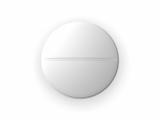
Triumeq is a fixed‑dose combination tablet containing abacavir (600 mg), dolutegravir (50 mg), and lamivudine (300 mg). It is indicated for the treatment of human immunodeficiency virus type 1 (HIV‑1) infection in adults and adolescents weighing at least 25 kg. Abacavir and lamivudine are nucleoside reverse transcriptase inhibitors (NRTIs) that are phosphorylated intracellularly and inhibit HIV‑1 reverse transcriptase by competing with natural nucleotides and causing chain termination. Dolutegravir is an integrase strand transfer inhibitor (INSTI) that blocks the HIV integrase enzyme, preventing the insertion of proviral DNA into the host genome. The three‑drug combination provides a complete once‑daily antiretroviral regimen that can suppress viral replication and maintain long‑term virologic control. Triumeq is not a cure for HIV.
Usual adult dose: One tablet (abacavir 600 mg / dolutegravir 50 mg / lamivudine 300 mg) taken orally once daily, with or without food. The tablet should be swallowed whole; it may be split in half if necessary to facilitate swallowing, but both halves must be taken immediately. Triumeq must not be used in patients who require dosage adjustments of individual components, and it is not recommended for patients with creatinine clearance less than 50 mL/min. Before starting therapy, all patients must be screened for the HLA‑B*5701 allele; Triumeq is contraindicated in patients who test positive because of the high risk of a potentially fatal hypersensitivity reaction to abacavir. If a dose is missed, the patient should take it as soon as remembered, but two doses must never be taken on the same day. Co‑administration with dofetilide is contraindicated, and dolutegravir requires careful management when co‑administered with certain anticonvulsants, rifampin, or antacids containing polyvalent cations. Triumeq must always be used as a complete regimen; no additional antiretroviral is required unless specified by a specialist.
Dosage form: Film‑coated tablets: each tablet contains abacavir 600 mg (as abacavir sulfate), dolutegravir 50 mg (as dolutegravir sodium), and lamivudine 300 mg. The tablet is purple, biconvex, oval‑shaped, and debossed with “572 Tri” on one side. Available in bottles of 30 tablets.
Onset of action: Rapid antiviral activity is observed; significant decreases in plasma HIV‑1 RNA are typically seen within the first 2 to 4 weeks of initiating treatment, with most adherent patients achieving viral suppression (less than 50 copies/mL) by 16 to 24 weeks.
Duration of action: Once‑daily dosing sustains plasma and intracellular concentrations within the therapeutic range over the 24‑hour interval. The elimination half‑lives are approximately 1.5 hours for abacavir, 14 hours for dolutegravir, and 5 to 7 hours for lamivudine, but the pharmacodynamic effect is prolonged and maintained with consistent daily adherence.
Alcohol recommendation: Alcohol should be limited or avoided during treatment with Triumeq. Alcohol may increase the plasma exposure of abacavir by approximately 40%, potentially heightening the risk of adverse events. Additionally, excessive alcohol intake can impair hepatic function and adherence to therapy. Patients with pre‑existing liver disease should exercise particular caution.
Most common side effects: Insomnia, headache, nausea, diarrhea, fatigue, and dizziness. These are generally mild to moderate and often resolve within the first few weeks. The most important serious risk is the abacavir hypersensitivity reaction, which can be life‑threatening and is characterized by fever, rash, gastrointestinal symptoms (nausea, vomiting, diarrhea, abdominal pain), respiratory symptoms (dyspnea, sore throat, cough), and constitutional symptoms (malaise, fatigue, myalgia). Any patient in whom hypersensitivity is suspected must discontinue Triumeq immediately and never be rechallenged. Dolutegravir has been associated with small, non‑progressive increases in serum creatinine due to inhibition of renal tubular secretion of creatinine, which does not reflect a true decline in glomerular filtration rate. Elevations in hepatic transaminases and, rarely, hypersensitivity reactions including rash and organ dysfunction have been reported. As with all effective antiretroviral therapy, immune reconstitution inflammatory syndrome (IRIS) may occur, and body fat redistribution has been observed. Lamivudine has a well‑established safety profile; however, severe acute exacerbations of hepatitis B have been reported in patients co‑infected with HIV and HBV who discontinue lamivudine‑containing regimens; liver function must be closely monitored if Triumeq is stopped. Triumeq is not a cure for HIV and does not prevent transmission of the virus. In Canada, Triumeq is available only by prescription and must be prescribed by a healthcare professional experienced in HIV management.
Would you like to try Triumeq (Abacavir/dolutegravir/lamivudine) without a prescription?

Buy Generic Triumeq (Abacavir/dolutegravir/lamivudine) without prescription in Canada
At our pharmacy, you can buy Triumeq without a prescription, with discreet and anonymous packaging delivered within 5-14 days across Canada.
What is Triumeq?
Triumeq is a single-tablet regimen that gives you three powerful HIV medicines in one pill, taken once a day. It combines abacavir, dolutegravir, and lamivudine into a complete antiretroviral treatment. The beauty of Triumeq is simplicity. Instead of juggling multiple bottles, you swallow one tablet every morning or evening, and that's your entire HIV regimen. Each tablet contains 600 mg of abacavir, 50 mg of dolutegravir, and 300 mg of lamivudine, the standard daily doses of all three drugs.
Triumeq works by blocking two separate steps in the HIV life cycle. Dolutegravir is an integrase strand transfer inhibitor (INSTI) that stops the virus from inserting its DNA into your cells. Abacavir and lamivudine are nucleoside reverse transcriptase inhibitors (NRTIs) that mimic the building blocks of DNA and halt the copying of viral RNA. Together they shut down viral replication completely, dropping viral load to undetectable levels and allowing the immune system to recover. It's not a cure, but it transforms HIV into a manageable condition you can live with. Before starting Triumeq, you must have a blood test to see if you carry the HLA-B*5701 gene. This is non-negotiable. People with this gene can have a severe, potentially fatal allergic reaction to abacavir. If you're positive, Triumeq is never used.
Mechanism and Pharmacology
Dolutegravir binds to the active site of HIV integrase, the enzyme that splices viral DNA into the host chromosome. It traps the enzyme in a dead-end complex, blocking strand transfer. The virus can't integrate its genetic code, so it can't produce new viruses. Dolutegravir has a high barrier to resistance and works against many strains that have become resistant to older integrase inhibitors. Abacavir and lamivudine are both converted inside cells to their active triphosphate forms. They compete with natural nucleotides for incorporation into the growing viral DNA chain by reverse transcriptase. Once inserted, they lack the 3'-hydroxyl group needed to add the next nucleotide, so DNA synthesis stops cold. Lamivudine is active against both HIV and hepatitis B, which is a bonus for patients co-infected with both viruses.
All three drugs are well absorbed orally, and food has no clinically meaningful effect. You can take Triumeq with or without meals. Peak plasma levels are reached within 1 to 3 hours. Dolutegravir has a half-life of about 14 hours, abacavir about 1.5 hours, and lamivudine about 5 to 7 hours, but the active intracellular metabolites last much longer, allowing for once-daily dosing. Abacavir is metabolized by alcohol dehydrogenase and glucuronidation, not by cytochrome P450 enzymes, while dolutegravir is primarily metabolized by UGT1A1 with some CYP3A4 contribution. Lamivudine is excreted mainly unchanged by the kidneys. Because of this, lamivudine requires dose adjustment in renal impairment; Triumeq as a fixed combination is only for patients with creatinine clearance above 50 mL/min. Dolutegravir inhibits the renal transporter OCT2, which has implications for metformin. It does not significantly inhibit or induce CYP enzymes.
How to Use Triumeq
Take one tablet once daily, at the same time each day. You can take it with or without food. A full glass of water is all you need. Swallow the tablet whole; don't crush or chew it. The most important rule is consistency. Take it every day without gaps. Missing doses allows the virus to replicate and develop resistance, especially to the lamivudine and abacavir components. If you forget a dose and it's within 12 hours of your usual time, take it as soon as you remember. If it's longer than 12 hours, skip the missed dose and take the next one at the regular time. Never take two tablets to make up for a missed dose.
Before you ever touch a Triumeq tablet, you must have a confirmed negative HLA-B*5701 test result. This is printed on your lab report and recorded in your medical file. If you've never had this test, don't start. Hypersensitivity reactions to abacavir can start within the first 6 weeks. If you develop a fever, rash, severe fatigue, muscle aches, sore throat, cough, or shortness of breath, stop the drug immediately and call your HIV doctor. Do not try to "ride it out." The reaction gets worse with each dose and can be fatal. If you stop Triumeq because of a possible hypersensitivity reaction, never restart it. The label and your pharmacy bag will have a warning card; keep it with you at all times.
Because lamivudine is active against hepatitis B, stopping Triumeq in someone co-infected with HBV can cause a sudden flare of hepatitis. This can be severe. Don't stop on your own. Your doctor will monitor your liver function after any change in therapy. Also, if you are taking supplements or antacids containing calcium, magnesium, aluminum, or iron, space them apart from Triumeq. Take the tablet at least 2 hours before or 6 hours after these products, because they can bind to dolutegravir and reduce absorption. Metformin doses may need to be reduced because dolutegravir can increase metformin levels.
Side Effects of Triumeq
The most feared side effect is the abacavir hypersensitivity reaction, but this is preventable by screening. With a negative HLA-B*5701 test, the risk is extremely low. Other common side effects are usually mild and fade with time. Insomnia is the most frequent complaint with dolutegravir, and some people feel a bit dizzy, have a headache, or have strange dreams. Taking the tablet in the morning often helps with sleep disturbances. Nausea and diarrhea are usually mild and short-lived. Taking it with food, even though not required, can settle the stomach.
Weight gain can occur. Dolutegravir and other integrase inhibitors have been associated with modest increases in weight, more so when combined with tenofovir alafenamide than with abacavir, but some gain is still possible. Regular monitoring of weight, blood sugar, and lipids is part of routine HIV care. Rarely, the NRTI components can cause lactic acidosis, a buildup of acid in the blood that presents with deep, rapid breathing, muscle pain, and severe fatigue. This is a medical emergency. Liver enzyme elevations can also occur, but most are mild. Patients with hepatitis B or C co-infection need closer monitoring, as the recovering immune system can sometimes attack the infected liver.
High-Risk Groups (Elderly, Pregnancy)
Pregnancy. Dolutegravir was the focus of concern in 2018 when a study in Botswana suggested a possible increased risk of neural tube defects in infants born to women taking the drug at the time of conception. Later, larger studies showed the risk to be much lower than initially feared, and dolutegravir is now considered safe and is actually recommended as first-line therapy for pregnant women in many guidelines, including the WHO. It has excellent efficacy, tolerability, and a high barrier to resistance. Folic acid supplementation before and during early pregnancy is important for all women, and this may help mitigate the small risk. If you are pregnant or planning to be, your HIV specialist will discuss the benefits and risks. Triumeq is often continued during pregnancy if the mother is stable on it.
Breastfeeding is not recommended for women with HIV in Canada. The virus can be transmitted through breast milk, and formula feeding is the standard to protect the infant. The drugs are also present in breast milk, and the long-term effects on the infant are not fully known.
Elderly patients can take Triumeq, but kidney function must be assessed. Triumeq is only for those with a creatinine clearance above 50 mL/min. Older adults often have reduced kidney function, and the lamivudine component would then require a separate dose adjustment, making the fixed combination inappropriate. Children weighing 40 kg or more can take the adult tablet. For children under 40 kg, separate components or other formulations are used. Patients with significant liver disease should be monitored closely, as abacavir is metabolized by the liver. Those with hepatitis B co-infection must not stop Triumeq abruptly, as a severe hepatitis flare can occur.
Interaction With Activities (Driving, Alcohol)
Triumeq can cause dizziness, insomnia, or a "fuzzy" feeling during the first few weeks. If you feel off-balance or unusually sleepy, don't drive. Most people adapt within a few weeks, and the side effects subside. Alcohol interacts specifically with abacavir. Because abacavir is partially metabolized by the same alcohol dehydrogenase enzymes that break down ethanol, heavy drinking can slightly reduce abacavir clearance. While not a major interaction, it's prudent to moderate alcohol intake. Heavy alcohol use is also a strain on the liver and pancreas, and people with HIV are already at higher risk for complications.
Drug Interactions
Dolutegravir's inhibition of the kidney transporter OCT2 is its main interaction. Metformin, a common diabetes drug, is excreted by OCT2, and dolutegravir can raise metformin levels, potentially increasing the risk of lactic acidosis from metformin. When starting Triumeq, your doctor may need to reduce your metformin dose. Polyvalent cations (calcium, magnesium, aluminum, iron, and zinc) chelate dolutegravir and reduce its absorption. Separate Triumeq from antacids, supplements, or multivitamins containing these minerals by at least 2 hours before or 6 hours after. Rifampin, a TB drug, induces the enzymes that break down dolutegravir, and the dolutegravir dose must be increased to 50 mg twice daily if taken with rifampin. Since Triumeq contains a fixed 50 mg of dolutegravir, an extra 50 mg tablet of dolutegravir is usually added 12 hours apart from the Triumeq. Other strong enzyme inducers like carbamazepine and St. John's Wort also lower dolutegravir levels and should be avoided if possible. Triumeq does not interact with methadone, oral contraceptives, or most statins, making it a clean regimen for many patients.
Alternative Options
Triumeq is one of several single-tablet regimens. Biktarvy (bictegravir/tenofovir alafenamide/emtricitabine) is another integrase inhibitor-based complete regimen, but it uses tenofovir alafenamide instead of abacavir, so it doesn't require HLA-B*5701 testing. Dovato (dolutegravir/lamivudine) is a two-drug, single-pill option for people starting treatment without NRTI resistance, and it avoids the abacavir risk altogether. For those who need an alternative to integrase inhibitors, a boosted protease inhibitor like darunavir/cobicistat combined with NRTIs is another option. The choice depends on your virus's resistance profile, your kidney function, your risk of heart disease, and your tolerance for specific side effects. Triumeq is a solid, well-studied regimen with a high barrier to resistance, but the need for genetic testing and the potential for neuropsychiatric effects mean it's not for everyone.
INN, Brand Names, and Classification in Canada
INN (International Nonproprietary Names): Abacavir (as sulfate), Dolutegravir (as sodium), Lamivudine
Available brand names in Canada: Triumeq. There is currently no generic fixed-dose combination of all three drugs, but separate generic components are available.
ATC code: J05AR13
Forms and strengths: Film-coated tablets containing 600 mg abacavir, 50 mg dolutegravir, and 300 mg lamivudine.
Manufacturers: ViiV Healthcare ULC (a joint venture between GSK, Pfizer, and Shionogi).
Registration status in Canada: Registered
Classification: Prescription (Rx)
Frequently Asked Questions
Why do I need a genetic test before starting Triumeq?
Abacavir, one of the three drugs, can cause a life-threatening allergic reaction in people who carry the HLA-B*5701 gene. The test is a simple blood draw. If you're negative, the risk is almost zero. If you're positive, Triumeq is never used. Never start the drug without this result.
Can Triumeq cure HIV?
No. It keeps the virus suppressed to undetectable levels, but it does not eliminate it from your body. You need to take it every day. An undetectable viral load also means you cannot sexually transmit HIV to your partners (U=U).
What if I miss a dose?
If you remember within 12 hours, take it. If it's been more than 12 hours, skip the missed dose and take your next one on schedule. Don't double up. Frequent missing of doses can lead to resistance, so use a pillbox or phone alarm to help.
Will I have weird dreams?
Some people taking dolutegravir do experience vivid dreams or insomnia. Taking the pill in the morning can help. For most, these effects fade after a few weeks. If they persist, your doctor may discuss a switch, but don't stop on your own.
Can I take Triumeq with my cholesterol or blood pressure pills?
Generally yes, but metformin for diabetes may need a dose reduction. Tell your doctor and pharmacist about every medication, supplement, or antacid you take. Calcium, magnesium, and iron supplements need to be spaced apart from your Triumeq dose.
Delivery Information Across Canada
We ship Triumeq to all provinces and territories. Delivery times vary depending on how remote your location is:
- Ontario (Toronto, Ottawa, Mississauga): 5 to 7 days
- Quebec (Montreal, Quebec City, Laval): 5 to 7 days
- British Columbia (Vancouver, Victoria, Burnaby): 5 to 9 days
- Alberta (Calgary, Edmonton, Red Deer): 5 to 9 days
- Manitoba (Winnipeg, Brandon): 5 to 9 days
- Saskatchewan (Saskatoon, Regina): 5 to 9 days
- Nova Scotia (Halifax, Sydney): 5 to 9 days
- New Brunswick (Moncton, Fredericton): 5 to 9 days
- Newfoundland and Labrador (St. John's, Corner Brook): 7 to 14 days
- Prince Edward Island (Charlottetown): 7 to 14 days
- Yukon, Northwest Territories, Nunavut: 7 to 14 days
All shipments are packed discreetly with no branding or indication of contents on the outside.


| Shipping method | Delivery time | Price | |
 Delivery Delivery |
14-21 days | 14.95$ | Tracking# available in 4 days |
 Delivery Delivery |
9-14 days | 30$ | Tracking# available in 2 days |
- Shipping worldwide
- Confidentiality and anonymity guarantee
- Safe and secure
- Discrete looking packages
- Dispatch orders within 24 hours
- 100% success delivery


