


 Secure and Reliable
  High quality
  Worldwide shipping
  Bonuses and Discounts
  Money back Guarantee
 - Bestsellers
- Alcoholism
- COVID-19
- Allergy
- Anti Fungal
- Alzheimers
- Anti Viral
- Anti-Depressants
- Anti-Inflammatory
- Antibacterial
- Antiparasitic
- Antibiotics
- Arthritis
- Asthma
- Birth Control
- Blood Pressure
- Cancer
- Cardiovascular
- Cholesterol
- Diabetes
- Diuretics
- Erectile Dysfunction
- Eye Drop
- Gastro Health
- General Health
- Hair Loss
- Hepatitis C Virus (HCV)
- HIV
- Hormones
- Men's ED Packs
- Men's Health
- Mental Illness
- Motion Sickness
- Muscle Relaxant
- Pain Relief
- Parkinson’s Disease
- Veterinary Medicines
- Quit Smoking
- Vitamins
- Skin Care
- Sleeping Aids
- Weight Loss
- Women's Health
Generic Uniphyl Cr ( Theophylline )
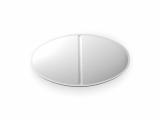

Buy Generic Uniphyl Cr (Theophylline) without prescription in Canada
In our Canadian pharmacy, you can buy Uniphyl Cr (Theophylline) without a prescription, with delivery across Canada within 5‑14 days. Discreet and anonymous packaging.
Uniphyl Cr (theophylline anhydrous) is a controlled‑release xanthine bronchodilator used for the maintenance treatment of chronic asthma and chronic obstructive pulmonary disease (COPD). It relaxes bronchial smooth muscle by inhibiting phosphodiesterase and blocking adenosine receptors, which increases intracellular cyclic AMP and reduces airway responsiveness. The extended‑release design allows once‑daily dosing, providing steady airway dilatation over 24 hours.
Usual adult dose: The recommended starting dose in adults and adolescents over 45 kg is 400 mg once daily, taken in the evening with food. After 3–5 days, serum theophylline levels should be checked; the target therapeutic range is 55–110 μmol/L (10–20 μg/mL). Dose adjustments are made in small increments based on clinical response and serum levels, typically not exceeding 600 mg daily without careful monitoring. Lower initial doses (200 mg daily) are used in elderly patients, those with liver disease, heart failure, or concomitant use of CYP1A2 inhibitors.
Dosage form: Extended‑release (controlled‑release) tablet, 400 mg. Also available in 200 mg, 300 mg, and 600 mg strengths.
Onset of action: Bronchodilator effect begins within hours of a dose, but steady‑state serum levels and consistent clinical improvement usually develop after 3–5 days of continuous once‑daily therapy. The peak effect after an evening dose occurs 6–10 hours later, providing overnight and early‑morning protection.
Duration of action: Approximately 24 hours, allowing once‑daily maintenance.
Alcohol recommendation: Alcohol consumption should be avoided during treatment with Uniphyl Cr. Alcohol can disrupt the extended‑release formulation and cause rapid release of a large amount of theophylline, leading to dangerously high blood levels and toxicity.
Most common side effects: Nausea, vomiting, headache, insomnia, nervousness, irritability, diarrhoea, and palpitations. These are often dose‑related and may diminish with continued therapy or dose reduction.
Would you like to try Uniphyl Cr (Theophylline) without a prescription?
General Information about Uniphyl Cr (Theophylline)
- INN (International Nonproprietary Name): Theophylline (anhydrous)
- Brand names available in Canada: Uniphyl Cr® (Bausch Health, Canada Inc.), Apo‑Theo LA (Apotex Inc.), Novo‑Theophyl SR (Teva Canada Limited), PMS‑Theophylline (Pharmascience Inc.), generic Theophylline Extended‑Release Tablets (various manufacturers, e.g., Sandoz Canada Inc.)
- ATC code: R03DA04
- Dosage forms and strengths: Extended‑release (controlled‑release) tablets: 200 mg, 300 mg, 400 mg, 600 mg
- Manufacturers in Canada: Bausch Health, Canada Inc., Apotex Inc., Teva Canada Limited, Pharmascience Inc., Sandoz Canada Inc., and other generic manufacturers
- Registration status in Canada: Approved by Health Canada
- OTC / Rx classification: Prescription only (Rx). Schedule I drug
Mechanism of Action and Pharmacology
Theophylline is a methylxanthine derivative that produces bronchodilation, improves diaphragmatic contractility, and has mild anti‑inflammatory and immunomodulatory effects. Its primary mechanisms include non‑selective inhibition of phosphodiesterase isoenzymes (PDE III and IV), which increases intracellular cyclic AMP and cyclic GMP in airway smooth muscle, and antagonism of adenosine A1 and A2 receptors, reducing bronchoconstriction and mediator release. The drug also enhances mucociliary clearance and stimulates the respiratory centre. The controlled‑release formulation (Uniphyl Cr) provides slow, predictable absorption; peak plasma concentrations occur approximately 6‑10 hours after an oral dose with food. Theophylline is metabolized mainly in the liver by cytochrome P450 1A2, and its elimination half‑life varies considerably (3–12 hours in adults, prolonged in neonates, elderly, and patients with liver disease or heart failure). Protein binding is about 40–60%, and the volume of distribution is approximately 0.5 L/kg.
Indications
- Maintenance therapy for chronic stable asthma and prevention of nocturnal asthma symptoms.
- Maintenance therapy for chronic obstructive pulmonary disease (COPD), including chronic bronchitis and emphysema, when symptoms are not adequately controlled by inhaled bronchodilators and anti‑inflammatory agents.
- Not indicated for acute asthma attacks or status asthmaticus; rapid‑acting inhaled beta‑agonists should be used for rescue therapy.
Important Warnings and Precautions
At‑risk groups
- Elderly: Clearance is reduced; lower initial doses and careful serum level monitoring are essential because toxicity can occur at concentrations only slightly above the therapeutic range.
- Pregnancy: Theophylline crosses the placenta. It should be used during pregnancy only if clearly needed. Neonates may experience jitteriness, vomiting, and tachycardia if maternal levels are high. Category C.
- Breastfeeding: Theophylline passes into breast milk; breastfed infants may become irritable. Nursing mothers should either discontinue the drug or stop breastfeeding, depending on the importance of therapy.
- Paediatric: Children under 45 kg require weight‑based dosing and strict serum level monitoring. The safety and efficacy of once‑daily Uniphyl Cr in children less than 12 years of age have not been fully established; alternative paediatric formulations are available.
- Hepatic impairment: Metabolism is significantly reduced; start with 200 mg daily and titrate cautiously under serum level guidance.
- Heart failure: Theophylline clearance is decreased; reduced doses are required.
- Smokers: Tobacco smoking induces CYP1A2 and markedly increases clearance; higher doses may be needed. Conversely, sudden smoking cessation can cause rapid rise in serum theophylline and toxicity.
- Viral infections and febrile illness: Clearance may be transiently decreased; dose reduction may be necessary during acute illness.
- Seizure disorders: Theophylline may lower the seizure threshold; use with extreme caution and only if on adequate anticonvulsant therapy.
- Peptic ulcer disease: Theophylline increases gastric acid secretion and may aggravate ulcers; contraindicated in active disease.
- Cardiac arrhythmias: Theophylline can cause or worsen tachyarrhythmias; caution in patients with unstable cardiac conditions.
Driving and alcohol
Theophylline may cause dizziness, nervousness, insomnia, and tremor, which can impair the ability to drive or operate machinery. Patients should assess their individual response before engaging in such activities. Alcohol must be avoided entirely because it can disrupt the controlled‑release mechanism of Uniphyl Cr, leading to dose‑dumping and acute toxicity, which can be fatal.
Dosage Instructions
- Initial dose: For adults and adolescents weighing > 45 kg not currently receiving theophylline, start with 400 mg once daily in the evening with food. For patients weighing ≤ 45 kg, elderly, or those with risk factors for reduced clearance (liver disease, heart failure, concomitant CYP1A2 inhibitors), begin with 200 mg once daily.
- Titration: After 3–5 days, measure serum theophylline concentration just before the next dose (trough level). Target range: 55–110 μmol/L (10–20 μg/mL). If the level is subtherapeutic and tolerated, increase the dose in small increments (e.g., by 100–200 mg/day) at intervals of at least 3 days. If the level exceeds the therapeutic range or side effects occur, reduce the dose proportionally.
- Maximum dose: Without serum level monitoring, do not exceed 400 mg daily. With monitoring, doses up to 600 mg daily may be prescribed, though some patients require up to 900 mg daily. Higher doses must be justified by serum concentrations.
- Administration: Swallow the tablet whole with a glass of water; do not crush, chew, or break the tablet. Administer consistently with the evening meal; food enhances the reliability of absorption and reduces gastric irritation.
- Special populations: Children under 12 years of age and infants – use only under specialist guidance with weight‑adjusted immediate‑release or paediatric sustained‑release products; once‑daily Uniphyl Cr is not recommended in this age group.
Side Effects and Contraindications
- Common, usually dose‑related side effects: Nausea, vomiting, epigastric pain, diarrhoea, headache, insomnia, nervousness, irritability, tremor, palpitations, and tachycardia. These often respond to dose reduction.
- Serious side effects (usually associated with serum levels > 110 μmol/L or rapid rise): Severe tachycardia, ventricular arrhythmias, cardiac arrest, convulsions (which may occur without warning and can be resistant to treatment), gastrointestinal haemorrhage, hyperglycaemia, hypokalaemia, and rhabdomyolysis. Toxicity can be fatal.
- Contraindications: Hypersensitivity to theophylline, other xanthines, or any excipient. Active peptic ulcer disease. Uncontrolled seizure disorder (unless on effective anticonvulsant therapy). Concomitant use with fluvoxamine. Breastfeeding (relative).
Drug Interactions
- Major inhibitors of theophylline metabolism (increase levels, toxicity risk): Fluvoxamine (absolute contraindication), ciprofloxacin and other fluoroquinolones, cimetidine, erythromycin, clarithromycin, verapamil, disulfiram, allopurinol, ticlopidine, and severe hepatic impairment. Doses must be reduced and levels monitored closely.
- Inducers of theophylline metabolism (decrease levels, loss of efficacy): Tobacco smoking, marijuana smoking, phenytoin, phenobarbital, carbamazepine, rifampin, ritonavir, and St. John’s wort. Higher doses may be needed; abrupt cessation of the inducer can cause toxicity.
- Pharmacodynamic interactions: Additive CNS stimulation with sympathomimetics (e.g., salbutamol, pseudoephedrine) can increase nervousness and tremor. Additive hypokalaemia with corticosteroids, loop diuretics. Theophylline may antagonize the effects of adenosine and benzodiazepines. Lithium clearance may be increased, reducing serum lithium levels. Beta‑blockers (including eye drops) can antagonize theophylline bronchodilation.
- Food and beverage: A high‑fat meal can increase the rate of absorption of Uniphyl Cr and potentially cause toxicity; consistent administration with food (preferably low‑fat) is recommended. Caffeine shares similar pharmacologic actions and may increase side effects; intake should be moderated.
Practical Advice
- Take Uniphyl Cr once daily in the evening, with food, to achieve the best nocturnal coverage and reduce stomach upset.
- Do not crush, chew, or halve the tablet; the controlled‑release matrix ensures gradual drug delivery.
- Store at room temperature (15–30 °C) in a dry place, tightly closed, and out of reach of children.
- Adhere to the prescribed dosage schedule; never double a missed dose. If a dose is missed, take it as soon as remembered unless it is close to the time for the next dose.
- Regularly attend blood tests for serum theophylline levels, especially after starting therapy, dose changes, new medications, or changes in health status (e.g., viral infection, heart failure, smoking cessation).
- Inform every healthcare provider that you are taking theophylline, including dentists and pharmacists, to avoid potentially dangerous drug interactions.
- Seek immediate medical attention if signs of toxicity appear: persistent nausea, vomiting, fast or irregular heartbeat, severe headache, confusion, or convulsions.
- Keep a consistent diet and avoid binge drinking or heavy alcohol use; abstain from alcohol completely.
Alternative Medications
- Inhaled bronchodilators: Long‑acting beta‑agonists (LABAs) such as salmeterol and formoterol, and long‑acting anticholinergics (LAMAs) such as tiotropium, are first‑line maintenance therapies for asthma and COPD, with a superior safety profile.
- Inhaled corticosteroids: Beclomethasone, fluticasone, budesonide form the cornerstone of anti‑inflammatory management in persistent asthma.
- Leukotriene receptor antagonists: Montelukast and zafirlukast are oral agents used for mild persistent asthma or as add‑on therapy, without the narrow therapeutic window of theophylline.
- Combination products: Fixed‑dose inhalers (ICS/LABA) provide convenient dual‑action therapy (e.g., fluticasone/salmeterol, budesonide/formoterol).
- Other oral options: Roflumilast (a PDE‑4 inhibitor) is available for severe COPD with chronic bronchitis. Oral steroids are reserved for exacerbations.
- Immediate‑release theophylline: In patients requiring a flexible, shorter‑acting theophylline preparation for acute titration, immediate‑release tablets or elixir are available, though Uniphyl Cr is preferred for maintenance.
Clinical Efficacy
Theophylline has been used as a bronchodilator for decades, and its efficacy in improving lung function and reducing symptoms in chronic asthma and COPD is well established. When administered as controlled‑release theophylline (Uniphyl Cr) once daily in the evening, it provides effective 24‑hour control of airway obstruction, particularly blunting the early‑morning dip in peak expiratory flow (PEF) that often accompanies nocturnal asthma. In multiple studies, theophylline improved FEV1 by 10–15% from baseline and reduced the need for rescue inhalers. Addition of theophylline to a regimen of inhaled corticosteroids and LABAs has been shown to provide further symptomatic improvement in difficult‑to‑control asthma. However, theophylline has a narrow therapeutic index, and its use has declined in favour of safer inhaled therapies. In COPD, theophylline has modest benefits in improving dynamic hyperinflation and exercise tolerance, and it serves as an alternative or add‑on when inhaled bronchodilators are insufficient. The clinical benefit is closely linked to achieving and maintaining serum levels within the 55–110 μmol/L range; subtherapeutic levels yield little effect, while toxicity emerges quickly above 110 μmol/L.
Important:
Uniphyl Cr (theophylline) is a prescription medication with a narrow margin between therapeutic effect and serious toxicity. It must be used only under ongoing medical supervision with regular monitoring of serum theophylline concentrations. Never adjust the dose without consulting a healthcare professional. Many common drugs, illnesses, and lifestyle factors can drastically alter theophylline blood levels, so inform your doctor of all medications, including over‑the‑counter products and herbal remedies. If symptoms such as persistent nausea, vomiting, rapid heartbeat, restlessness, or convulsions occur, stop taking the medication and seek emergency medical attention immediately. This information is not a substitute for professional medical advice, diagnosis, or treatment.


| Shipping method | Delivery time | Price | |
 Delivery Delivery |
14-21 days | 14.95$ | Tracking# available in 4 days |
 Delivery Delivery |
9-14 days | 30$ | Tracking# available in 2 days |
- Shipping worldwide
- Confidentiality and anonymity guarantee
- Safe and secure
- Discrete looking packages
- Dispatch orders within 24 hours
- 100% success delivery


