


 Secure and Reliable
  High quality
  Worldwide shipping
  Bonuses and Discounts
  Money back Guarantee
 - Bestsellers
- Alcoholism
- COVID-19
- Allergy
- Anti Fungal
- Alzheimers
- Anti Viral
- Anti-Depressants
- Anti-Inflammatory
- Antibacterial
- Antiparasitic
- Antibiotics
- Arthritis
- Asthma
- Birth Control
- Blood Pressure
- Cancer
- Cardiovascular
- Cholesterol
- Diabetes
- Diuretics
- Erectile Dysfunction
- Eye Drop
- Gastro Health
- General Health
- Hair Loss
- Hepatitis C Virus (HCV)
- HIV
- Hormones
- Men's ED Packs
- Men's Health
- Mental Illness
- Motion Sickness
- Muscle Relaxant
- Pain Relief
- Parkinson’s Disease
- Veterinary Medicines
- Quit Smoking
- Vitamins
- Skin Care
- Sleeping Aids
- Weight Loss
- Women's Health
Generic Vaniqa ( Eflornithine )
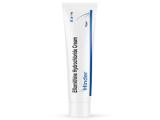
Vaniqa (eflornithine hydrochloride) cream 13.9% is a topical hair growth retardant indicated for the reduction of unwanted facial hair in women. It works by irreversibly inhibiting the enzyme ornithine decarboxylase, which is essential for the synthesis of polyamines required for cell division in hair follicles. By slowing follicular cell proliferation, Vaniqa reduces the rate of facial hair growth and can make hair softer and less noticeable. It is not a depilatory and does not remove existing hair; patients should continue their usual hair removal method (e.g., shaving, plucking, waxing) while using Vaniqa. Improvement is gradual, and continued use is necessary to maintain benefit.
Usual adult dose: Apply a thin layer of Vaniqa cream to the affected areas of the face and under the chin, twice daily, at least 8 hours apart. The cream should be gently massaged into the skin until fully absorbed. The treated area should not be washed for at least 4 hours after application. Cosmetics, moisturizers, or sunscreens may be applied after the cream has dried. If no improvement is seen after 6 months of continuous use, treatment should be discontinued. If treatment is stopped, hair growth generally returns to pretreatment levels within 8 weeks. Vaniqa is for external use only and should not be applied to other body areas, eyes, nose, mouth, or broken skin. Hands should be washed after application.
Dosage form: Topical cream: 13.9% eflornithine hydrochloride (139 mg per gram of cream). Available in tubes of 15 g and 30 g. The cream is white to off-white and odourless.
Onset of action: A reduction in facial hair growth is typically observed after 4 to 8 weeks of continuous twice-daily use. Maximum benefit is generally achieved after 6 months of regular application. Because hair growth is slowed rather than eliminated, results are gradual and require ongoing treatment.
Duration of action: The clinical effect lasts only as long as the cream is applied regularly twice daily. If treatment is discontinued, hair growth returns to pretreatment levels within approximately 8 weeks. The elimination half-life of eflornithine after topical application is approximately 8 hours, but the pharmacodynamic effect on hair follicles is cumulative and requires continuous use.
Alcohol recommendation: There is no known systemic interaction between topical eflornithine and the consumption of alcoholic beverages. However, patients should avoid applying alcohol-based facial products, astringents, or peeling agents to the treated areas, as these can increase skin irritation, stinging, or burning. Moderation in alcohol consumption is advisable.
Most common side effects: The most frequently reported adverse effects are local skin reactions, including stinging, burning, tingling, erythema (redness), acne, rash, and folliculitis. These reactions are generally mild to moderate and often resolve with continued use or after discontinuation. Pseudofolliculitis barbae (ingrown hairs) may also occur, particularly in patients who continue to shave or pluck. Rarely, severe irritation, allergic contact dermatitis, or skin depigmentation may occur. Vaniqa should not be used by patients with known hypersensitivity to eflornithine or any component of the formulation. It is indicated only for facial hirsutism in women and is not recommended for use in men or children. Vaniqa is available only by prescription in Canada and should be used under the supervision of a healthcare professional.
Would you like to try Vaniqa (Eflornithine) without a prescription?
Buy Generic Vaniqa (Eflornithine) without prescription in Canada
At our pharmacy, you can buy Vaniqa without a prescription, with discreet and anonymous packaging delivered within 5-14 days across Canada.
What is Vaniqa?
Vaniqa is a topical cream used to slow the growth of unwanted facial hair in women. The active ingredient is eflornithine hydrochloride, a drug that works specifically on hair follicles. It does not remove hair. Instead, it interferes with an enzyme the follicle needs to produce new hair cells, so hair grows back more slowly and often finer. Over time, the need for shaving, plucking, or waxing decreases. It is not a depilatory. It does not permanently destroy hair follicles. Once you stop using Vaniqa, hair growth gradually returns to its previous rate, usually within 8 weeks. The effect builds slowly. You may notice a difference after 4 to 8 weeks of twice-daily use, but the full benefit can take up to 6 months. Vaniqa is indicated for facial hirsutism in women, a condition where dark, coarse hair grows in a male pattern, often due to hormonal imbalances like polycystic ovary syndrome or simply genetic tendency. The cream is applied only to the face and chin.
The standard strength is 13.9% eflornithine hydrochloride. It is available in tubes of 15 g, 30 g, and 60 g. The 30 g tube is a common size for a month or more of use on limited areas like the upper lip and chin. Vaniqa is not a hormone cream. It does not affect blood hormone levels. It works locally in the skin, which is why it is safe for long-term use in most women. Because hair removal is a chronic issue, Vaniqa is usually used continuously for as long as the woman wants to suppress the hair growth. If used with other hair removal methods, it can extend the time between sessions and make the hair that does grow back less noticeable.
Mechanism and Pharmacology
Eflornithine is an irreversible inhibitor of the enzyme ornithine decarboxylase. This enzyme is essential for the synthesis of polyamines, which are molecules required for cell division. Hair follicles have a high rate of cell division in the matrix, where new hair shaft cells are produced. By blocking ornithine decarboxylase, eflornithine slows down the proliferation of these cells. The result is a slower rate of hair growth and, over months, a reduction in the thickness and darkness of the hair. It does not kill the follicle. It does not cause hair to fall out immediately. It simply starves the follicle of the building blocks it needs to grow hair quickly. The effect is completely reversible; once the enzyme is no longer blocked, hair growth resumes.
After topical application, eflornithine penetrates the skin and reaches the hair follicles. Systemic absorption is low, less than 1 percent of the applied dose. The absorbed portion is excreted in the urine unchanged. The half-life in the skin is not well defined, but the effect persists for several days after stopping because the enzyme is permanently inhibited and new enzyme must be synthesized. This is why twice-daily application is effective and why missing an occasional dose does not immediately reverse the benefit. The cream base is designed for facial skin and is generally well tolerated, but irritation can occur. Because it does not affect hormone levels, it does not cause menstrual changes or other systemic hormonal side effects. It can be used alongside hormonal treatments like oral contraceptives or spironolactone if they are prescribed for the underlying cause of hirsutism.
How to Use Vaniqa
Apply a thin layer of Vaniqa to the affected areas of the face and chin, twice daily, at least 8 hours apart. The cream should be rubbed in gently and completely. Do not apply to other parts of the body. Do not use on broken, irritated, or sunburned skin. Apply only after cleansing and drying the face. If you use other facial products, apply Vaniqa first and allow it to dry before applying moisturizers, makeup, or sunscreen. Avoid getting the cream in your eyes, nostrils, or mouth. If it gets in your eyes, rinse thoroughly with water.
Continue using your usual hair removal method, whether that is shaving, plucking, waxing, or depilatory creams. Vaniqa works best when used alongside these methods, not instead of them. Over time, you may find you need to remove hair less often. Do not stop using Vaniqa once you see improvement, because the hair will grow back at its original rate within a few weeks. If you miss a dose, apply it as soon as you remember, but if it is close to the next application, skip the missed dose. Do not double up. It can take 4 to 8 weeks to see a noticeable difference, and up to 6 months for the maximum effect. If there is no improvement after 6 months, the treatment may not be working for you, and you should discuss alternatives with your doctor. If you stop Vaniqa, hair growth returns gradually over about 8 weeks, so plan accordingly.
Side Effects of Vaniqa
The most common side effects are local skin reactions. Acne, redness, stinging, burning, tingling, and a rash can occur at the application site. These are usually mild and improve as your skin adjusts. Some women experience dry skin or a feeling of tightness. If irritation is significant, reducing the frequency to once daily for a week or two can help, then increase back to twice daily. If a severe rash, blistering, or swelling occurs, stop the cream and contact your doctor. Allergic reactions to eflornithine are rare. Because the drug is applied only to a small area and absorption is minimal, systemic side effects are not expected. It does not cause drowsiness, weight gain, or hormonal changes. It is safe to use with other topical acne treatments, but if you are using strong retinoids or benzoyl peroxide, you may need to separate the applications to avoid excessive irritation. Always tell your dermatologist about all products you use on your face.
High-Risk Groups (Elderly, Pregnancy)
Pregnancy. Vaniqa is pregnancy category C. There are no adequate studies in pregnant women. Animal studies using oral eflornithine at high doses showed adverse effects on the fetus. Because systemic absorption from the cream is very low, the risk is probably minimal, but the drug should be used during pregnancy only if clearly needed. Many women choose to pause Vaniqa during pregnancy and resume after delivery. Discuss with your obstetrician. Breastfeeding. It is not known whether eflornithine passes into breast milk after topical use. Given the low absorption, the amount would be negligible, but the manufacturer recommends caution. If you breastfeed, discuss with your doctor. It is reasonable to avoid applying it to the chest area.
Elderly women can use Vaniqa without dose adjustment. The skin of older adults is thinner and may be more prone to irritation, so starting with once-daily application and increasing as tolerated is sensible. Vaniqa is not indicated for men, because facial hair in men is normal and the drug would not be appropriate. It is also not for use in children. People with a history of severe skin reactions or known allergy to eflornithine should not use it. It should not be applied to areas other than the face. If you have a skin condition like eczema or psoriasis on the face, use Vaniqa with caution. A patch test on a small area for a few days before full use can identify potential irritation.
Interaction With Activities (Driving, Alcohol)
Vaniqa is a topical cream applied to the face. It does not cause drowsiness, dizziness, or cognitive impairment. You can drive and operate machinery normally. Alcohol has no interaction with topical eflornithine. You can drink in moderation. The only caution is that alcohol can dry the skin and may worsen any local irritation from the cream. Sun exposure should be managed carefully. Vaniqa itself does not cause photosensitivity, but sunburn on the face can worsen irritation and make the skin more sensitive. Use a broad-spectrum sunscreen daily, especially if you are using other facial products that can increase sun sensitivity. If you are outdoors for long periods, wear a hat.
Drug Interactions
Vaniqa has no known systemic drug interactions because absorption through the skin is minimal. It does not affect the metabolism of other drugs. It is safe to use with oral contraceptives, spironolactone, and other hormonal therapies commonly prescribed for hirsutism. It can be used with other topical medications, but if you are using a strong retinoid like tretinoin or a peeling agent like salicylic acid, applying them at the same time as Vaniqa can cause irritation. Space them out: one in the morning, one in the evening, or wait 30 minutes between applications. A moisturizer can be used after Vaniqa dries. Always tell your doctor and pharmacist about all medications and topical products you use, but the interaction risk is very low.
Alternative Options
For unwanted facial hair in women, several alternatives exist. Mechanical methods include shaving, plucking, waxing, and depilatory creams. These are quick but temporary. Electrolysis is a permanent hair removal method that destroys the follicle with an electric current, but it requires many sessions and can be painful and expensive. Laser hair removal is another permanent option, best for dark hair on light skin, but it also requires multiple sessions and is not suitable for all skin types. Prescription topical treatments other than Vaniqa are limited. Oral medications like spironolactone or oral contraceptives can reduce hair growth by lowering androgen levels, and they are often used in combination with Vaniqa for a better result. The combination of hormonal therapy and Vaniqa is common for women with polycystic ovary syndrome. Vaniqa is unique because it is a topical treatment that specifically slows hair growth without affecting hormones. It works best as part of a long-term strategy that includes hair removal and, if appropriate, hormonal management. The choice depends on the severity of the hirsutism, the underlying cause, and the woman's preferences.
INN, Brand Names, and Classification in Canada
INN (International Nonproprietary Name): Eflornithine hydrochloride
Available brand names in Canada: Vaniqa, and generic eflornithine cream
ATC code: D11AX16
Forms and strengths: Cream 13.9% in tubes of 15 g, 30 g, and 60 g. The 30 g tube is a standard size for twice-daily use on the face and chin.
Manufacturers: Allergan (now part of AbbVie) originally marketed Vaniqa. Generic versions are available from manufacturers including Apotex Inc. and Teva Canada Limited.
Registration status in Canada: Registered
Classification: Prescription (Rx)
Frequently Asked Questions
How long does Vaniqa take to work?
You may notice a slowing of hair growth after 4 to 8 weeks of consistent twice-daily use. The full effect can take up to 6 months. It is important to keep using it every day, even if you do not see an immediate change. The effect is gradual and cumulative.
Will Vaniqa remove hair permanently?
No. Vaniqa slows hair growth but does not destroy the follicle. When you stop using it, hair growth returns to its previous rate within about 8 weeks. It is a long-term management tool, not a permanent solution.
Can I use Vaniqa with laser hair removal?
Yes, the two are often used together. Vaniqa can slow regrowth between laser sessions, which may improve the overall result. Ask your dermatologist for guidance, but there is no conflict. Apply Vaniqa to clean skin and allow it to dry before any other treatments.
Does Vaniqa work for hair on the legs or arms?
No. Vaniqa is only approved for unwanted facial hair in women. It should not be applied to other parts of the body. Using it on large areas would require large amounts of cream and could increase absorption and irritation.
What if I miss a dose?
Apply it as soon as you remember, unless it is close to the next application. Do not double up. Missing an occasional dose will not undo your progress, but consistent twice-daily use is what delivers results. If you miss several days, just resume your normal schedule.
Delivery Information Across Canada
We ship Vaniqa and generic eflornithine cream to all provinces and territories. Delivery times vary depending on how remote your location is:
- Ontario (Toronto, Ottawa, Mississauga): 5 to 7 days
- Quebec (Montreal, Quebec City, Laval): 5 to 7 days
- British Columbia (Vancouver, Victoria, Burnaby): 5 to 9 days
- Alberta (Calgary, Edmonton, Red Deer): 5 to 9 days
- Manitoba (Winnipeg, Brandon): 5 to 9 days
- Saskatchewan (Saskatoon, Regina): 5 to 9 days
- Nova Scotia (Halifax, Sydney): 5 to 9 days
- New Brunswick (Moncton, Fredericton): 5 to 9 days
- Newfoundland and Labrador (St. John's, Corner Brook): 7 to 14 days
- Prince Edward Island (Charlottetown): 7 to 14 days
- Yukon, Northwest Territories, Nunavut: 7 to 14 days
All shipments are packed discreetly with no branding or indication of contents on the outside.


| Shipping method | Delivery time | Price | |
 Delivery Delivery |
14-21 days | 14.95$ | Tracking# available in 4 days |
 Delivery Delivery |
9-14 days | 30$ | Tracking# available in 2 days |
- Shipping worldwide
- Confidentiality and anonymity guarantee
- Safe and secure
- Discrete looking packages
- Dispatch orders within 24 hours
- 100% success delivery


