


 Secure and Reliable
  High quality
  Worldwide shipping
  Bonuses and Discounts
  Money back Guarantee
 - Bestsellers
- Alcoholism
- COVID-19
- Allergy
- Anti Fungal
- Alzheimers
- Anti Viral
- Anti-Depressants
- Anti-Inflammatory
- Antibacterial
- Antiparasitic
- Antibiotics
- Arthritis
- Asthma
- Birth Control
- Blood Pressure
- Cancer
- Cardiovascular
- Cholesterol
- Diabetes
- Diuretics
- Erectile Dysfunction
- Eye Drop
- Gastro Health
- General Health
- Hair Loss
- Hepatitis C Virus (HCV)
- HIV
- Hormones
- Men's ED Packs
- Men's Health
- Mental Illness
- Motion Sickness
- Muscle Relaxant
- Pain Relief
- Parkinson’s Disease
- Veterinary Medicines
- Quit Smoking
- Vitamins
- Skin Care
- Sleeping Aids
- Weight Loss
- Women's Health
Generic Ventolin Inhaler ( Salbutamol )
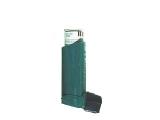
Buy Generic Ventolin Inhaler (Salbutamol) without prescription in Canada
In our Canadian pharmacy, you can buy Ventolin Inhaler (Salbutamol) without a prescription, with delivery across Canada within 5‑14 days. Discreet and anonymous packaging.
Ventolin Inhaler (salbutamol) is a fast-acting bronchodilator used to relieve and prevent airway narrowing in people with asthma, chronic bronchitis, and other breathing disorders. It contains the active ingredient salbutamol, a short-acting beta-2 adrenergic agonist that works by relaxing the smooth muscles lining the airways, thereby opening up the bronchial passages and making it easier to breathe.
Usual adult dose: For acute symptom relief, the recommended dose is 1 to 2 inhalations (100 mcg per inhalation) as needed. For the prevention of exercise-induced bronchospasm, 2 inhalations are taken 15 minutes before exercise. The maximum daily dose is 8 inhalations (800 mcg) in a 24-hour period; exceeding this dose may indicate worsening asthma and the need for medical reassessment.
Dosage form: Pressurized metered-dose inhaler (HFA) delivering 100 mcg of salbutamol (as salbutamol sulphate) per actuation. Each canister provides 200 inhalations.
Onset of action: Bronchodilation begins within minutes of inhalation, with peak effects occurring within 30 minutes.
Duration of action: Bronchodilation lasts approximately 3 to 6 hours.
Alcohol recommendation: Alcohol consumption does not directly interact with salbutamol, but should be limited or avoided as it can exacerbate underlying conditions and impair overall health. Heavy alcohol use may worsen asthma control.
Most common side effects: Headache, nervousness, tremor (shakiness), throat irritation, cough, fast heartbeat (tachycardia), and muscle cramps. These effects are usually mild and temporary.
Would you like to try Ventolin Inhaler (Salbutamol) without a prescription?
General Information about Ventolin Inhaler (Salbutamol)
- INN (International Nonproprietary Name): Salbutamol (also known as albuterol).
- Brand names available in Canada: Ventolin® HFA, Ventolin® Diskus (both from GlaxoSmithKline Inc.). Generic versions include Apo-Salvent® (Apotex Inc.), Teva-Salbutamol® (Teva Canada Limited), Sandoz Salbutamol® (Sandoz Canada Inc.), PMS-Salbutamol® (Pharmascience Inc.), ratio-Salbutamol® (ratiopharm), and Novo-Salbutamol HFA® (Novopharm Limited).
- ATC code: R03AC02 (selective beta-2-adrenoreceptor agonists).
- Dosage forms and strengths: Pressurized metered-dose inhaler (HFA): 100 mcg per actuation. Dry powder inhaler (Diskus): 200 mcg per inhalation. Nebulizer solution: 1.25 mg/2.5 mL, 2.5 mg/2.5 mL, and 5 mg/2.5 mL.
- Manufacturers in Canada: GlaxoSmithKline Inc. (Ventolin), Apotex Inc., Teva Canada Limited, Sandoz Canada Inc., Pharmascience Inc., Novopharm Limited, Sanis Health Inc., and other generic manufacturers.
- Registration status in Canada: Approved by Health Canada. Marketed.
- OTC / Rx classification: Prescription only (Rx). Schedule I drug (available only with a valid prescription from a licensed Canadian healthcare professional).
Mechanism of Action and Pharmacology
Salbutamol is a potent, selective, short-acting beta-2 adrenergic receptor agonist. It stimulates beta-2 receptors located on the smooth muscle cells of the airways, leading to the activation of adenyl cyclase. This increases the intracellular concentration of cyclic adenosine monophosphate (cAMP), which in turn relaxes bronchial smooth muscle and inhibits the release of bronchoconstricting mediators from mast cells. The result is rapid bronchodilation and improved airflow. When administered via inhalation, salbutamol acts locally in the lungs with minimal systemic absorption, thereby reducing the risk of systemic side effects. The onset of action is within 5 minutes, and the peak effect is achieved within 30–60 minutes. The duration of bronchodilation is approximately 3–6 hours. Salbutamol is metabolized in the liver to its inactive metabolite, salbutamol 4'-O-sulphate, and is excreted primarily via the kidneys. The elimination half-life is approximately 3–6 hours.
Indications
- Relief of acute bronchospasm: For the symptomatic treatment of acute wheezing and shortness of breath in adults and children 4 years of age and older with asthma or other reversible obstructive airway diseases (e.g., chronic bronchitis, emphysema).
- Prevention of exercise-induced bronchospasm: To prevent airway narrowing triggered by physical exertion when administered 15 minutes before exercise.
- Maintenance therapy for chronic asthma: Used as a "rescue" or "reliever" medication for periodic symptoms, not as a daily controller medication.
- Not for preterm labour: Salbutamol is contraindicated for the treatment of preterm labour or threatened miscarriage.
Important Warnings and Precautions
At‑risk groups
- Pregnancy: Salbutamol crosses the placenta. It should be used during pregnancy only if the potential benefit justifies the potential risk to the foetus. Uncontrolled asthma poses a significant risk to both mother and baby. Inhaled salbutamol is generally considered acceptable for use when clinically indicated, particularly in the second and third trimesters. Pregnant women with asthma should be closely monitored by their healthcare provider.
- Breastfeeding: Salbutamol is excreted into breast milk in small amounts. Inhaled use is considered compatible with breastfeeding because systemic exposure is minimal. The infant should be monitored for irritability, tremors, or feeding difficulties. Nursing mothers should discuss the risks and benefits with their doctor.
- Paediatric use: The safety and effectiveness of the Ventolin HFA inhaler have been established in children 4 years of age and older. For children younger than 4 years, data are limited; use only under direct medical supervision. The Diskus dry powder inhaler is approved for children aged 4 years and older. Nebulized salbutamol may be used in children under 4 years when clinically necessary.
- Elderly: Elderly patients may be more sensitive to the cardiovascular effects of salbutamol, such as tachycardia and palpitations. Dose adjustment is not typically required, but caution is advised, especially in those with underlying heart disease.
- Cardiovascular disease: Salbutamol should be used with caution in patients with pre-existing cardiovascular conditions, including arrhythmias, hypertension, ischaemic heart disease, and heart failure. Beta-agonists can increase heart rate and blood pressure.
- Diabetes mellitus: Salbutamol may increase blood glucose levels. Diabetic patients should monitor their blood glucose more closely when using salbutamol, particularly at higher doses.
- Hyperthyroidism: Caution is advised in patients with hyperthyroidism due to the increased risk of cardiovascular side effects.
- Seizure disorders: Beta-agonists may lower the seizure threshold; patients with a history of seizures should be monitored.
- Hypokalaemia: High doses of salbutamol, especially when given via nebulizer or combined with other potassium-lowering drugs (e.g., diuretics, corticosteroids, theophylline), can cause a significant drop in serum potassium. Monitoring is recommended.
- Lactose intolerance: The Diskus formulation contains lactose and milk protein; it is contraindicated in patients with a known hypersensitivity to these components.
Driving and alcohol
Salbutamol is not known to impair cognitive or motor function; however, some patients may experience tremor, nervousness, or dizziness. These effects could theoretically affect the ability to drive or operate machinery. Patients should ensure they are not adversely affected before engaging in such activities. Alcohol consumption does not directly interact with salbutamol but should be limited, as chronic heavy alcohol use can worsen asthma control and overall health. Excessive alcohol intake may also mask the symptoms of worsening asthma, delaying appropriate medical intervention.
Dosage Instructions
- Acute symptom relief (rescue use): Adults and children 12 years and older: 1 to 2 inhalations (100–200 mcg) as needed. Children 4 to 11 years: 1 inhalation (100 mcg) as needed. Repeat every 4 to 6 hours if necessary. Do not exceed 8 inhalations (800 mcg) per day for adults or 4 inhalations (400 mcg) per day for children 4 to 11 years.
- Prevention of exercise-induced bronchospasm: Adults and children 12 years and older: 2 inhalations (200 mcg) 15 minutes before exercise. Children 4 to 11 years: 1 inhalation (100 mcg) 15 minutes before exercise.
- Diskus dry powder inhaler: Adults and children 4 years and older: 1 inhalation (200 mcg) as needed for symptom relief, up to 4 inhalations per day. For exercise prevention: 1 inhalation 15 minutes before exercise.
- Administration technique: Shake the HFA inhaler well before each use. Prime the inhaler if it is new or has not been used for more than 2 weeks (spray 4 puffs into the air). Breathe out fully, then place the mouthpiece between the lips and form a tight seal. Press the canister while inhaling slowly and deeply. Hold the breath for 10 seconds, then exhale slowly. Wait at least 30–60 seconds between inhalations. Rinse the mouth with water after each use to prevent throat dryness.
- Cleaning: Clean the inhaler mouthpiece at least once a week by removing the metal canister and rinsing the plastic actuator under warm running water. Allow to air-dry thoroughly before reassembling.
- Missed dose: If a regularly scheduled maintenance dose is missed, take it as soon as remembered. If it is close to the time of the next dose, skip the missed dose and continue with the regular schedule. Do not double the dose.
- Seek medical attention if: Symptom relief lasts less than 3 hours, more frequent use is required, or peak flow measurements decline. These are signs of worsening asthma that require reassessment of the treatment plan.
Side Effects and Contraindications
- Common side effects (frequency ≥ 1%): Headache, nervousness, tremor (especially of the hands), throat irritation, cough, tachycardia (fast heartbeat), palpitations, muscle cramps, dizziness, and dry mouth. These effects are generally mild and tend to diminish with continued use.
- Less common but serious side effects: Paradoxical bronchospasm (sudden worsening of breathing immediately after use), which can be life-threatening and requires immediate discontinuation and alternative therapy. Hypersensitivity reactions including urticaria (hives), angioedema (swelling of the face, lips, tongue, or throat), rash, bronchospasm, and anaphylaxis have been reported. Atrial fibrillation, supraventricular tachycardia, and myocardial ischaemia may occur, particularly in patients with pre-existing cardiac disease. Severe hypokalaemia can develop, especially with high doses or when combined with other potassium-depleting drugs.
- Paediatric-specific: Children may experience increased excitability, hyperactivity, and hallucinations. These effects are usually dose-related and reversible.
- Contraindications: Hypersensitivity to salbutamol, salbutamol sulphate, or any other component of the formulation (including the propellant HFA-134a in the HFA inhaler, or lactose and milk protein in the Diskus). Ventolin is contraindicated for the treatment of preterm labour or threatened miscarriage. It should not be used in patients with tachycardia (heart rate > 100 beats per minute) due to potential exacerbation.
Drug Interactions
- Beta-blockers: Beta-adrenergic blocking agents (including non-selective beta-blockers such as propranolol and cardioselective agents such as atenolol) may antagonize the bronchodilatory effect of salbutamol and can cause severe bronchospasm in asthmatic patients. Their concomitant use should generally be avoided. If a beta-blocker is medically necessary, a cardioselective agent may be considered under close medical supervision, but the risk of bronchospasm remains.
- Diuretics: Non-potassium-sparing diuretics (e.g., furosemide, hydrochlorothiazide) can potentiate the potassium-depleting effect of salbutamol, increasing the risk of hypokalaemia. Serum potassium levels should be monitored when these drugs are used together.
- Corticosteroids: Systemic and high-dose inhaled corticosteroids can also contribute to potassium loss. Concomitant use with salbutamol may increase the risk of significant hypokalaemia, especially with nebulized salbutamol.
- Xanthine derivatives: Theophylline and aminophylline, like salbutamol, can cause hypokalaemia and may increase the risk of cardiac arrhythmias when used together. Close monitoring is advised.
- Monoamine oxidase inhibitors (MAOIs) and tricyclic antidepressants: These drugs may potentiate the cardiovascular effects of salbutamol, increasing the risk of tachycardia, hypertension, and arrhythmias. Caution is advised.
- Digoxin: Salbutamol-induced hypokalaemia may increase the sensitivity of the myocardium to digitalis glycosides, potentially leading to digoxin toxicity. Serum potassium and digoxin levels should be monitored.
- Other sympathomimetics: Concomitant use of other beta-agonists (e.g., salmeterol, formoterol) or sympathomimetics (e.g., ephedrine, pseudoephedrine) may produce additive cardiovascular effects and increase the risk of adverse events.
- Anaesthetics: Halogenated hydrocarbon anaesthetics (e.g., halothane, methoxyflurane) sensitize the myocardium to catecholamines and may increase the risk of arrhythmias when used with salbutamol. The anaesthetist should be informed of salbutamol use prior to surgery.
Practical Advice
- Inhaler technique: Proper inhaler technique is essential for effective drug delivery. Patients should be trained by a healthcare professional and have their technique checked regularly. Using a spacer device (holding chamber) can improve drug delivery to the lungs, especially in children and patients who have difficulty coordinating inhalation with actuation.
- Monitoring: Regular peak flow monitoring at home can help track asthma control. A decline in peak flow readings, increased frequency of Ventolin use, or symptom relief lasting less than 3 hours are warning signs that the asthma management plan needs adjustment. Seek medical advice promptly.
- Asthma action plan: Work with a healthcare provider to develop a personalized written asthma action plan that outlines daily management, when to use rescue medication, and when to seek emergency care.
- Storage: Store the HFA inhaler at room temperature (15–30 °C). Avoid temperatures above 50 °C, as the pressurized canister may burst. Keep away from open flames and high heat. The Diskus should be stored in a dry place below 30 °C, with the device closed when not in use. Keep all medications out of the reach and sight of children.
- Lifestyle: Avoid known asthma triggers (e.g., allergens, tobacco smoke, air pollution, cold air). Maintain a healthy diet and weight. Regular exercise, when asthma is well-controlled, can improve overall lung function and quality of life. Quitting smoking is the single most important step for patients with chronic bronchitis or COPD.
- Maintenance therapy: Ventolin is a rescue medication, not a substitute for daily controller therapy (e.g., inhaled corticosteroids, long-acting beta-agonists, leukotriene modifiers). Patients who require Ventolin more than 2–3 times per week may need to start or intensify controller therapy.
- Disposal: Return unused or expired medication to a pharmacy for safe disposal. Do not flush down the toilet or discard in household waste.
Alternative Medications
- Other short-acting beta-agonists (SABAs): Terbutaline (Bricanyl®) is a SABA available in Canada as a dry powder inhaler for the relief of bronchospasm. It has a similar mechanism of action and duration to salbutamol.
- Long-acting beta-agonists (LABAs): Salmeterol (Serevent®) and formoterol (Foradil®, Oxeze®) provide bronchodilation lasting 12 hours or more. They are used as controller medications, not for acute symptom relief, and must always be combined with an inhaled corticosteroid (ICS) in asthma management.
- Combination ICS/LABA inhalers: Fluticasone propionate/salmeterol (Advair®), budesonide/formoterol (Symbicort®), and mometasone/formoterol (Zenhale®) provide both anti-inflammatory control and sustained bronchodilation. Symbicort® can also be used as both a maintenance and reliever therapy (SMART) in patients with moderate to severe asthma.
- Anticholinergic bronchodilators: Ipratropium bromide (Atrovent®) is a short-acting muscarinic antagonist that can be used as an alternative or add-on therapy, particularly in COPD or severe asthma exacerbations. Tiotropium (Spiriva®) is a long-acting anticholinergic approved for maintenance therapy in asthma and COPD.
- Inhaled corticosteroids: Beclomethasone, budesonide, ciclesonide, fluticasone, and mometasone are the cornerstone of daily asthma control, reducing airway inflammation and the need for rescue medication.
- Leukotriene receptor antagonists: Montelukast (Singulair®) is an oral, once-daily controller medication for mild persistent asthma and exercise-induced bronchospasm, particularly useful in children and patients with allergic rhinitis.
- Biologic therapies: For severe, refractory eosinophilic or allergic asthma, biologic agents such as omalizumab (Xolair®), mepolizumab (Nucala®), benralizumab (Fasenra®), and dupilumab (Dupixent®) may be prescribed by asthma specialists.
Clinical Efficacy
Salbutamol has been a cornerstone of asthma management for over five decades, with extensive clinical evidence supporting its efficacy as a rescue bronchodilator. Inhaled salbutamol produces a rapid onset of bronchodilation within 5 minutes, with a peak effect at 30–60 minutes and a duration of action of 3–6 hours. Studies in adults and children with asthma demonstrate significant improvements in forced expiratory volume in 1 second (FEV1) and peak expiratory flow (PEF) following administration. In acute asthma exacerbations, salbutamol delivered via metered-dose inhaler with a spacer has been shown to be as effective as nebulized delivery, provided that the correct technique is used and doses are titrated appropriately. For exercise-induced bronchospasm, salbutamol administered 15 minutes before exertion provides effective protection in the majority of patients, with a reduction in post-exercise FEV1 decline of 70–80% compared with placebo. A Canadian multicentre study comparing salbutamol with the long-acting beta-agonist salmeterol in mild-to-moderate asthma demonstrated that while salmeterol provided superior 12-hour bronchodilation and symptom control, salbutamol remained an effective and essential rescue medication. Regular use of salbutamol as sole therapy is not recommended, as it does not address underlying airway inflammation; national and international guidelines emphasize that over-reliance on short-acting beta-agonists (≥ 3 canisters per year or ≥ 2 episodes per week) is a marker of poor asthma control and an independent risk factor for severe exacerbations and asthma-related mortality.
Important:
Ventolin Inhaler (salbutamol) is a prescription medication that should be used only under the supervision of a qualified healthcare professional. It is intended for the relief of acute asthma symptoms and the prevention of exercise-induced bronchospasm; it is not a substitute for daily controller therapy. If you need to use your Ventolin Inhaler more than 2–3 times per week, if your symptoms are not relieved for at least 3 hours after use, or if your peak flow readings decline, contact your doctor promptly, as these may be signs of worsening asthma that require a change in your treatment plan. Paradoxical bronchospasm—a sudden, unexpected worsening of breathing immediately after inhalation—is a rare but life-threatening adverse reaction that requires immediate discontinuation of the medication and emergency medical attention. Never exceed the prescribed dose, and do not share your medication with others. This information is not a substitute for professional medical advice, diagnosis, or treatment.


| Shipping method | Delivery time | Price | |
 Delivery Delivery |
14-21 days | 14.95$ | Tracking# available in 4 days |
 Delivery Delivery |
9-14 days | 30$ | Tracking# available in 2 days |
- Shipping worldwide
- Confidentiality and anonymity guarantee
- Safe and secure
- Discrete looking packages
- Dispatch orders within 24 hours
- 100% success delivery


