


 Secure and Reliable
  High quality
  Worldwide shipping
  Bonuses and Discounts
  Money back Guarantee
 - Bestsellers
- Alcoholism
- COVID-19
- Allergy
- Anti Fungal
- Alzheimers
- Anti Viral
- Anti-Depressants
- Anti-Inflammatory
- Antibacterial
- Antiparasitic
- Antibiotics
- Arthritis
- Asthma
- Birth Control
- Blood Pressure
- Cancer
- Cardiovascular
- Cholesterol
- Diabetes
- Diuretics
- Erectile Dysfunction
- Eye Drop
- Gastro Health
- General Health
- Hair Loss
- Hepatitis C Virus (HCV)
- HIV
- Hormones
- Men's ED Packs
- Men's Health
- Mental Illness
- Motion Sickness
- Muscle Relaxant
- Pain Relief
- Parkinson’s Disease
- Veterinary Medicines
- Quit Smoking
- Vitamins
- Skin Care
- Sleeping Aids
- Weight Loss
- Women's Health
Generic Zofran ( Ondansetron )
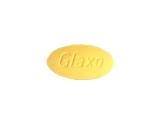
Zofran (ondansetron) is a selective serotonin 5‑HT3 receptor antagonist indicated for the prevention of nausea and vomiting associated with moderately emetogenic chemotherapy and radiotherapy, and for the prevention and treatment of postoperative nausea and vomiting. It works by blocking 5‑HT3 receptors in the chemoreceptor trigger zone and gastrointestinal tract, reducing the emetogenic signal to the vomiting centre. Ondansetron is not a dopamine antagonist and has a low risk of extrapyramidal side effects. It is available as tablets, orally disintegrating tablets, oral solution, and injection.
Usual adult dose: For chemotherapy‑induced nausea and vomiting, the recommended oral dose is 8 mg taken 30 minutes before chemotherapy, followed by 8 mg every 8 to 12 hours for 1 to 2 days after completion of chemotherapy. For highly emetogenic chemotherapy, a 24 mg dose may be used under specialist supervision. For radiation‑induced nausea and vomiting, 8 mg is taken 1 to 2 hours before radiotherapy, then every 8 hours as needed. For postoperative nausea and vomiting, 16 mg may be given 1 hour before anaesthesia. The 4 mg tablet is used for lower intensity regimens or for dose adjustment in hepatic impairment; the maximum daily dose is 8 mg in patients with severe hepatic impairment. The orally disintegrating tablet should be placed on the tongue and allowed to dissolve, then swallowed with saliva; no water is needed.
Dosage form: Film‑coated tablets: 4 mg and 8 mg (white to off‑white, round or oval). Also available as orally disintegrating tablets in 4 mg and 8 mg strengths, oral solution (4 mg/5 mL), and injection (2 mg/mL) for intravenous or intramuscular use.
Onset of action: The antiemetic effect begins within 30 to 60 minutes after oral administration, with peak plasma concentrations at approximately 2 hours. The orally disintegrating tablet has a similar onset profile. For optimal prophylaxis against chemotherapy‑induced nausea, the first dose should be given before the chemotherapeutic agent.
Duration of action: The elimination half‑life of ondansetron is approximately 3 to 6 hours in healthy adults, but the antiemetic effect persists for 8 to 12 hours, supporting dosing every 8 hours as needed.
Alcohol recommendation: Alcohol should be avoided or limited during treatment with Zofran. Alcohol may worsen nausea and dehydration, and may increase the risk of dizziness or drowsiness when combined with ondansetron. Patients should avoid driving or operating machinery if they feel sedated.
Most common side effects: Headache, constipation, dizziness, and fatigue are most frequently reported. Headache is the most common adverse effect, occurring in up to 25% of patients. Ondansetron can cause QT interval prolongation, particularly with high doses or in patients with electrolyte abnormalities, heart failure, or concomitant use of other QT‑prolonging drugs. Serotonin syndrome is a rare but serious reaction, especially when ondansetron is combined with other serotonergic agents such as SSRIs, SNRIs, or tramadol. The 4 mg and 8 mg doses should not be used for prevention of chemotherapy‑induced nausea in patients with severe hepatic impairment; a lower maximum dose is required. Patients should be counselled to report palpitations, dizziness, or severe constipation. Ondansetron does not prevent delayed nausea and vomiting in all patients; additional antiemetics such as dexamethasone or aprepitant may be needed for highly emetogenic chemotherapy. Zofran is available only by prescription in Canada, although some lower strengths may be available behind the counter in certain provinces for specific indications under pharmacist assessment.
Would you like to try Zofran (Ondansetron) without a prescription?
Buy Generic Zofran (Ondansetron) without prescription in Canada
At our pharmacy, you can buy Zofran without a prescription, with discreet and anonymous packaging delivered within 5-14 days across Canada.
What is Zofran?
Zofran is an antiemetic, a medicine that prevents nausea and vomiting. The active ingredient is ondansetron, which belongs to a class of drugs called 5-HT3 receptor antagonists. It works by blocking serotonin, a chemical messenger that triggers the vomiting reflex. Serotonin is released in the gut and the brain in response to chemotherapy, radiation therapy, and surgery. When serotonin binds to 5-HT3 receptors, it sends a signal to the brain that says "throw up." Ondansetron sits on those receptors and blocks the signal. The brain never gets the message, and the nausea is blunted.
This is not a drug for ordinary motion sickness or a stomach bug. It is used for the big leagues of nausea: chemotherapy-induced nausea and vomiting, nausea from radiation therapy, and nausea and vomiting after surgery. It can be given before the trigger, as prevention, or after symptoms start, to calm them down. It does not treat the underlying cause. It just stops the vomiting signal. The effect begins within 30 to 60 minutes after an oral dose and lasts about 8 to 12 hours. The tablets come in two strengths: 4 mg and 8 mg. The 4 mg dose is often used for post-surgical nausea or for children. The 8 mg dose is the standard for chemotherapy and radiation.
Mechanism and Pharmacology
Ondansetron is a selective and competitive antagonist of the serotonin 5-HT3 receptor. These receptors are found in the chemoreceptor trigger zone of the brain and in the vagal nerve endings of the gut. When chemotherapy drugs damage cells in the intestine, they cause a massive release of serotonin. That serotonin activates 5-HT3 receptors on the vagus nerve, which sends a signal up to the brainstem. The brainstem then triggers the vomiting reflex. Ondansetron blocks these receptors, preventing the initial signal. It works both centrally, in the brain, and peripherally, in the gut.
After oral administration, ondansetron is well absorbed, with peak plasma levels reached in about 1.5 to 2 hours. Food slightly increases absorption but is not required. The drug is extensively metabolized in the liver by several cytochrome P450 enzymes, including CYP3A4, CYP1A2, and CYP2D6. The half-life is about 3 to 6 hours, but the biological effect lasts longer because the drug binds tightly to the receptors. In the elderly, clearance is slower. In patients with severe liver impairment, the dose should not exceed 8 mg per day. In kidney failure, no dose adjustment is usually needed. The drug is eliminated mainly in the urine as metabolites.
How to Use Zofran
The dose and schedule depend on what is causing the nausea. For highly emetogenic chemotherapy, the usual adult dose is 8 mg taken 30 minutes before the chemotherapy infusion, then 8 mg again 8 hours later, then 8 mg every 12 hours for one to two days after treatment. Some protocols use a single 8 mg dose before moderately emetogenic chemotherapy. For radiation therapy, the typical dose is 8 mg taken 1 to 2 hours before each radiation session, then every 8 hours as needed. For postoperative nausea and vomiting, a single 4 mg or 8 mg dose is given before anesthesia or immediately after surgery. The 4 mg dose is often enough in this setting.
The tablets can be taken with or without food. Swallow them whole with water. There is also an orally disintegrating tablet that dissolves on the tongue. If you are using the disintegrating form, peel back the foil and place the tablet on your tongue. It will dissolve in seconds. You do not need water. Do not push the tablet through the foil. If you miss a dose, take it as soon as you remember. If it is almost time for the next dose, skip the missed one. Do not double up. Do not take more than 24 mg in a 24-hour period unless your doctor tells you to. If your nausea is not controlled with ondansetron, tell your doctor. Do not keep increasing the dose on your own. Higher doses increase the risk of heart rhythm problems without necessarily adding more benefit.
Side Effects of Zofran
The most common side effects are headache, fatigue, and constipation. Constipation can be significant, especially in patients taking the drug for several days during chemotherapy. Stool softeners and increased fluid intake help. Some people feel dizzy or lightheaded. A small number of patients develop a rash or itching.
The most serious risk is QT interval prolongation, a change in the heart's electrical cycle that can lead to a dangerous arrhythmia called torsades de pointes. This is more likely at high doses, in patients with electrolyte imbalances, especially low potassium or magnesium, in people with pre-existing heart disease, and in those taking other QT-prolonging drugs. If you feel faint, have palpitations, or experience a rapid, irregular heartbeat, seek emergency care. Ondansetron can also rarely cause a condition called serotonin syndrome when combined with other serotonergic drugs, such as SSRIs, SNRIs, MAOIs, tramadol, or fentanyl. Symptoms include agitation, confusion, sweating, shivering, muscle twitching, and a racing heart. This is a medical emergency. If you have a history of long QT syndrome or have had an arrhythmia, tell your doctor before taking ondansetron. The drug should be used with caution in people with severe liver disease, and the maximum daily dose is lower.
High-Risk Groups (Elderly, Pregnancy)
Pregnancy. Ondansetron is pregnancy category B. It is widely used during pregnancy for severe nausea and vomiting, including hyperemesis gravidarum. The safety data are extensive, and most studies have not shown an increased risk of birth defects. However, some research has suggested a very small possible increase in certain heart or cleft palate defects, but the evidence is conflicting. The general consensus is that ondansetron is safe and effective for severe nausea in pregnancy when lifestyle measures and other antiemetics like doxylamine-pyridoxine have not worked. It should be used at the lowest effective dose. Always discuss with your obstetrician.
Breastfeeding. Ondansetron is excreted into breast milk in small amounts. The relative infant dose is low, and it is generally considered compatible with breastfeeding. If you need to take it while nursing, the infant should be monitored for constipation or irritability. Elderly patients can take the standard doses, but they are more likely to have heart disease, electrolyte imbalances, and reduced liver function. An ECG may be checked before starting, especially if the dose is high or the patient has other risk factors. Children use weight-based dosing, and both the 4 mg and 8 mg tablets can be given to older children who can swallow tablets. The oral disintegrating tablet is useful for younger children. Patients with severe liver impairment should not take more than 8 mg per day, because the drug is cleared by the liver. People with a history of QT prolongation, heart failure, or taking multiple QT-prolonging drugs should use ondansetron with caution and under medical supervision.
Interaction With Activities (Driving, Alcohol)
Ondansetron can cause dizziness, drowsiness, and blurred vision. If you feel these effects, don't drive or operate machinery. The side effects are usually mild and improve after the first dose or two, but be cautious, especially if you are taking the drug for the first time. Alcohol is best avoided while taking ondansetron. Alcohol can worsen dehydration, which is a problem if you are already vomiting. It can also increase the risk of liver irritation and add to any dizziness. More importantly, if you are taking ondansetron for chemotherapy-induced nausea, alcohol is generally not recommended during cancer treatment. If you are using it for a short course after surgery, avoid alcohol until you have fully recovered and are no longer taking pain medications.
Drug Interactions
Ondansetron is metabolized by several CYP enzymes, but the clinically important interactions are mostly pharmacodynamic. The most serious interaction is with other drugs that prolong the QT interval. This includes certain antibiotics like erythromycin and clarithromycin, antifungals like ketoconazole, antiarrhythmics like amiodarone and sotalol, antipsychotics like haloperidol, and some antidepressants. Combining these with ondansetron increases the risk of dangerous arrhythmias. If possible, choose an alternative antiemetic. If not, an ECG and electrolyte monitoring are essential.
Apomorphine is a drug used for Parkinson's disease. Combining it with ondansetron can cause severe low blood pressure and loss of consciousness. This combination is contraindicated. Tramadol and fentanyl are serotonergic drugs, and combining them with ondansetron increases the risk of serotonin syndrome. The same applies to SSRIs like fluoxetine, sertraline, and SNRIs like venlafaxine. If you are on any of these, tell your doctor. The combination is not absolutely forbidden, but you should be monitored for symptoms like agitation, sweating, and muscle twitching. Inducers of CYP3A4, like rifampin and phenytoin, can lower ondansetron levels and reduce its effectiveness. Strong CYP3A4 inhibitors can increase levels, but this is rarely a problem at the usual doses. Always tell your doctor about every medication, supplement, and herbal product you take before starting ondansetron.
Alternative Options
Ondansetron is one of several 5-HT3 receptor antagonists. Others in the same class include granisetron, dolasetron, and palonosetron. Palonosetron has a much longer half-life and is often used for delayed nausea from highly emetogenic chemotherapy. These drugs are usually given intravenously in hospital settings. For oral use at home, ondansetron is the most common choice because of its long track record and availability as a generic. Other antiemetics used for different situations include dexamethasone, a steroid that works well for chemotherapy nausea and is often combined with ondansetron. Metoclopramide is a dopamine antagonist that helps with gastroparesis and mild nausea but has more neurological side effects. Prochlorperazine is an older antipsychotic used as an antiemetic. For motion sickness, dimenhydrinate (Gravol) and scopolamine are the preferred choices, not ondansetron. For pregnancy-related nausea, doxylamine plus pyridoxine (Diclectin) is first-line. The choice depends on the cause of the nausea. For chemotherapy and radiation, ondansetron remains the gold standard oral antiemetic.
INN, Brand Names, and Classification in Canada
INN (International Nonproprietary Name): Ondansetron hydrochloride
Available brand names in Canada: Zofran, and generic ondansetron. Ondansetron ODT is the orally disintegrating tablet formulation.
ATC code: A04AA01
Forms and strengths: Tablets 4 mg and 8 mg; orally disintegrating tablets 4 mg and 8 mg; oral solution; injectable solution.
Manufacturers: GlaxoSmithKline Inc. (Zofran), and diverse generic manufacturers including Apotex Inc., Teva Canada Limited, and Sandoz Canada Inc.
Registration status in Canada: Registered
Classification: Prescription (Rx)
Frequently Asked Questions
Can I use Zofran for a stomach flu?
It is not usually recommended for simple gastroenteritis. The risk of QT prolongation and the cost are not justified for a short, self-limiting illness. Oral rehydration and rest are usually enough. If vomiting is severe and dehydration is a risk, a doctor may prescribe it, but it is not the first choice for a stomach bug.
How fast does Zofran work?
After an oral dose, it starts to work within 30 to 60 minutes. The effect lasts about 8 to 12 hours. That's why it is often dosed every 8 hours for chemotherapy-induced nausea.
Can I take Zofran on an empty stomach?
Yes. It does not need to be taken with food. However, if you are also taking other antiemetics like dexamethasone, follow the instructions for those. Zofran itself is fine either way.
Is Zofran safe during pregnancy?
It is widely used and considered safe for severe nausea in pregnancy. The evidence is reassuring, though some studies have raised very small possible risks. It should be used at the lowest effective dose and only when first-line treatments have not worked. Always discuss with your obstetrician.
What if Zofran doesn't stop my nausea?
Do not keep taking more on your own. Adding dexamethasone, metoclopramide, or a different 5-HT3 antagonist like palonosetron may help, but this should be decided by your doctor. Persistent nausea can be a sign of a complication, especially after surgery or during chemotherapy.
Delivery Information Across Canada
We ship Zofran and generic ondansetron to all provinces and territories. Delivery times vary depending on how remote your location is:
- Ontario (Toronto, Ottawa, Mississauga): 5 to 7 days
- Quebec (Montreal, Quebec City, Laval): 5 to 7 days
- British Columbia (Vancouver, Victoria, Burnaby): 5 to 9 days
- Alberta (Calgary, Edmonton, Red Deer): 5 to 9 days
- Manitoba (Winnipeg, Brandon): 5 to 9 days
- Saskatchewan (Saskatoon, Regina): 5 to 9 days
- Nova Scotia (Halifax, Sydney): 5 to 9 days
- New Brunswick (Moncton, Fredericton): 5 to 9 days
- Newfoundland and Labrador (St. John's, Corner Brook): 7 to 14 days
- Prince Edward Island (Charlottetown): 7 to 14 days
- Yukon, Northwest Territories, Nunavut: 7 to 14 days
All shipments are packed discreetly with no branding or indication of contents on the outside.


| Shipping method | Delivery time | Price | |
 Delivery Delivery |
14-21 days | 14.95$ | Tracking# available in 4 days |
 Delivery Delivery |
9-14 days | 30$ | Tracking# available in 2 days |
- Shipping worldwide
- Confidentiality and anonymity guarantee
- Safe and secure
- Discrete looking packages
- Dispatch orders within 24 hours
- 100% success delivery


