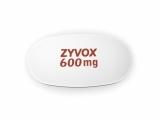
Generic Zyvox ( Linezolid )

Zyvox
Zyvox is an oxazolidinones antibiotic to treat infections caused by Enterococcus and Streptococcus.
Select doses
Select Package
Zyvox
600 mg
x
12 pills
$144.00
$ 119.99
$ 10.00 per pill
save:  $0.00
Zyvox
600 mg
x
20 pills
$192.00
$ 159.99
$ 8.00 per pill
save:  $40.00
Zyvox
600 mg
x
32 pills
$277.00
$ 230.99
$ 7.22 per pill
save:  $88.96

Buy Generic Zyvox (Linezolid) without prescription in Canada

In our Canadian pharmacy, you can buy Zyvox (Linezolid) without a prescription, with delivery across Canada within 5‑14 days. Discreet and anonymous packaging.

Zyvox (linezolid) is a synthetic oxazolidinone antibiotic used to treat serious bacterial infections, including those caused by drug‑resistant Gram‑positive bacteria such as methicillin‑resistant Staphylococcus aureus (MRSA) and vancomycin‑resistant enterococci (VRE). It works through a unique mechanism—binding to the 23S ribosomal RNA of the 50S subunit and preventing formation of the 70S initiation complex—thereby inhibiting bacterial protein synthesis at an early stage, with no cross‑resistance to other antibiotic classes. Linezolid is bacteriostatic against most susceptible organisms but displays bactericidal activity against some strains of pneumococci, Bacteroides fragilis, and Clostridium perfringens.

Usual adult dose: The recommended dose is 600 mg taken orally every 12 hours (twice daily), with or without food. The duration of treatment is typically 10 to 14 days for most indicated infections, although courses of 14 to 28 days may be prescribed for certain complicated infections. For uncomplicated skin and skin‑structure infections in adults, a 400 mg tablet taken every 12 hours may be used. Treatment should not exceed 28 days unless the patient is monitored closely for haematologic and ophthalmologic adverse effects.

Dosage form: Film‑coated oral tablet containing 600 mg of linezolid. Also available as a 400 mg tablet (for uncomplicated skin infections) and as a 100 mg/5 mL oral suspension; the powder for oral suspension must be reconstituted by a pharmacist. An intravenous formulation is also available in Canada.

Onset of action: Linezolid is rapidly absorbed after oral administration, with peak plasma concentrations reached within 1 to 2 hours. Its near‑complete oral bioavailability (approximately 100%) means that oral and intravenous dosing produce equivalent blood levels and clinical responses, allowing a seamless switch from IV to oral therapy. Clinical improvement may be observed within the first 48 to 72 hours of treatment.

Duration of action: The elimination half‑life of linezolid is approximately 4 to 5 hours; however, the dosing interval is every 12 hours. Steady‑state concentrations are achieved by the second or third dose. The antibacterial effect persists throughout the dosing interval when the drug is administered twice daily.

Alcohol recommendation: Alcohol consumption should be strictly avoided during treatment with Zyvox and for at least 48 hours after the last dose. Linezolid is a reversible, non‑selective inhibitor of monoamine oxidase (MAO). Consuming alcoholic beverages—particularly tap beer, red wine, and certain liqueurs—that contain high levels of tyramine can precipitate a dangerous hypertensive crisis. Patients must also avoid foods rich in tyramine during therapy (see Practical Advice).

Most common side effects: Diarrhoea, vomiting, headache, nausea, and anaemia (each occurring in > 5% of patients in clinical trials). Other relatively common effects include taste disturbance (metallic taste), dizziness, insomnia, constipation, abdominal pain, rash, and fever. Thrombocytopenia, leucopenia, and pancytopenia have been reported, particularly with treatment courses longer than 10 to 14 days; weekly complete blood counts are recommended during prolonged therapy.

Would you like to try Zyvox (Linezolid) without a prescription?
General Information about Zyvox (Linezolid)

  • INN (International Nonproprietary Name): Linezolid
  • Brand names available in Canada: Zyvoxam (Pfizer Canada ULC—the brand‑name 600 mg tablet, DIN 02243684, was cancelled post‑market in July 2020 but may still be available through certain channels); APO‑Linezolid (Apotex Inc., DIN 02426552); Sandoz Linezolid (Sandoz Canada Inc., DIN 02422689); JAMP‑Linezolid (JAMP Pharma Corporation); generic Linezolid tablets are distributed by several other Canadian pharmaceutical companies.
  • ATC code: J01XX08 (linezolid; other antibacterials)
  • Dosage forms and strengths: Film‑coated oral tablets: 400 mg and 600 mg. Powder for oral suspension: 100 mg/5 mL after reconstitution. Solution for intravenous infusion: 600 mg/300 mL (2 mg/mL) in single‑dose flexible plastic containers.
  • Manufacturers in Canada: Pfizer Canada ULC (Zyvoxam), Apotex Inc. (APO‑Linezolid), Sandoz Canada Inc. (Sandoz Linezolid), JAMP Pharma Corporation (JAMP‑Linezolid), and other generic manufacturers.
  • Registration status in Canada: Approved by Health Canada. The original brand Zyvoxam received its Notice of Compliance on 2001/04/06; the oral suspension was re‑introduced to the Canadian market on 2010/08/04. Multiple generic formulations are currently marketed and available by prescription.
  • OTC / Rx classification: Prescription only (Rx). Linezolid is classified as a Schedule I drug under the Canadian Food and Drugs Act and is available only with a valid prescription from a licensed Canadian healthcare professional.

Mechanism of Action and Pharmacology

Linezolid is the first commercially available member of the oxazolidinone class of synthetic antimicrobial agents. Its mechanism of action is distinct from all other antibiotic classes. Linezolid binds to the 23S ribosomal RNA of the 50S subunit of the bacterial ribosome. This binding prevents the formation of the functional 70S initiation complex—a ternary structure composed of the 30S subunit, the 50S subunit, mRNA, and initiation factors—that is essential for the initiation of bacterial protein translation. Because linezolid acts at this exceedingly early step of protein synthesis, cross‑resistance with other classes of antibacterial agents (e.g., macrolides, lincosamides, streptogramins, aminoglycosides, β‑lactams, glycopeptides) does not occur. Linezolid is predominantly bacteriostatic against enterococci and staphylococci, but it exerts bactericidal activity against certain strains of Streptococcus pneumoniae, Streptococcus pyogenes, Bacteroides fragilis, and Clostridium perfringens.

Linezolid is rapidly and completely absorbed after oral administration, with an absolute bioavailability of approximately 100%. Peak plasma concentrations (Cmax of approximately 18 μg/mL after a single 600 mg dose) are achieved within 1 to 2 hours. Food does not significantly alter absorption; the AUC is decreased by approximately 11% when the drug is taken with a high‑fat meal, a change not considered clinically meaningful. The volume of distribution at steady‑state averages 40 to 50 L, and plasma protein binding is approximately 31%. Linezolid is metabolised primarily by non‑enzymatic oxidation of the morpholine ring, yielding two major inactive metabolites: an aminoethoxyacetic acid metabolite and a hydroxyethyl glycine metabolite. Approximately 30% of a dose is excreted unchanged in the urine, and approximately 50% is recovered in the urine as the two primary metabolites. The elimination half‑life is 4 to 5 hours in healthy adults. Mild to moderate hepatic or renal impairment does not substantially alter the pharmacokinetics of linezolid; no dose adjustment is required for these patients. However, the two primary metabolites accumulate in patients with severe renal impairment (creatinine clearance < 30 mL/min), although the clinical significance of this accumulation is uncertain. Linezolid is moderately removed by haemodialysis; doses should be administered after dialysis sessions.

Linezolid is also a reversible, non‑selective inhibitor of monoamine oxidase (MAO). It inhibits both MAO‑A and MAO‑B isoforms and therefore has the potential to interact with adrenergic and serotonergic agents and with dietary tyramine. Unlike the irreversible MAO inhibitors used as antidepressants, linezolid’s inhibition is reversible, and significant inhibition is generally limited to the gastrointestinal tract and liver on first pass; nevertheless, caution regarding drug and food interactions is essential.

Indications

  • Complicated skin and skin‑structure infections (cSSSI): Including diabetic foot infections without concomitant osteomyelitis, caused by susceptible strains of Staphylococcus aureus (methicillin‑susceptible [MSSA] and methicillin‑resistant [MRSA] isolates), Streptococcus pyogenes, or Streptococcus agalactiae.
  • Community‑acquired pneumonia (CAP): Including cases with concurrent bacteremia, caused by susceptible strains of Streptococcus pneumoniae (including multidrug‑resistant isolates) or MSSA.
  • Nosocomial (hospital‑acquired) pneumonia (HAP): Caused by susceptible strains of Staphylococcus aureus (MSSA and MRSA) or Streptococcus pneumoniae.
  • Vancomycin‑resistant Enterococcus faecium (VRE) infections: Including cases with concurrent bacteremia.
  • Uncomplicated skin and skin‑structure infections: Caused by susceptible strains of Staphylococcus aureus (MSSA only) or Streptococcus pyogenes (adults: 400 mg every 12 hours; children ≥ 12 years: 600 mg every 12 hours).
  • Linezolid is not indicated for the treatment of Gram‑negative infections; appropriate Gram‑negative coverage must be added empirically or on the basis of culture results when a mixed infection is suspected or documented.
  • Linezolid is not approved for use in children under 12 years of age for community‑acquired pneumonia, uncomplicated skin infections, or other indications outside of nosocomial pneumonia and complicated skin infections. Paediatric dosing is weight‑based (10 mg/kg every 8 hours) for approved indications.

Important Warnings and Precautions

At‑risk groups

  • Pregnancy: There are no adequate and well‑controlled studies of linezolid in pregnant women. Animal reproduction studies have not revealed evidence of teratogenicity at doses up to 4 times the human therapeutic dose (based on body surface area), but decreased fetal body weight and an increase in costal cartilage fusion were observed in mice at high doses. Linezolid should be used during pregnancy only if the potential benefit clearly outweighs the potential risk to the foetus. Inform your doctor immediately if you become pregnant while taking this medication.
  • Breastfeeding: Linezolid is excreted in the breast milk of lactating rats, but it is not known whether linezolid is excreted in human milk. Because of the potential for serious adverse reactions in a nursing infant—including bone marrow suppression and the risk of serotonin syndrome—a decision must be made whether to discontinue breastfeeding or to discontinue the drug, taking into account the importance of the medication to the mother. If breastfeeding is continued, the infant should be monitored for diarrhoea, vomiting, anaemia, and changes in blood pressure.
  • Paediatrics (< 12 years): The safety and efficacy of linezolid in paediatric patients have been evaluated for the treatment of nosocomial pneumonia, complicated skin and skin‑structure infections, and other infections caused by susceptible Gram‑positive bacteria. In children from birth through 11 years, the recommended dose is 10 mg/kg every 8 hours (not every 12 hours as in adults). For adolescents 12 years of age and older, the adult dosing regimen of 600 mg every 12 hours is recommended. The 400 mg tablet (for uncomplicated skin infections) is not recommended in paediatric patients.
  • Elderly: No dose adjustment is required based on age alone. However, elderly patients may be at increased risk for haematologic adverse effects (particularly thrombocytopenia and anaemia) and for the consequences of serotonin syndrome or hypertensive crisis. Renal function should be evaluated, and weekly complete blood counts are recommended.
  • Renal impairment: No dose adjustment is required in patients with mild to moderate renal impairment. In patients with severe renal impairment (creatinine clearance < 30 mL/min), no dose adjustment is recommended, but clinicians should be aware that the two primary metabolites of linezolid accumulate significantly; the clinical importance of this accumulation has not been determined. In patients on haemodialysis, linezolid should be administered after the dialysis session because approximately 30% of a dose is removed during a 3‑hour haemodialysis procedure.
  • Hepatic impairment: No dose adjustment is required in patients with mild to moderate hepatic impairment (Child‑Pugh Class A or B). The pharmacokinetics of linezolid in patients with severe hepatic impairment (Child‑Pugh Class C) have not been studied.
  • Myelosuppression: Cases of thrombocytopenia, anaemia, leucopenia, and pancytopenia have been reported in patients receiving linezolid, with the risk increasing with treatment duration. In clinical trials, the incidence of thrombocytopenia was higher in patients treated for more than 14 days. Complete blood counts should be monitored weekly during therapy, especially in patients with pre‑existing myelosuppression, those receiving concomitant drugs that may decrease blood counts, and those treated for > 14 days. Discontinuation of linezolid should be considered in patients who develop or have worsening myelosuppression.
  • Serotonin syndrome: Linezolid is a reversible, non‑selective MAO inhibitor. Serotonin syndrome—a potentially life‑threatening condition characterised by altered mental status, autonomic instability, and neuromuscular abnormalities—has been reported in patients receiving linezolid, most often when it is co‑administered with serotonergic agents such as selective serotonin reuptake inhibitors (SSRIs), serotonin‑norepinephrine reuptake inhibitors (SNRIs), tricyclic antidepressants, triptans, fentanyl, methadone, tramadol, and buspirone. In most reported cases, linezolid and the serotonergic agent were administered concurrently without an adequate washout period. Patients should be closely monitored for signs and symptoms of serotonin syndrome; if it develops, discontinuation of linezolid and the serotonergic agent should be considered.
  • Hypertensive crisis (tyramine interaction): Because linezolid inhibits MAO, patients should avoid consuming large amounts of foods and beverages containing high concentrations of tyramine. Such foods include aged cheeses; fermented, smoked, or air‑dried meats; pickled or fermented fish; sauerkraut; soy sauce; tap (draught) beers (alcoholic and non‑alcoholic); and red wine. Ingestion of > 100 mg of tyramine by a patient taking an MAO inhibitor can cause a sudden, severe elevation of blood pressure (hypertensive crisis), which may be fatal. Patients should be educated about dietary tyramine restriction before starting linezolid and should maintain this restriction for at least 48 hours after the last dose.
  • Lactic acidosis: Cases of lactic acidosis (build‑up of lactic acid in the blood) have been reported with linezolid, including fatalities. Symptoms include recurrent nausea and vomiting, unexplained abdominal pain, rapid breathing, and generalised weakness. Patients who develop signs and symptoms of lactic acidosis should seek immediate medical evaluation; linezolid should be discontinued if lactic acidosis is confirmed.
  • Peripheral and optic neuropathy: Cases of peripheral neuropathy, including optic neuropathy sometimes progressing to permanent vision loss, have been reported in patients treated with linezolid. The risk is higher with treatment durations exceeding 28 days. All patients should be advised to report symptoms of visual impairment (e.g., changes in visual acuity, changes in colour vision, blurred vision, visual field deficit). If such symptoms occur, prompt ophthalmologic evaluation is recommended. Linezolid should be discontinued immediately if optic or peripheral neuropathy develops, unless the benefit of continued therapy outweighs the risk.
  • Seizures: Seizures have been reported in patients receiving linezolid. In some cases, a history of seizures or risk factors for seizures was present. Patients should be monitored for seizure activity, and linezolid should be discontinued if seizures occur.
  • Clostridioides difficile‑associated diarrhoea (CDAD): As with nearly all systemic antibacterial agents, Clostridioides difficile‑associated diarrhoea has been reported with linezolid and may range in severity from mild diarrhoea to fatal pseudomembranous colitis. CDAD should be considered in all patients who develop diarrhoea during or within 2 months of antibiotic therapy. Patients should be advised not to self‑treat diarrhoea with anti‑motility agents without consulting their doctor.
  • Hypoglycaemia: Hypoglycaemic reactions, including diaphoresis and tremulousness, along with low blood glucose measurements, have been reported with linezolid. Diabetic patients should monitor their blood glucose closely, and dose adjustment of insulin or oral hypoglycaemic agents may be necessary.
  • Allergy: Do not take Zyvox if you have a known hypersensitivity to linezolid or any component of the formulation.

Driving and alcohol

Zyvox may cause dizziness, headache, visual disturbances, and confusion. Patients should not drive, operate heavy machinery, or engage in hazardous activities until they have determined how the medication affects them. If visual disturbances occur, patients should not drive and should seek prompt ophthalmologic evaluation. Alcohol must be avoided entirely during treatment and for at least 48 hours after the last dose. Alcoholic beverages that are rich in tyramine—particularly tap (draught) beer, red wine, sherry, vermouth, and liqueurs—can interact with linezolid’s MAO‑inhibitory activity and precipitate a life‑threatening hypertensive crisis. Even non‑tyramine‑rich alcoholic drinks are best avoided because alcohol may exacerbate gastrointestinal side effects (nausea, vomiting, diarrhoea) and impair the immune response to the underlying infection.

Dosage Instructions

  • Complicated skin and skin‑structure infections, community‑acquired pneumonia, nosocomial pneumonia, and VRE infections: Adults and adolescents (≥ 12 years): 600 mg taken orally every 12 hours for 10 to 14 days. For nosocomial pneumonia and VRE infections, treatment may be extended to 14 to 28 days.
  • Uncomplicated skin and skin‑structure infections: Adults: 400 mg taken orally every 12 hours for 10 to 14 days. Adolescents (≥ 12 years): 600 mg taken orally every 12 hours for 10 to 14 days.
  • Paediatric dosing (birth through 11 years): 10 mg/kg administered orally or intravenously every 8 hours. The 400 mg tablet is not recommended in this age group.
  • Administration: The tablet should be swallowed whole with a glass of water. It may be taken with or without food. If using the oral suspension, gently turn the bottle upside down 3 to 5 times before measuring each dose; do not shake vigorously. Use the calibrated dosing device provided by the pharmacy to measure the exact dose; do not use a household spoon.
  • Missed dose: If a dose is missed, take it as soon as remembered on the same day. If it is close to the time of the next scheduled dose, skip the missed dose and continue with the regular twice‑daily schedule. Do not take a double dose to make up for a missed dose.
  • Completion of therapy: It is essential to complete the entire prescribed course of treatment, even if symptoms improve after a few days. Skipping doses or stopping treatment prematurely can lead to treatment failure and the development of antibiotic resistance.
  • Maximum duration: Treatment should not exceed 28 days unless the patient is under close monitoring for haematologic (weekly complete blood counts) and ophthalmologic adverse effects.

Side Effects and Contraindications

  • Most common side effects (incidence > 5% in clinical trials): Diarrhoea (5–11%), nausea (3–10%), vomiting (3–10%), headache (3–9%), and anaemia (5–8%). Dizziness, insomnia, constipation, abdominal pain, rash, fever, and taste disturbance (metallic taste) also occur relatively frequently.
  • Haematologic effects: Myelosuppression, including thrombocytopenia, anaemia, leucopenia, and pancytopenia. These effects are more common with treatment durations exceeding 10 to 14 days. In clinical studies, thrombocytopenia (platelet count < 100,000/mm³) occurred in approximately 2% of adult patients. Weekly complete blood counts are recommended for all patients during treatment, particularly those receiving > 14 days of therapy, those with pre‑existing myelosuppression, and those taking other medications that may lower blood counts.
  • Serotonin syndrome: A potentially life‑threatening condition characterised by mental status changes (agitation, confusion, hallucinations, coma), autonomic instability (tachycardia, labile blood pressure, hyperthermia, diaphoresis), neuromuscular abnormalities (tremor, rigidity, myoclonus, hyperreflexia, incoordination), and gastrointestinal symptoms (nausea, vomiting, diarrhoea). If serotonin syndrome is suspected, linezolid and all serotonergic medications should be discontinued immediately.
  • Lactic acidosis: Characterised by recurrent nausea and vomiting, unexplained abdominal pain, rapid breathing (tachypnoea), hypotension, and generalised weakness. Serum bicarbonate and lactate should be measured urgently if lactic acidosis is suspected; linezolid should be stopped if the diagnosis is confirmed.
  • Peripheral and optic neuropathy: Neuropathy symptoms include pain, burning, numbness, tingling, or weakness in the hands or feet (peripheral neuropathy) or blurred vision, decreased visual acuity, loss of colour vision, or visual field defects (optic neuropathy). These effects are most often reported after > 28 days of therapy but can occur earlier. Patients should report any visual or sensory symptoms immediately; ophthalmologic and neurologic evaluation should be undertaken promptly.
  • Hypoglycaemia: Low blood sugar, manifesting as sweating, trembling, palpitations, confusion, and hunger. Diabetic patients should monitor blood glucose closely.
  • Hypertensive crisis: Severe, sudden elevation of blood pressure triggered by co‑ingestion of tyramine‑rich foods or beverages. Symptoms may include severe headache, pounding in the neck or ears, chest pain, palpitations, blurred vision, and nosebleeds. Emergency medical attention is required.
  • Seizures: Convulsions have been reported; linezolid should be discontinued if seizures occur.
  • Clostridioides difficile‑associated diarrhoea: May range from mild diarrhoea to fulminant pseudomembranous colitis. Report persistent or bloody diarrhoea to your doctor immediately.
  • Contraindications: Known hypersensitivity to linezolid or any excipient in the formulation. Concomitant use with monoamine oxidase inhibitors (MAOIs) or within 14 days of discontinuing an MAOI (e.g., phenelzine, tranylcypromine, isocarboxazid, selegiline, rasagiline, methylene blue injection). Concomitant use with serotonergic drugs is not absolutely contraindicated but requires careful risk‑benefit assessment and close monitoring for serotonin syndrome. Untreated or uncontrolled hypertension, pheochromocytoma, carcinoid tumour, or uncontrolled hyperthyroidism (because of the risk of hypertensive crisis).

Drug Interactions

  • Monoamine oxidase inhibitors (MAOIs): Linezolid should not be co‑administered with other MAOIs or used within 14 days of discontinuing an MAOI. The combination significantly increases the risk of hypertensive crisis and serotonin syndrome.
  • Serotonergic drugs: Co‑administration of linezolid with drugs that increase serotonin levels or activity can precipitate serotonin syndrome. These agents include:
    • Selective serotonin reuptake inhibitors (SSRIs): citalopram, escitalopram, fluoxetine, fluvoxamine, paroxetine, sertraline.
    • Serotonin‑norepinephrine reuptake inhibitors (SNRIs): venlafaxine, desvenlafaxine, duloxetine.
    • Tricyclic antidepressants (TCAs): amitriptyline, clomipramine, imipramine, nortriptyline.
    • Monoamine oxidase inhibitors: phenelzine, tranylcypromine, isocarboxazid, selegiline, rasagiline, methylene blue.
    • Triptans (5‑HT1 agonists): sumatriptan, rizatriptan, zolmitriptan, etc.
    • Opioid analgesics: fentanyl, methadone, meperidine (pethidine), tramadol, tapentadol.
    • Other: buspirone, lithium, St. John’s wort (Hypericum perforatum), amphetamines, methylphenidate, dextromethorphan, cyclobenzaprine.
    In cases where co‑administration of linezolid and a serotonergic agent is clinically unavoidable, the patient must be closely observed for signs and symptoms of serotonin syndrome, particularly during treatment initiation and dose increases. If serotonin syndrome occurs, both drugs should be discontinued immediately.
  • Adrenergic and dopaminergic agents: Linezolid may potentiate the pressor (blood‑pressure‑raising) effects of sympathomimetic agents (e.g., pseudoephedrine, phenylephrine, ephedrine, amphetamines), vasopressor agents (e.g., dopamine, norepinephrine, epinephrine), and dopaminergic agents. Patients taking these drugs concurrently with linezolid should have their blood pressure monitored closely, and initial doses of the adrenergic agent should be reduced in some cases.
  • Tyramine‑rich foods and beverages: Although not a drug‑drug interaction, the consumption of large amounts of tyramine during linezolid therapy can cause severe hypertension. Patients must be educated to avoid aged cheeses, cured/fermented meats, sauerkraut, soy sauce, tap beer, and red wine.
  • Cytochrome P450 enzyme system: Linezolid does not significantly inhibit or induce the CYP450 enzyme system; therefore, pharmacokinetic interactions with drugs metabolised by CYP enzymes are unlikely.
  • Rifampicin: Co‑administration of rifampicin reduces linezolid plasma concentrations (Cmax decreased by approximately 21% and AUC by approximately 32%). The clinical significance of this interaction is not fully established, but therapeutic response should be monitored.
  • Anticoagulants: No clinically significant interaction has been observed between linezolid and warfarin; however, all patients receiving warfarin should have their INR monitored regularly, especially during co‑administration with any antibiotic that may affect vitamin K synthesis by gut flora.
  • Aztreonam and aminoglycosides: No pharmacokinetic interaction has been observed between linezolid and aztreonam or gentamicin; these agents are commonly co‑administered for Gram‑negative coverage.

Practical Advice

  • Administration: Take Zyvox tablets at evenly spaced intervals, approximately every 12 hours (e.g., 8:00 a.m. and 8:00 p.m.). The tablets may be taken with or without food. Swallow each tablet whole with a full glass of water; do not crush, split, or chew the tablet. If you are using the oral suspension, gently invert the bottle 3 to 5 times before each use; do not shake. Use the oral dosing syringe provided.
  • Dietary restrictions (tyramine): Avoid foods rich in tyramine during therapy and for at least 48 hours after the last dose. High‑tyramine foods to avoid include: aged (matured) cheeses (Cheddar, Swiss, Brie, Camembert, Stilton); processed and fermented meats (salami, pepperoni, summer sausage, pastrami); smoked, air‑dried, or pickled fish (herring, anchovies); sauerkraut, kimchi, and other fermented vegetables; soy sauce, teriyaki sauce, and miso; broad (fava) bean pods; tap (draught) beer—both alcoholic and non‑alcoholic; and red wine, vermouth, and sherry. Fresh foods, properly refrigerated meats, poultry, fish, and most dairy products (cream cheese, cottage cheese, mozzarella, milk) are generally safe. A detailed list should be provided by your pharmacist.
  • Monitoring: Complete blood counts (including platelet count) should be monitored weekly during therapy. Blood pressure should be monitored periodically. Diabetic patients should perform more frequent blood glucose checks. Any patient receiving therapy for more than 14 days should have weekly haematologic monitoring. Baseline and periodic liver function tests may be considered. Patients receiving treatment for more than 28 days should have periodic ophthalmologic examinations.
  • Storage: Store tablets at room temperature (15–30 °C) in a tightly closed container, protected from light and moisture. The oral suspension should be stored at room temperature after reconstitution and used within 21 days; any unused portion after this time must be discarded. Keep all forms of this medication out of the reach and sight of children.
  • Lifestyle: Complete the entire prescribed course, even if you feel better before it is finished. Do not share this antibiotic with anyone else, and do not save it for future infections. Report any new or worsening symptoms—especially persistent diarrhoea (watery or bloody), vision changes, tingling or numbness in the hands or feet, unexplained bruising or bleeding, severe headache, rapid heartbeat, confusion, or agitation—to your doctor immediately. Avoid all alcohol and tyramine‑rich foods throughout treatment. If you have diabetes, carry a source of fast‑acting sugar with you in case hypoglycaemic symptoms develop.
  • When to seek emergency care: Call 911 or your local emergency services number if you experience signs of anaphylaxis (hives, difficulty breathing, swelling of the face, lips, tongue, or throat); signs of serotonin syndrome (agitation, hallucinations, fever, excessive sweating, shivering, fast heart rate, muscle stiffness, twitching, loss of coordination, severe nausea/vomiting/diarrhoea); signs of hypertensive crisis (sudden, severe headache, pounding neck or ears, chest pain, blurred vision, nosebleed); or signs of lactic acidosis (unexplained rapid breathing, severe stomach pain, persistent vomiting, profound weakness).
  • Disposal: Return unused or expired medication to a pharmacy for safe disposal. Do not flush down the toilet or discard in household waste.

Alternative Medications

  • Vancomycin (Vancocin): A glycopeptide antibiotic that remains the standard comparator for serious Gram‑positive infections, including MRSA and VRE. It requires intravenous administration (except for the oral formulation used exclusively for C. difficile colitis), therapeutic drug monitoring of trough levels, and carries a risk of nephrotoxicity and ototoxicity. Linezolid has demonstrated comparable clinical efficacy to vancomycin in multiple clinical trials for complicated skin infections and nosocomial pneumonia, with the advantage of oral availability and no requirement for therapeutic drug monitoring.
  • Daptomycin (Cubicin): A cyclic lipopeptide antibiotic that is rapidly bactericidal against Gram‑positive pathogens, including MRSA and VRE. It is administered intravenously once daily and does not require therapeutic drug monitoring. Unlike linezolid, daptomycin is inactivated by pulmonary surfactant and cannot be used for pneumonia. It is a first‑line alternative for complicated skin infections and bacteremia.
  • Tedizolid (Sivextro): A second‑generation oxazolidinone with enhanced potency against Gram‑positive organisms. It is administered once daily (200 mg orally or intravenously) for 6 days for acute bacterial skin and skin‑structure infections. Tedizolid has a more favourable haematologic and MAO‑inhibitory profile than linezolid, with less pronounced effects on platelet counts and fewer restrictions on tyramine‑containing foods.
  • Ceftaroline (Teflaro): A fifth‑generation cephalosporin with activity against MRSA (via binding to PBP2a) and other Gram‑positive pathogens. It is administered intravenously every 12 hours and is indicated for community‑acquired pneumonia and acute bacterial skin infections. Unlike linezolid, ceftaroline also provides Gram‑negative coverage.
  • Doxycycline and minocycline (tetracyclines): Oral alternatives for mild to moderate MRSA skin infections in the community setting. They are bacteriostatic and have a more favourable safety profile and far lower cost than linezolid, but they are not appropriate for severe or deep‑seated infections.
  • Trimethoprim‑sulfamethoxazole (TMP‑SMX; Septra, Bactrim): An oral antibiotic combination with activity against community‑associated MRSA; used for uncomplicated skin infections. It is not appropriate for serious or invasive infections and is not indicated for pneumonia.
  • Clindamycin (Dalacin C): A lincosamide antibiotic that inhibits protein synthesis. It is an option for mild to moderate skin infections due to MSSA and some community MRSA isolates, but inducible clindamycin resistance must be ruled out by the microbiology laboratory (D‑test). It carries a risk of C. difficile colitis.

Clinical Efficacy

The clinical efficacy of linezolid has been established in multiple randomised, controlled clinical trials and meta‑analyses. In the treatment of complicated skin and skin‑structure infections, linezolid 600 mg twice daily (IV or oral) produced clinical cure rates consistently in the range of 83% to 94% across several Phase III studies, comparable to those achieved with standard comparator regimens (vancomycin 1 g IV every 12 hours). In a pooled analysis of randomised controlled trials involving patients with community‑acquired pneumonia, linezolid produced clinical success rates of > 94%, and for hospital‑acquired pneumonia, success rates were comparable to those of vancomycin. In infections caused by vancomycin‑resistant enterococci (VRE), linezolid 600 mg twice daily produced clinical and microbiological cure rates in excess of 85%.

A Cochrane systematic review and meta‑analysis comparing linezolid with vancomycin for the treatment of Gram‑positive infections found that linezolid was associated with significantly higher clinical cure rates (odds ratio [OR] 1.41, 95% confidence interval [CI] 1.16–1.71) and microbiological eradication rates (OR 1.42, 95% CI 1.14–1.76) in the clinically evaluable population, although no significant difference in mortality was observed. The clinical superiority of linezolid was particularly evident in patients with complicated skin and soft‑tissue infections and nosocomial pneumonia. However, linezolid was associated with a higher incidence of thrombocytopenia and gastrointestinal adverse events than vancomycin.

In a study specifically evaluating oral linezolid versus intravenous vancomycin for the treatment of MRSA‑infected surgical wounds and diabetic foot infections, patients randomised to oral linezolid had a shorter length of hospital stay and lower total treatment costs, with equivalent clinical and microbiological outcomes, highlighting the value of linezolid’s near‑100% oral bioavailability for enabling early discharge or outpatient management.

Linezolid has a well‑established role in Canadian clinical practice. The Association of Medical Microbiology and Infectious Disease (AMMI) Canada guidelines recognise linezolid as a first‑line or alternative agent for the treatment of serious Gram‑positive infections, including MRSA pneumonia and complicated skin and soft‑tissue infections, particularly when oral step‑down therapy or outpatient management is desired. Given the ongoing concern about antimicrobial resistance, linezolid should be reserved for the treatment of documented or strongly suspected infections caused by susceptible multidrug‑resistant Gram‑positive organisms, and it should not be used for trivial infections or those likely caused by susceptible organisms for which narrower‑spectrum agents are available.

Important:

Zyvox (linezolid) is a prescription antibiotic that must be used only under the supervision of a qualified healthcare professional. It is reserved for the treatment of serious bacterial infections caused by susceptible Gram‑positive organisms, including drug‑resistant strains such as MRSA and VRE. This medication carries a risk of life‑threatening adverse effects, including serotonin syndrome, hypertensive crisis (triggered by tyramine‑rich foods or beverages), lactic acidosis, severe myelosuppression (low blood cell counts), and peripheral and optic neuropathy that can lead to permanent vision loss. You must inform your doctor of all medications, supplements, and herbal products you are currently taking, particularly antidepressants (SSRIs, SNRIs, TCAs), migraine medicines (triptans), opioid pain relievers, and any MAO inhibitors. Avoid all tyramine‑rich foods and all alcohol during treatment and for at least 48 hours after the last dose. Weekly blood tests are required to monitor your blood cell counts. Complete the full prescribed course of this antibiotic, even if you feel better, to prevent the development of drug‑resistant bacteria. If you develop symptoms such as severe headache, confusion, agitation, fever with muscle stiffness, unexplained bruising or bleeding, vision changes, severe stomach pain, or persistent vomiting or diarrhoea, stop taking this medication and seek emergency medical attention immediately. This information is not a substitute for professional medical advice, diagnosis, or treatment.

Get Generic Zyvox - Shipping across Canada
There is no review for this product at the moment, but you can be the first to add or you can read more in Testimonials Page about related products.
Package Example
Front View
Side View
Back View
Your order will be packed safe and secure and dispatched within 24 hours. This is exactly how your parcel will look like (pictures of a real shipping item). It has a size and a look of a regular private letter (9.4x4.3x0.3 inches or 24x11x0.7cm) and it does not disclose its contents
Shipping method Delivery time Price  
Delivery 14-21 days 10$ Tracking# available in 4 days
Delivery 9-14 days 30$ Tracking# available in 2 days
  • Shipping worldwide
  • Confidentiality and anonymity guarantee
  • Safe and secure
  • Discrete looking packages
  • Dispatch orders within 24 hours
  • 100% success delivery